Cretan Greek survives in Syria after nearly 130 years


Shafaq News- Damascus
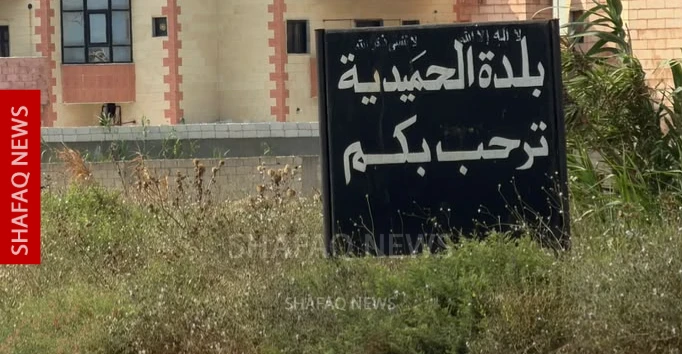
129 years after their ancestors fled Crete, Muslim families in Syria’s coastal town of Al-Hamidiyah still speak a Cretan Greek dialect alongside Arabic, preserving a rare linguistic link to the Mediterranean island.
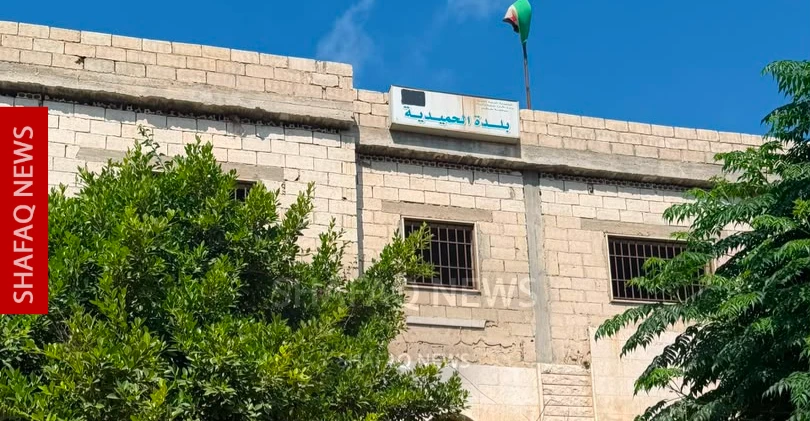
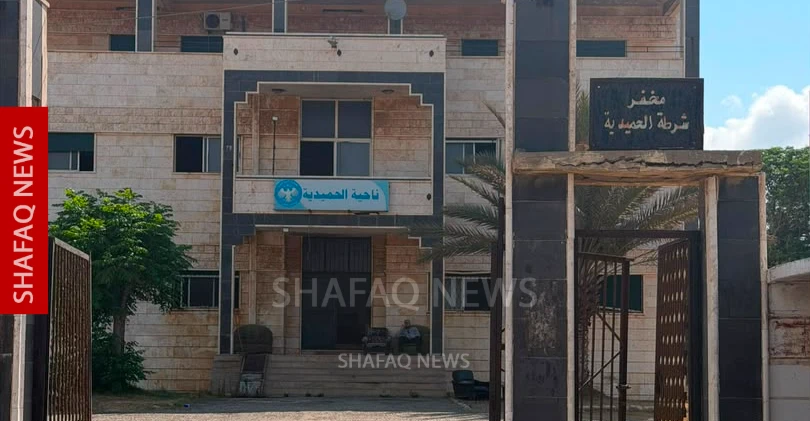
The Ottoman Empire established Al-Hamidiyah near the present-day Lebanese border in 1897 as a refuge for Greek-speaking Muslims displaced during the 1897-1898 conflict between Greece and the Ottoman Empire. The town was named after Sultan Abdul Hamid II.
Successive generations have retained Cretan songs, dishes, customs, and expressions, although residents say use of the dialect has declined and now depends largely on older speakers teaching it within families. A Hellenic Foundation for Research and Innovation project describes Al-Hamidiyah as one of several surviving Greek-speaking Muslim communities around the eastern Mediterranean.
“We have fully integrated into Syrian society while
preserving the cultural character visible in our language, traditions, and
daily life,” fisherman Adel Al-Salam told Shafaq News.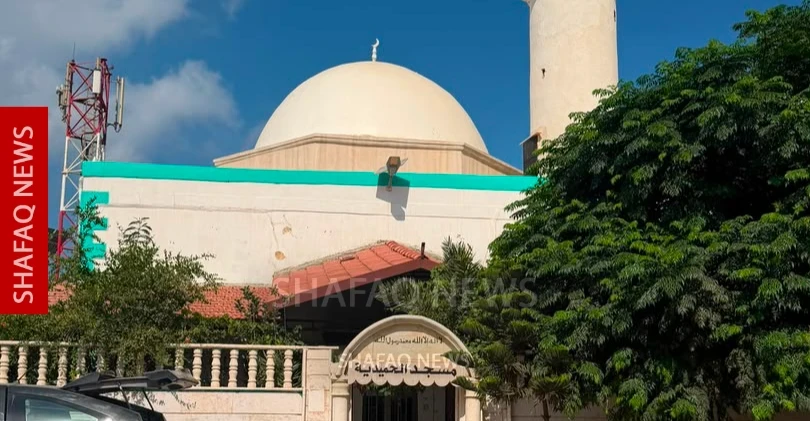
For residents, the dialect connects present-day Syrian families with a migration history passed down through household conversations, songs, and oral memory. UNHCR previously documented Al-Hamidiyah residents who learned Cretan Greek from their parents and grandparents despite never having visited Crete.
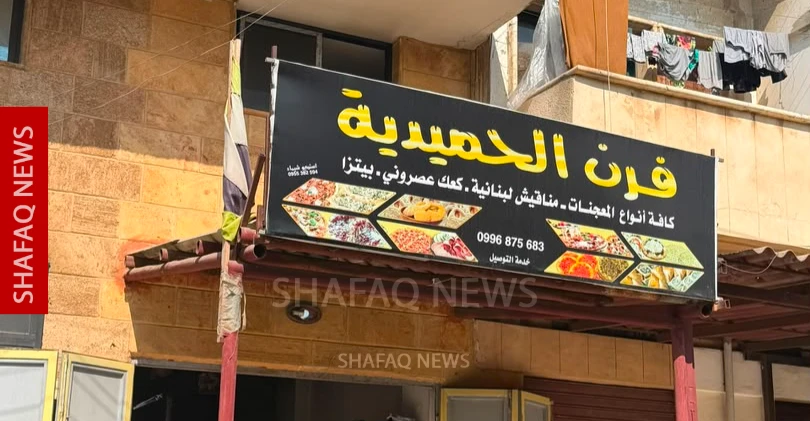
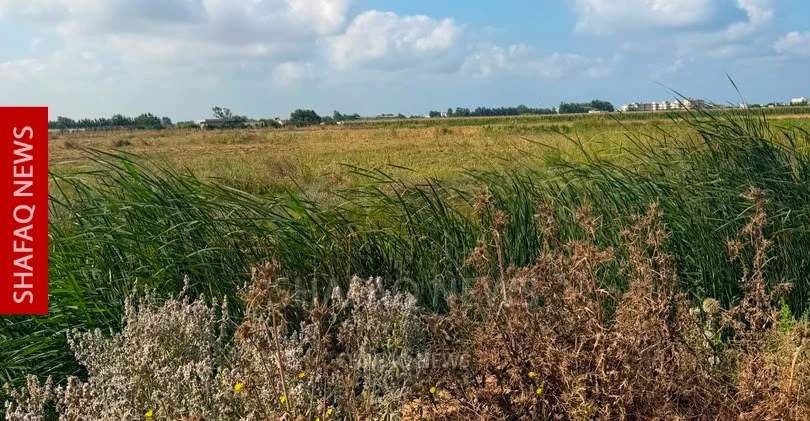
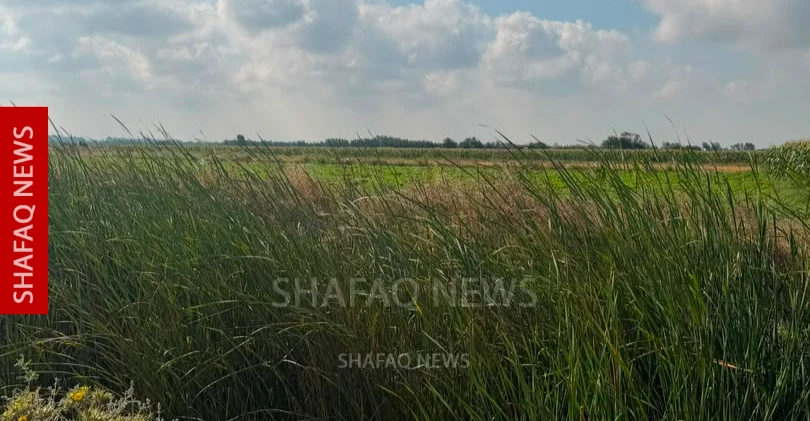
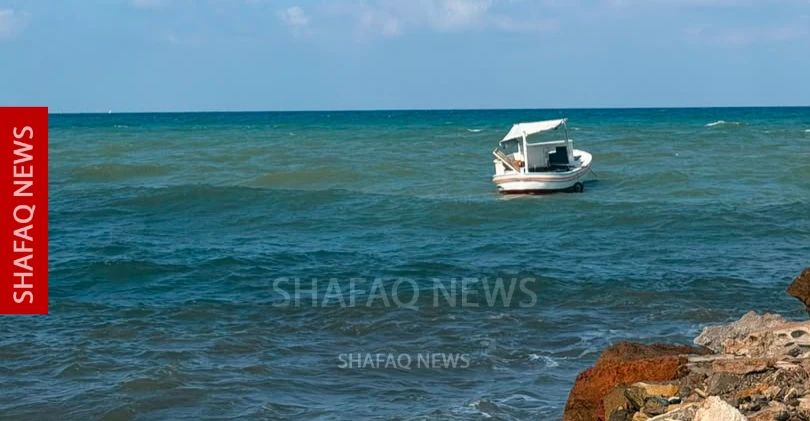
Fishing and agriculture remain central to life in Al-Hamidiyah, which lies on the Mediterranean coast in Tartous province, while its beach draws seasonal visitors.
The community’s Syrian identity and Cretan roots have coexisted for more than a century, turning the town into a surviving record of an Ottoman-era displacement that reshaped communities across Syria, Lebanon, Turkiye, and Libya.