Serwan Baran's 36th Parallel exhibition opens in Erbil


Shafaq News- Erbil
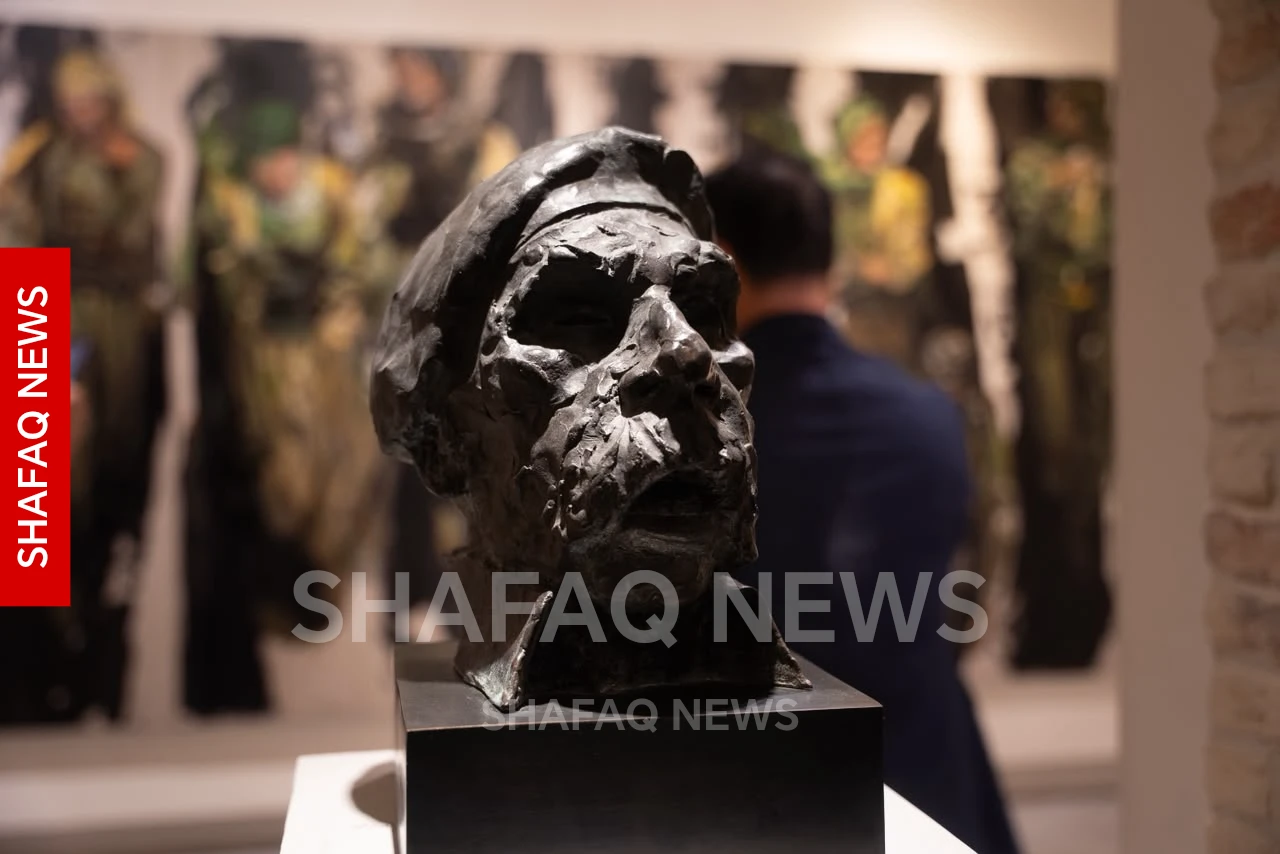
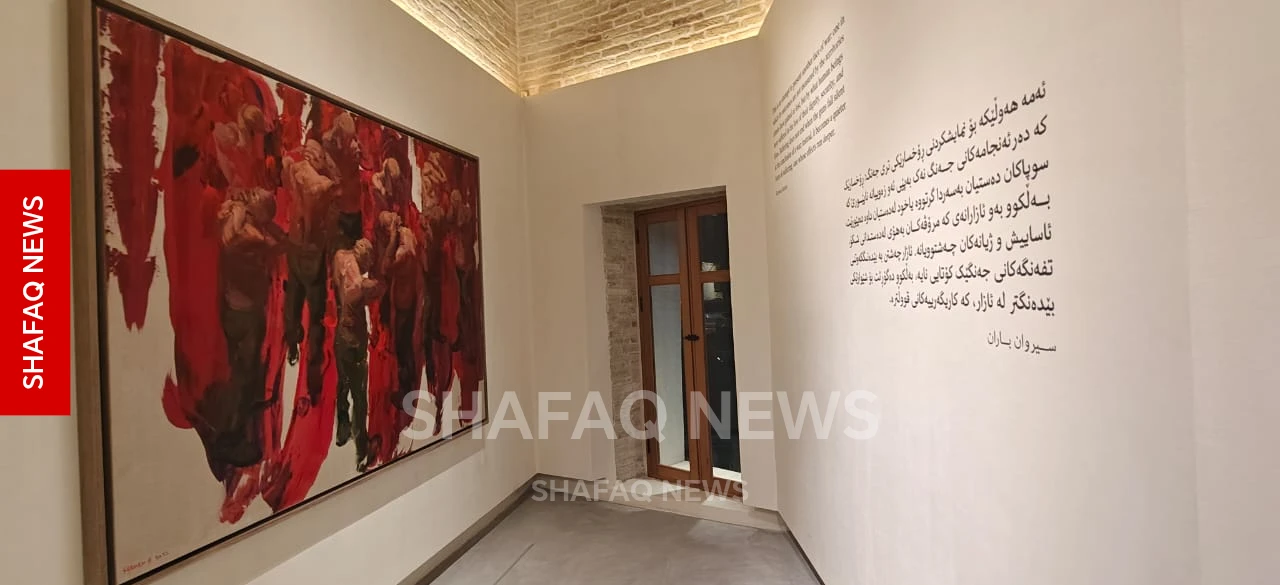
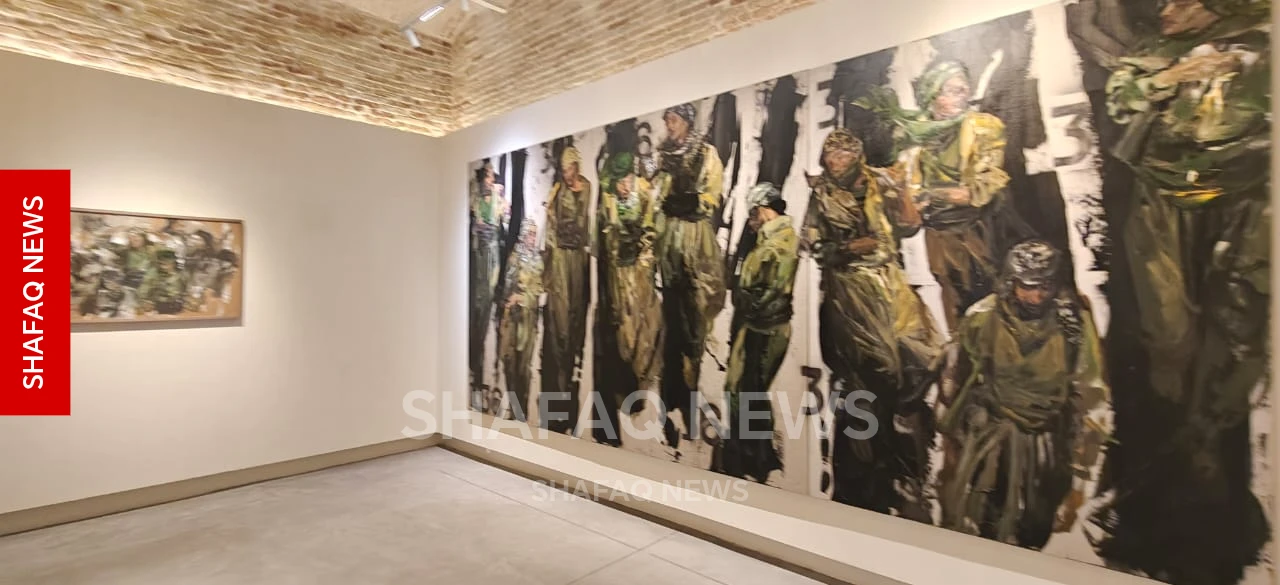
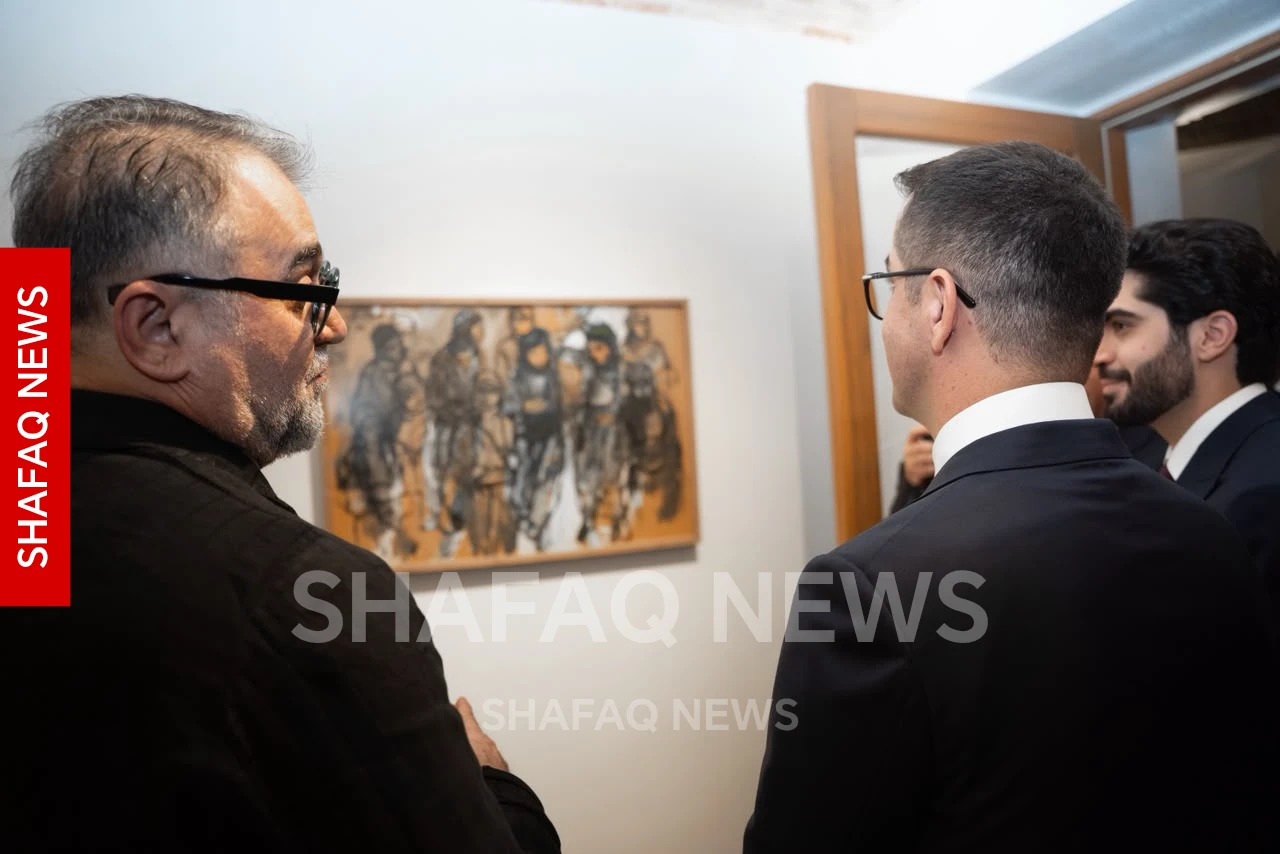
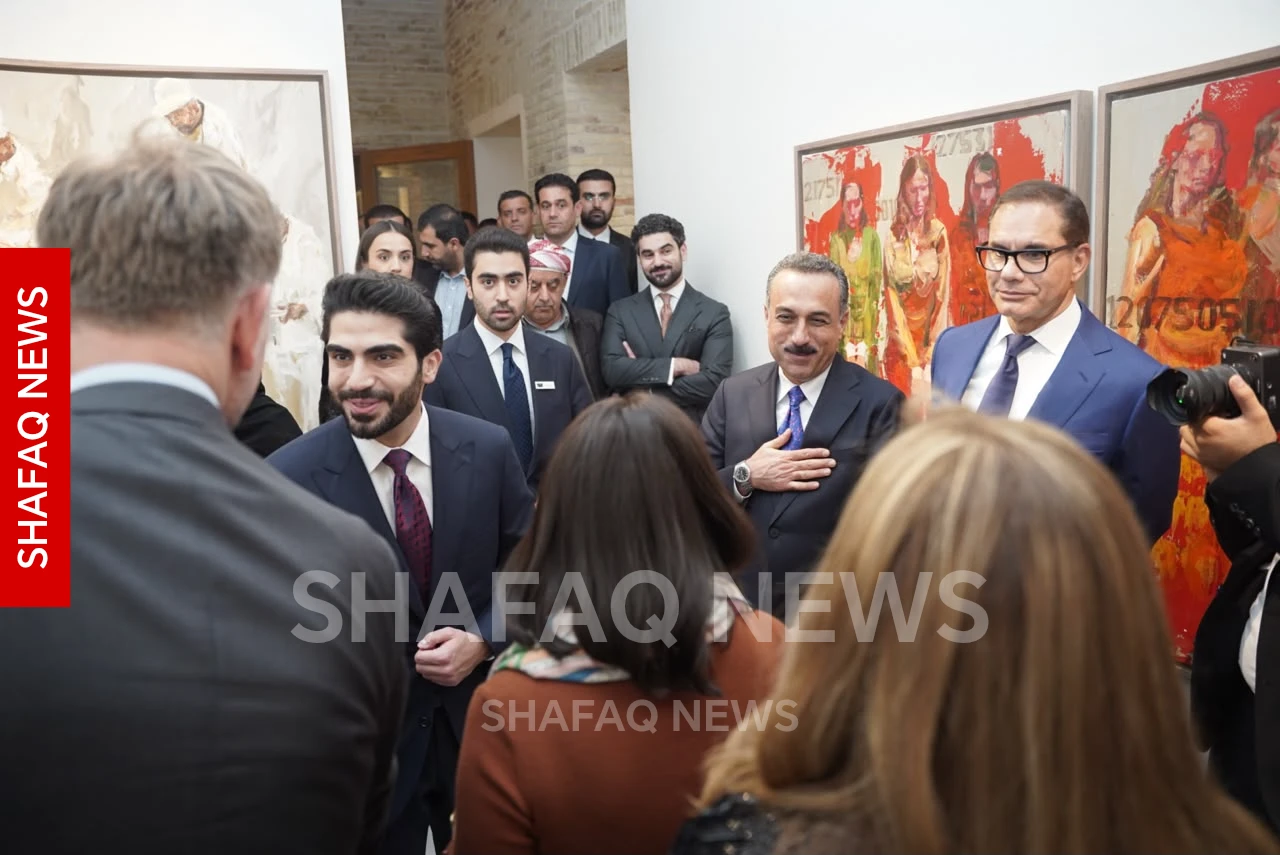
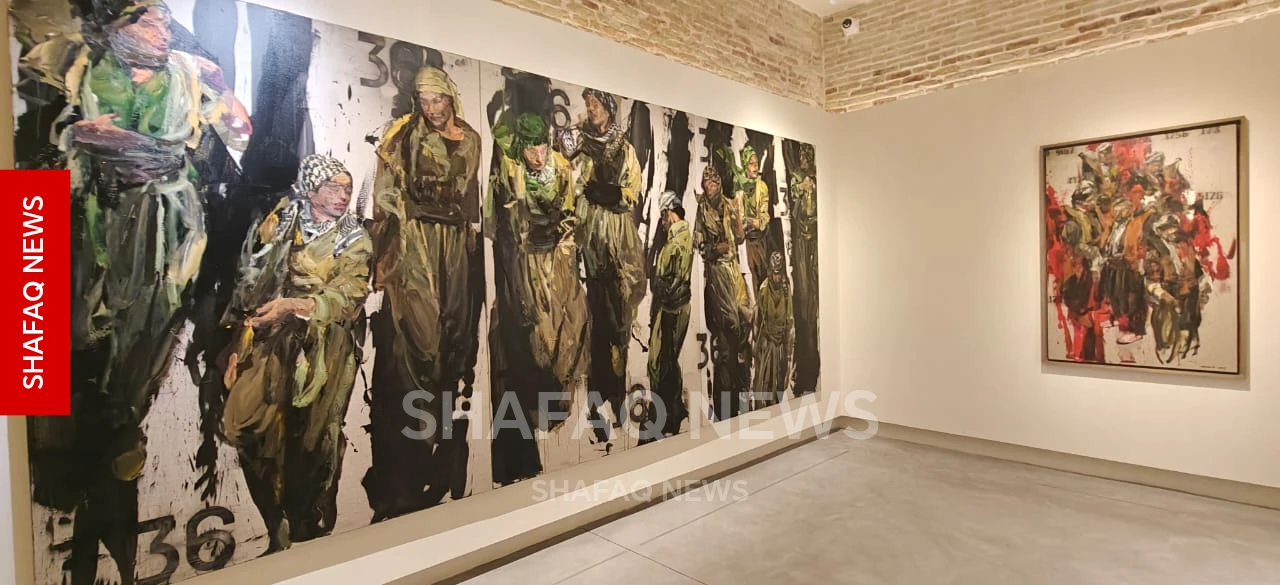
An exhibition featuring 18 paintings and three bronze sculptures by Kurdish artist Serwan Baran opened at the Cultural Houses in Erbil's Al-Araban neighborhood on Monday, exploring Kurdish history, suffering, and the role of women in society.
Titled “36th Parallel,” the exhibition takes its name from the line of
latitude that marked the southern boundary of the no-fly zone established by
the United States, Britain, and France over northern Iraq in 1991, following
the former Baath regime's suppression of a Kurdish uprising, a mass exodus
toward the borders, and the adoption of UN Security Council Resolution 688.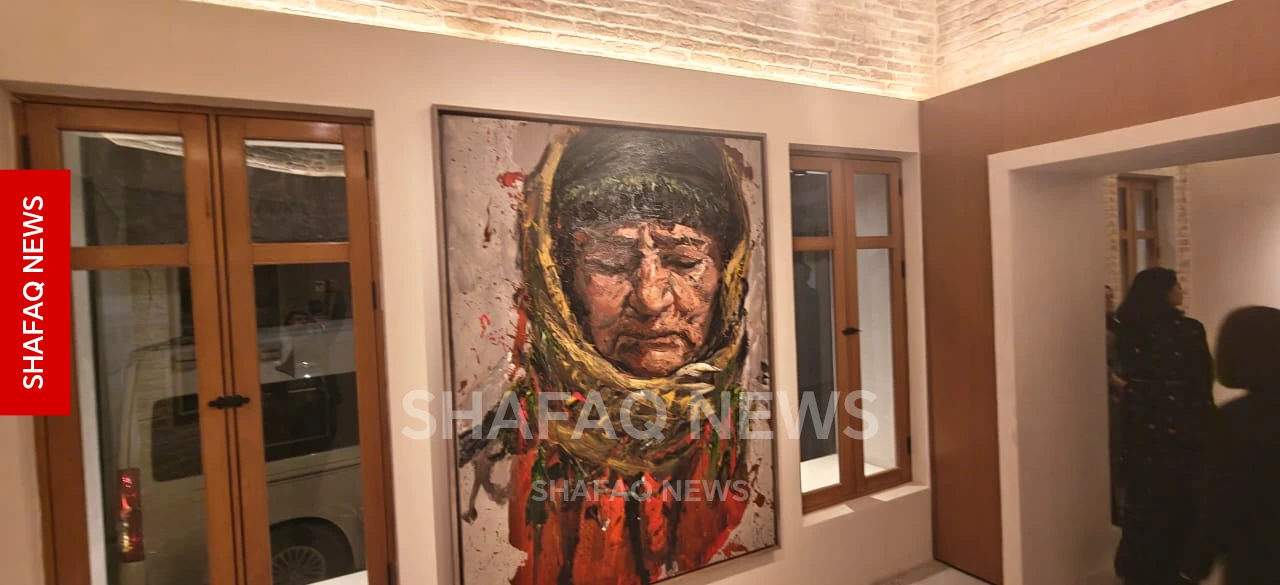
“This is not my first artistic activity, but it is my first independent solo exhibition,” Baran told Shafaq News, linking its title to Kurdish identity and the Kurdish people's struggle. His works depict imprisonment and torture, with women occupying a central place in his artistic vision. “I cannot separate women from the homeland, given the importance of their role in the country's culture and history, but that significance cannot be fully captured in paintings,” he said.
Baran also noted that Kurdish artists have kept pace with contemporary
artistic trends despite the difficult circumstances affecting their creative
work.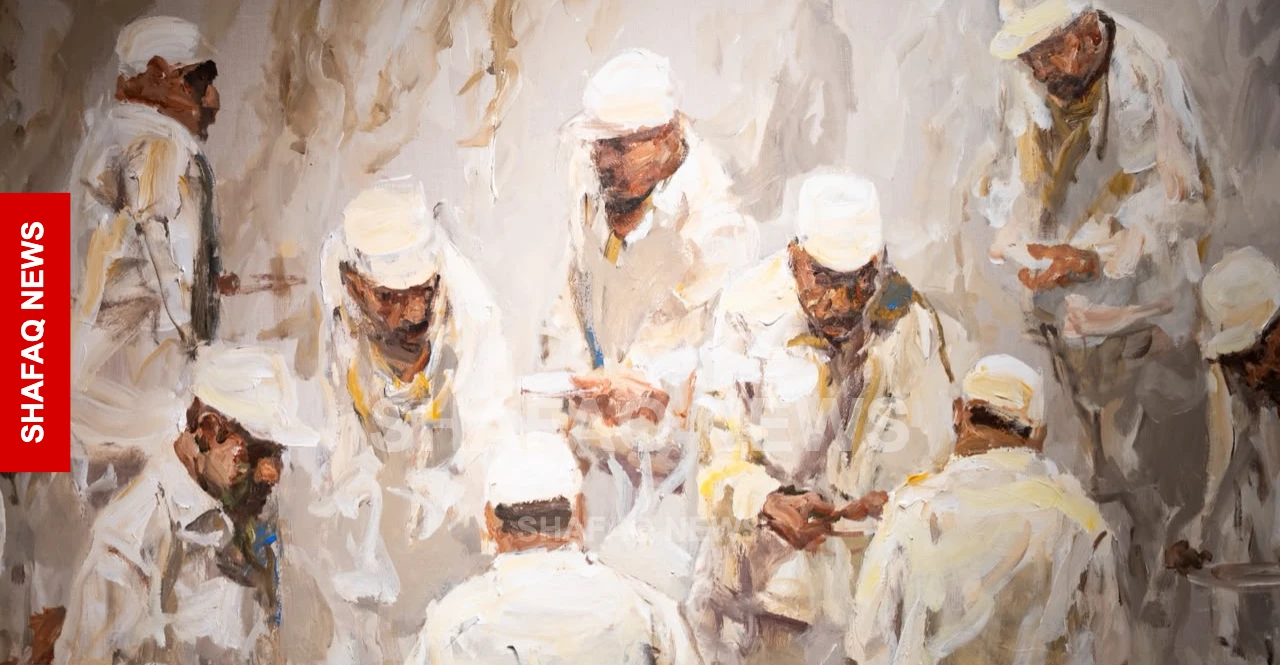
Preserving Kurdistan's cultural heritage
Diyar Ahmed, activities coordinator at the Kurdistan Center for Arts and Culture, told Shafaq News that the center had restored two historic houses in Erbil's Al-Araban neighborhood as part of efforts to preserve the Region's cultural and artistic heritage.
The center is currently processing thousands of scanned pages of historical
documents for publication and access by researchers and other interested
readers. Ahmed explained that it also works with Kurdish writers,
intellectuals, private library owners, archival institutions, and public
libraries to collect materials documenting the Region's cultural history.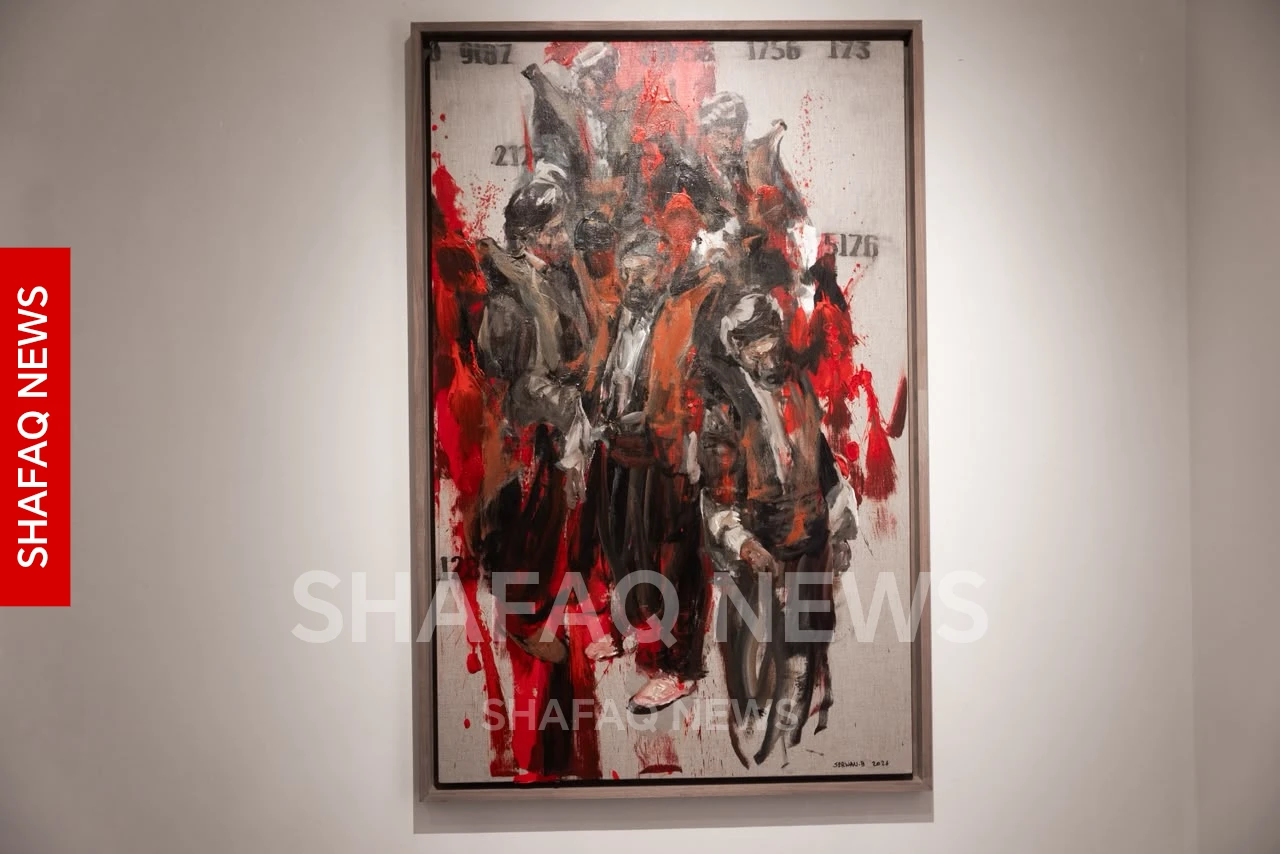
The Cultural Houses in Al-Araban are among Erbil's historic buildings, which were added to the city's list of heritage landmarks in 2008. The neighborhood has lost many of its traditional houses over the years.
According to the organizers, the exhibition will run for more than five
months, reflecting the center's policy of hosting long-term exhibitions lasting
at least three months.