Iran's saj bread tradition survives subsidy setback


Shafaq News- Ilam
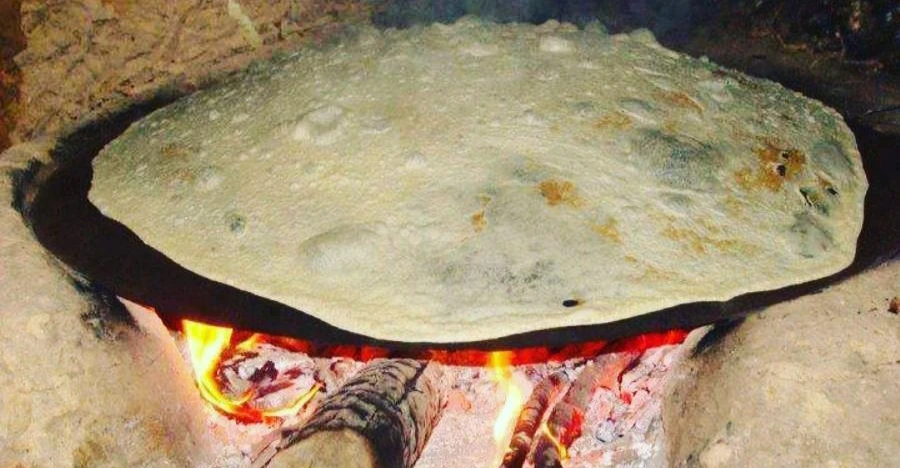
In Iran's western Ilam province, traditional saj bread, known in Feyli Kurdish as nan saji, is more than a daily staple, representing a cultural tradition passed down through generations and a source of income for women who have kept the craft alive.
That livelihood came under pressure after an Iranian government decision limited subsidized flour to four major bread varieties —barbari, taftoon, lavash, and sangak. The move raised concerns about the future of small saj bread producers in Ilam, particularly those run by women supporting their families and people on low incomes.
After assessing the economic impact, local authorities restored subsidized flour allocations to around 64 saj bread production units in the province, helping them resume operations and easing financial pressure on their workers.
According to Iran's Fars News Agency, Asghar Babakhani, director-general of Ilam's Grain and Commercial Services Company, said each production unit receives an average of 30 to 35 bags of flour per month. Distribution has resumed under existing procedures, while saj bread prices remain unchanged from last year.
A Tradition Beyond the Table
Anthropologist and intangible cultural heritage specialist Mohebbi warned that a decline in traditional breadmakers or economic difficulties could gradually lead to the loss of skills passed down through generations. Protecting those who practice the craft, he explained, is essential to preserving it.
The Fars report also highlighted the importance of documenting traditional preparation methods, teaching young people how to make the bread, and promoting it at cultural festivals, heritage markets, and tourism events to preserve its place in Ilam's culinary identity.