Iraqi caretaker PM: Baghdad works to host US–Iran talks


Shafaq News – Baghdad
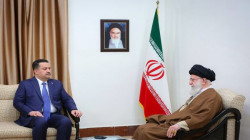
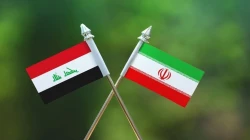
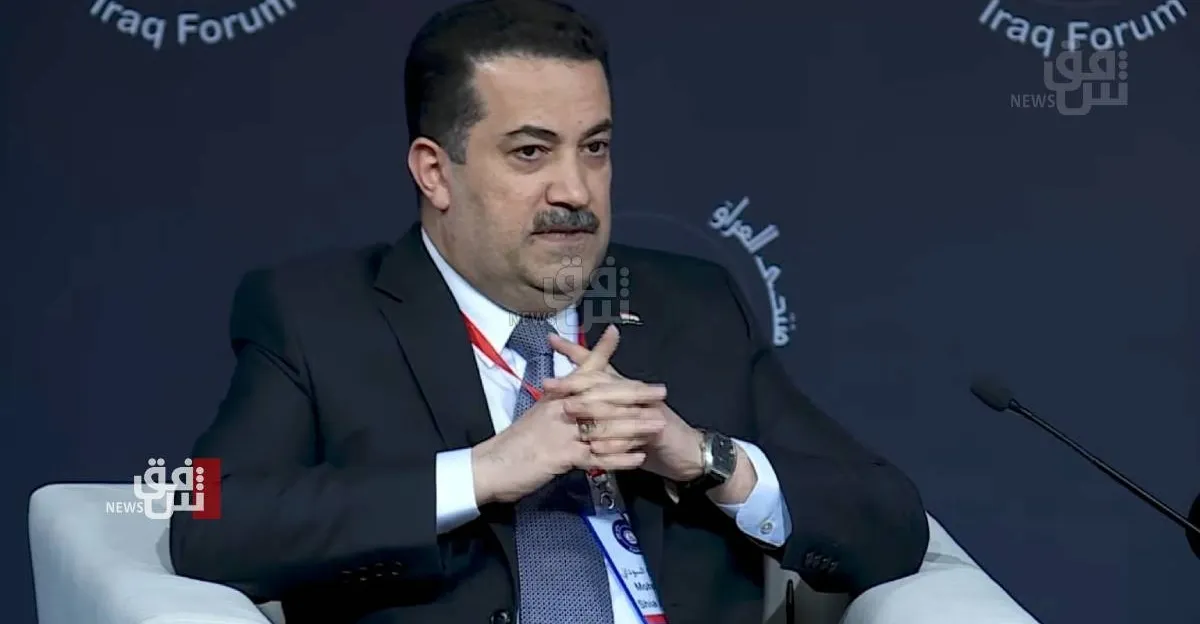
Caretaker Iraqi Prime Minister Mohammed Shia Al-Sudani said Iraq is working to arrange direct talks between the United States and Iran in Baghdad, citing Iraq’s balanced relations with both sides, during a televised interview with Al-Mayadeen TV.
Iran and the United States
Al-Sudani said Iraq’s relationship with Iran is built on “solid foundations,” pointing to shared religious, cultural, and social ties, as well as Tehran’s support for Iraq during the war against ISIS. He said he has not observed “any form of guardianship, interference, or influence” by Iran in Iraq’s internal affairs, adding that bilateral relations continue within a positive framework.
Read more: Iran shifts strategy in Iraq: From hard power to political integration
On ties with the United States, Al-Sudani described the relationship as having a special status, calling Washington a strategic partner that played a role in toppling Iraq’s former dictatorship in 2003 and later supported Baghdad in confronting ISIS through the US-led Global Coalition.
He said his government has worked to organize relations with the United States in both security and economic domains, particularly to benefit from US companies and advanced technologies, pointing out that the Strategic Framework Agreement signed between Baghdad and Washington is not limited to military or security cooperation, but includes broad political, economic, educational, and cultural areas.
“Iraq’s balanced relations with both Iran and the United States give it leverage to act as a mediator…Baghdad continues efforts to arrange direct talks between the two sides in the Iraqi capital,” Al-Sudani revealed, adding that US officials had expressed acceptance of holding dialogue with Iran in Baghdad, and that this was discussed during the visit of US Envoy Tom Barrack to Iraq while he was traveling to Syria. Iran, according to Al-Sudani, also agreed to engage in serious talks without dictates or threats, a position he described as logical.
The Iraqi PM said that Iraq advised the US side to adopt “a respectful” approach toward Iran and to avoid threats, arguing that negotiations “require trust and cannot proceed under military pressure.” Iraq has also called for lifting economic sanctions on Iran as a goodwill gesture to help revive negotiations between Tehran and Washington.
Read more: The US exits Iraq: A withdrawal heralds a sovereign future
Government Formation and a Second Term
On domestic politics, Al-Sudani said most forces within the Coordination Framework—a coalition of mainly Shiite political blocs—are keen to form a strong government capable of confronting future challenges. He acknowledged that political forces remain deadlocked over selecting a prime minister, noting that no final decision has yet been made.
He said his bloc, the Development and Reconstruction (Al-Ima’ar Wal Tanmiya), which is a core component of the Framework, put forward an initiative to break the stalemate. The initiative, he explained, is based on consensus in choosing the prime minister and on setting clear criteria, including public trust, proven executive experience, and a clear program to address challenges facing the country.
“National acceptability is a fundamental condition for nominating a prime minister-designate. The prime minister is for all Iraqis.”
On speculation about a second term, Al-Sudani clarified it is “not a personal ambition,” but rather an expression of readiness to assume responsibility and complete a project his government has already begun.
Read more: Iraq begins 90-day countdown to form government as political fault lines re-emerge
Weapons and Foreign Forces in Iraq
Al-Sudani considered that there is no longer any justification for the presence of foreign troops in Iraq, noting that the Iraqi constitution stipulates that weapons must be restricted to state security forces.
He said Iraqi forces will take full control of Ain Al-Asad Air Base within days, with a second phase involving Harir Air Base in the Kurdistan Region.
A series of parliamentary and government decisions after the territorial defeat of ISIS in 2017, including a 2020 non-binding parliamentary resolution calling for an end to the presence of foreign forces after the killing of Iranian General Qassem Soleimani and Iraqi Popular Mobilization Forces (PMF) leader Abu Mahdi al-Muhandis in a US strike near Baghdad airport.
Addressing the controversy regarding disarming some factions, he said that limiting arms to the state is “one of the core commitments in the government program,” stressing that the policy of confining weapons to state control was not prompted by pressure from any country or envoy, but is part of the government’s own agenda, “All national parties agree on addressing the issue.”
On the PMF, Al-Sudani said the group played a major role in fighting terrorism alongside other security agencies and is now part of the official security system. “PMF is a legally established body, integrated with the armed forces, operating under the authority of the commander-in-chief, and responsible for security across wide areas of the country.”
Iraq’s Regional and International Relations
Al-Sudani said Iraq maintains firm positions on strategic issues, foremost the Palestinian cause, which he described as enjoying clear official and popular support in Iraq.
He said Iraq’s relations with regional and global partners are based on economic cooperation, reflecting the country’s geopolitical location and its natural and human resources.
“Iraq’s relations with Arab states follow a single, consistent standard without discrimination.”
On Lebanon, Al-Sudani said Iraq’s position in support of the Lebanese people remains firm, revealing that Baghdad has begun procedures to open an Iraqi office in Lebanon to follow up on Iraq’s contribution to reconstruction after the Israeli war, describing the step as reflecting the will of the Iraqi people.
Regarding Syria, Al-Sudani said relations continue based on shared “strategic interests, with ongoing communication and a bilateral security coordination committee still active.”
Iraq, according to the PM, urged Damascus to pursue an inclusive political process that encompasses all components and to issue a clear stance rejecting terrorism, ISIS, and extremism.
“Iraq is committed to Syria’s unity and territorial integrity and sees significant opportunities for economic cooperation, including reviving the Kirkuk–Baniyas oil export pipeline.”
On the security level, Al-Sudani said Baghdad is closely monitoring the situation in Syria amid growing ISIS activity, noting that Iraq continues to carry out joint operations with Syrian authorities to combat drug trafficking inside Syrian territory.
Read more: Kirkuk–Baniyas Pipeline: Iraq’s direct oil lifeline to the Mediterranean