The US exits Iraq: A withdrawal heralds a sovereign future


Shafaq News
The ongoing pullout of US-led Global Coalition forces from Iraq signals a decisive shift in Washington’s military presence and the shape of future ties with Baghdad. The transition marks a pivotal moment that demands careful political consensus to avoid domestic turbulence—particularly with armed factions, or in the event of renewed confrontation between Iran and Israel.
Prior Agreement, Phased Implementation
The process is unfolding according to a previously agreed timetable. Ali Ne'ma al-Bandawi, a member of the Parliament’s Security and Defense Committee, told Shafaq News that the Joint Higher Security Committee—comprising Iraqi, US, and coalition representatives—is overseeing the drawdown in line with a precise schedule.
Al-Bandawi clarified that the withdrawal stems from prior understandings between Baghdad and the coalition and is expected to be completed by 2026. He stressed: “This process is being carried out under a formal agreement—not as a unilateral measure.”
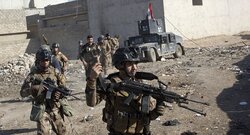
Addressing fears of a repeat of the 2014 security collapse, when ISIS had gained power in neighboring Syria and launched a full-scale invasion of Iraq, al-Bandawi argued that conditions today differ fundamentally, pointing out that the army, police, Popular Mobilization Forces, and tribal groups are jointly safeguarding stability, strengthened by national cohesion and the absence of the support networks that once enabled ISIS to expand.
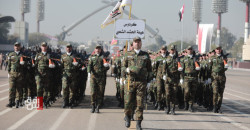
He emphasized that Iraq’s borders, particularly with Syria, are now tightly secured and highlighted that the country fields nearly two million personnel across its security branches—enhancing its capacity to confront both domestic and external threats.
Al-Bandawi further disclosed that Baghdad is pushing ahead with defense contracts, including air defense and ground systems. “The most urgent need now is technical and logistical equipment to boost the armed forces’ readiness,” he said.
Strategic Dilemmas and Regional Balances
Security analyst Ahmad al-Sharifi told Shafaq News that the coalition’s departure opens the way for redefining US-Iraqi relations through the activation of the Strategic Framework Agreement and wider cooperation.
He cautioned, however, that this requires broad political consensus. Objections from the Coordination Framework or affiliated armed groups—particularly the PMF—could generate political and security turmoil.
According to al-Sharifi, Baghdad faces a dilemma: either maintain international commitments and continue cooperation with Washington, or bow to factions opposed to any partnership with the US.
Clarifying these factions’ stance in advance could have averted future crises, he argued, but entrenched positions and resistance to disarmament may still drag Iraq into a standoff.
Al-Sharifi warned that Iraq remains a frontline arena in the US-Iran rivalry. If conflict between Iran and Israel escalated, Iraqi factions might intervene—exposing themselves to US or Israeli airstrikes and potentially plunging Iraq into acute crisis.
“These groups view any threat to Iran as a direct threat to themselves,” he said, noting their political and military alignment with Tehran makes government restraint nearly impossible.
He also dismissed speculation that Washington would impose sweeping sanctions on Iraq in such a scenario, clarifying that any penalties would likely target individuals or groups rather than the Iraqi state.
Citing the 12-day Iran-Israel conflict, al-Sharifi said Baghdad had mediated an unofficial understanding under which Tehran and Iraqi factions refrained from intervention to protect Iraqi stability and the government, then supported by the Tehran-aligned Coordination Framework. Still, he warned that another confrontation might exceed Baghdad’s ability to contain events: “In such a case, Prime Minister Mohammed Shia al-Sudani may be unable to prevent factions from acting independently, since decisions would be dictated by regional balances rather than the government’s authority.”
Sovereign Victory, Strategic Gains for the “Resistance”
From a different angle, Hussein al-Kinani, head of the Al-Hadaf Center for Studies, described the US withdrawal as a landmark victory for Iraqi sovereignty—if it proceeds as publicly announced.
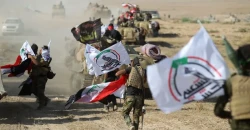
He argued that the step was a direct product of persistent political and grassroots pressure by the so-called Axis of Resistance, which pressed negotiators to fix a definitive timeline for ending the foreign military presence.
Speaking to Shafaq News, al-Kinani portrayed the US military footprint as a threat to national sovereignty and interference in Iraq’s internal affairs, accusing some actors of inflating security risks and evoking sleeper-cell threats to discredit the withdrawal decision.
“Iraq’s security forces can confront emerging challenges..the departure of US troops would strengthen Iraq’s sovereignty and long-term stability.”
Dual Meanings
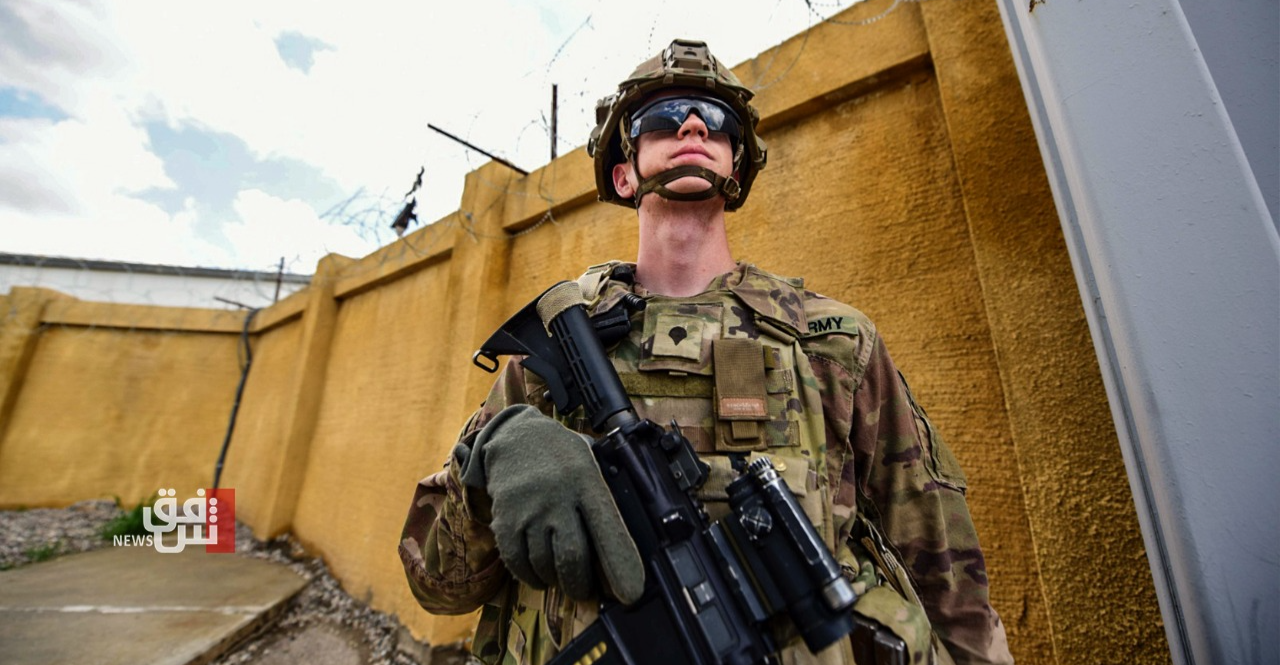
A government source previously told Shafaq News that Iraq and coalition states, led by the US, agreed on a roadmap to conclude operations by September 2026. Under that plan, troops would withdraw from Ain al-Asad base and Baghdad by late September 2025, with some redeployed to Erbil and Kuwait. Personnel numbers are projected to shrink from roughly 2,000 to fewer than 500, concentrated in Erbil.
The US Embassy in Baghdad confirmed that the coalition would transition from combat operations to a conventional security and civil partnership with Iraq—part of a broader recalibration of bilateral ties.
Whether Iraq navigates this transition as a moment of consolidation or slides into a new crisis will depend on its ability to balance domestic consensus, and the recalibration of relations with Washington and Tehran.
Written and edited by Shafaq News staff.