Water treatment plants at risk in Iraq’s Babil as Euphrates shrinks


Shafaq News – Babil
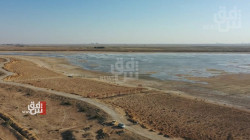
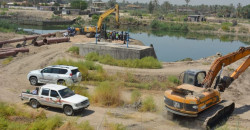
Water levels in the al-Hilla River have dropped to a “dangerous” low, the Babil Water Directorate warned on Friday, saying the decline threatens the operation of key water treatment plants that depend on this branch of the Euphrates.
In a statement, the Water Directorate reported that raw water levels have visibly dropped, exposing intake structures that were submerged last year. It urged residents to reduce consumption until conditions stabilize.
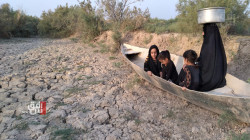
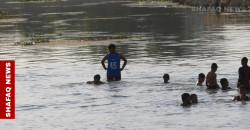
Earlier this year, the Euphrates nearly dried up in al-Kifl district, shrinking to a narrow stream that pedestrians crossed on foot, wiping out farmland and forcing the shutdown of Al-Mahawil—one of Babil’s largest water projects. In the Al-Shomali subdistrict, flow from the Shatt al-Hilla has plunged from 150 to under 60 cubic meters per second, cutting off access to surrounding villages and displacing families.
Read more: Running on empty: Babil residents flee parched villages
Across Iraq, the water crisis is escalating as the Tigris and Euphrates—sources of nearly all surface water—have lost around 70% of their flow over the past year, with officials drawing from dead storage as reserves near depletion. Authorities attribute the collapse to reduced rainfall, outdated infrastructure, and severe upstream restrictions imposed by Turkiye and Iran, both of which continue to limit Iraq’s water supply.
Read more: Iraq’s southern drought: Policy paralysis and upstream pressures deepen rural collapse
In response, the Ministry of Agriculture has reduced the 2025 cropping plan, banned high-consumption crops like rice and cotton, and pushed alternatives such as drip irrigation to conserve dwindling resources. In Babil, 95% of unauthorized fish farms have been dismantled to divert water toward drinking and farming needs.
Read more: Thirsty for solutions: Water scarcity grips Iraq
Experts caution that without urgent action, the crisis could trigger widespread displacement, worsen soil salinity, and accelerate agricultural collapse, particularly in southern provinces already crippled by drought and mismanagement. Environmental watchdogs, including the Green Iraq Observatory, are pressing for immediate reforms, stricter consumption limits, and tougher enforcement at both national and local levels.