Running on empty: Babil residents flee parched villages


Shafaq News – Babil
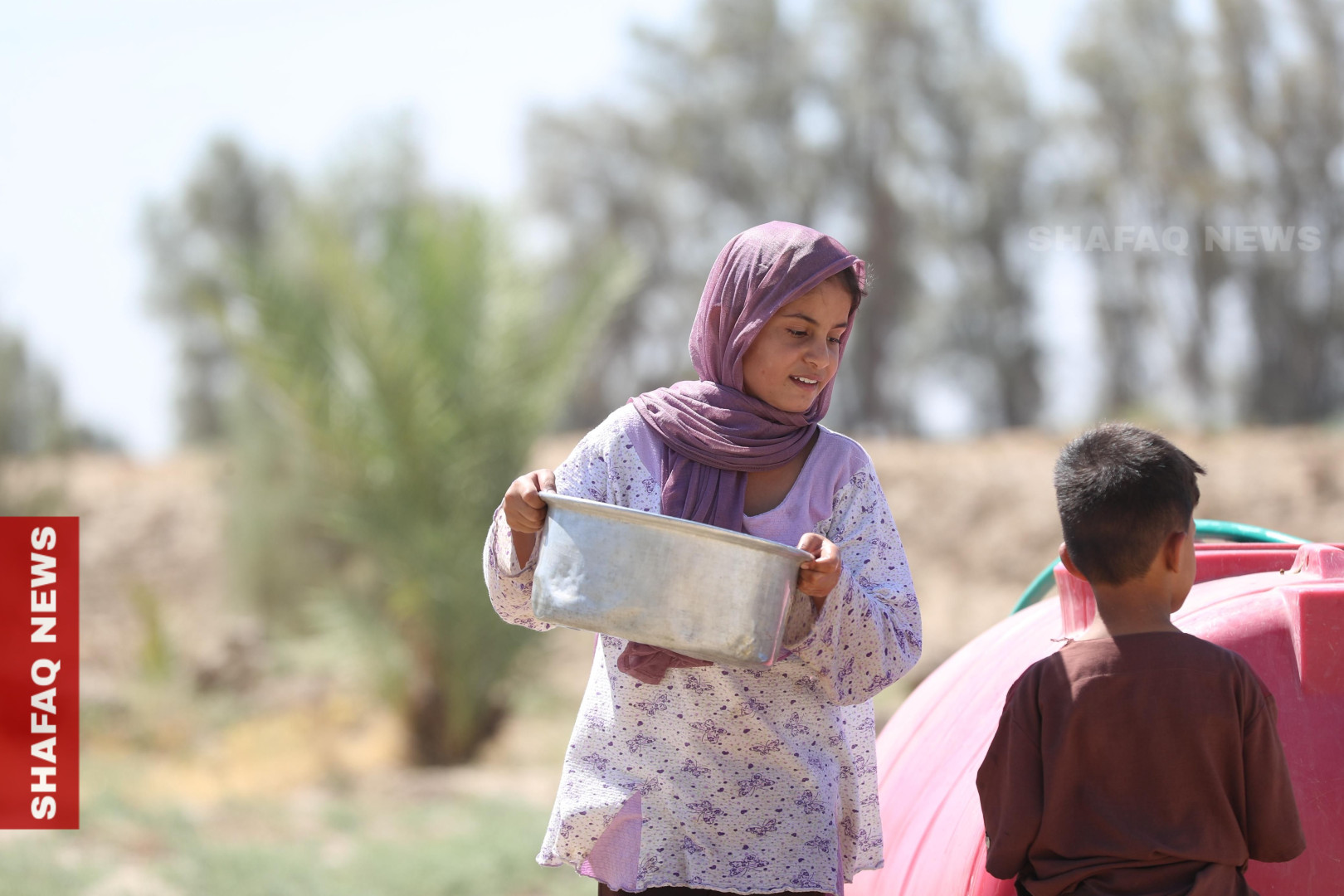
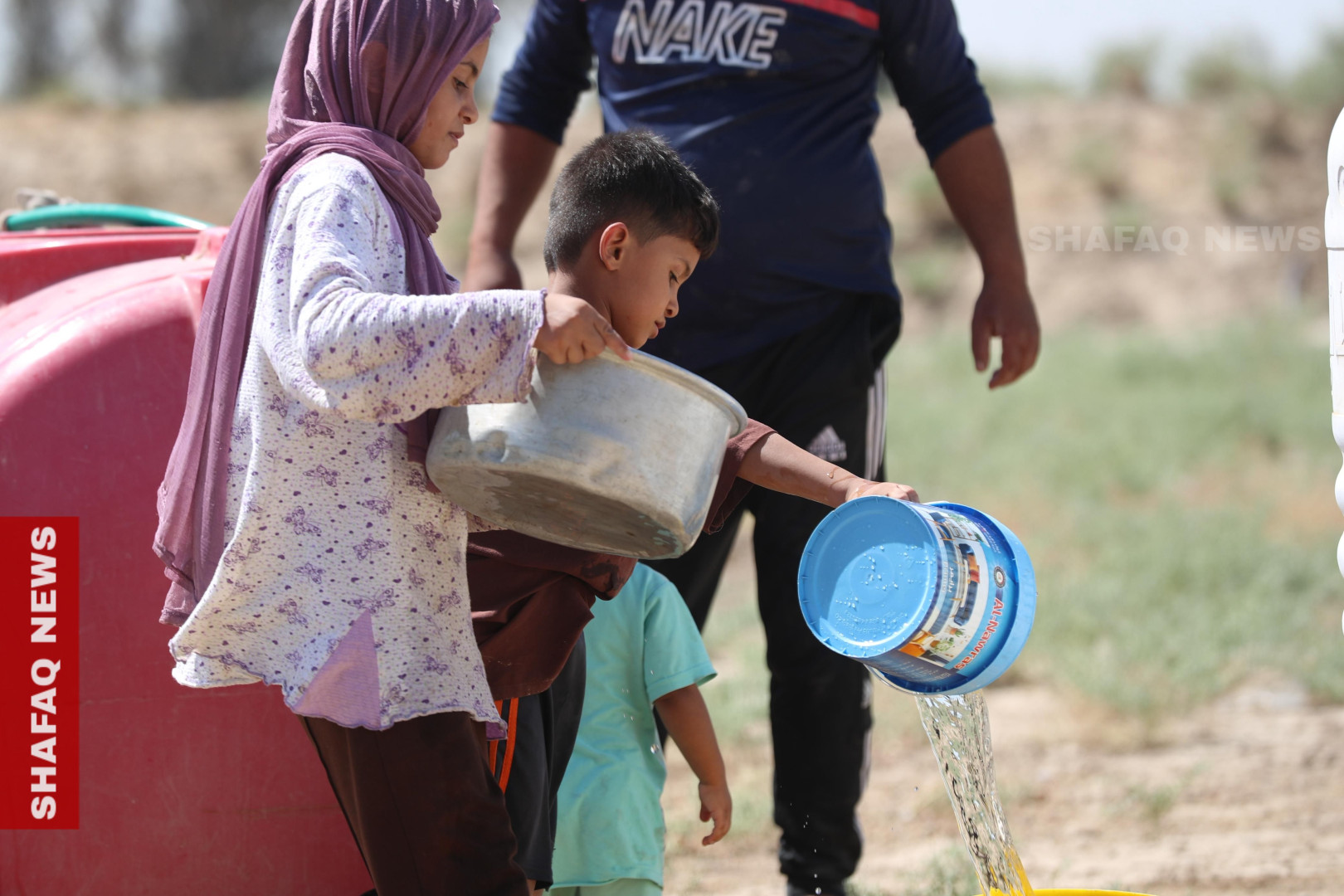
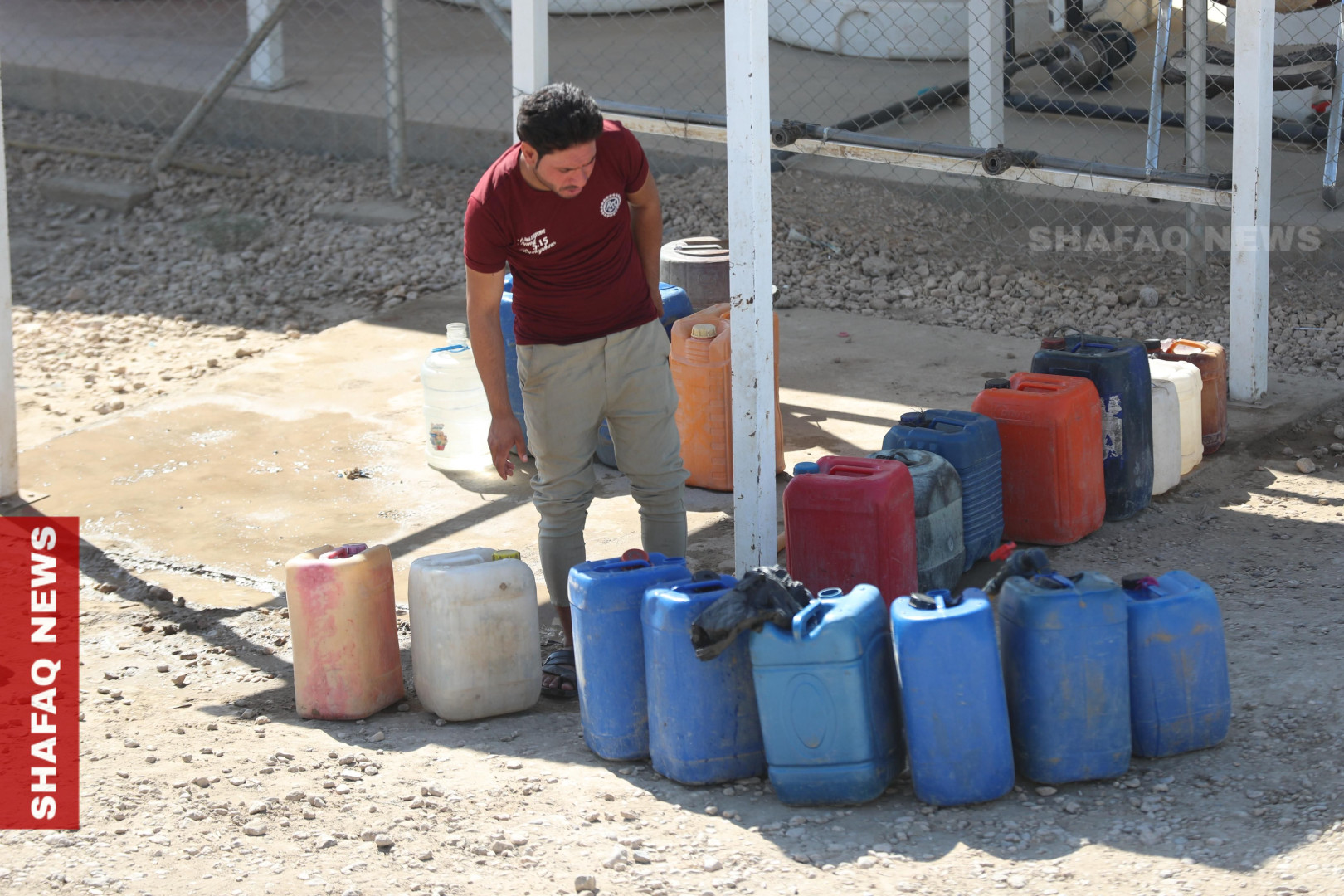
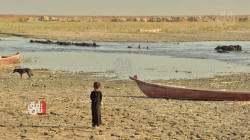
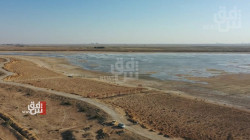
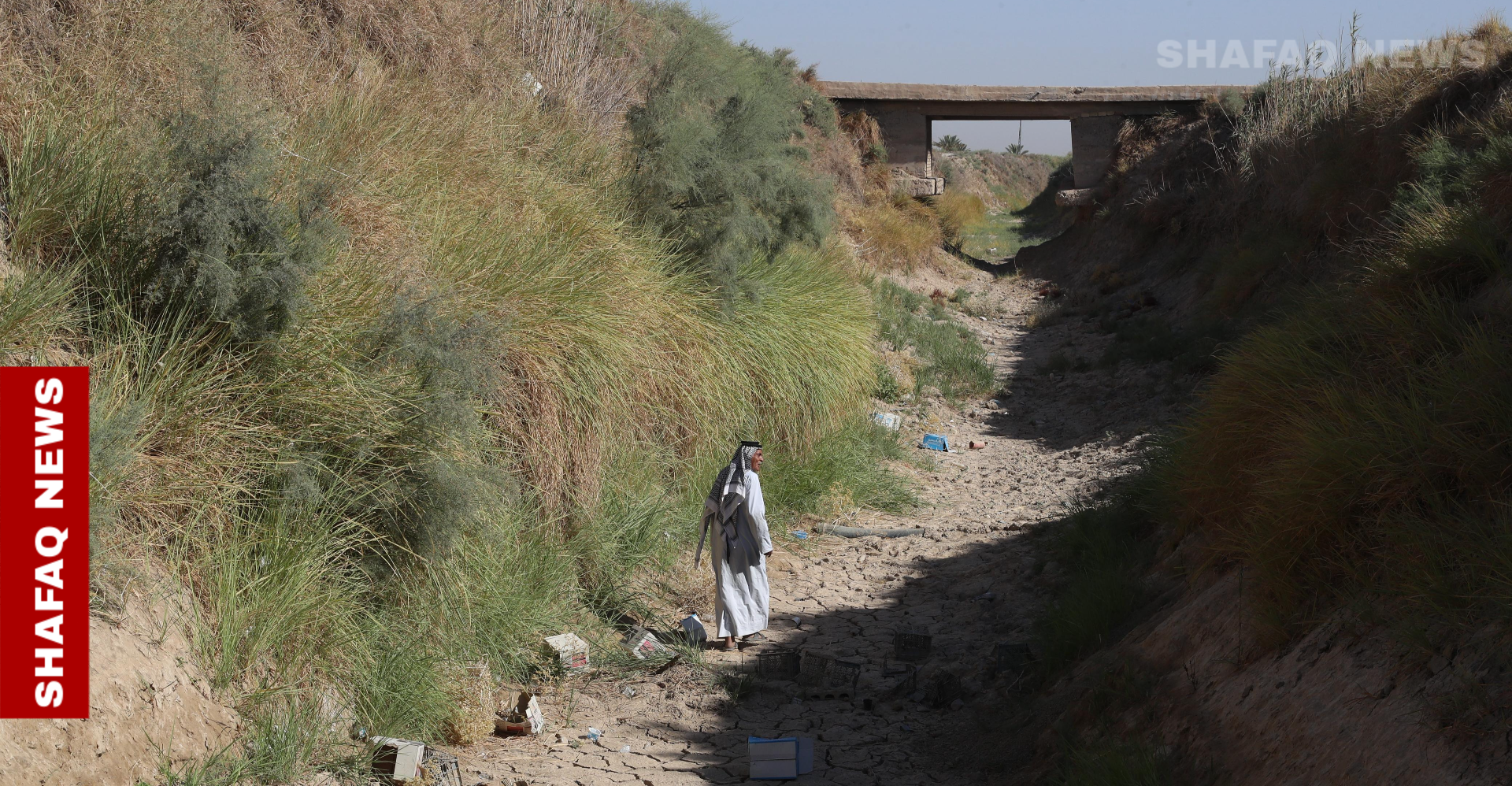
Villages in Al-Shomali subdistrict, south of Iraq’s Babil province, are facing a severe water crisis that has persisted since 2020, forcing dozens of families to leave their homes.
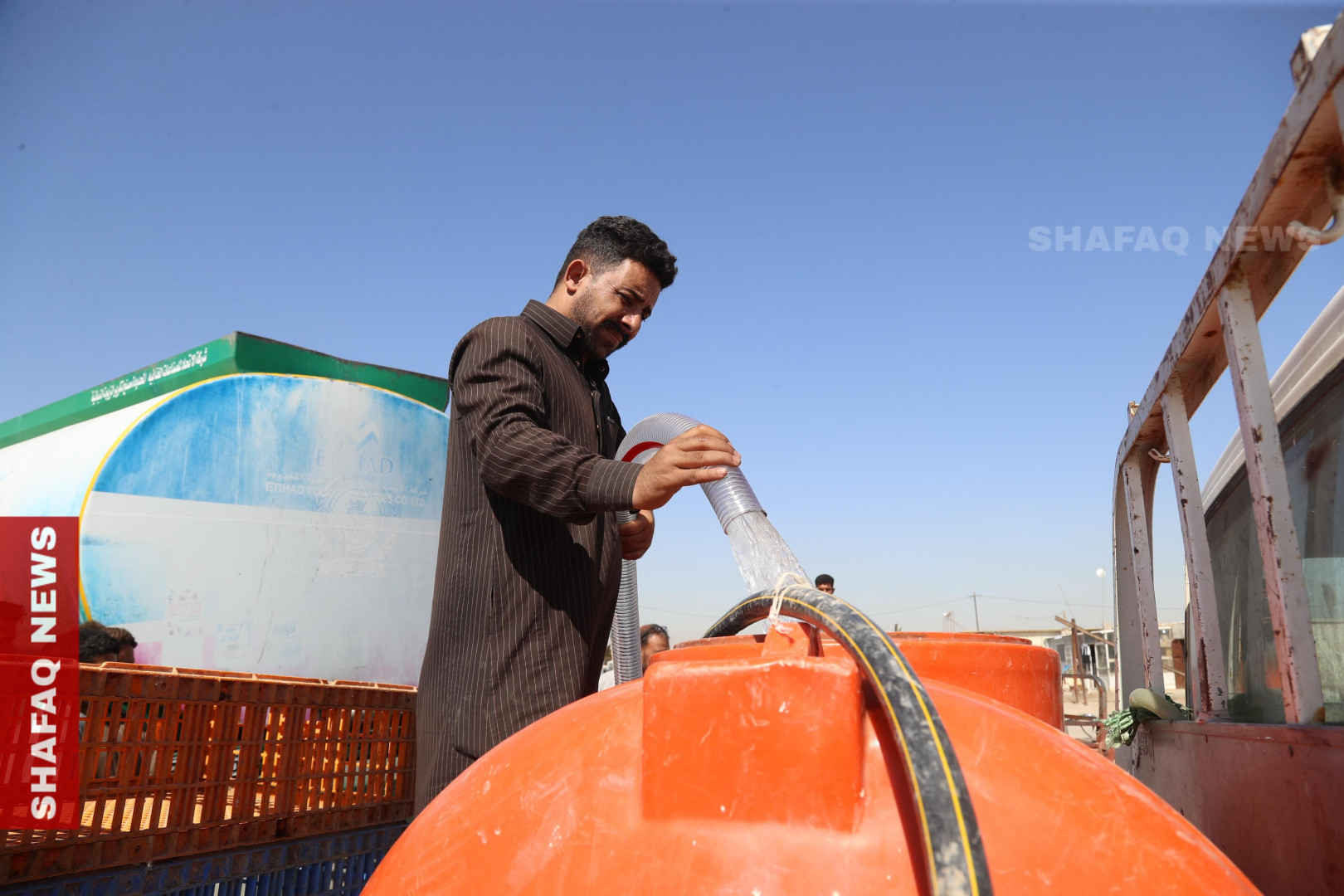
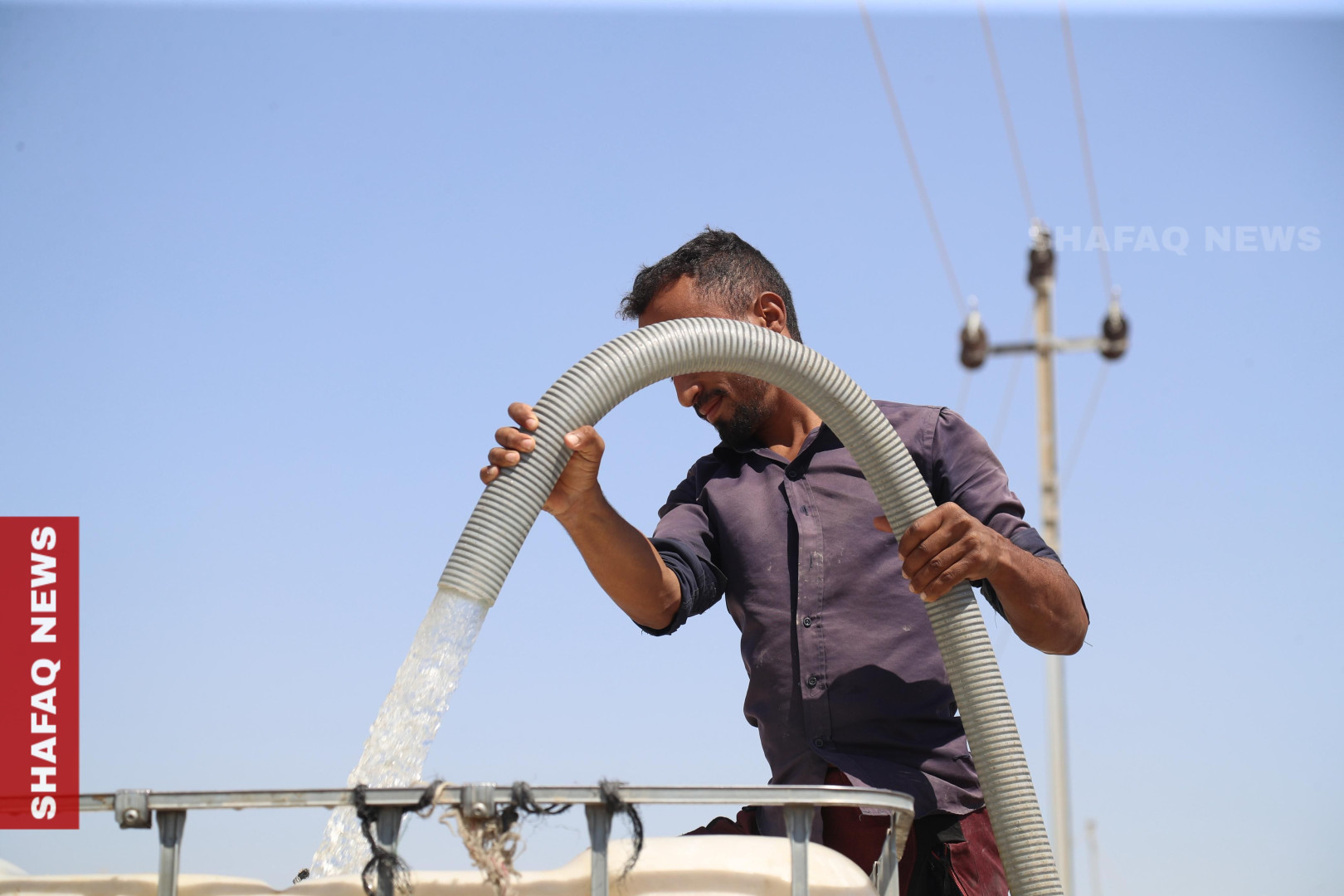
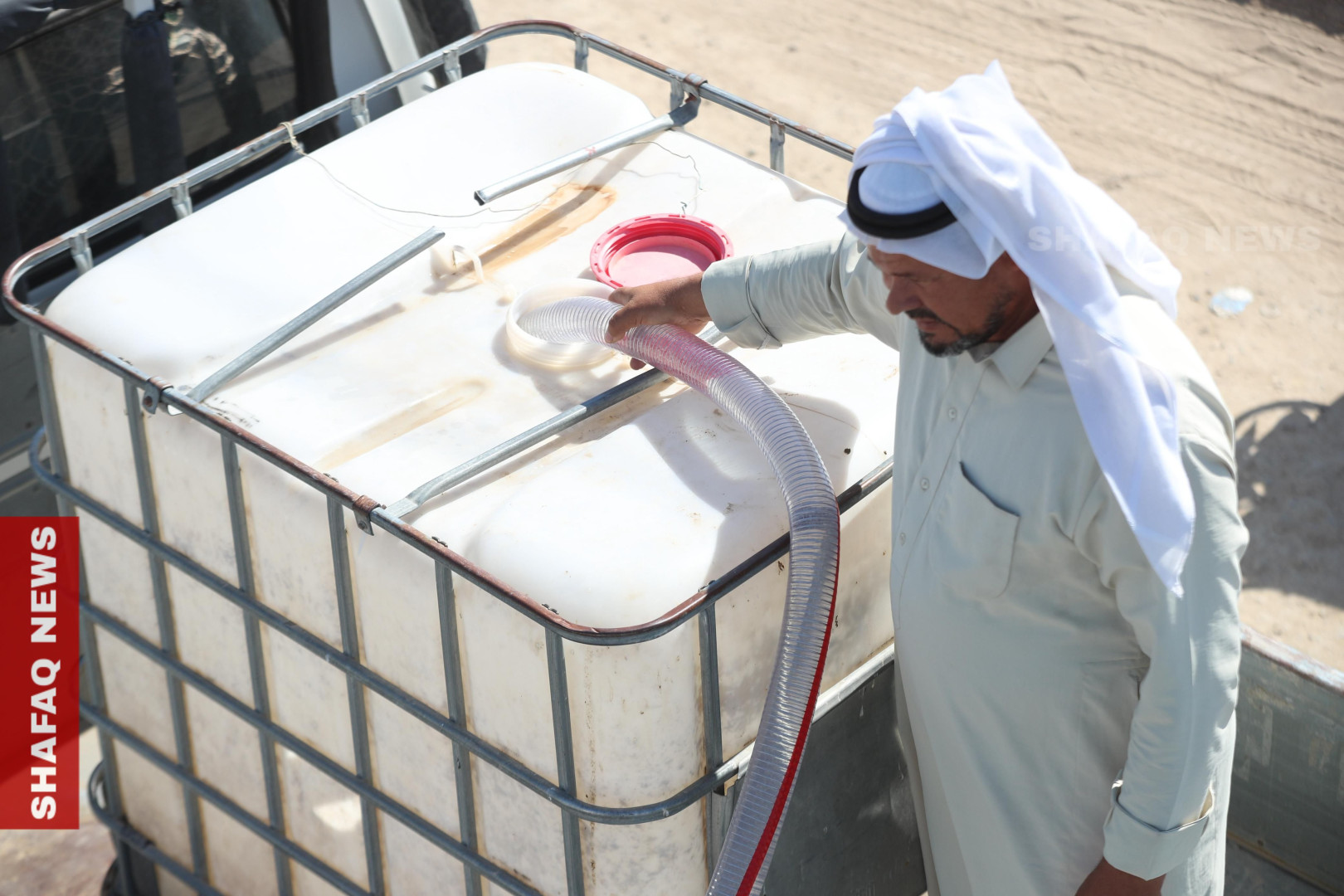
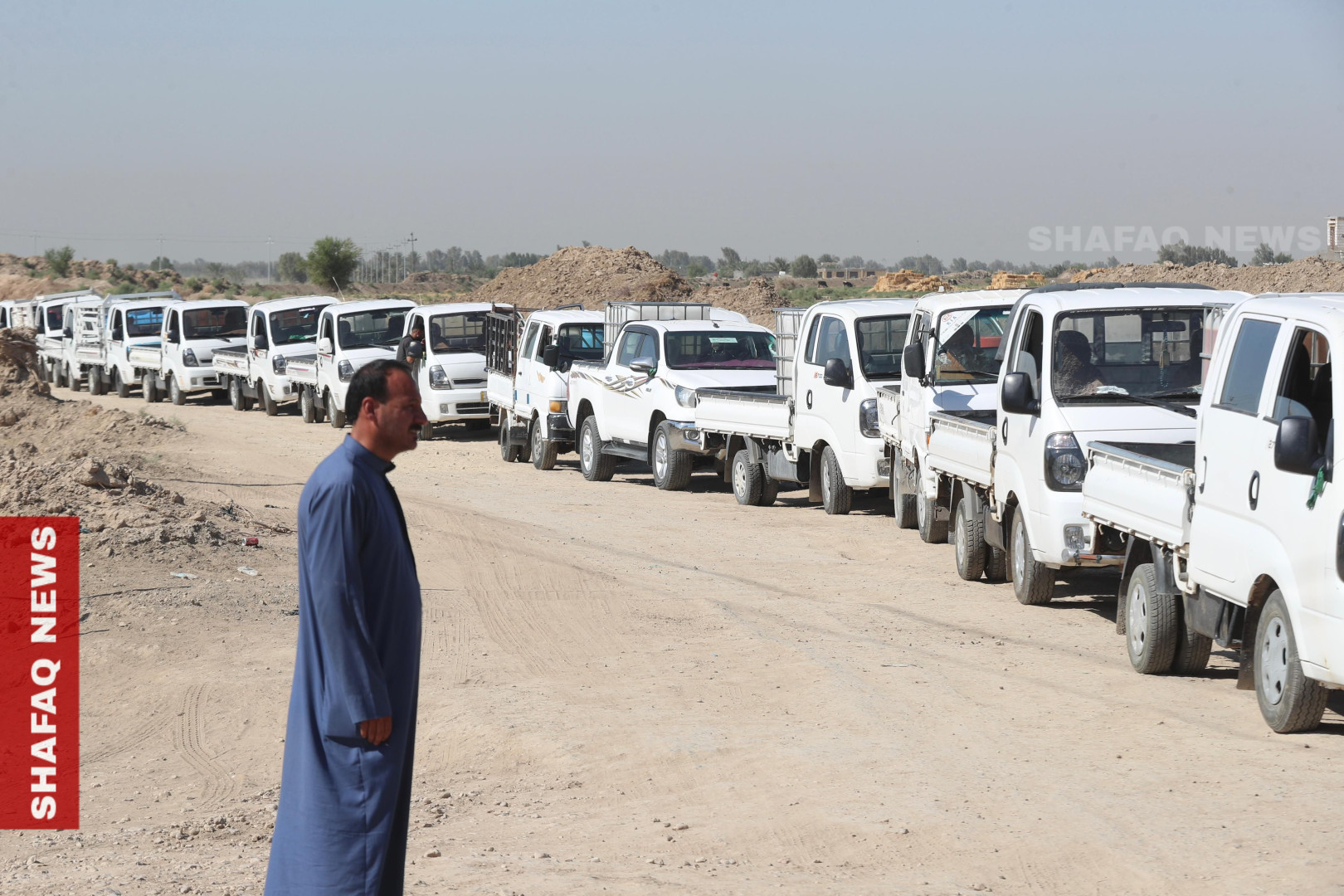
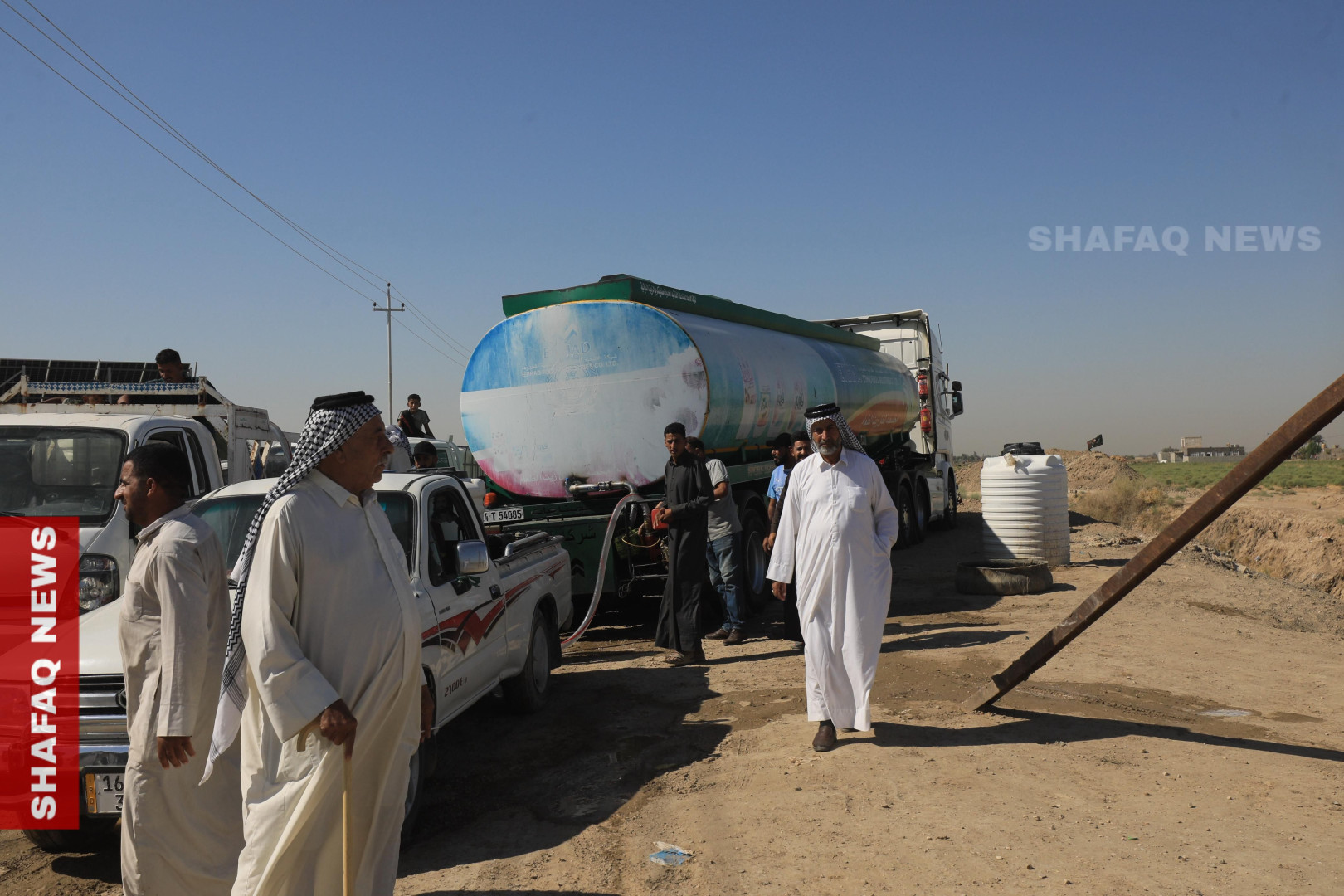
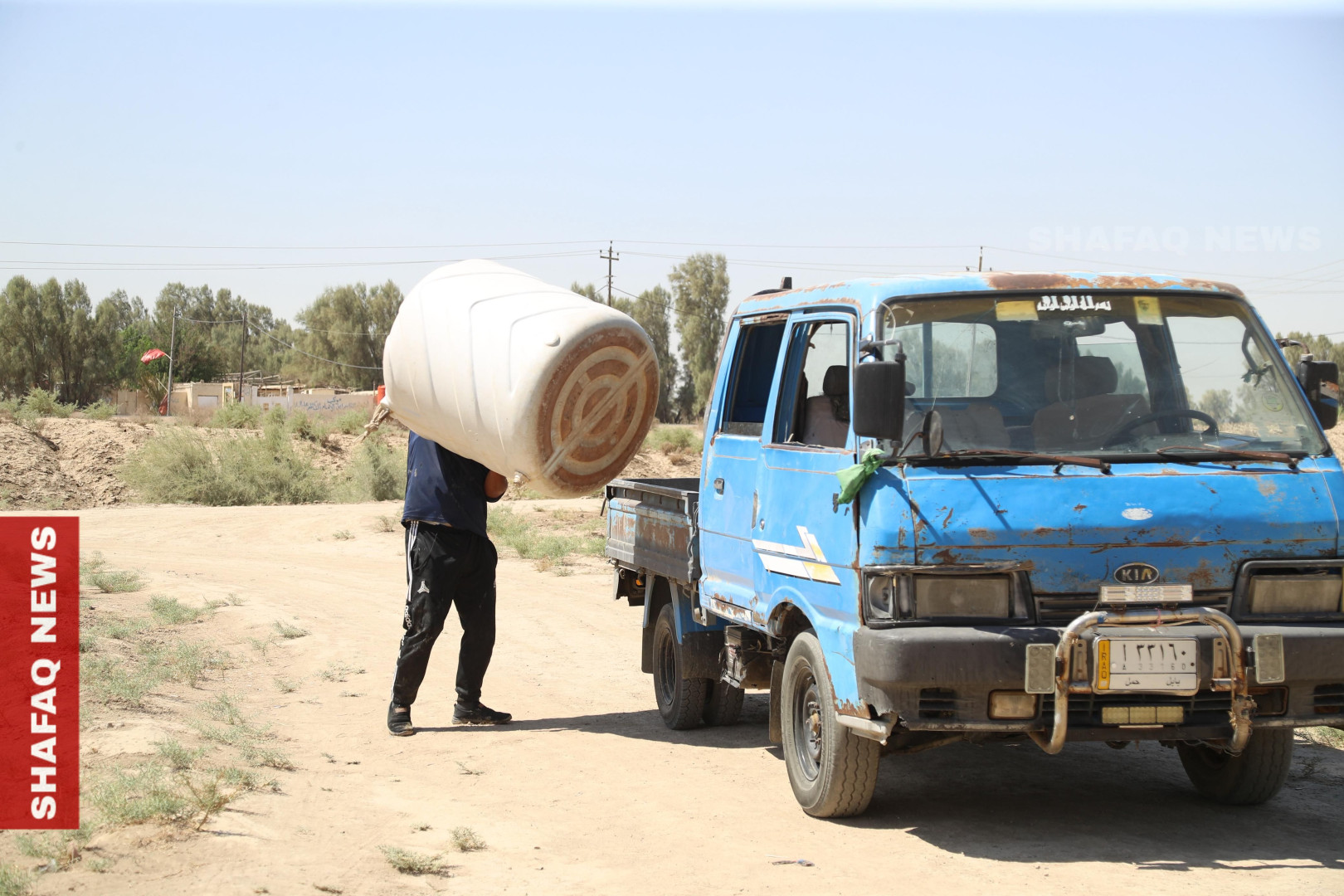
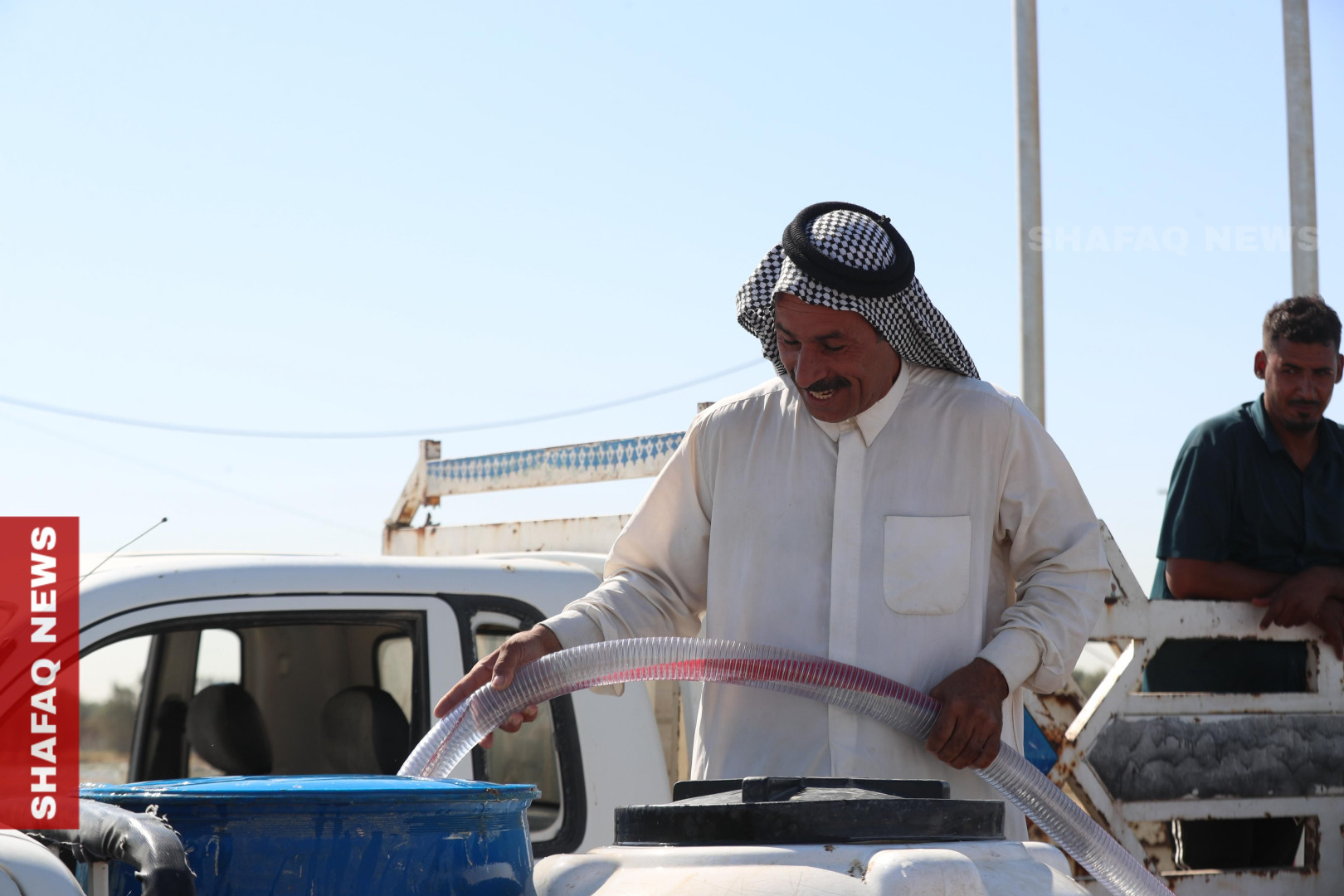
In the village of Hadriyah, residents line up daily with
their vehicles waiting for water tankers provided by donors. These humanitarian
efforts have become the only source of drinking water for families who lost
access to natural supplies.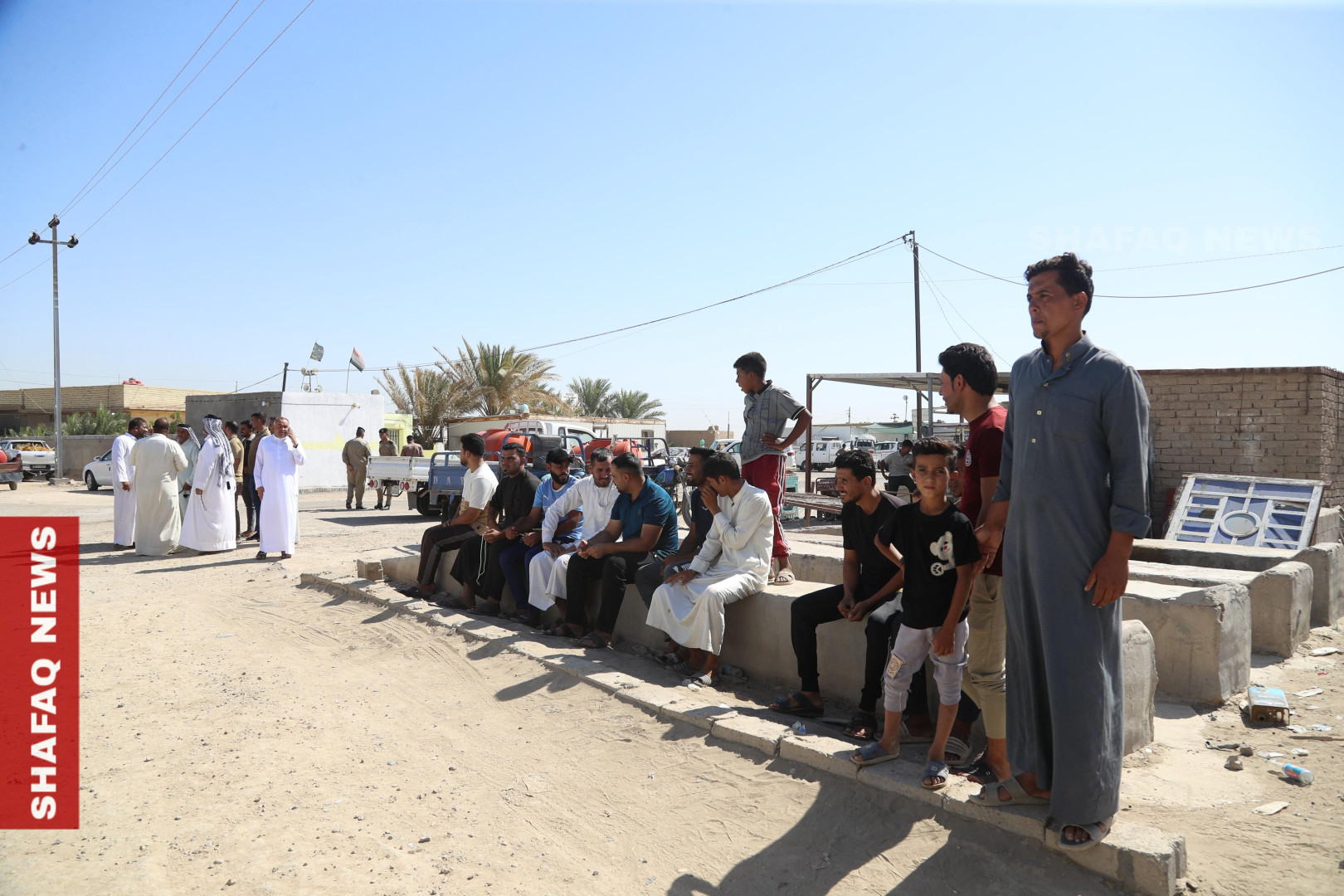
The shortage has not only affected drinking water but has
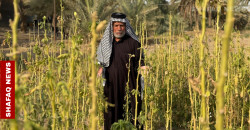
also devastated livestock and agriculture. Al-Shomali subdistrict residents
once relied on raising cattle and cultivating seasonal crops as their main
livelihood, before worsening conditions forced them to abandon their land and
sell their herds.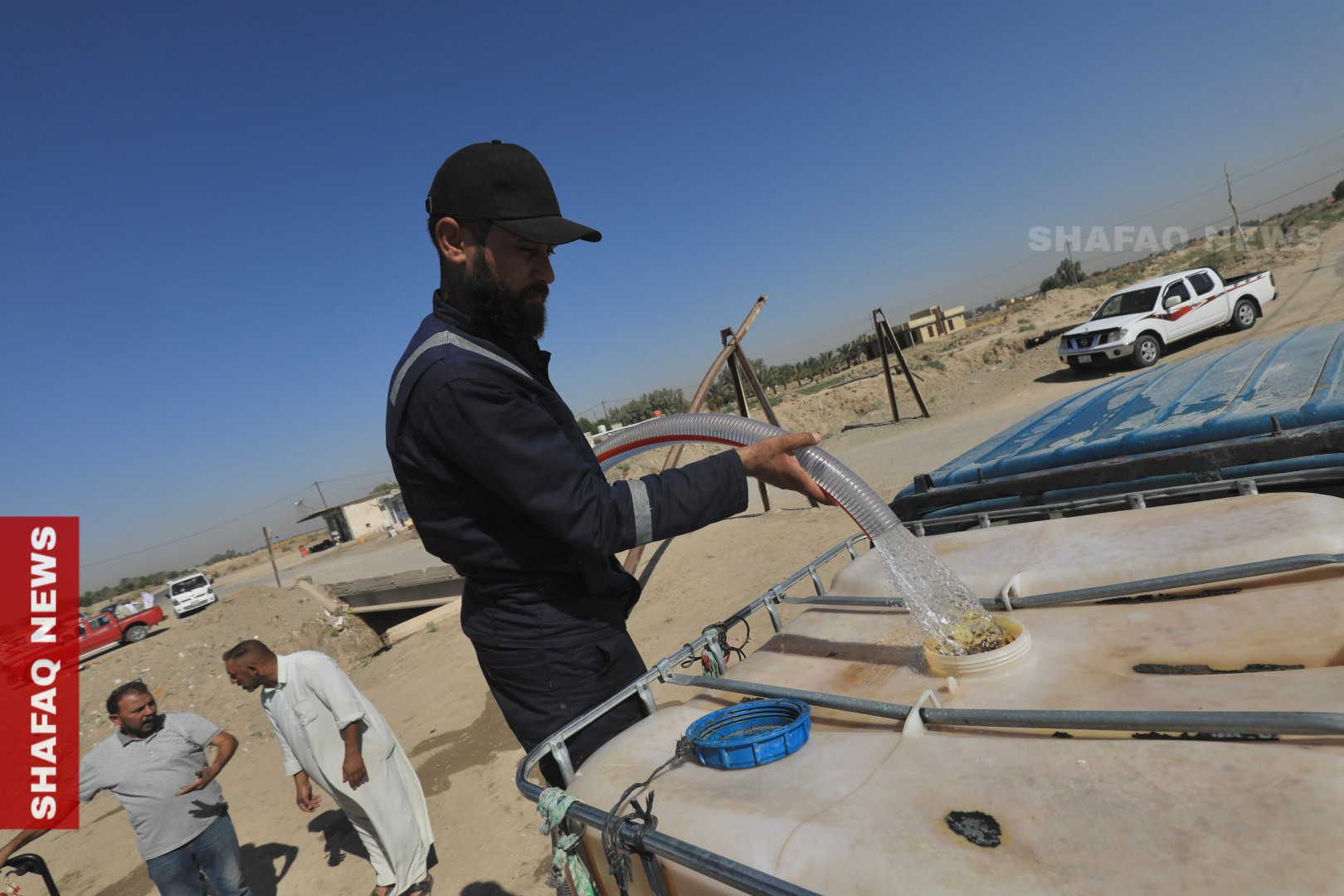
Al-Shomali Mayor Adel al-Khaikani told Shafaq News that
water levels in the Shatt al-Hilla have dropped from 150 cubic meters per
second to less than 60, creating an unprecedented crisis. The province, he added, is coordinating with
ministries and service agencies to find solutions, most notably the 1,000 cubic
meters project designed to secure water for the area, though delayed funding
has so far prevented its completion.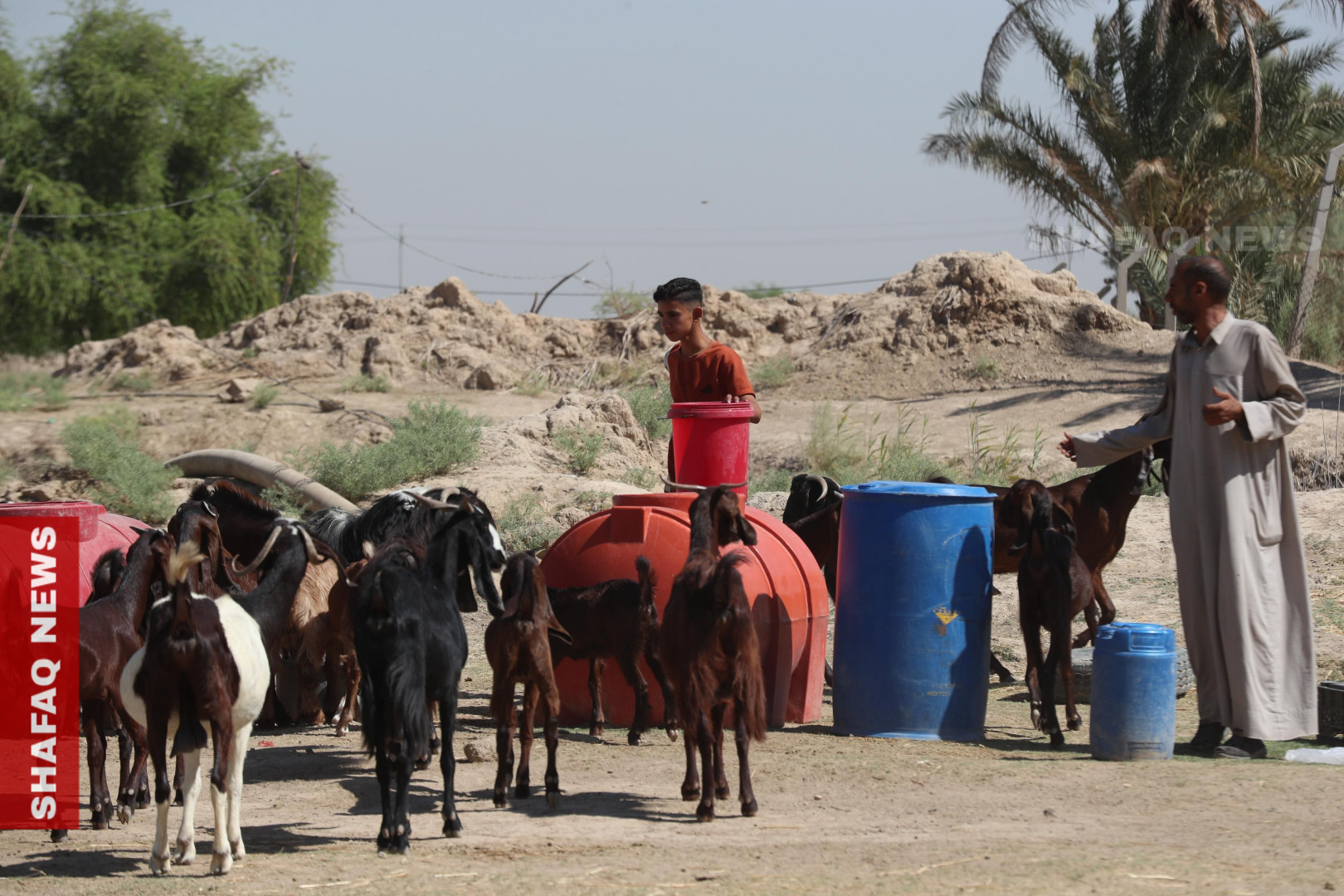
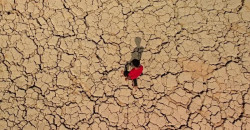
Iraq is experiencing an exceptional water crisis that has dried up many tributaries, vast stretches of the marshes, and other wetlands, in addition to reducing levels in storage dams due to scarce rainfall and reduced water releases from Turkiye. The country endured four droughts in 2017, 2021, 2023, and 2025, with the most recent described by environmental expert Ahmed Saleh as “the harshest in nearly 80 years.”
Read more: Iraq’s water reserves fall below 8 billion cubic meters as shortage deepens
Read more: Iraq’s water crisis deepens: Reserves collapse, mismanagement continues