Iraq risks losing benefit of higher Euphrates flows, watchdog warns


Shafaq News- Baghdad
Iraq may be unable to fully benefit from increased Euphrates flows arriving from Syria because of deteriorating water infrastructure, limited transfer capacity and weak coordination with upstream countries, the Green Iraq Observatory warned on Monday.
The environmental watchdog said sediment buildup and insufficient dredging had reduced the capacity of the Euphrates and its irrigation branches, limiting how much additional water could be moved safely without creating localized flood risks.
Read more: Water lifeline or emerging threat?
It also cited the absence of real-time data sharing and early-warning mechanisms between Iraq, Syria and Turkiye, saying irregular releases could leave Iraqi authorities with little time to adjust storage levels at dams and reservoirs.
The observatory said Iraq also lacks sufficient transfer canals to redirect surplus freshwater quickly to areas that need it, particularly the southern marshes.
It warned against diverting freshwater indiscriminately into basins at risk of salinity, including parts of Lake Tharthar, saying this could reduce its value for drinking and agriculture.
The group also blamed fragmented local management and illegal encroachments along waterways for slowing the distribution of water to areas facing shortages.
Read more: Reserves collapse, mismanagement continues
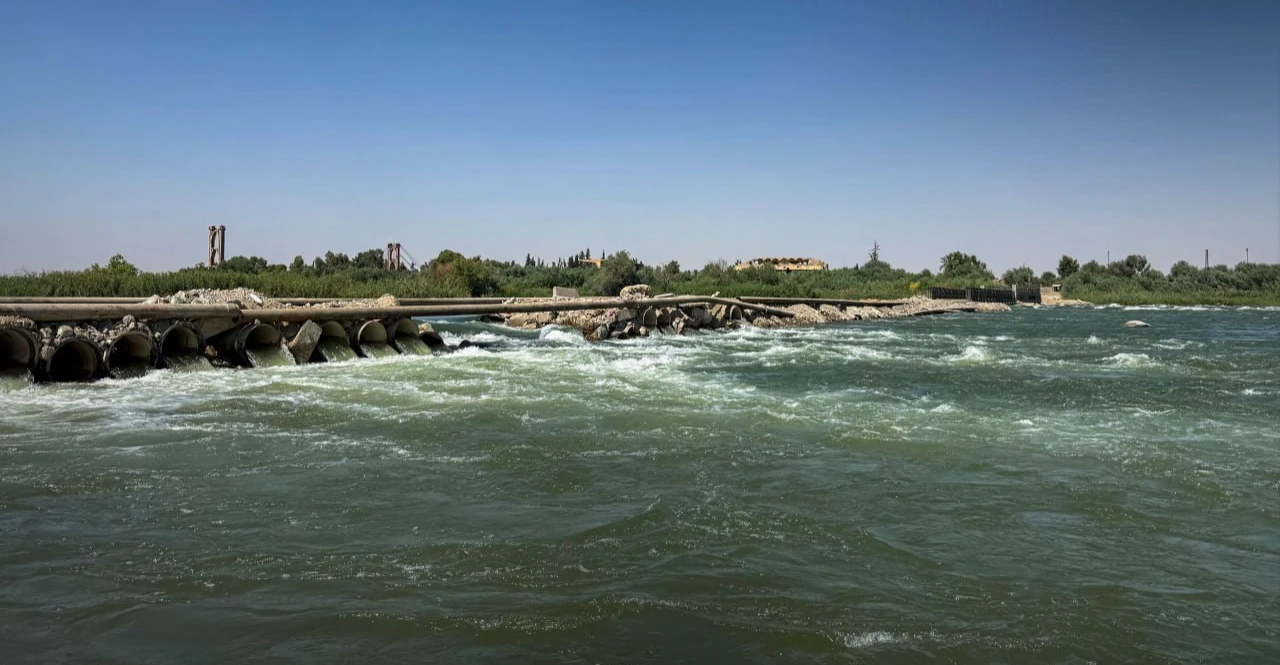
Higher Euphrates flows from Syria reached Iraq over the weekend. Al-Anbar Water Directorate chief Mahmoud Salem told Shafaq News on Sunday that levels were expected to rise further but said the situation remained under control and there was no immediate flood risk.
Syria earlier increased releases after inflows from Turkiye exceeded 1,200 cubic meters per second for several days, prompting warnings to residents along the Euphrates in Raqqa and Deir Ez-Zor.