Syria battles floods while Iraq fills reservoirs


Shafaq News
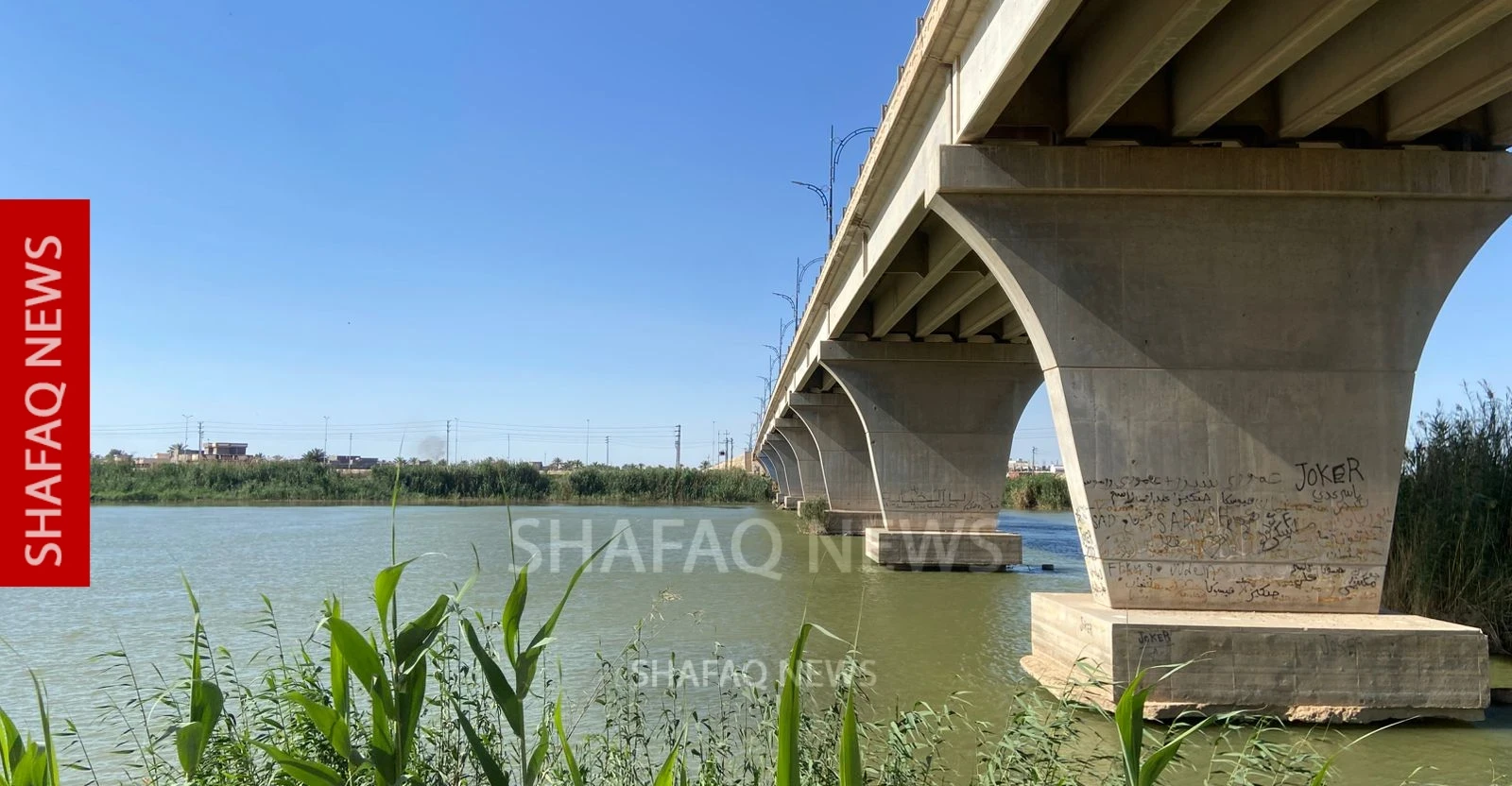
After years of drought described as the worst in more than nine decades, the Euphrates River is bringing Iraq something it has not seen in a long time: an abundance of water.
With around 70% of Iraq’s surface water originating outside its borders, according to the Ministry of Water Resources, the country once again finds itself at the mercy of shifts beyond its control —this time not because of scarcity alone, but because of a sudden influx moving downstream.
Reversing the Drain
“Iraq possesses irrigation systems capable of absorbing any volume of water arriving through the Euphrates without causing floods.”
This assessment from Turhan al-Mufti, adviser to the Iraqi prime minister on water affairs, reflects cautious confidence in Baghdad as the incoming wave approaches. He pointed to an extensive storage network that includes Lake Haditha, which still has considerable unused capacity, alongside Habbaniyah and Razzaza, with additional diversion possible toward Tharthar Depression and the southern marshes.
Calling it “a wet year, not a flood year,” al-Mufti portrayed Iraq’s ability to cope in simple terms; “any quantity of water, regardless of how large.” The additional volumes, he added, could help revive marsh ecosystems that have endured years of decline.
The optimism follows a prolonged period of strain. During recent drought years, inflows from the Euphrates dropped by more than 50%, according to the Ministry of Water Resources, forcing major adjustments in farming practices and resource planning across the country.
Still, al-Mufti cautioned that climate change leaves little room for complacency and requires “a measured use” of available supplies.
River levels are only part of the challenge. Iraq’s population has surpassed 46 million, according to 2024 World Bank data, placing ever-greater demands on already strained supplies. International estimates suggest the country may require more than $233 billion by 2040 to restore water and environmental infrastructure, while nearly 30% of agricultural land has disappeared over the past three decades.
In some provinces, agricultural activity has fallen by as much as 50% during severe dry spells, according to the Ministry of Agriculture —a reminder of how quickly changes in river flow can ripple through the wider economy.
As Iraq prepares to capture the incoming water, communities farther upstream have already experienced its destructive side.
Euphrates flood wave approaches Iraq: Water lifeline or emerging threat?
Breaking Point Across
“The water flooded bridges and major facilities, forcing authorities to carry out urgent evacuations using local warning systems.”
That was the reality in eastern Syria, where Ali al-Hamad of the Ministry of Local Administration and Environment described emergency operations stretching across more than 200 kilometers of the Euphrates. Response teams, he recalled, faced “unprecedented challenges.”
Floodwaters swept through Raqqa and Deir ez-Zor before reaching Iraq, inundating farmland and disrupting daily life. Pumping stations stopped operating, while residents in several low-lying areas were forced from their homes.
Sixty water stations went out of service in the Shamiyah and Jazira regions. Key crossings, including al-Mayadeen and al-Asharah bridges, sustained damage, and ferry traffic along the river came to a halt.
Syria’s Deputy Energy Minister Osama Abu Zeid linked the rise in water levels to a combination of snowmelt in the Turkish upstream basin and growing pressure on reservoirs that prompted the opening of dam spillways.
Warning that conditions “could lead to flash floods and dangerous erosion,” he urged residents to stay away from riverbanks, avoid swimming, and suspend all activity near the water.
At the Euphrates Dam Institution, Haitham Bakour reported that operational teams remained on alert and maintained “operational readiness” to regulate releases and safeguard infrastructure.
Although the immediate danger phase was declared over, the damage remained evident. More than 5,000 dunams of farmland were flooded, affecting around 2,400 families.
Counting the Drops
The same flow is now being monitored closely in Iraq, where specialists are tracking both its volume and arrival time.
Water expert Tahseen al-Moussawi noted that releases from Syria “have not exceeded 2,000 cubic meters per second,” attributing part of the destruction in eastern Syria to “encroachments and fragile infrastructure left behind by years of war.”
The wave is expected to enter Iraq through al-Qaim before reaching Haditha Dam within four days. Described by al-Moussawi as “the first line of defense,” the facility can hold more than 10 billion cubic meters, while current reserves stand at roughly 2 billion.
Farther downstream lies an interconnected chain of storage facilities stretching across Habbaniyah, Razzaza, Tharthar, and the southern marshes —enough to accommodate billions of cubic meters. Yet despite that advantage, al-Moussawi argued that water administration continues to suffer from “significant waste and chronic poor planning.”
He estimated that Iraq requires around 20 billion cubic meters of water, while nearly 17 billion cubic meters are expected to arrive from Syria in the coming days.
The developments upstream have also renewed scrutiny of Iraq’s negotiations with neighboring countries. Pointing to the rapid filling of Turkish reservoirs, al-Moussawi argued that the situation “raises questions about the management of Iraq’s negotiating file,” urging renewed implementation of water-sharing arrangements.
Authorities are already focusing on storage. Bayez al-Zarari of parliament’s Agriculture, Water and Marshlands Committee described the response as being handled “in a scientific and carefully planned manner.”
Agricultural releases have been postponed until mid-June to maximize reserves, prioritizing retention over distribution. Monitoring efforts now rely heavily on satellite imagery and international tracking systems.
For al-Zarari, the influx represents a “narrow window, an opportunity to strengthen water security if it is used properly.”
Read more: A century of promises: Iraq’s water diplomacy with Turkiye and Iran
The Great Reset
The Ministry of Water Resources has also sought to reassure the public. The country, it confirmed, “has the full technical capacity to absorb any increase in water releases,” while current indicators, it added, “do not call for concern.”
The contrast with recent years is stark.
Iraq has just emerged from one of its harshest drought periods since 1933. During that stretch, inflows fell to 27% of previous levels and reserves dropped to only 8% of total storage capacity, according to ministry figures.
Climate pressures have intensified that volatility. Average temperatures in Iraq and northeastern Syria have risen by around 1–2°C since the mid-20th century, according to recent World Bank data, while rainfall has declined by roughly 18 millimeters per month in some areas.
Infrastructure damage from years of conflict has further reduced water supply capacity by nearly 40%, forcing reliance on alternative and often less secure sources during periods of scarcity.
As releases from Syrian dams gradually subside, attention is turning to Iraq’s ability to capture and distribute the incoming volumes across a network stretching from Haditha to the southern marshes.
Specialists caution that the challenge lies not in the presence of water, but in its timing and distribution. Mismanagement, they warn, could turn a regional surge into localized flooding rather than a national gain.
For now, the Euphrates is undergoing a rare reversal. After years defined by drought, the river is carrying an unexpected surplus, leaving Iraq and Syria to adapt once again to conditions shaped by climate pressures and decisions made upstream.
Read more: Iraq’s water crisis: A structural rewrite of agricultural governance
Written and edited by Shafaq News staff.