Feyli Kurds in Kirkuk demand government representation amid "marginalization"


Shafaq News- Kirkuk
Feyli Kurds in Kirkuk, a multiethnic province in northern Iraq, are pressing for greater representation in government and administrative positions, arguing that they remain marginalized despite their long-standing presence and contributions to the province.
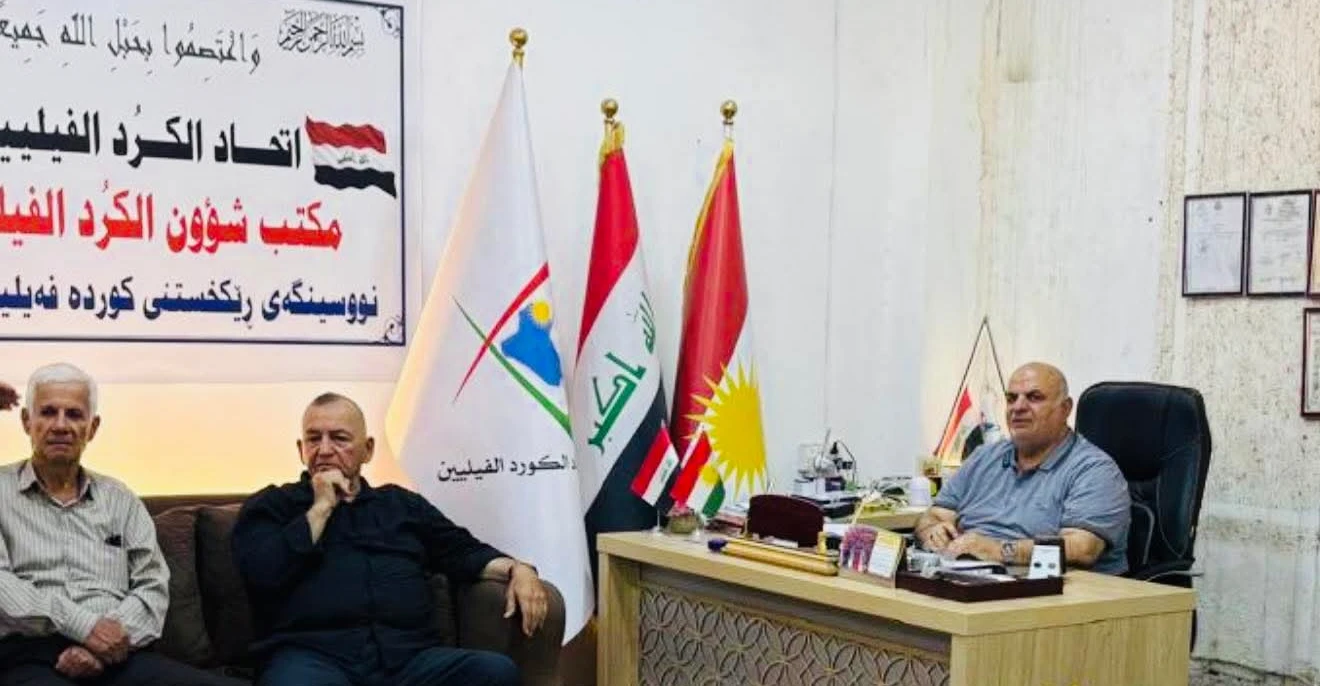
In an interview with Shafaq News, Dawood Asaad Al-Feyli, head of the Feyli Kurds Union in Kirkuk, explained that members of the community are absent from influential positions in local institutions and do not hold senior administrative posts that would enable them to represent their interests within government bodies.
Beyond government appointments, the community is also seeking fair employment opportunities for young people, greater participation by qualified Feyli professionals in state institutions, and measures to preserve its cultural and social identity, he added.
The federal and local governments, the official affirmed, should take serious steps to ensure representation that reflects the community's historical presence, population size, and social and economic role in the province. He cited the North Oil Company and the Kirkuk-Baghdad railway project, saying Feyli Kurds contributed extensively to their construction and operation. "Today, we have no real participation in managing these institutions," he remarked, adding that the community lacks representation even at the level of small administrative divisions.
Hundreds of thousands of Feyli Kurds —a Shiite Kurdish community concentrated in Baghdad and eastern Iraq— have faced compounded challenges, including forced displacement, denationalization, property confiscation, arrests, and systematic killings during the rule of former president Ahmed Hassan al-Bakr in 1970 and 1975, and continuing under Saddam Hussein in 1980.
In November 2010, Iraq's High Criminal Court ruled that the crimes committed against Feyli Kurds, including displacement, disappearances, and the confiscation of rights, constituted genocide. Iraqi authorities later pledged compensation, the restoration of citizenship and property rights, and efforts to locate missing persons, although community representatives say progress has remained limited.
Read more: Feyli Kurds: A “blood-stained” wound still awaiting justice after 46 years