Iraq’s armed factions, state authority, and the battle over disarmament


Shafaq News
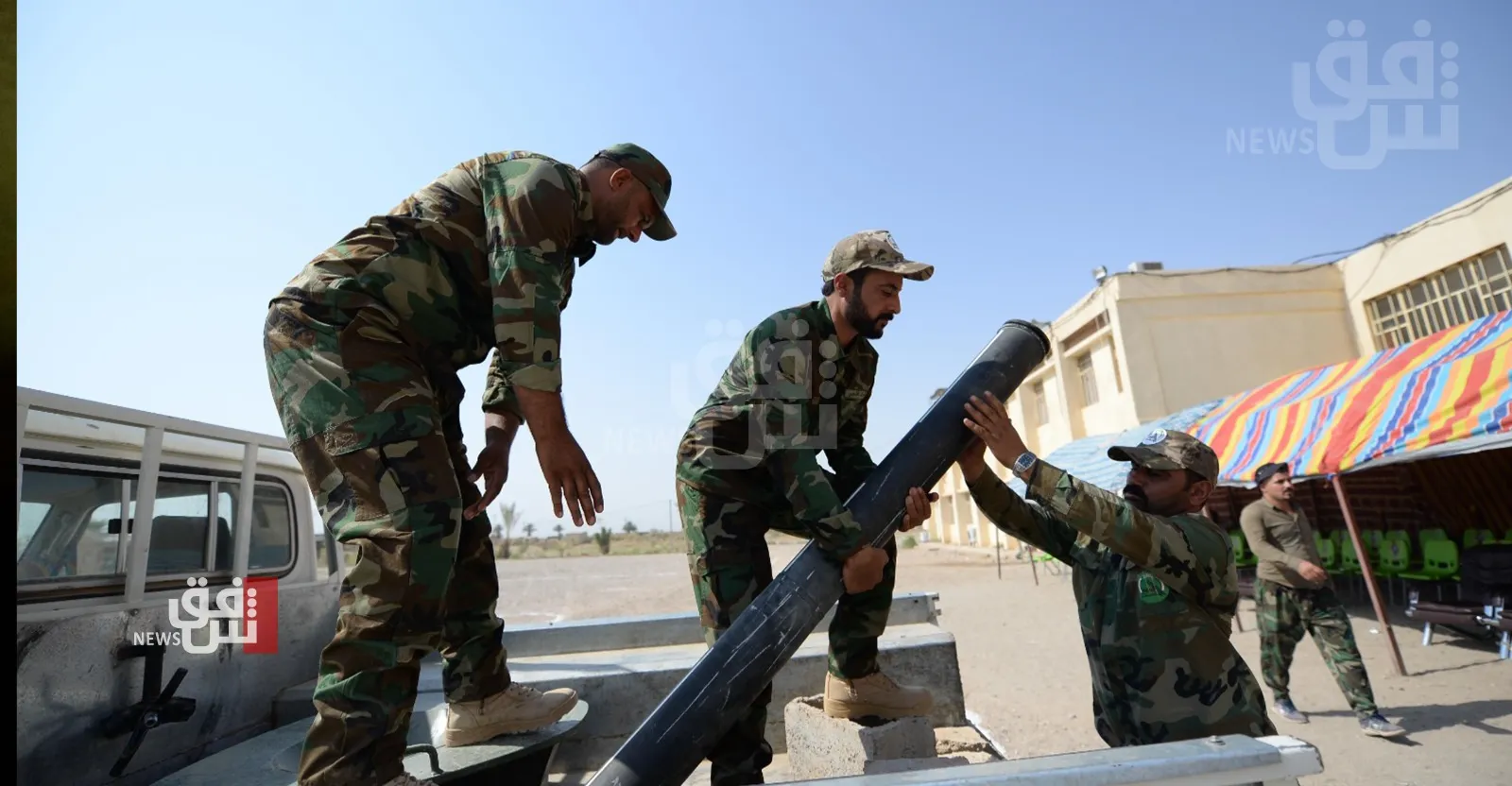
Iraq’s debate over restricting weapons to the state has entered a decisive phase, with armed factions split between conditional acceptance and outright refusal, amid mounting regional pressure and a post-election political landscape that has strengthened their influence inside parliament. The issue now sits at the intersection of state sovereignty, clerical authority, and shifting regional power dynamics.
The controversy follows the 11 November 2025 parliamentary elections, which delivered significant parliamentary weight to factions linked to armed groups, even as Baghdad faces sustained calls—internally and externally—to redefine the balance between the state and non-state weapons.
Read more: Armed groups' gains in Iraq put pressure on US
Senior figures within Iraq’s Shiite political camp frame the issue as a domestic priority rather than a foreign demand.
Diyaa al-Nasiri, a member of the State of Law Coalition, headed by former prime minister Nouri al-Maliki, told Shafaq News that limiting arms to state institutions “aligns with the demands of the religious authority [the Shiite Marja’ia in Najaf] and overlaps with internal and external calls,” describing it as a stabilizing step for the Iraqi state.
Al-Nasiri’s remarks reflect earlier comments by al-Maliki, who said that some factions were prepared to hand over heavy weapons—signaling a cautious shift within parts of the Shiite political establishment.
Political researcher Abbas Ghadeer, also speaking to Shafaq News, reinforced this framing, stressing that arms control is “an Iraqi demand before it is an American or foreign one.” He argued that the conditions that once justified armed formations have largely receded, citing improved security, reduced foreign military presence under formal agreements, and stronger state institutions.
“The timing and mechanisms are a purely Iraqi matter,” Ghadeer said, emphasizing that negotiations should be handled by the next elected government, without external imposition.
Political calculations are central to the evolving positions of armed factions. Analyst Abu Mithaq al-Masari told Shafaq News that some factions now view voluntary disarmament as feasible, while others—including Kataib Hezbollah and Harakat al-Nujaba—continue to see weapons as essential.
He pointed to the election outcome, which granted faction-linked forces around 97 parliamentary seats, describing it as a “major political victory” that encourages a transition from armed leverage to institutional power. “In this reading, political gains have prompted some groups to temporarily sideline weapons in favor of consolidating influence within state institutions.”
International relations professor Firas Elias told Shafaq News that some groups now accept the principle of restricting weapons to the state but insist on guarantees—most notably political cover and protection from potential US military or economic retaliation, noting that factions such as Kataib Hezbollah and Harakat al-Nujaba tie any shift to a full US withdrawal and the end of foreign influence.
“The lack of a clear implementation mechanism complicates the process, especially with the outgoing government still in place and the next cabinet yet to be formed,” he said, pointing out that beyond Iraq’s internal dynamics, the regional transformations—from October 7, 2023, to the June 2025 Israel–Iran war—have reshaped factional calculations. “Armed groups are increasingly aware that Iran’s leverage inside Iraq is not what it once was.”
The Shiite Coordination Framework has publicly backed restricting weapons to the state through “a comprehensive national project and clear legal mechanisms,” framing it as a sovereignty and stability issue.
Yet divisions persist. Security expert Ahmed al-Sharifi warned that continued refusal by some factions would complicate Iraq’s position, arguing that “the state’s stance cannot be divided.” He cautioned that rejection could invite coercive options—ranging from economic pressure to military action—pointing to recent developments in Syria and joint Iraqi-US operations there as warning signals.
The debate has also drawn in Najaf’s religious authority and the future of the Popular Mobilization Forces (PMF). Abdulrahman al-Jazairi, a senior Coordination Framework figure, said Najaf rejects any move that would undermine the PMF’s institutional standing and insists that no decision affecting it be taken before a new government is formed.
Al-Jazairi disclosed that two factions opposing disarmament submitted six demands, including guarantees that weapons be handed over exclusively to the Interior and Defense ministries and assurances against targeting their headquarters. A separate framework source told Shafaq News that political forces have also sought international mediation to secure guarantees against leadership targeting, economic pressure, or forced timelines for dissolution or integration.
Whether Iraq can move beyond debate toward an agreed mechanism for regulating arms will become clearer in the months ahead. Until then, the issue is set to remain a source of internal friction and external pressure, particularly as regional dynamics continue to evolve.
Written and edited by Shafaq News staff.