Al-Hakim calls for new Iraqi Shiite-Sunni-Kurdish alliance


Shafaq New- Baghdad
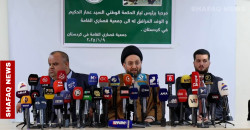
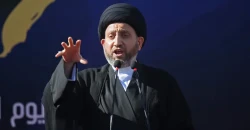
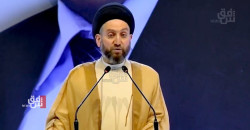
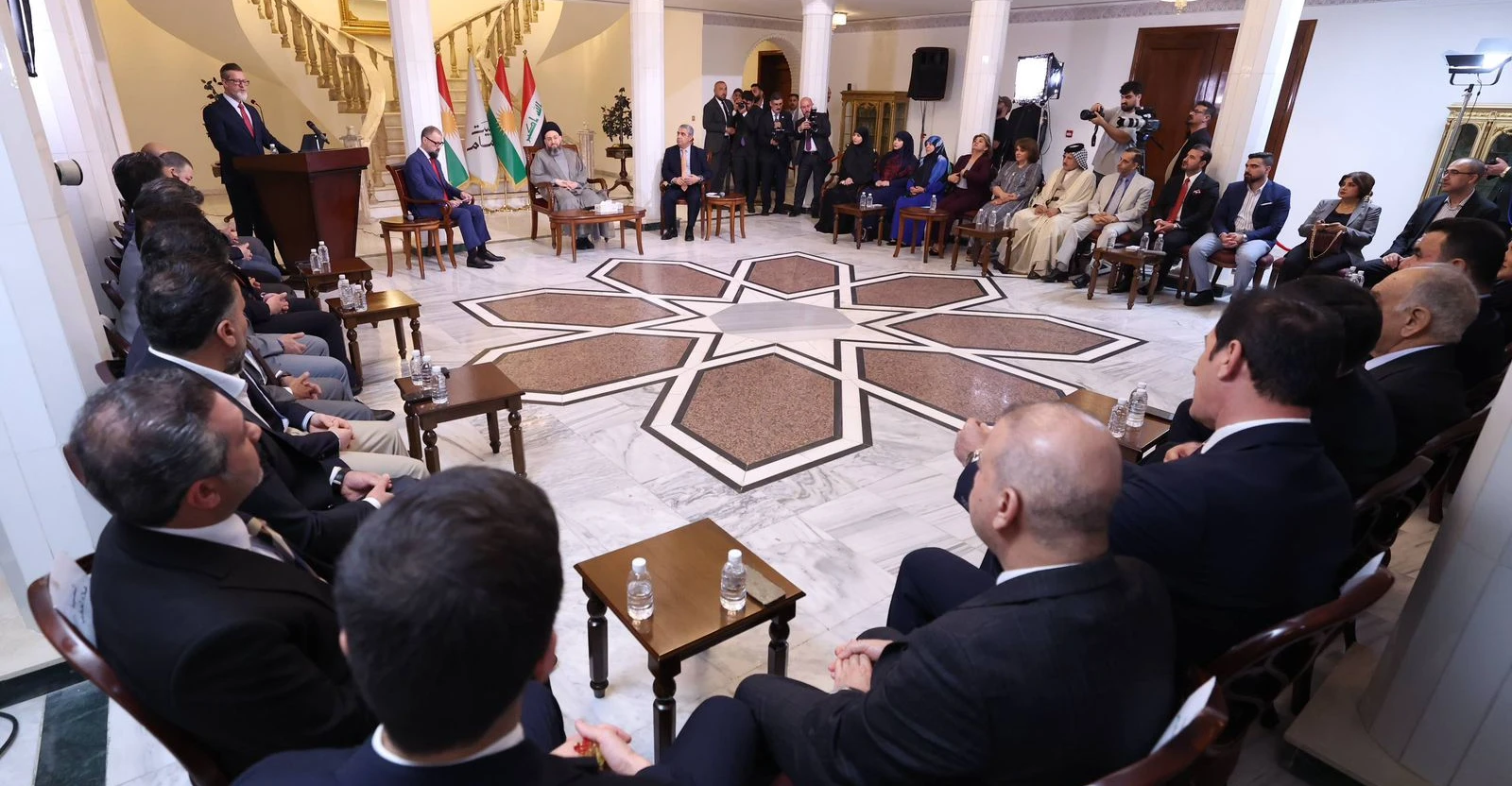
On Monday, Ammar al-Hakim, leader of the National State Forces Alliance, proposed a broad political coalition that brings together Iraq's Shiite, Sunni, and Kurdish parties as a potential framework for reaching understandings ahead of the country's next elections.
During a dialogue session in Baghdad, al-Hakim said such an alliance could provide an effective political solution, although turning the idea into reality would require more time despite growing convergence among the country's major political forces.
Read more: The Great divide: The myth of Iraq’s partition
Addressing the weapons issue, al-Hakim renewed calls to restrict arms to state institutions, calling the principle a constitutional and legal obligation as well as a long-standing recommendation of Iraq's religious authority.
He also described the Peshmerga, the armed forces of the Kurdistan Region, as an official institution similar to the Popular Mobilization Forces (PMF), a predominantly Shiite umbrella force incorporated into the Iraqi state in 2016. Reorganizing the PMF, he added, could provide a natural pathway for restructuring the Peshmerga through clear military chains of command based on institutions rather than individuals.
His remarks followed a decision by Iraq's ruling Shiite Coordination Framework, the political alliance that dominates the country's government, to task Prime Minister and Commander-in-Chief of the Armed Forces Ali al-Zaidi with taking the necessary measures to bring all weapons under state control. The move was followed by announcements from several powerful Iran-aligned armed factions outlining steps to disengage from the PMF and transfer their weapons and personnel to state authority.
The debate, initially centered on the future of armed groups operating outside state institutions, has gradually expanded in some political circles to encompass the status of the Peshmerga.
Read more: Iraq's weapons debate ensnares the Peshmerga and exposes a constitutional fault line