Why millions seek funeral or burial in Iraq’s Karbala and Najaf?


Shafaq News- Karbala
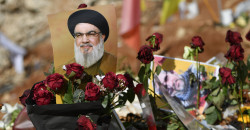
More than four million joined the funeral procession of Iran's late Supreme Leader Ali Khamenei in Iraq this week as his body passed through the Iraqi holy cities of Najaf and Karbala, a journey that reflects a centuries-old Shiite tradition of seeking proximity to sacred shrines in both life and death.
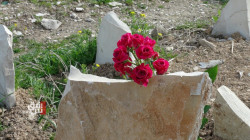
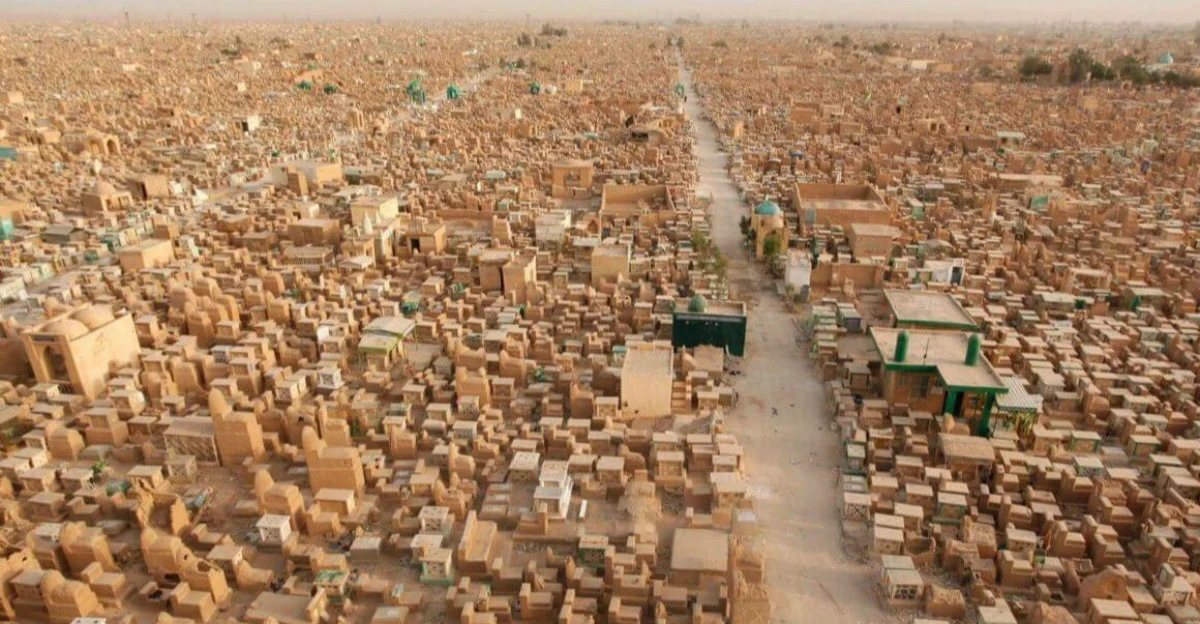
For Shiite Muslims, burial near the shrines of the Imams is among the most profound acts of devotion a believer can undertake. The tradition holds that resting near these sacred sites carries spiritual merit and intercession on the Day of Judgment, a belief that has drawn the devout, the learned, and the powerful to these cities for more than a thousand years.
Read more: Discover Iraq: Najaf, a city of dust and divinity
Karbala holds a singular place in Shiite consciousness. The city is home to the shrines of Imam Hussein bin Ali, the grandson of the Prophet Muhammad and the third Imam of Shia Islam, and his brother Abu al-Fadl al-Abbas, both killed in the Battle of Karbala in 680 CE, an event that defines Shiite identity and is commemorated annually during Muharram, culminating in Ashura on the tenth day of the month and the Arbaeen pilgrimage forty days later, which draws tens of millions of visitors and constitutes the largest annual human gathering on earth.
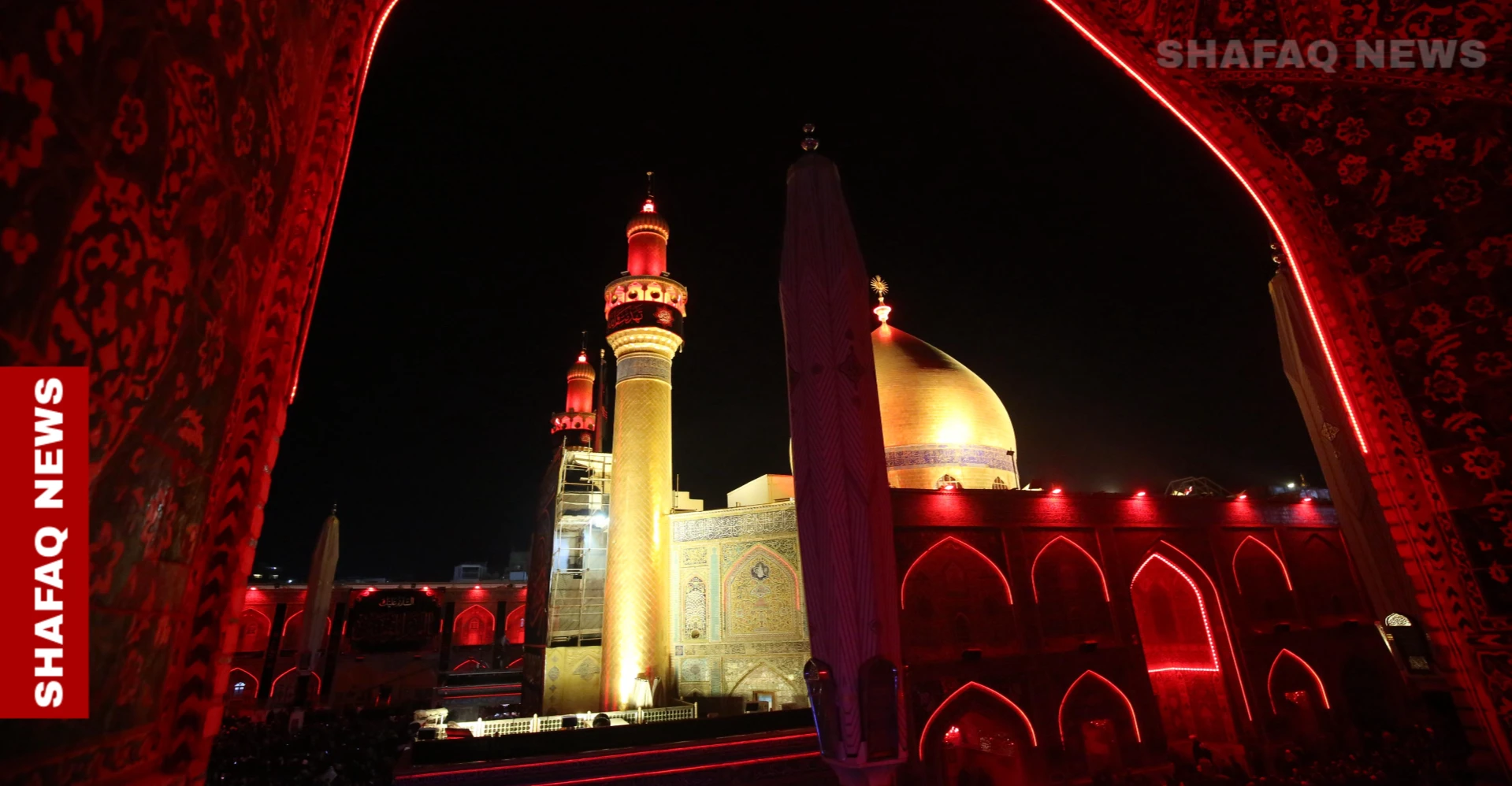
"Funerals and burials in holy places are among the religious traditions inherited over long centuries," historian and Karbala researcher Saeed Rashid Zumaizim told Shafaq News. The city's exceptional status, he said, stems from its role as the final resting place of Imam Hussein and al-Abbas, making it a destination for those who wish to be buried near the sacred shrines.
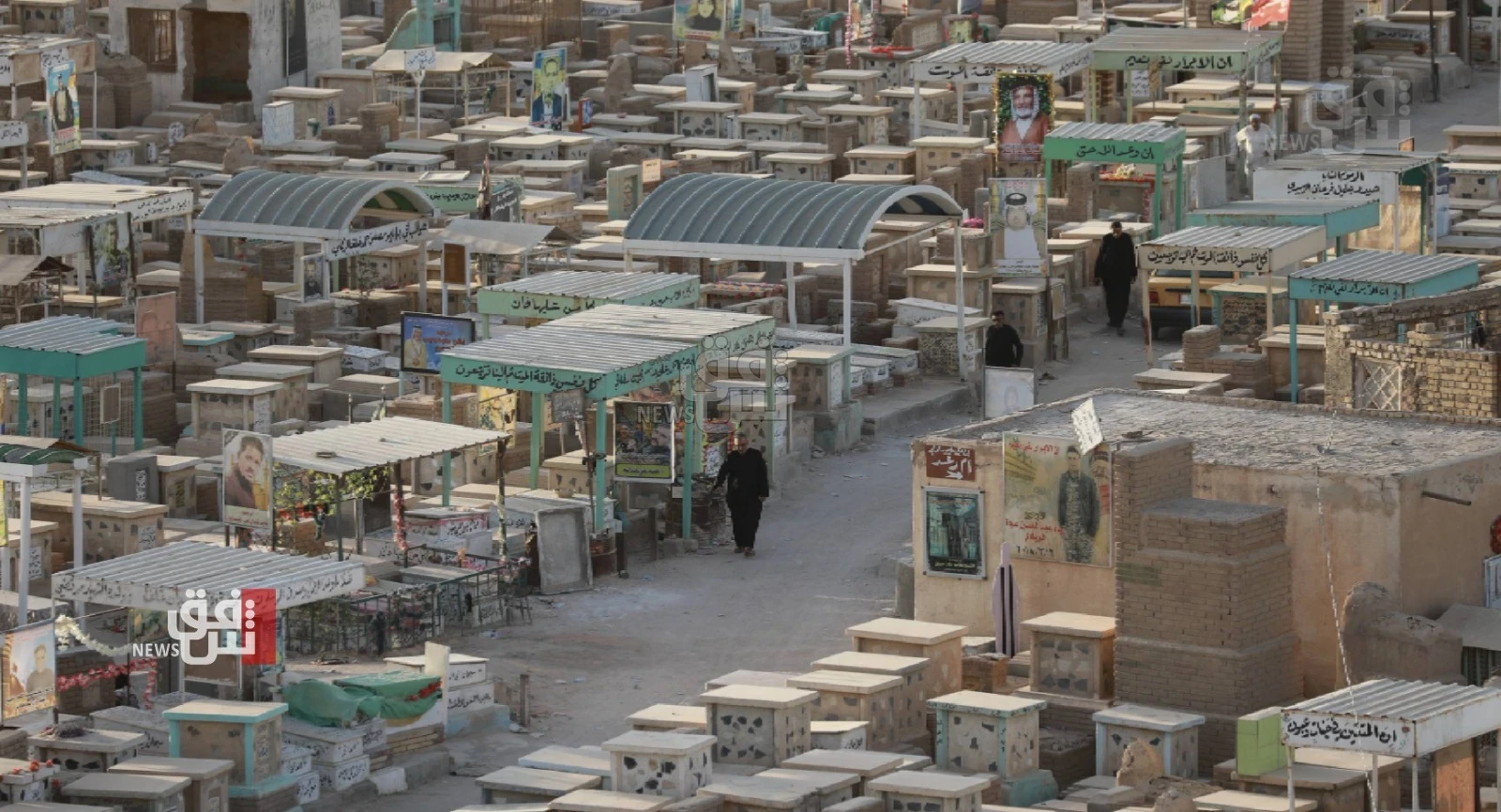
Over its history, Karbala has received the bodies of hundreds of religious, scholarly, and literary figures from across the Islamic world, Zumaizim said. Among the most prominent were Sheikh Yusuf al-Bahrani, al-Wahid al-Bihbahani, and Mohammed Taqi, a leader of Iraq's 1920 Revolution against British rule. Many others left instructions to be buried in Karbala, and some were transferred from other cities specifically for that purpose, including al-Sharif al-Radi and al-Sharif al-Murtada, whose remains were brought to the city in different historical periods.
Read more: Discover Iraq: Karbala, where memory breathes and future beckons
The shrines of Hussein and al-Abbas and their surroundings have also served as burial grounds for royalty, according to Zumaizim. Around 17 kings, princes, and rulers from India, Kashmir, Pakistan, and Iran are buried in Karbala, drawn by the city's spiritual weight.
Beyond its role as a pilgrimage destination, Karbala has evolved over the centuries into a spiritual, scholarly, and cultural center that attracted clerics, students of religious sciences, and visitors from across the Muslim world, “Thousands of funeral processions arrive in the city each year from inside and outside Iraq, continuing a religious, social, and historical legacy rooted in the collective memory of Muslims across generations.”
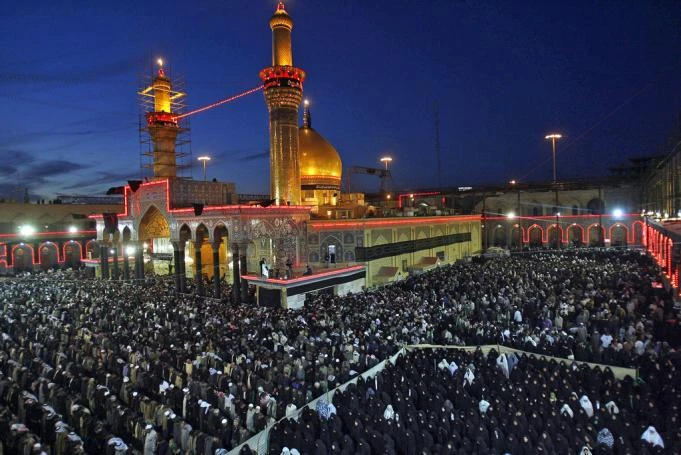
Khamenei's funeral procession in Karbala and Najaf on Wednesday was attended by Iraqi officials and political, religious, and tribal figures. His burial is scheduled for Thursday, July 9, at the Imam Reza Shrine in Mashhad, his birthplace in northeastern Iran, another of Shiite Islam's holiest sites, in accordance with his will.
Read more: Wadi Al Salam: Najaf’s ever-growing city of the dead