Two electricity bills strain Iraqi household budgets


Shafaq News- Baghdad
Electricity can consume about 10% of an Iraqi household’s monthly income, particularly during the scorching summer months, as unreliable national-grid supply leaves families paying two bills: one to the government and another to private generator operators, Economist Mohammed Al-Hasani told Shafaq News.
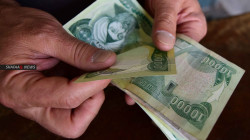
Al-Hasani explained that a middle-income family spends between 1.1 million and 1.25 million dinars ($836-$950) annually on national-grid electricity and private generators combined, describing the expense as a burden that is not clearly reflected in inflation and household-spending indicators.
The double expense stems from limited national-grid supply, which can fall to around 10 hours a day during periods of high demand in winter and the hot summer months, while improving in spring. Provincial authorities set generator rates at the beginning of each month based on national-grid availability and seasonal conditions, though complaints indicate that some operators charge between 3,000 and 5,000 dinars ($2.28-$3.80) per ampere above the officially set price.
Speaking with Shafaq News, Abu Mazen said his family subscribes to five amperes from a private generator for around 100,000 dinars ($76) a month, or 20,000 dinars ($15.20) per ampere. The cost can nearly double during summer as national-grid outages increase and greater use of air conditioning drives up demand.
Read more: 40-GW electricity gap forces Iraq to back private generators
Government electricity can also bring unexpectedly high costs. Youssef Tariq said his family's bill normally stands at around 30,000 dinars ($22.80) a month but has exceeded 200,000 dinars ($152) in some months, which he attributed to inaccurate meter readings that resulted in charges above actual consumption.
Despite problems with national-grid electricity, Tariq described it as preferable to relying on private generators. He accused some operators of seeking the highest possible profits, saying they are “not satisfied with a small profit” and often cite higher fuel prices, shortages and maintenance costs to justify raising ampere rates.
A private generator owner offered a different account. Monthly rates, he explained to Shafaq News, depend on the duration of national-grid outages, gasoil prices and the amount of fuel provided by the government during summer. Without free state-supplied gasoil, operators must turn to the black market, where a liter costs around 1,000 dinars ($0.76) and can reach 1,250 dinars ($0.95), pushing up operating costs and subscription rates.
Maintenance represents another major expense, with repairs after a breakdown potentially costing around three million dinars ($2,280). The owner's 500- kVA generator supplies subscribers with about 1,200 amperes, with rates reaching 20,000 dinars ($15.20) per ampere or more during some summer periods.
His generator provides electricity around the clock under what is locally known as “golden” supply. According to the owner, customers do not complain about supply hours, although some object to higher prices, particularly during summer.
Read more: Two powers, one grid: The geopolitical siege of Iraq’s economy
Taken together, the costs of national-grid electricity and private generators leave families with less income to cover other needs amid broader living and service expenses, according to Al-Hasani. With national-grid supply still insufficient, he identified clean energy, particularly solar power, as an alternative that could reduce dependence on private generators.
“A solar system capable of providing around 15 amperes costs an estimated seven million dinars ($5,320), a price still beyond the reach of most middle-income families,” Al-Hasani said. Easing the financial burden requires improving national-grid supply while providing alternative-energy solutions at prices households can afford, he concluded.