The river remembers: 11 years since Speicher massacre


Shafaq News
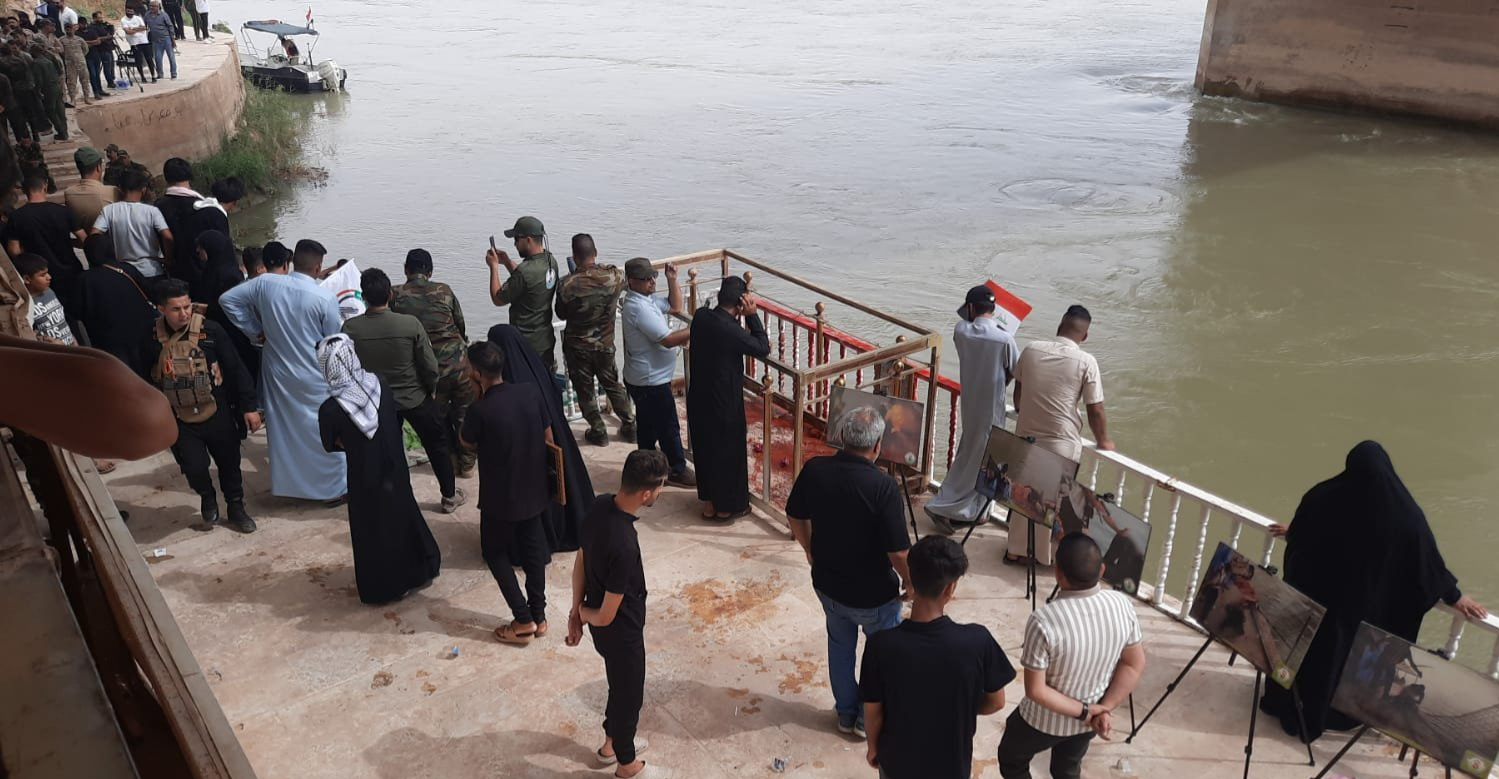
Each year, Umm Ali returns to the banks of the Tigris with a candle in her hand and Quranic verses on her lips. She kneels beside the ruins of Saddam Hussein’s former palaces, where her nephew was executed, whispering prayers into a place stained by violence and memory.
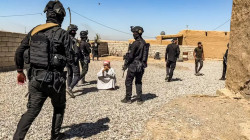
On June 12, 2014, ISIS militants overran Camp Speicher, a former Iraqi Air Force base near Tikrit. They captured nearly 2,000 unarmed military cadets—mostly young Shia men from central and southern Iraq—separated them by sect, stripped them of their IDs, and took them to execution sites across Saladin province. Many were shot en masse or dumped into the Tigris.
The massacre unfolded inside the lavish presidential complex once used by Saddam Hussein—a site meant to inspire awe and dominance. Marble corridors and manicured courtyards became killing grounds, transforming a symbol of tyranny into a theater of death.
Eleven years later, the Iraqi government continues to investigate the massacre. Over 1,200 bodies have been exhumed from mass graves, and DNA identification efforts are ongoing. Several suspects have been tried and executed, including 36 in 2016. In July 2025, German authorities extradited another fugitive involved in the killings following a joint operation with Iraqi intelligence.
Iraq is also working with international partners, including the UN Investigative Team for Accountability of Daesh (UNITAD), which has classified the Speicher massacre as a potential war crime and assists Iraqi courts in documenting and prosecuting those responsible.
“The Speicher crime is not just a local tragedy—it is a national one,” said lawyer Adnan al-Jubouri. “It must stay in our collective memory as a rejection of sectarianism and violence.”
Residents of Tikrit continue to distance themselves from the attackers. “This has nothing to do with our city or its tribes,” said Hassan al-Tikriti. “It was a crime against humanity carried out by fanatics who do not represent us.”
Even as justice advances, many families are still searching for answers.
“We don’t come here just to grieve,” Umm Ali said. “We come to remind Iraq that justice must never be forgotten.”