Tea remains Iraq’s daily ritual despite scorching heat


Shafaq News- Baghdad/ Erbil
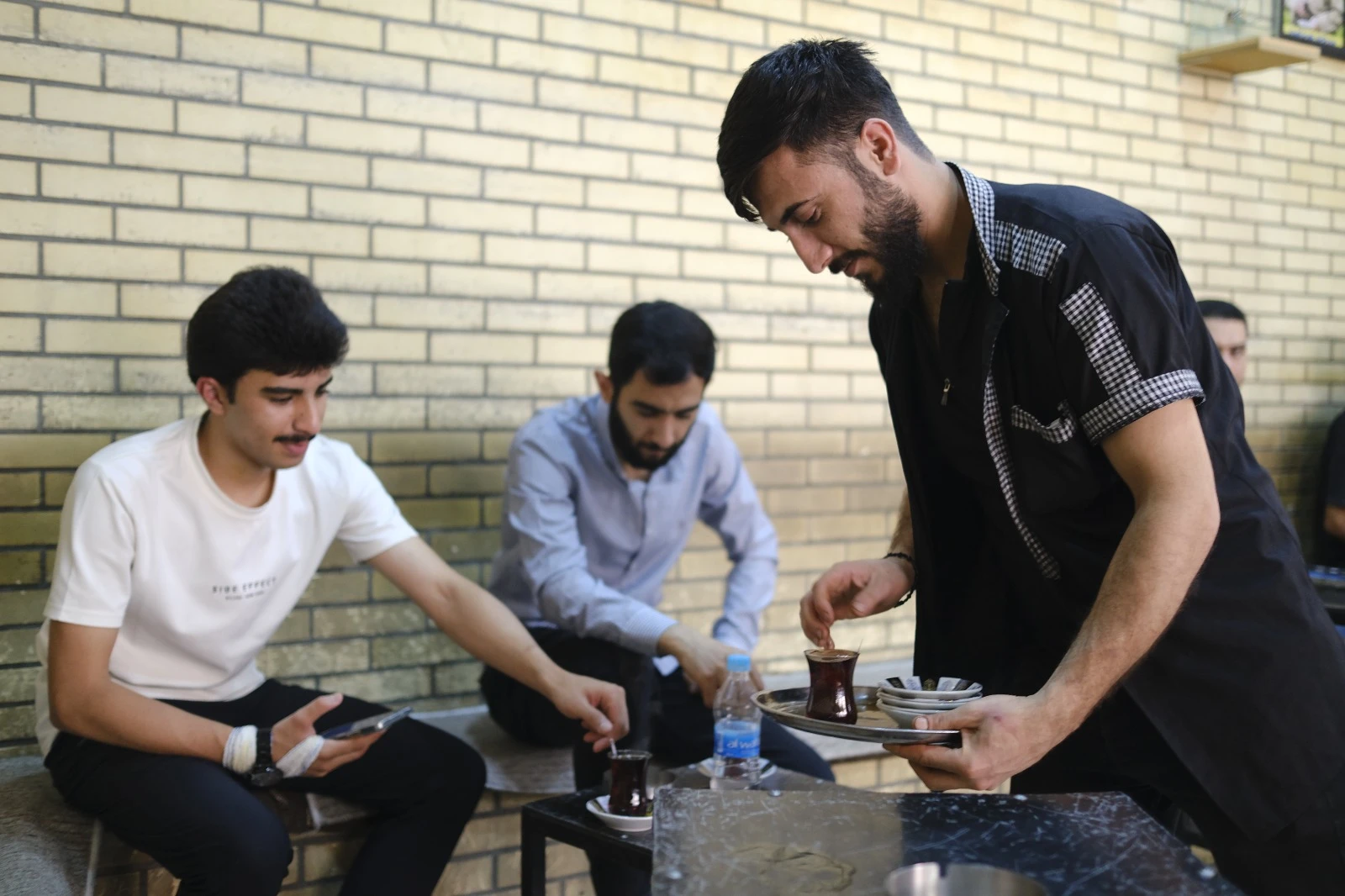
Iraqis continued gathering around glasses of strong black tea on Thursday as the country marked World Tea Day, maintaining a decades-old tradition that persists even during extreme summer heat.
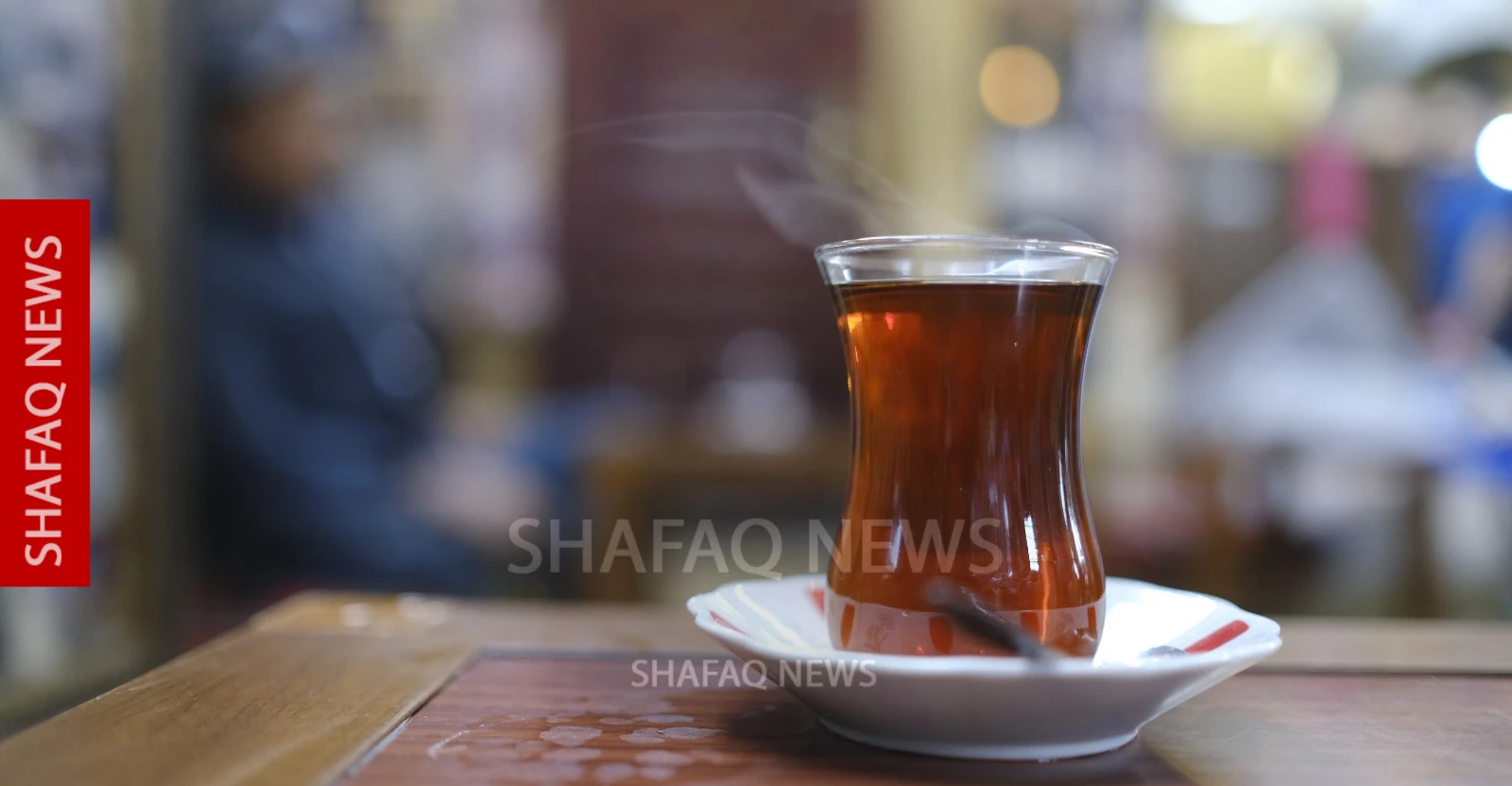
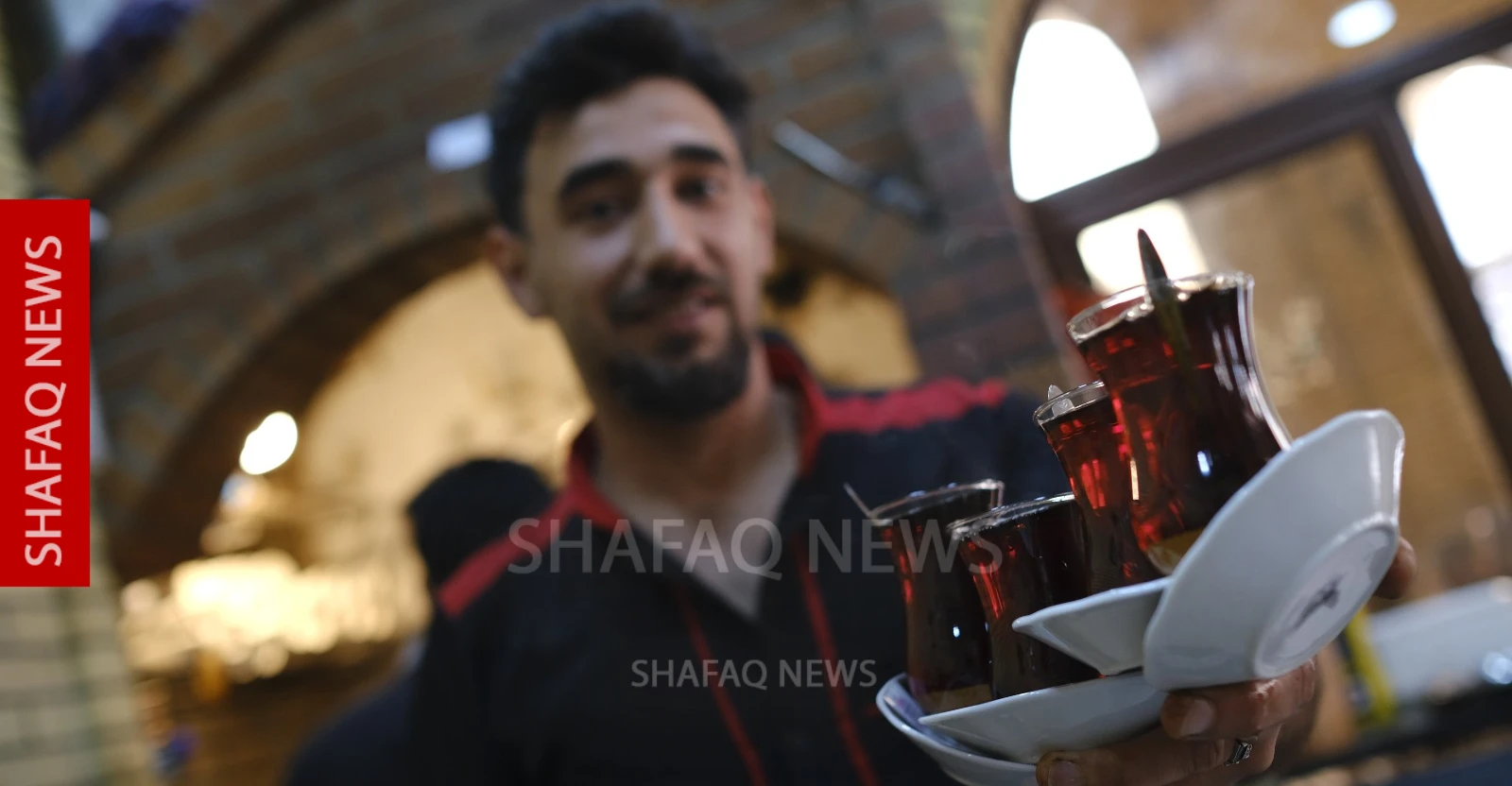
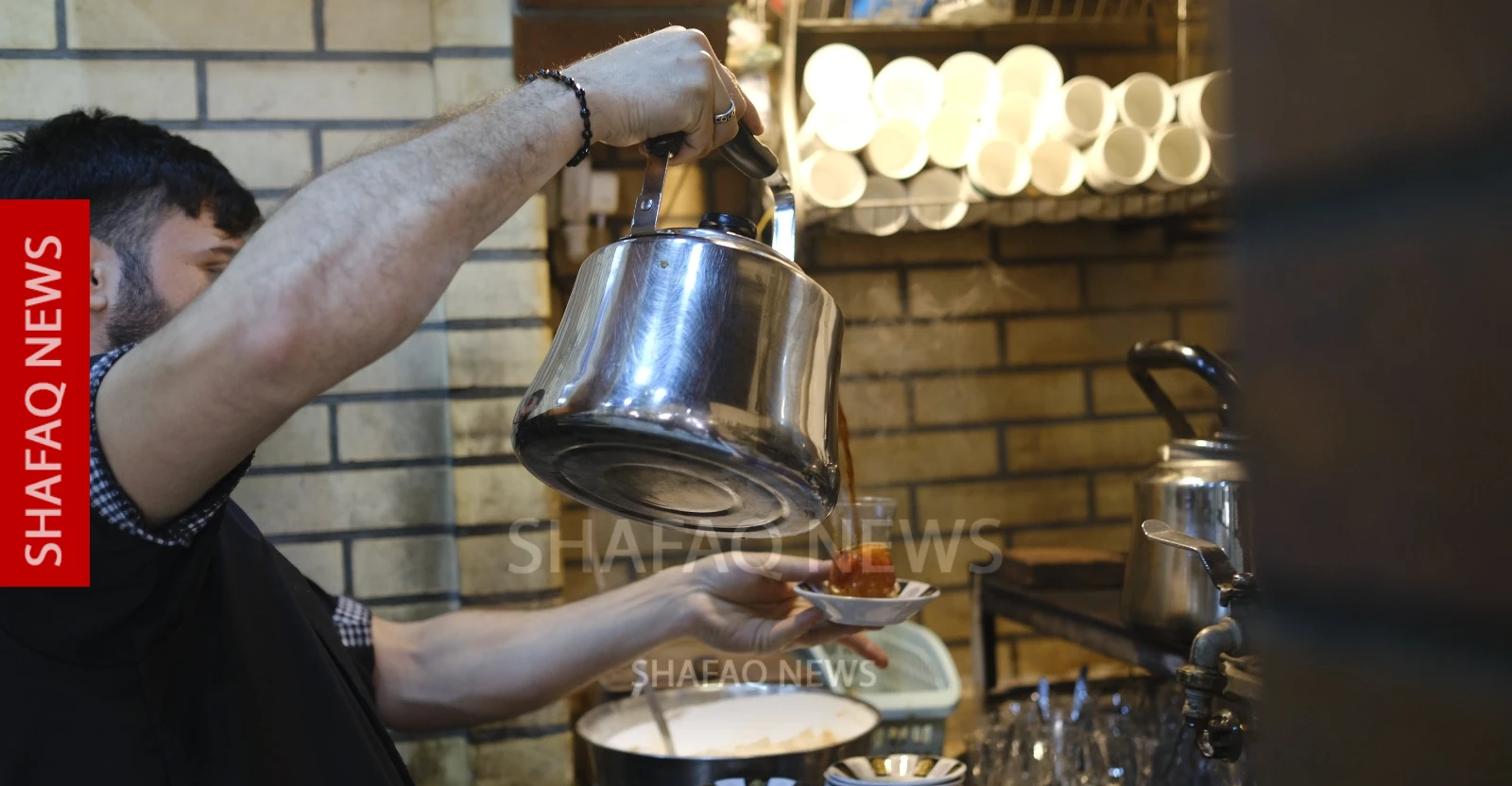
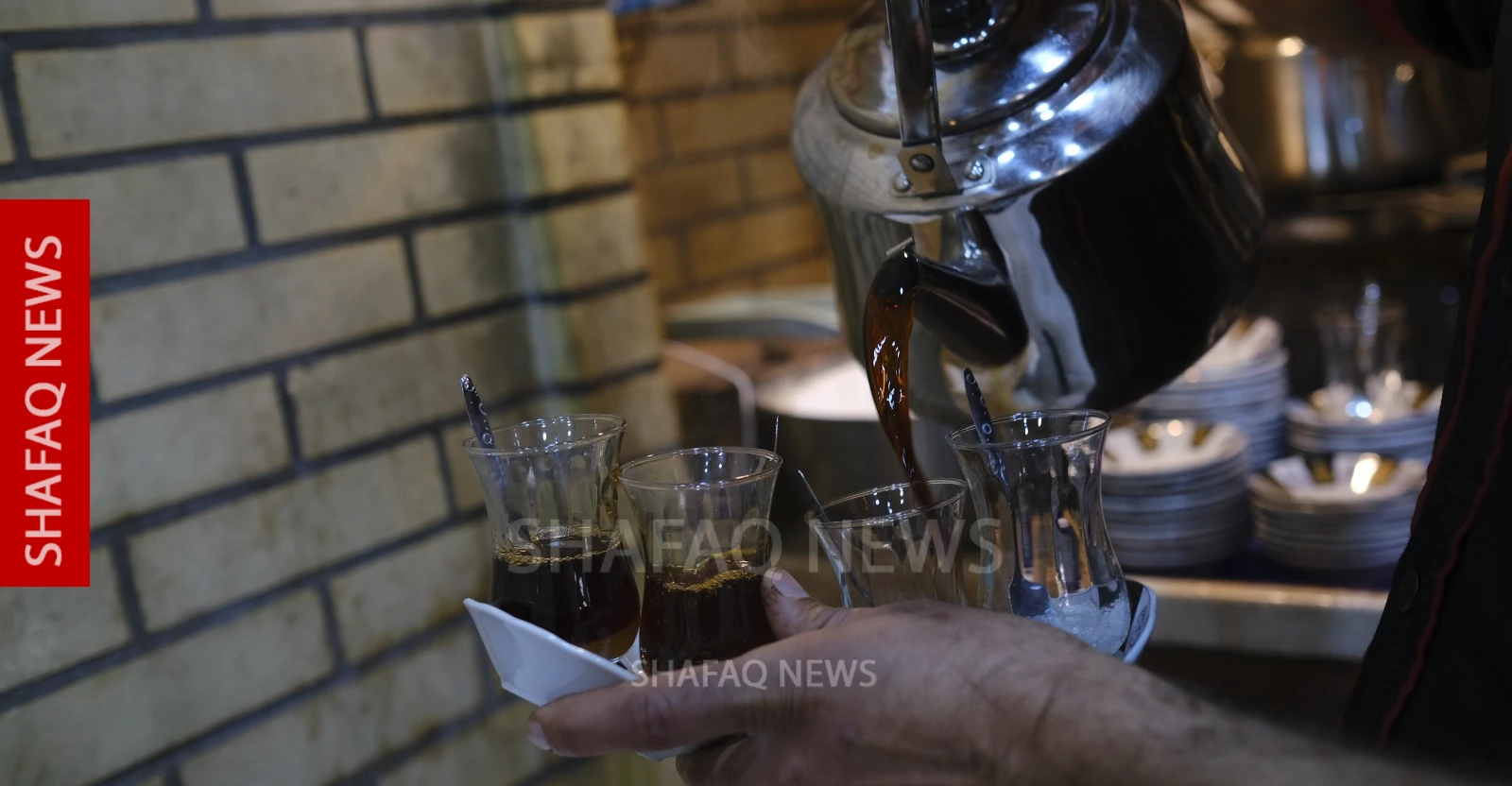
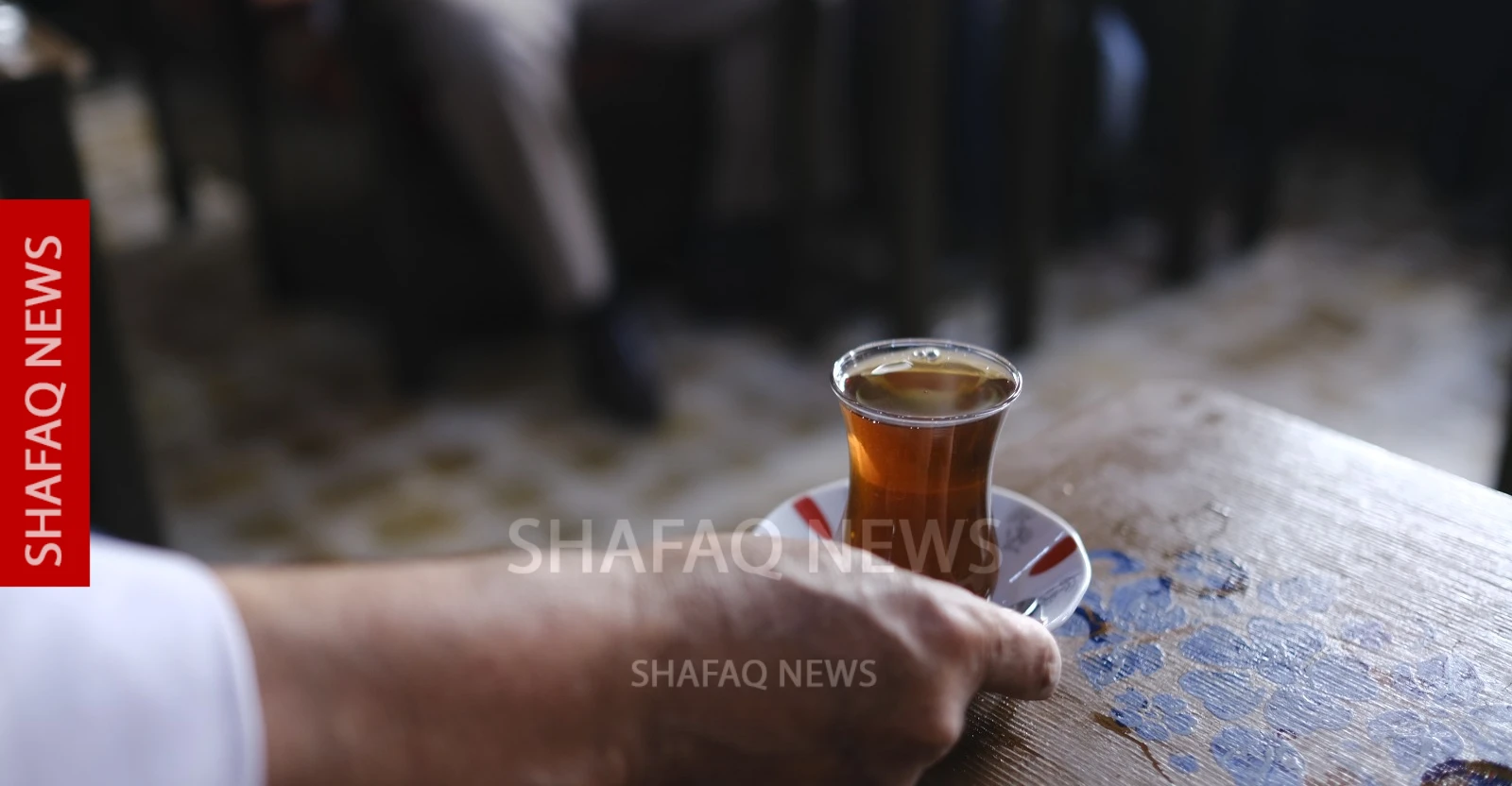
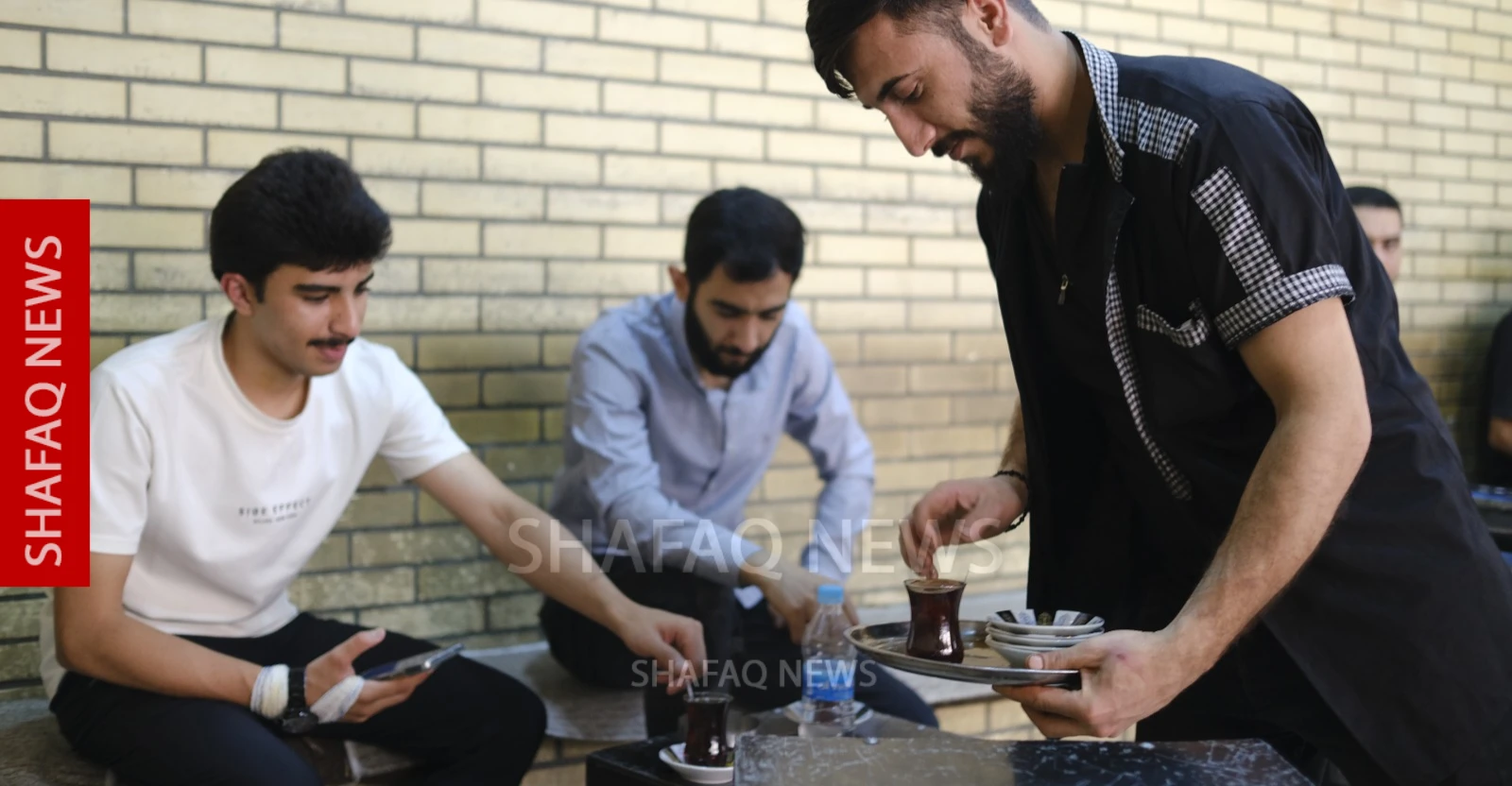
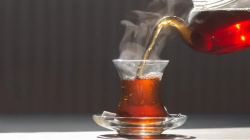
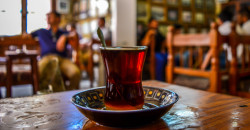
Recognized by the United Nations since 2019 and observed annually on May 21, World Tea Day highlights the economic and cultural importance of one of the world’s most widely consumed drinks. In Iraq, tea is closely tied to daily social life, hospitality, and family gatherings, with many Iraqis preferring heavily brewed black tea, locally known as “chai makhaddar,” often flavored with cardamom and served in small glass cups.
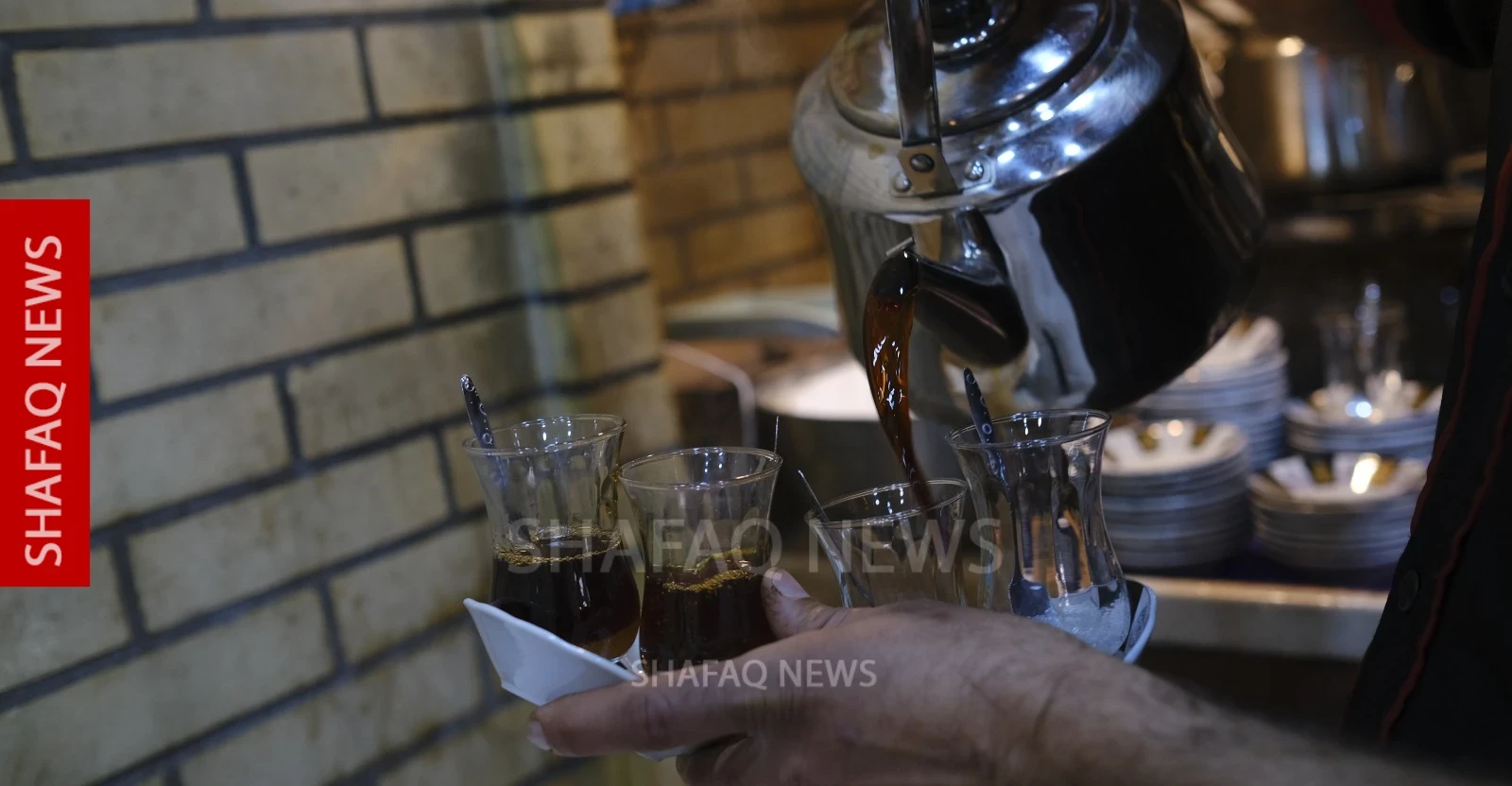
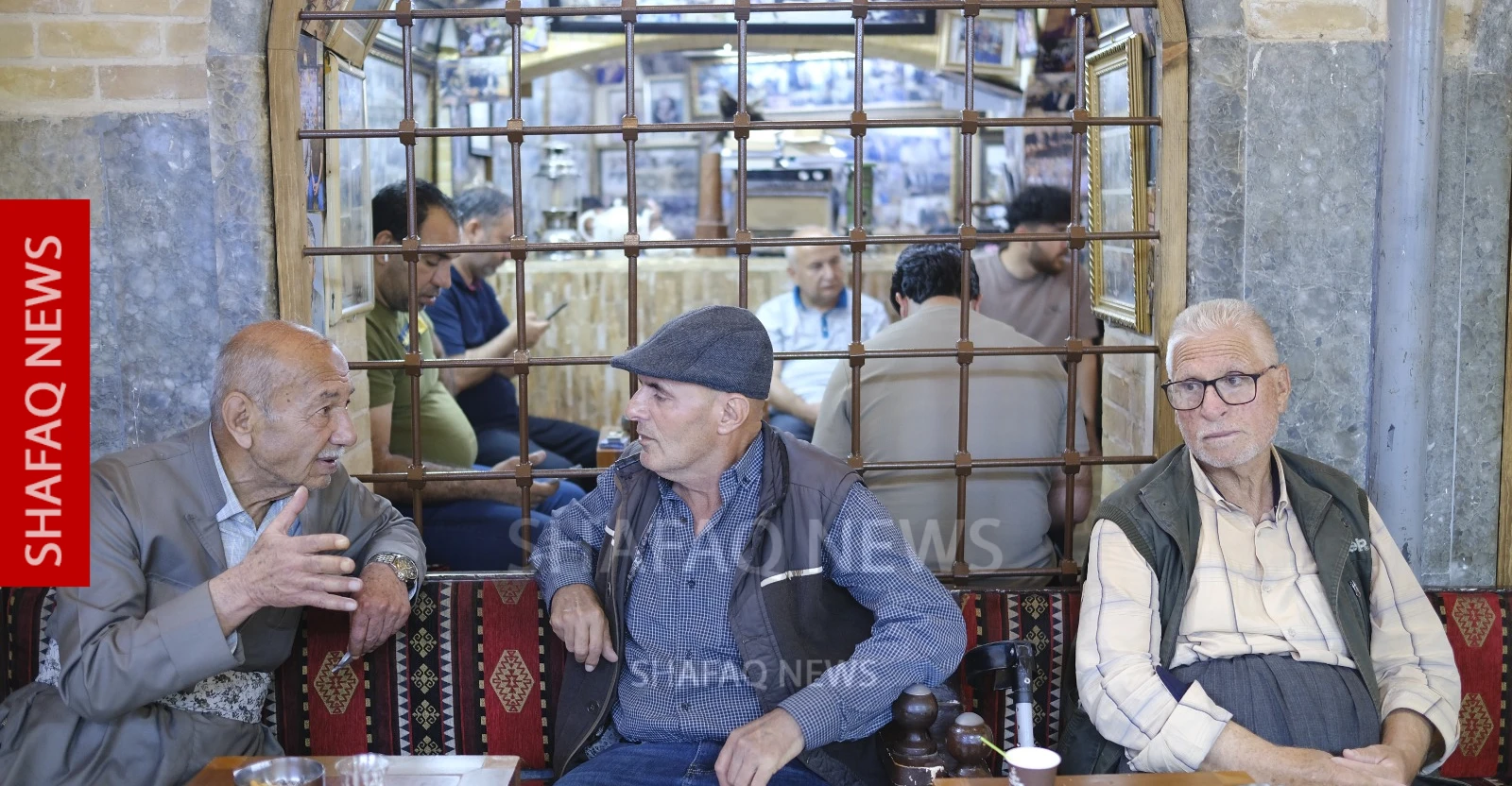
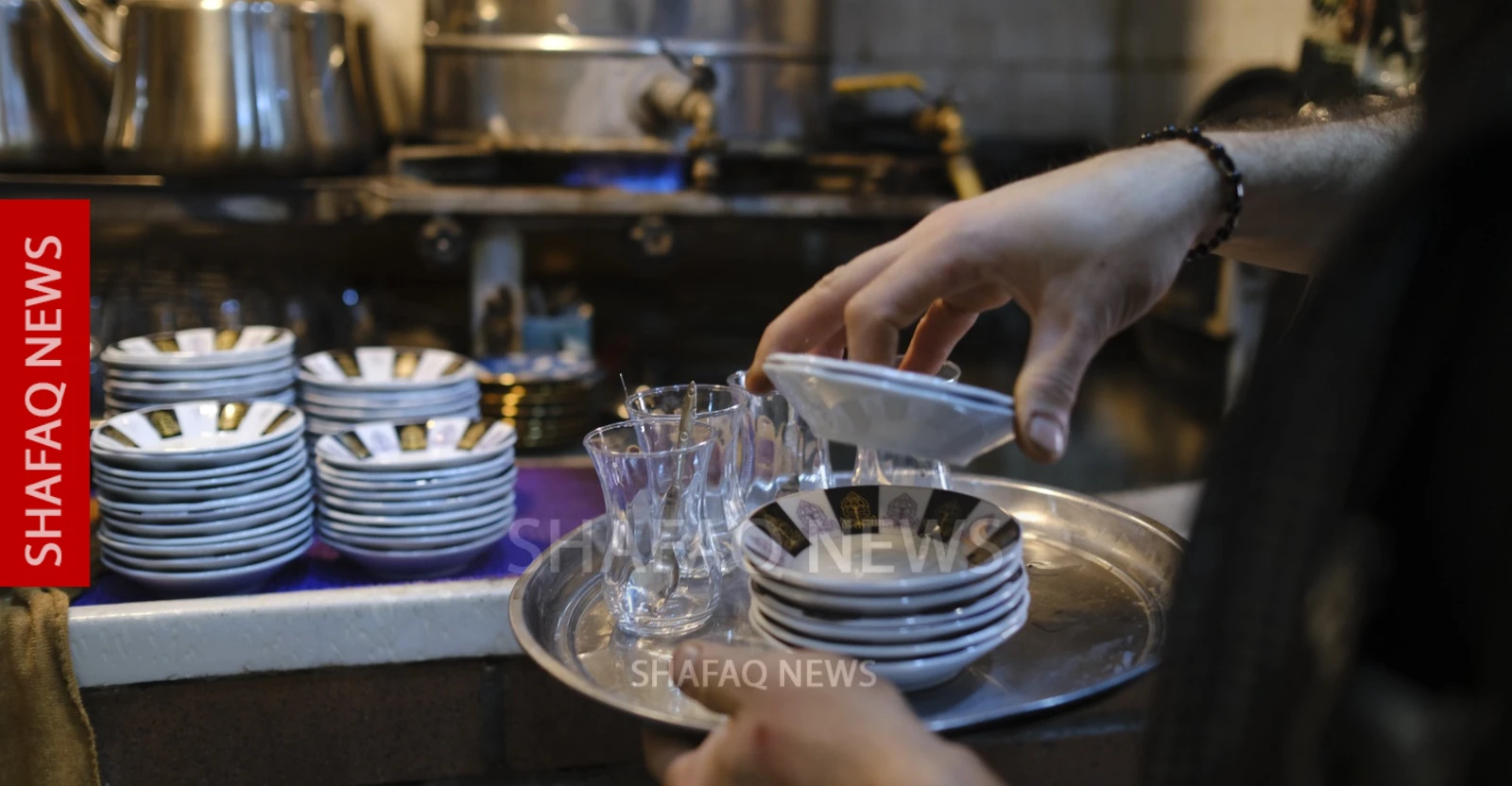
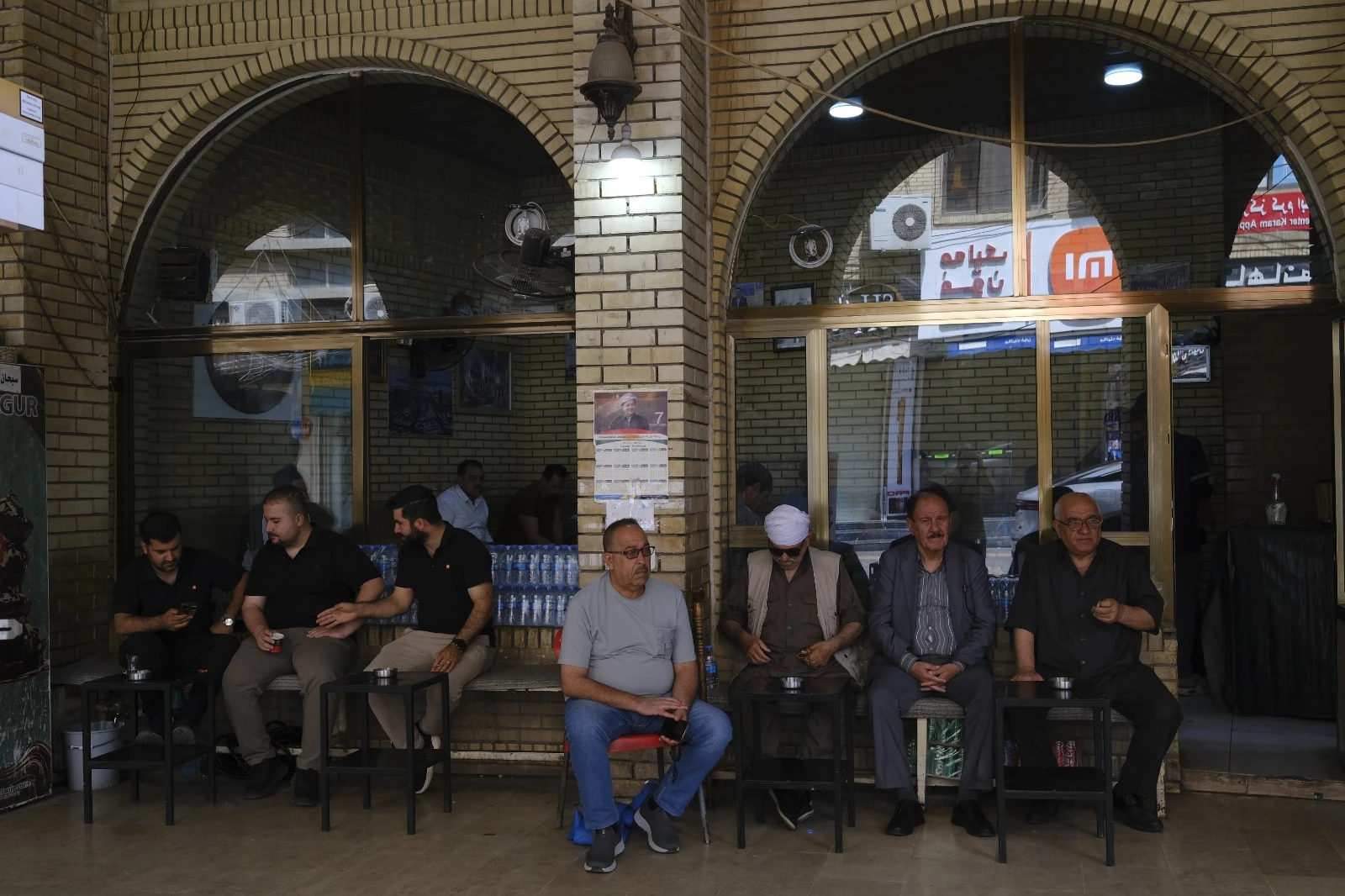
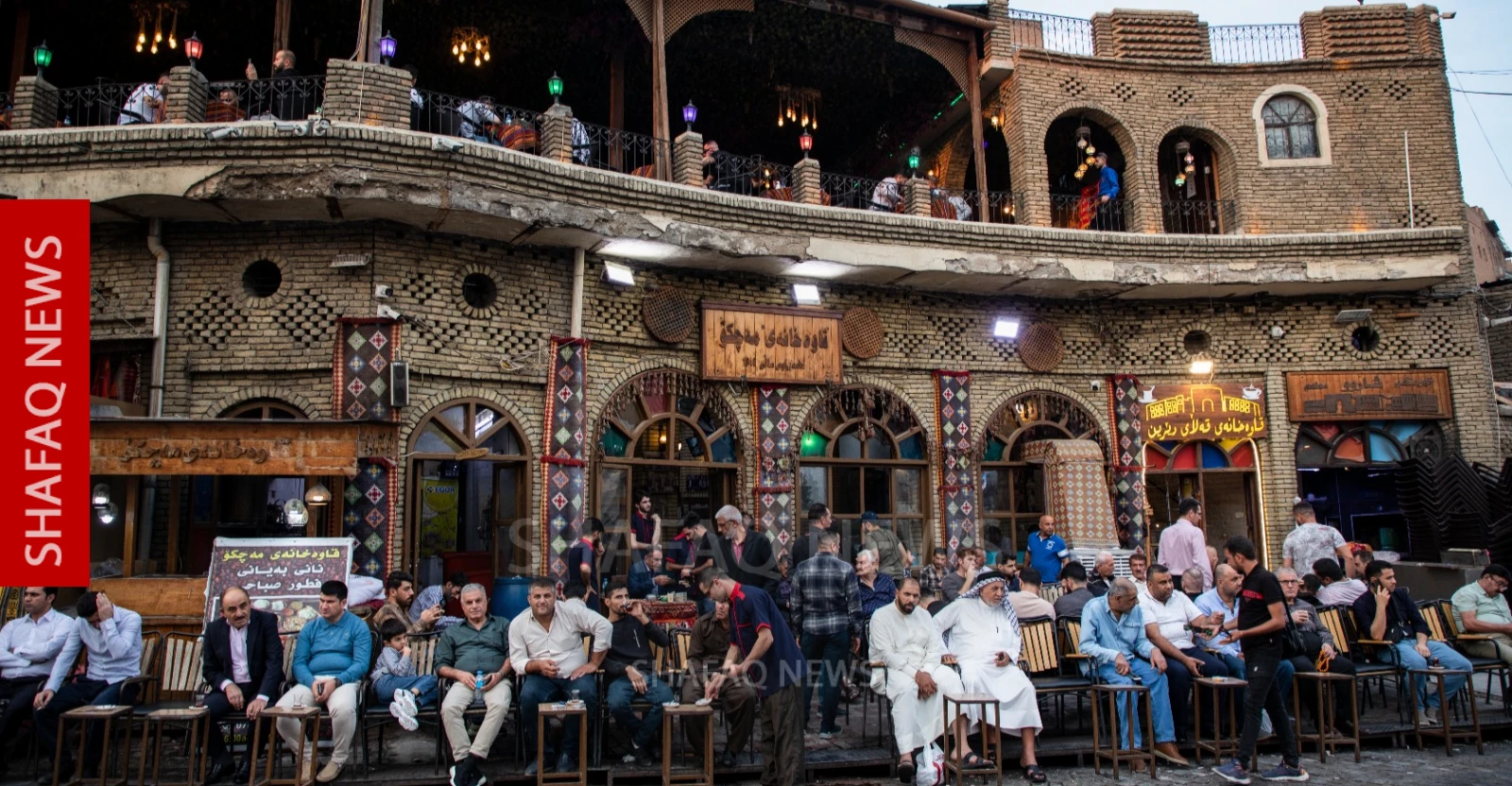
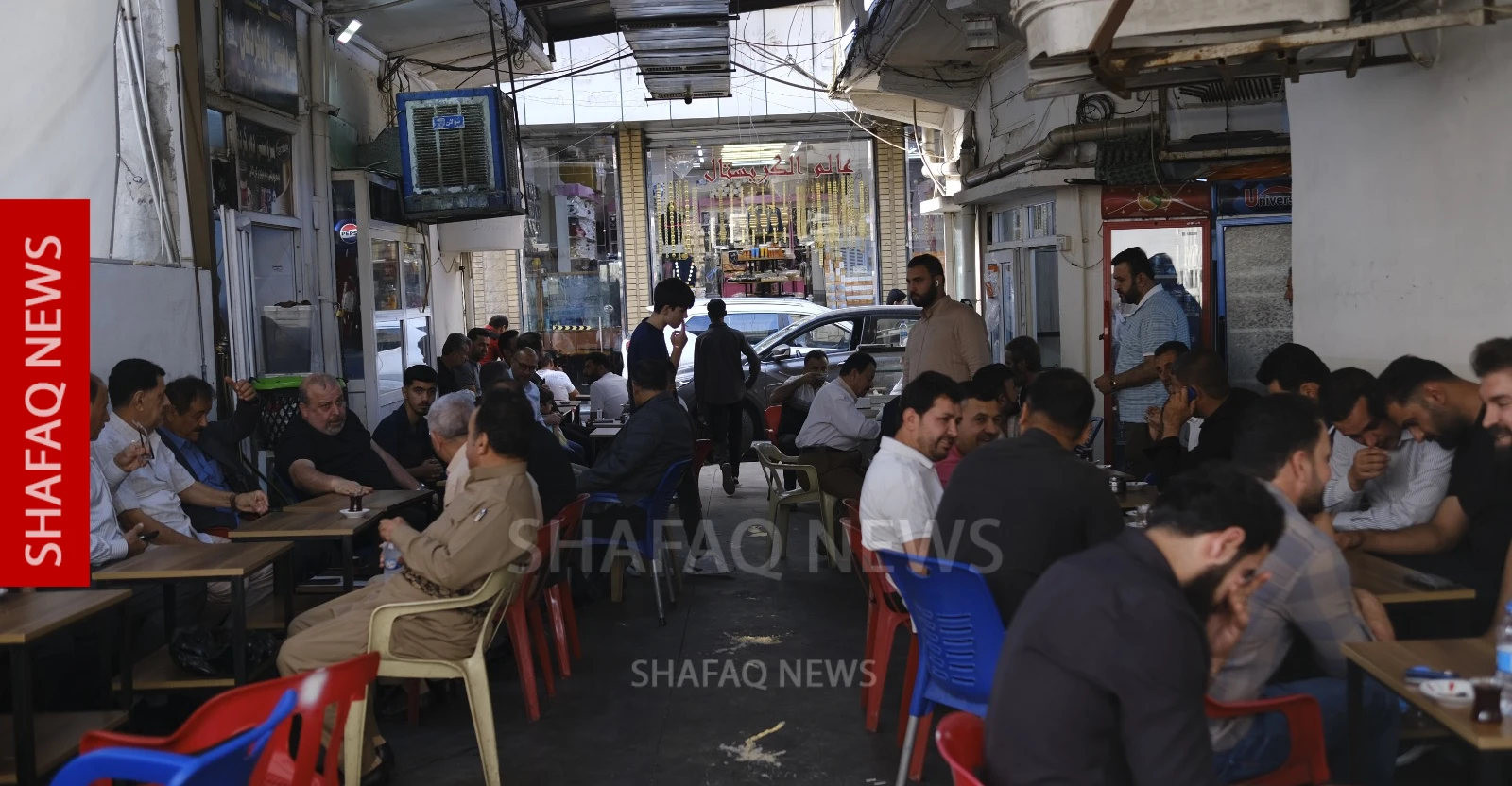
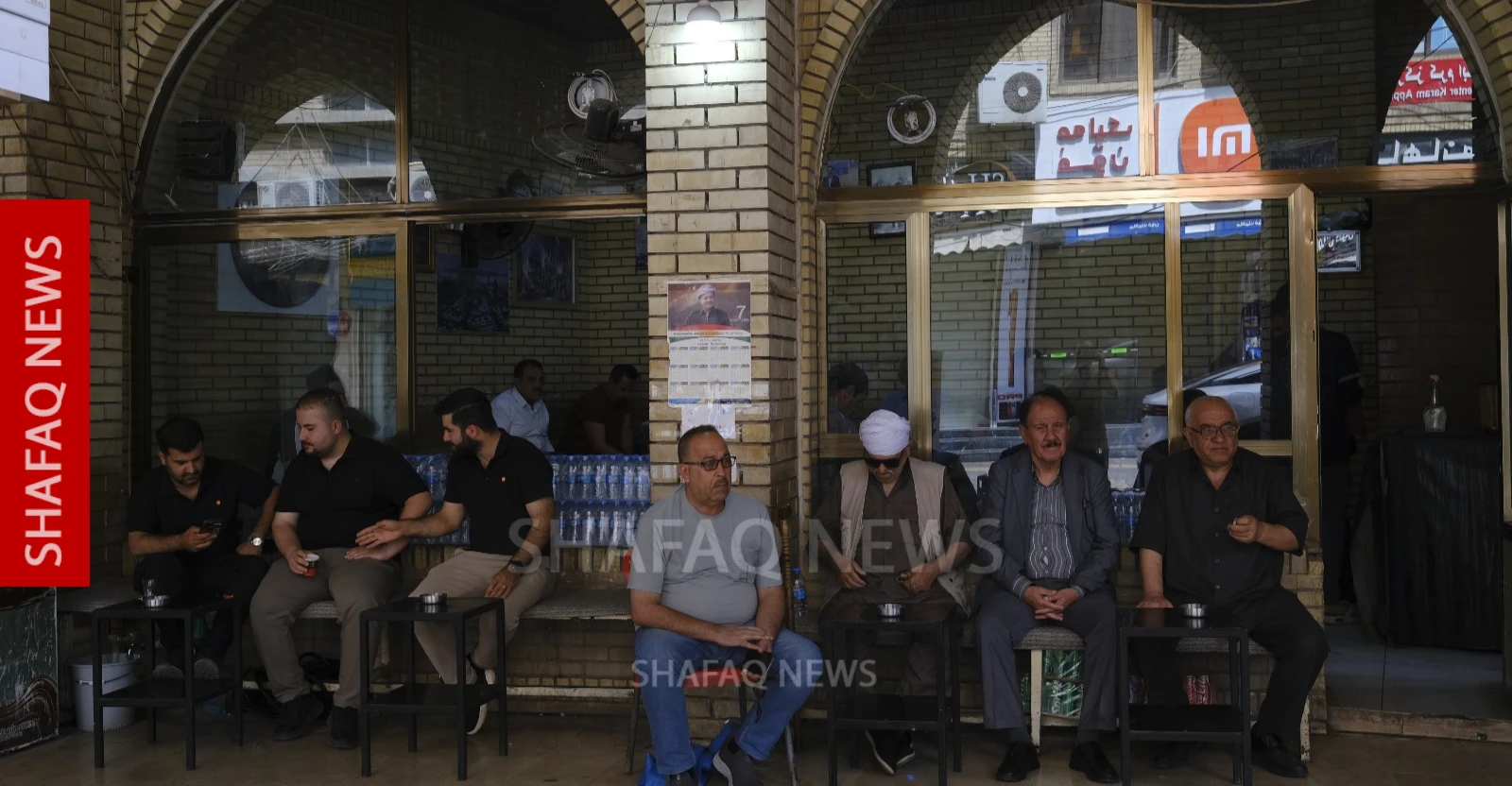
Preparation methods vary across the country, with differences in brewing time, tea concentration, sugar levels, and cardamom use reflecting local tastes and traditions. Traditional tea houses also remain central gathering spaces across Iraqi cities, hosting political discussions, domino games, and daily social gatherings.
Despite its high consumption levels, Iraq imports nearly all of its tea, primarily from Sri Lanka and India, and has re-emerged in recent years as one of the largest buyers of Sri Lankan tea. But tea spread widely in Iraq during the British occupation in 1914 before becoming a central part of Iraqi social customs, where serving tea to guests remains associated with hospitality and respect.
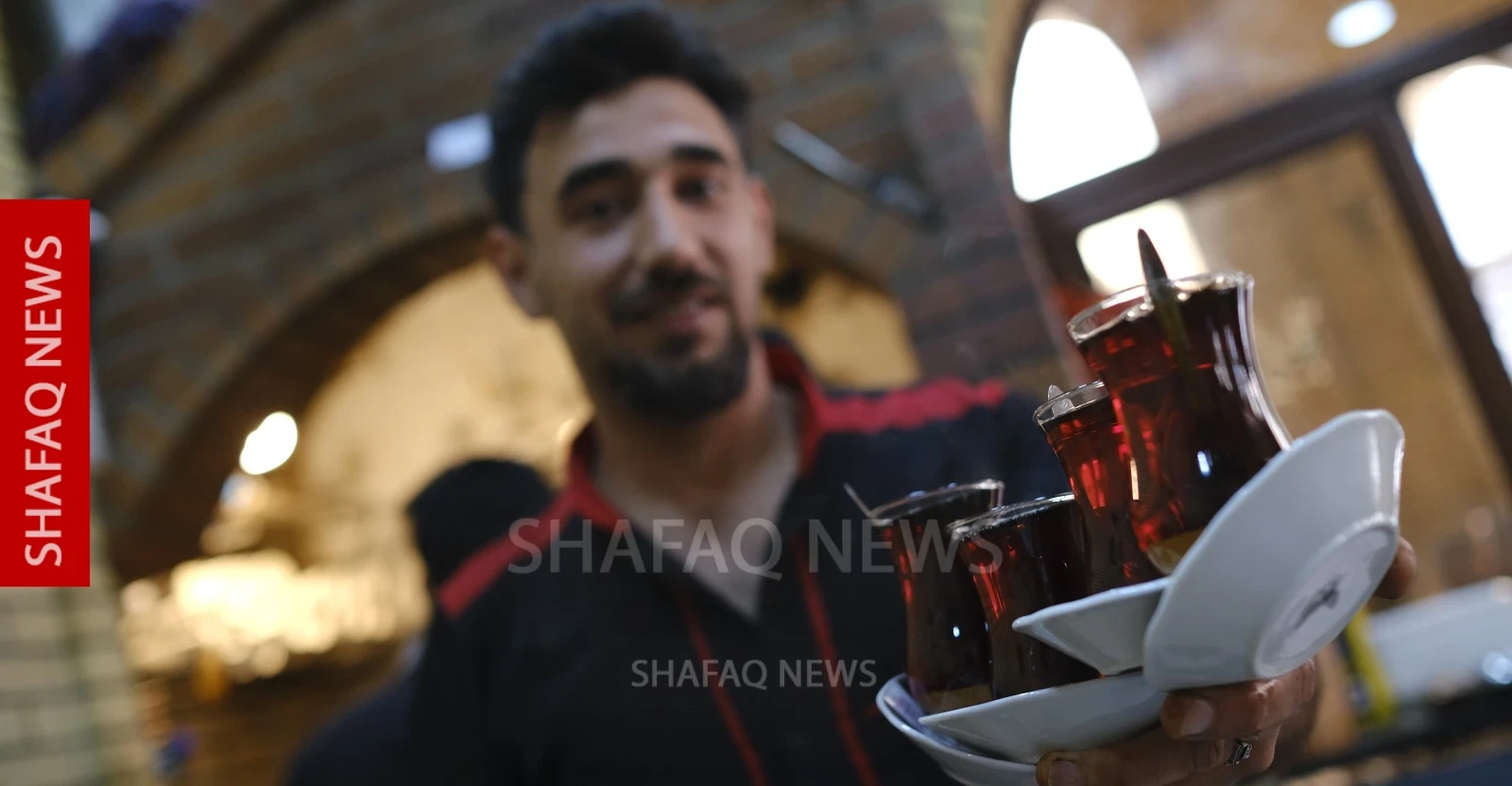
Mohammed Khalil, owner of one of Erbil’s oldest cafes, told Shafaq News that tea remains the country’s second most consumed drink after water, noting that demand does not decline even during periods of intense heat because of its deep connection to Iraqi daily life and mood. According to World Population Review data, Iraq ranks third among Arab countries in annual tea consumption after Egypt and Morocco, consuming around 68,000 tons each year.
Many Iraqis living abroad also continue to associate Iraqi tea with home, often describing its strong taste as different from lighter tea styles common in other countries, particularly in the Gulf.