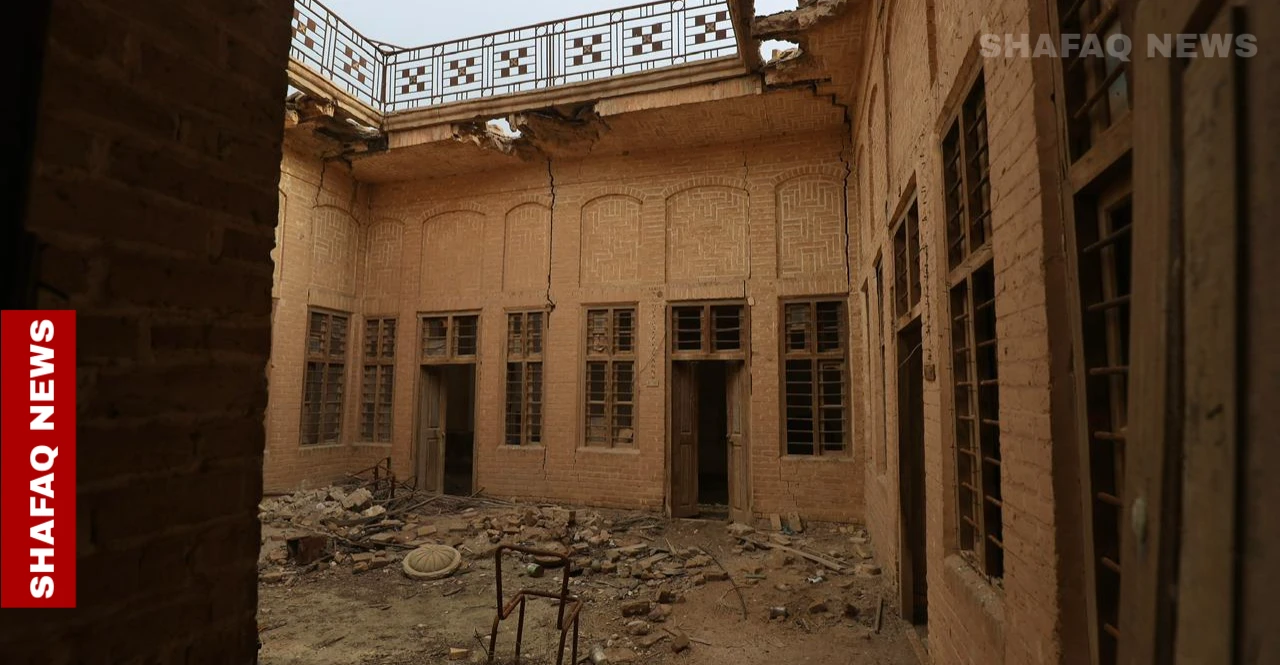
Ottoman-era mansions in Iraq’s Najaf trace historical roots


Shafaq News- Najaf
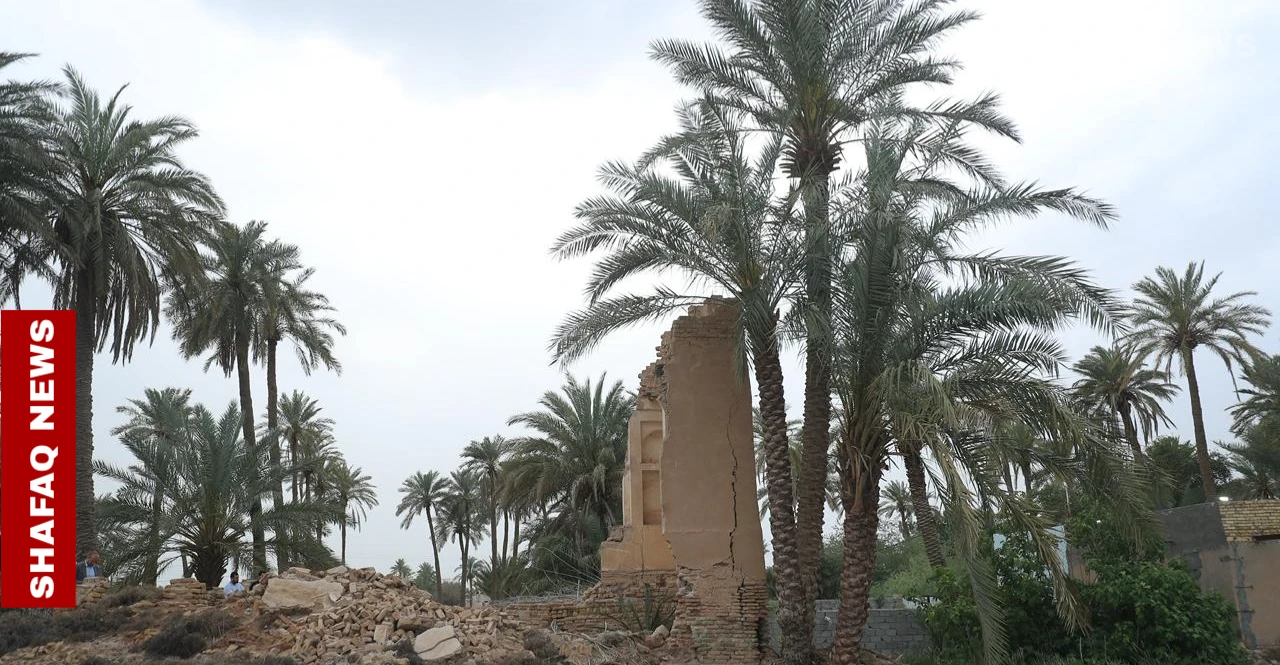
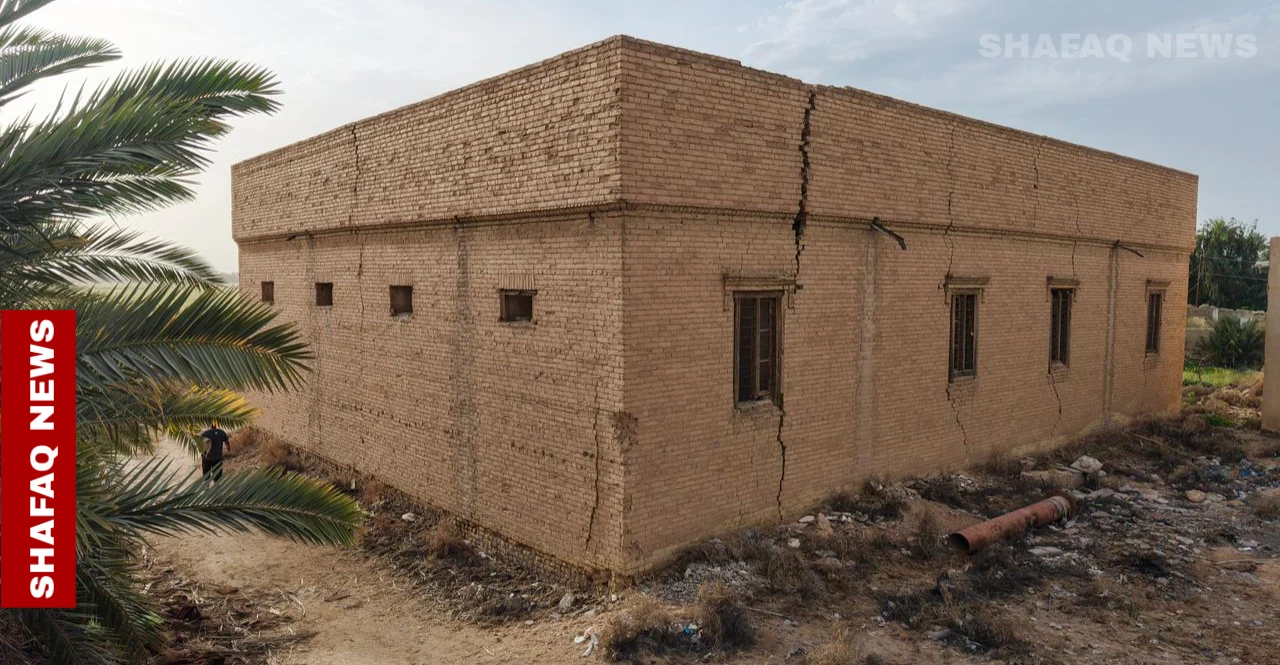
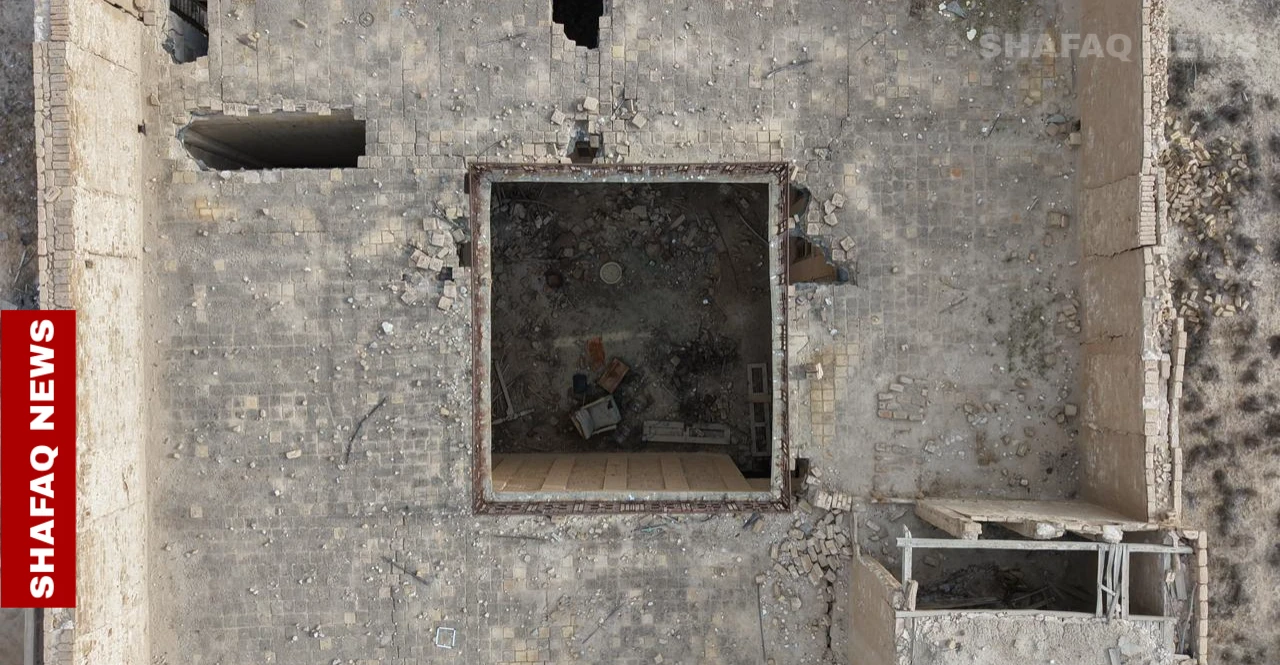
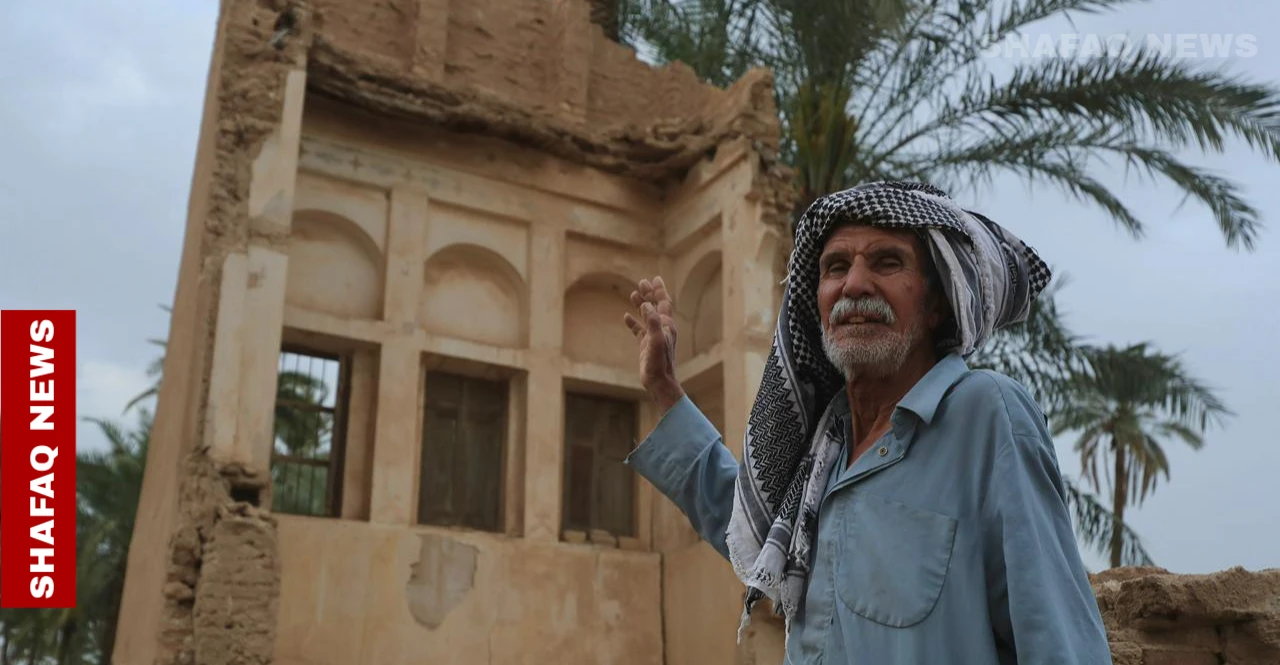
The town of Al-Mishkhab in Najaf province, central Iraq, retains a notable architectural and historical legacy, reflected in the mansions of the Sayyid Noor family, which date back to the late 19th and early 20th centuries.
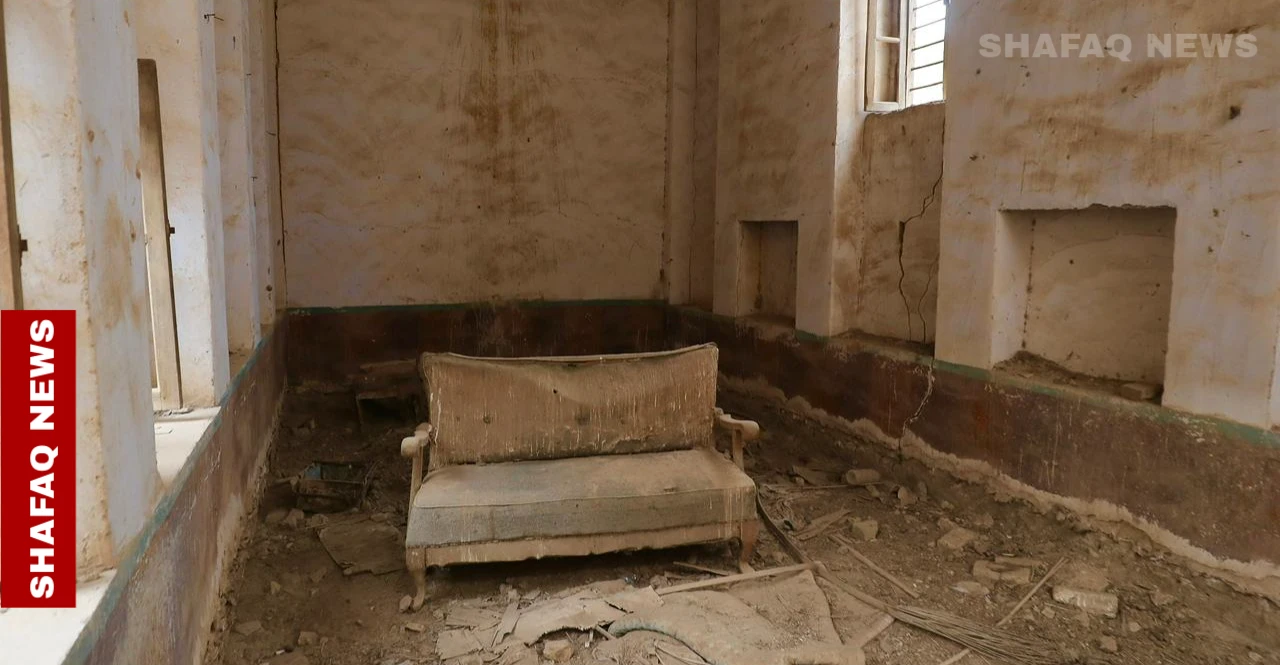
Ahmad Abdul Zaid, 52, a resident of the Tabar area, told Shafaq News that these homes were “like a paradise” in his childhood, noting they were well-maintained and “reflected the status of their owners, who were among the largest landowners in the region.”
The number of these houses ranged between 30 and 35, spread
across wide areas and surrounded by agricultural lands owned by the families,
he indicated, adding that many families later moved to other cities such as
Baghdad, Hilla, and Al-Diwaniyah, or left Iraq.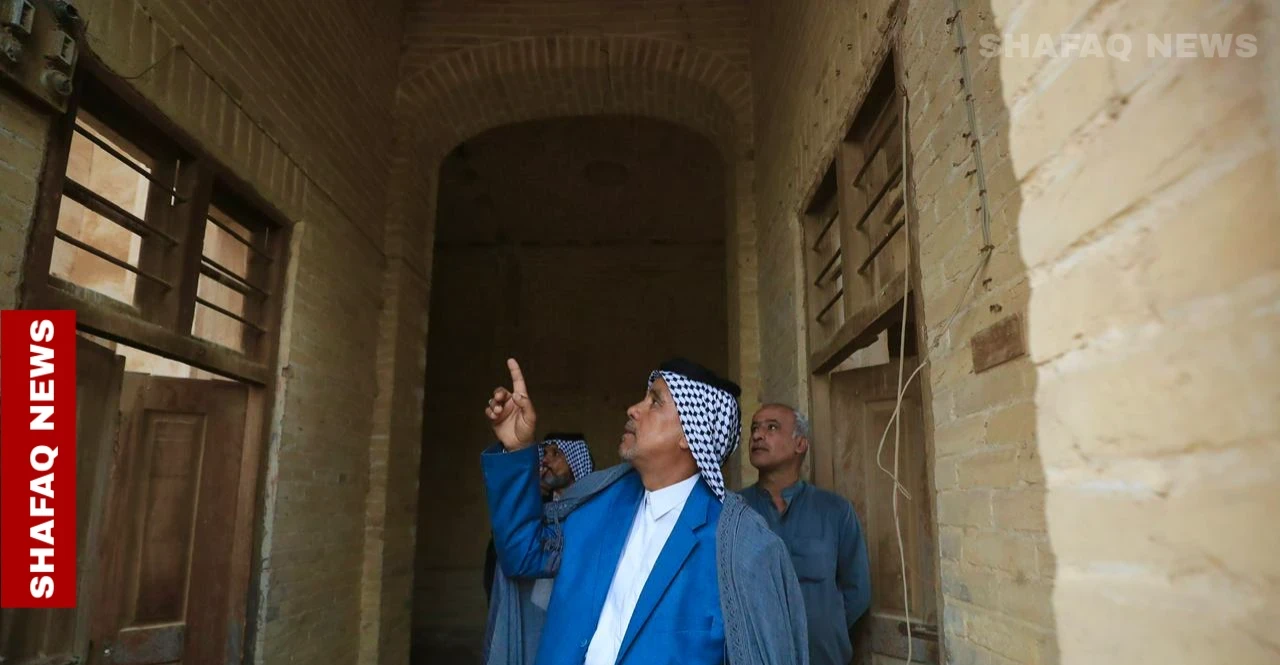
According to Islamic history researcher Adnan Karim Barshawi, among the most prominent is the Sayyid Noor Al-Yasiri Palace, believed to date back to around 1890, along with mansions built by his sons in the 1940s and others such as the palace of Hajj Abdul Wahid Al-Hajjar.
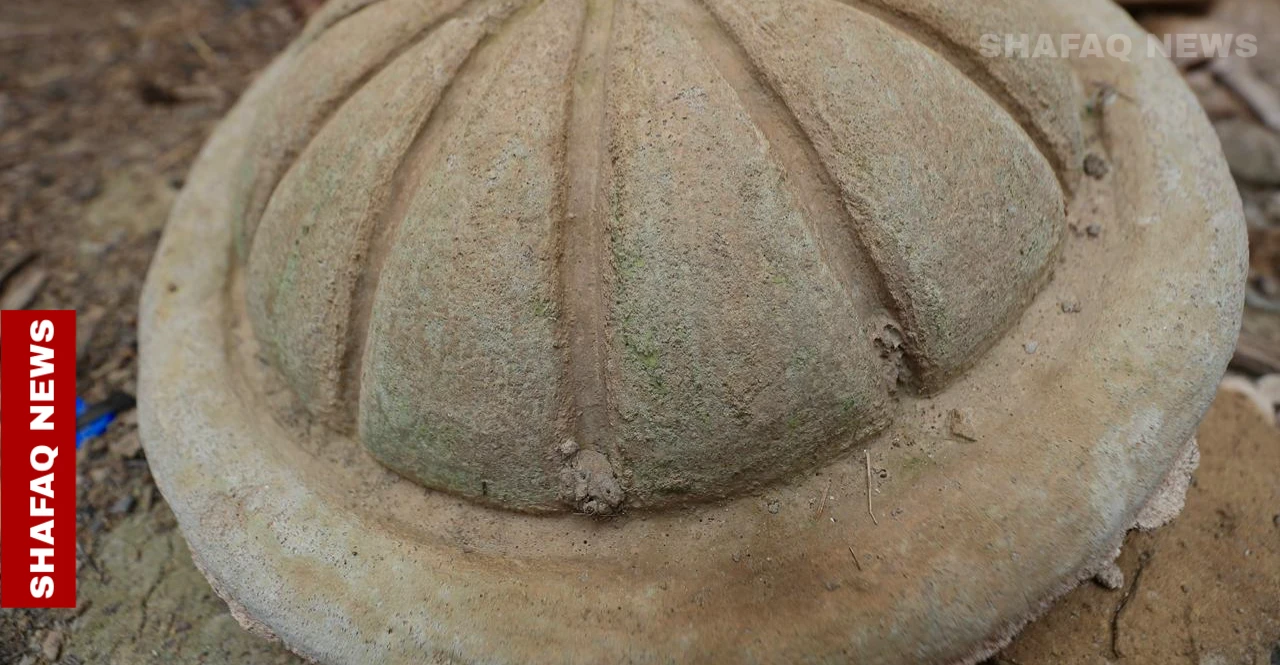
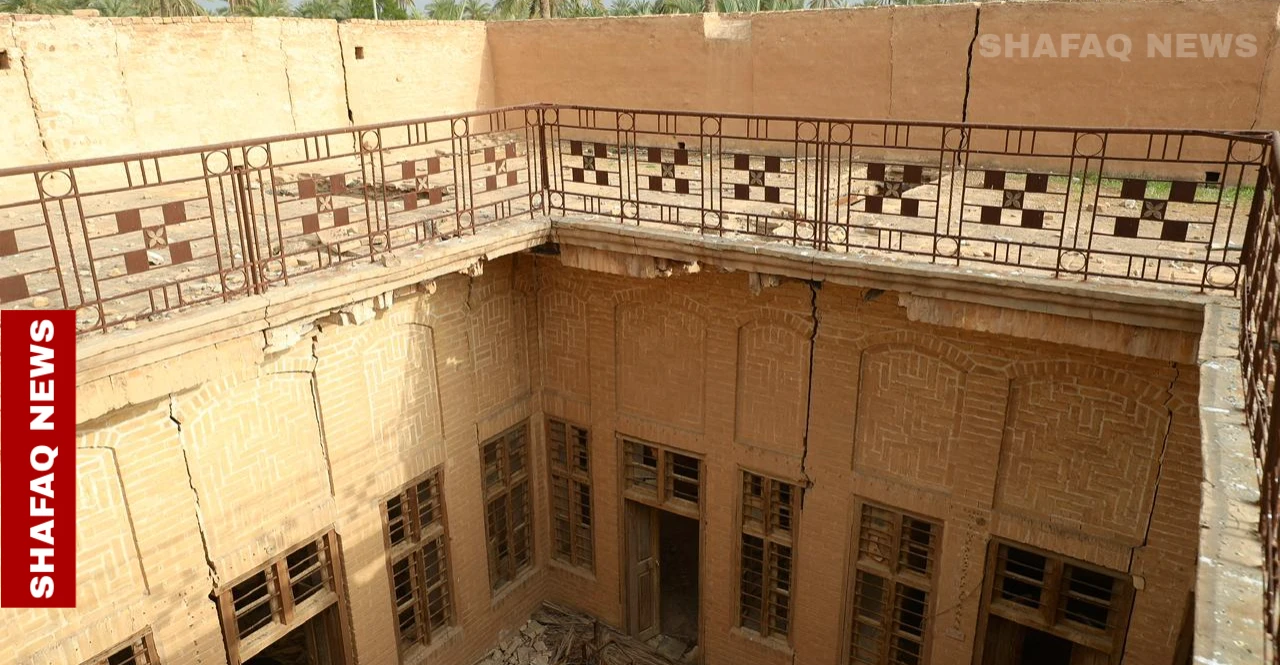
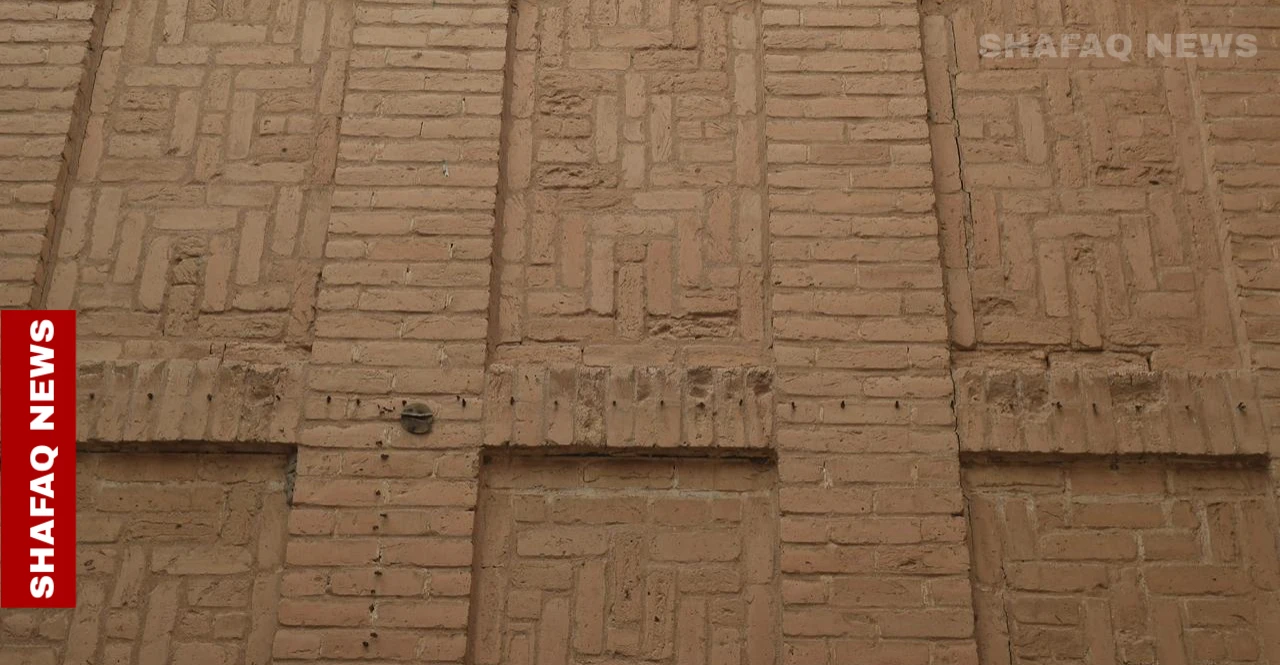
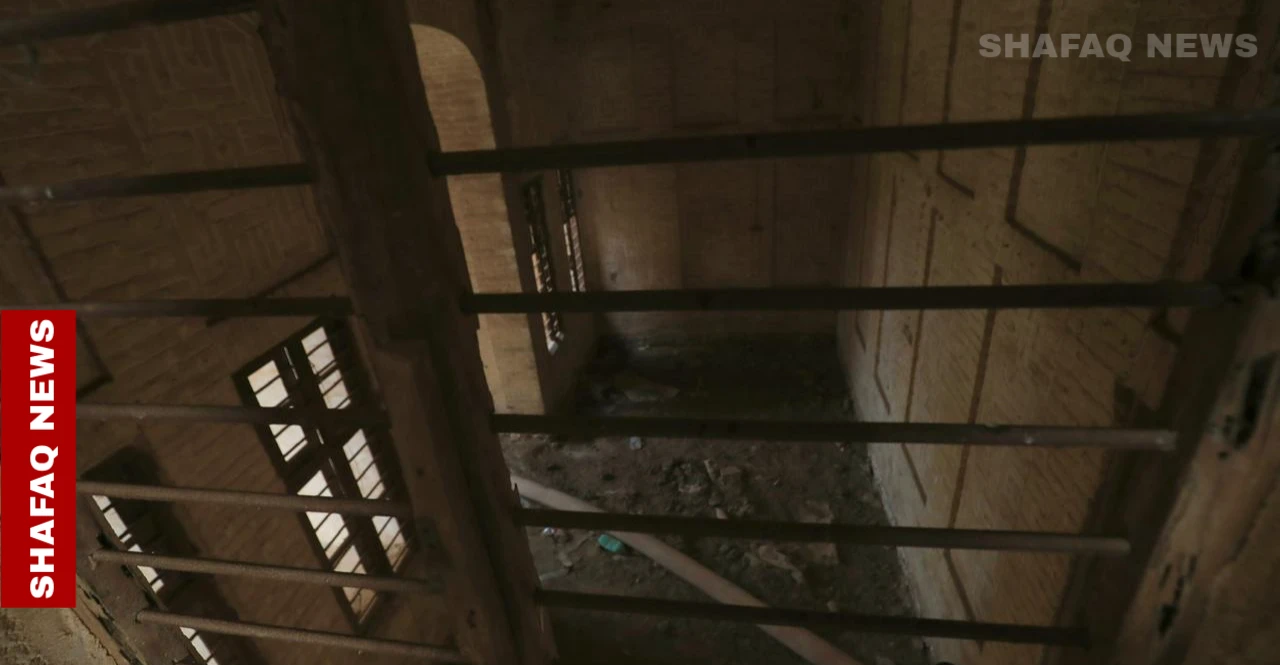
Barshawi explained that the architectural style of these mansions reflects Indian and Ottoman influences, particularly in window designs and decorative elements, as well as the large surrounding lands, many of which remain owned by the same families and are managed through representatives overseeing the estates and revenues.
Additionally, he said, these mansions played a key role during the 1920 Revolution, serving as venues for meetings among local leaders and as centers for political discussions that contributed to shaping modern Iraqi history.