Iraq’s receding Tigris uncovers Ottoman warship, water crisis


Shafaq News – Saladin
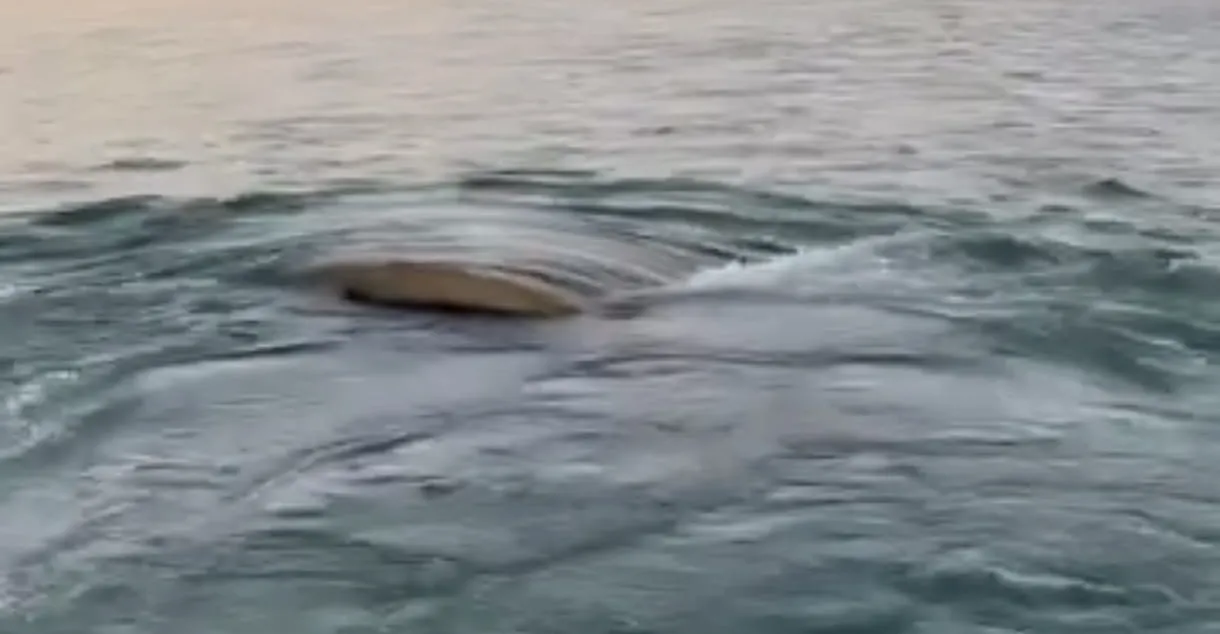
A drop in the Tigris River has exposed the wreck of an Ottoman warship that lay hidden for over a century, highlighting both a rare historical discovery and Iraq’s deepening water crisis.
A video posted by Iraqi explorer Ali Hamad drew wide attention on social media after documenting the emergence of the massive vessel near al-Shirqat district, north of Saladin province.
Residents say the ship was part of an Ottoman fleet destroyed in clashes with British forces. “It was bombed by British aircraft, according to what our ancestors told us,” said local elder Ibrahim al-Mousa.
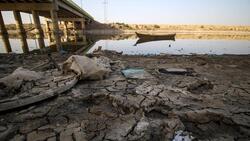
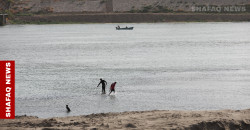
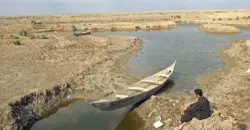
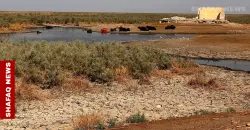
According to water expert Jassim Atiya, the ship’s reappearance is linked to the sharp decline in Tigris River levels over recent weeks. He stressed that reduced water releases from Turkiye and Syria have caused an unprecedented drop, exposing landmarks and structures submerged for decades.
Hydrology expert Hussein Ali told our agency that the recent drop represents “one of the most alarming water indicators Iraq has seen in years,” cautioning against the impact of upstream water projects and poor domestic management on Iraq’s share of the Tigris. He confirmed that the consequences are now visible across several provinces, where the river’s retreat has formed mud islands, hindered pumping operations, and disrupted the Agriculture Ministry’s winter cropping plans.
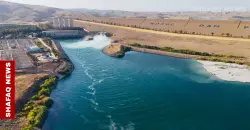
The continuing decline will also affect power generation from dams such as Samarra Barrage and Mosul Dam, while raising salinity in the Shatt al-Arab due to weaker freshwater inflows, he concluded.
Iraq is facing a deepening water shortage as reduced river inflows, low rainfall, and years of resource mismanagement have sharply depleted national reserves. The Ministry of Water Resources reported that 2025 could be the driest year since 1933, with inflows into the Tigris and Euphrates basins dropping to 27% of last year’s levels and reservoir storage standing at only 8% of capacity, affecting agriculture and marshland areas in the south.
Read more: Iraq’s water crisis deepens: Reserves collapse, mismanagement continues