Iraq’s agal: A timeless symbol of tradition and status


Shafaq News- Najaf
The agal, the black circular headband worn over the keffiyeh and other traditional head coverings, remains an important part of Iraqi dress and social life, carrying different meanings from childhood in rural and desert communities to adulthood, when it can signify dignity, responsibility and social standing.
For some Iraqi families, boys begin wearing the agal at around the age of five. The custom introduces them to traditions associated with their fathers and grandfathers while teaching values such as generosity, hospitality and respect for others. As they grow older, the same piece of clothing can take on a different significance, becoming associated with the responsibilities expected of a man within his community.
Read more: Stitched in isolation: Iraqi fashion fights to be seen
Learning the Agal
Hadi al-Ghazali, a member of Iraq’s desert communities, told Shafaq News how the practice begins early. Children are encouraged to spend time with older people, listen to their conversations and learn from their experiences, making the agal part of a broader tradition of passing customs from one generation to the next.
“The agal gives a man greater social standing within the desert community,” al-Ghazali said. Wearing it also comes with an expectation that a man will be conscious of his behavior, weigh his words and actions, and remain faithful to the values and traditions he grew up with.
Those meanings are especially visible in communities where
customs surrounding dress remain closely tied to family and social life. But
the story of the agal itself reaches well beyond the desert and the period in
which the garment acquired its modern form.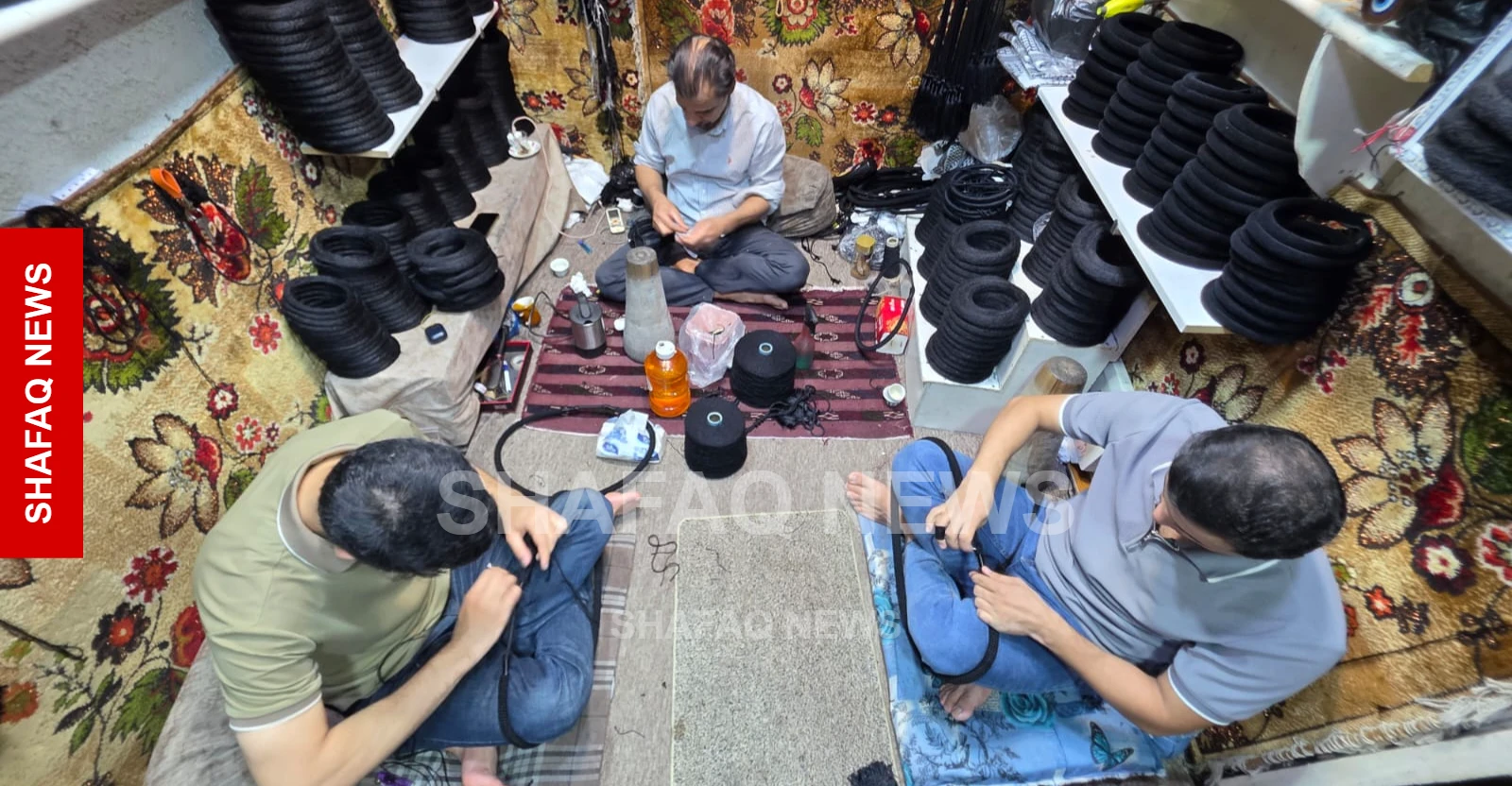
Threads of Time
Archaeological researcher Burhan al-Delfi traced that longer history through ancient Mesopotamian depictions of head coverings. Statues of rulers show that what people wore on their heads could carry social and political significance thousands of years ago, providing clues about status as well as dress.
Gudea, the ruler of the Sumerian city-state of Lagash in the late third millennium BCE, is among the best-known examples. Several statues portray him wearing a distinctive head covering. The Louvre Museum describes it as a royal headdress, while the Head of Gudea, one of the most recognizable pieces, dates to around 2120-2110 BCE.
It would be tempting to draw a straight line from those sculptures to the agal worn in Iraq today, but the evidence does not support that conclusion.
Al-Delfi pointed out that Gudea’s head covering was a complete piece worn over the head, whereas the modern agal is a separate circular band placed over a keffiyeh or another head covering to hold it in place.
The resemblance, he cautioned, is therefore not enough to establish a direct historical link. What the archaeological record does show is that head coverings held symbolic importance in Iraq more than 4,000 years ago, with royal statues offering evidence of their place in ancient society.
The agal in its contemporary form emerged much later as part of traditional Arab dress. Over time, it developed associations of its own, linked to dignity, prestige and a man’s position within his community. Those associations have helped keep it relevant even as the clothes and lifestyles surrounding it have changed.
In Najaf, that continuity can be found not only in what
people wear, but also in the hands of those who make it.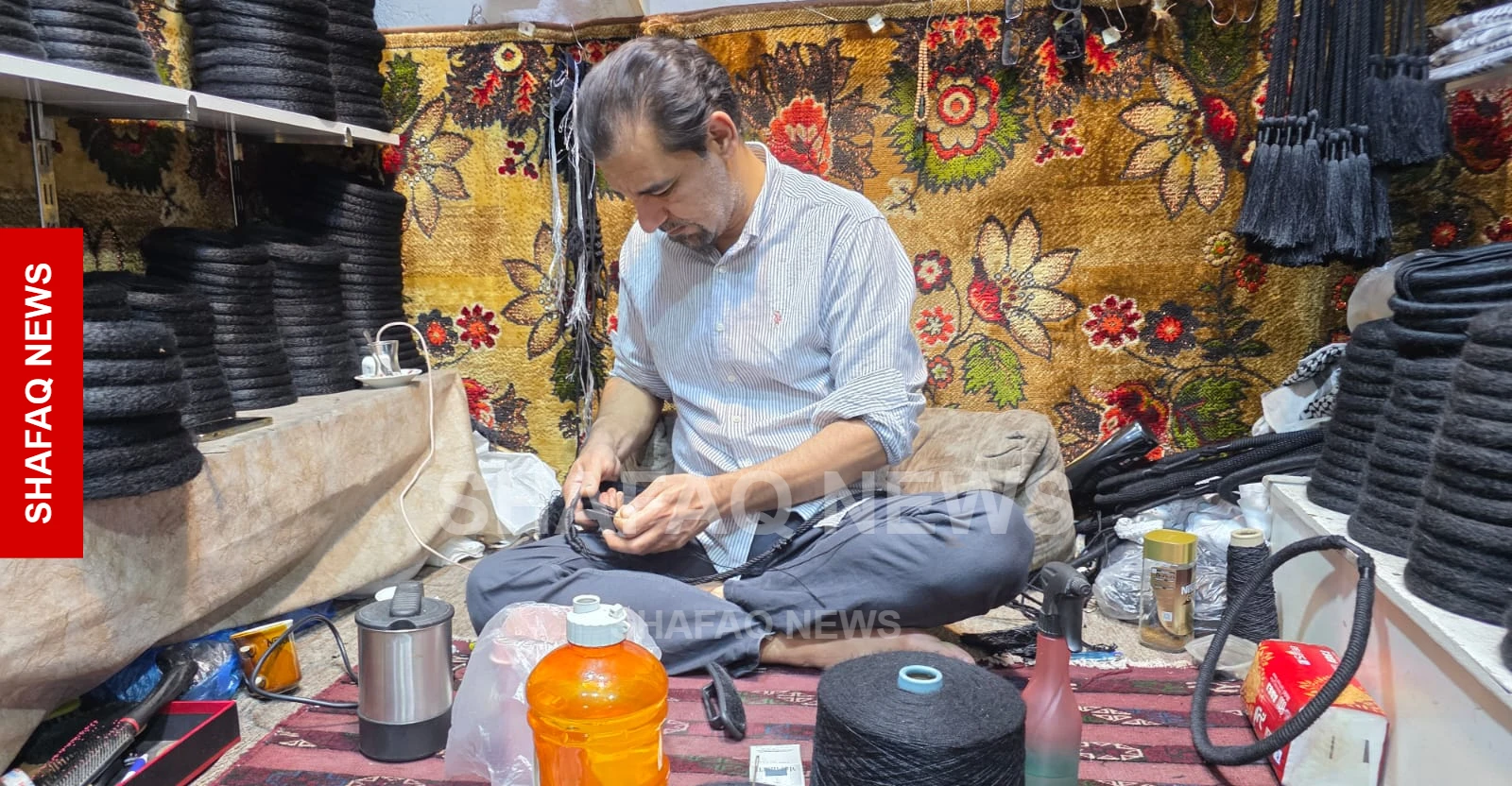
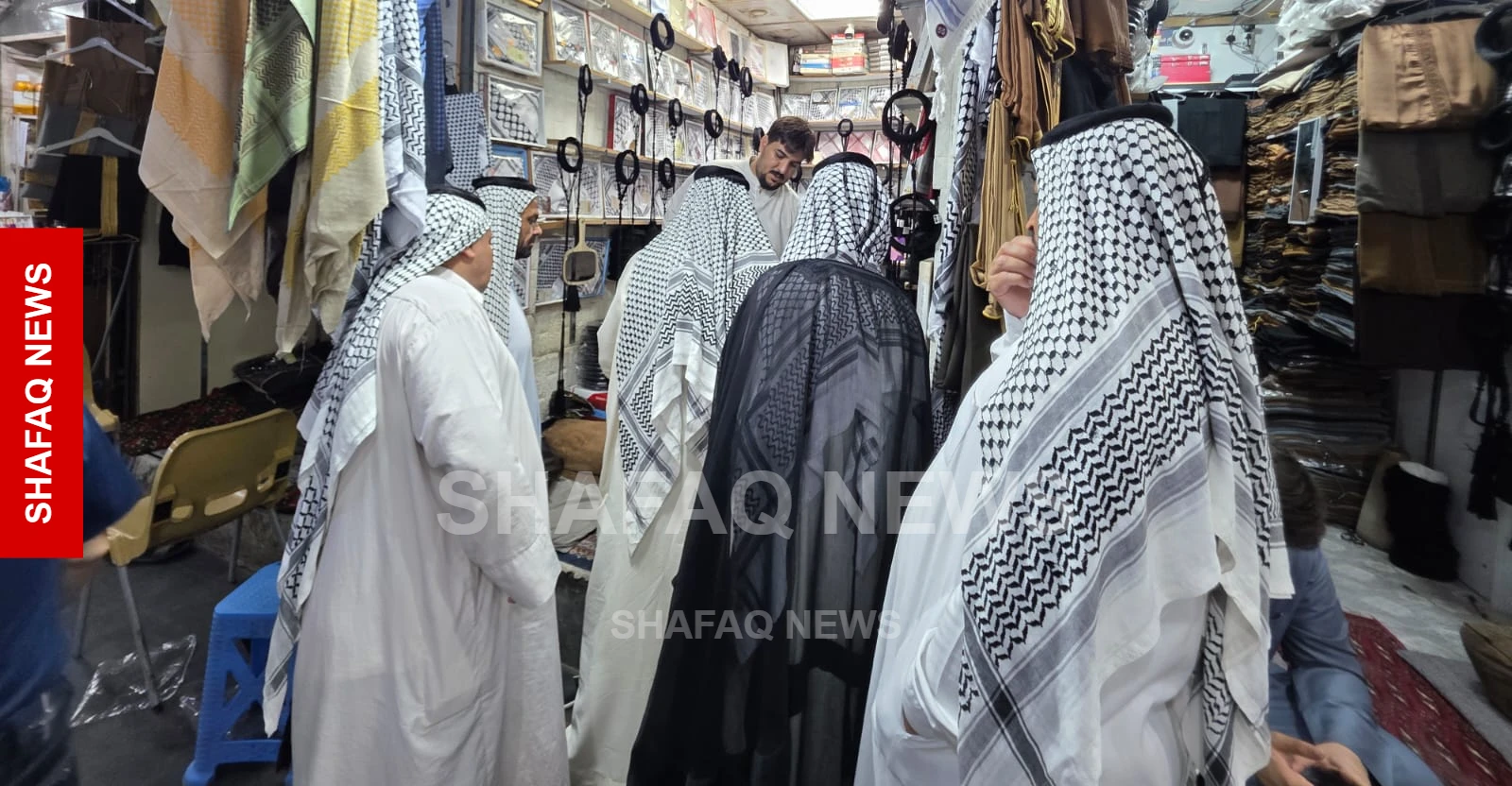
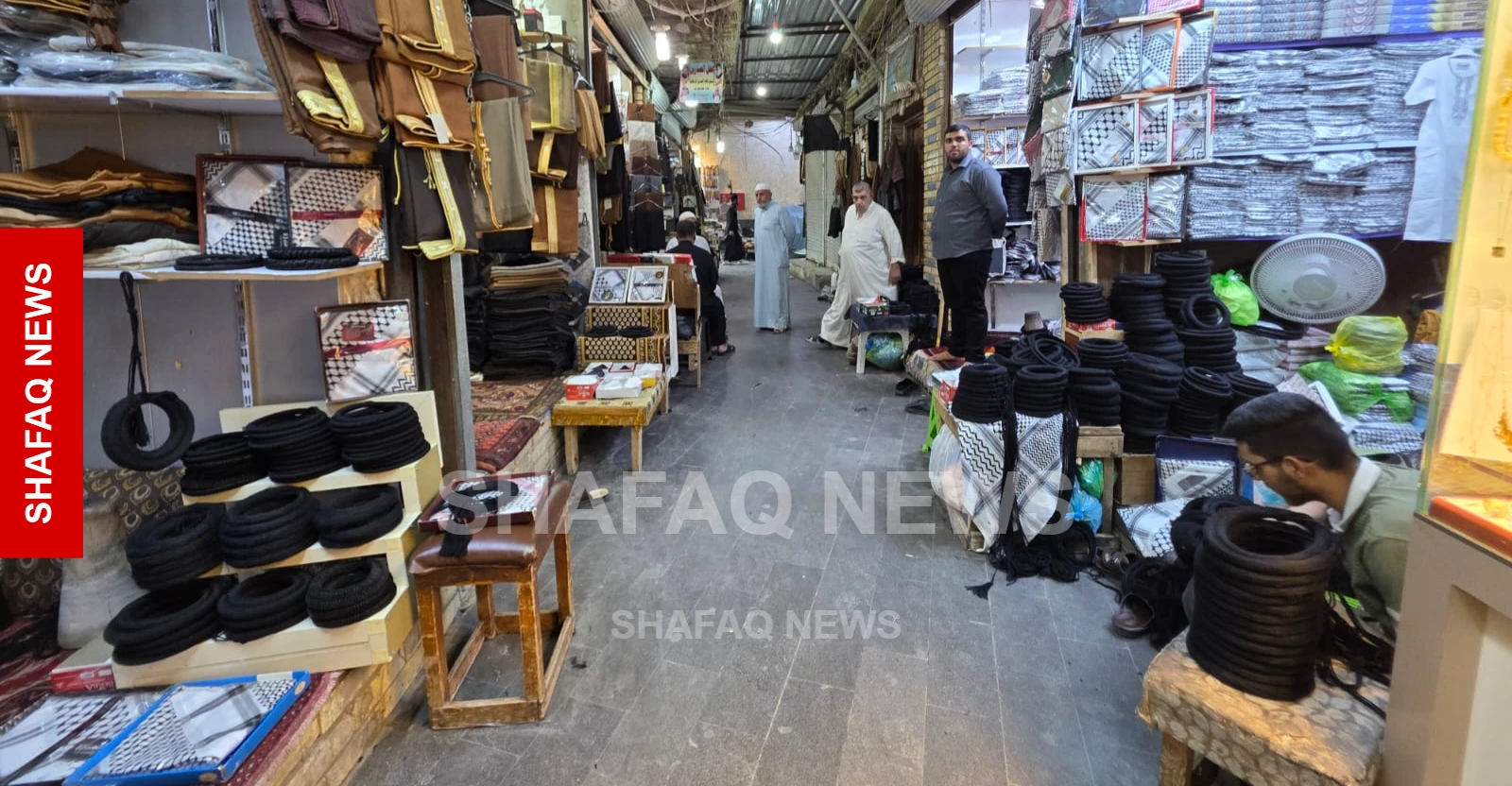
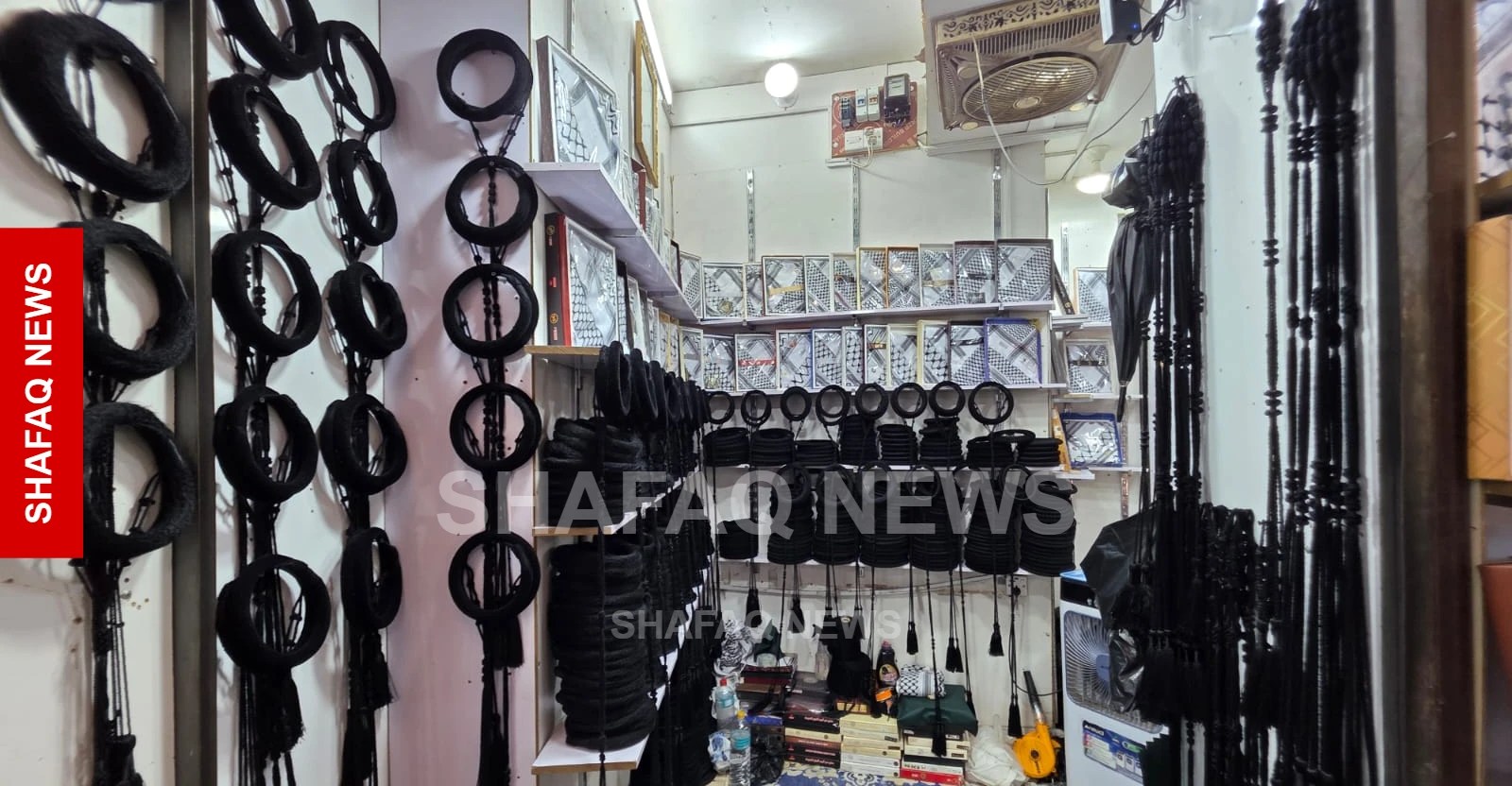
Rahman Twaij, who owns a shop selling agals and keffiyehs, noted that the trade still relies on a variety of styles and materials. Najaf supplies its own market, while agals made there also reach customers in other parts of Iraq and abroad.
Among the varieties are the maraaz, Syrian and imported types. The maraaz is one of the styles most closely associated with Najaf. Textile threads arrive from the Levant, and local craftsmen then sew and finish the agals before they are offered for sale.
The differences are not always obvious to an unfamiliar eye. Maraaz agals can be smooth, rough or soft, and buyers tend to have different preferences depending on where they come from. Customers from western Iraq generally favor softer varieties, while those from the central and southern provinces often look for a maraaz style known as Abu al-Shaar, or “the hairy one.”
Maysan province has its own preference in the muqaddaf, also known as the qadeefa agal. Twaij noted that the variety is relatively recent. Japanese threads are used to make it, although the work itself is carried out in Najaf.
The trade has changed along with the tools used to make the garment. Before 2003, Twaij recalled, craftsmen obtained maraaz agals from Sinjar and Mosul and sent them through stages that included spinning, washing and dyeing. They were then brought back for final preparation and sale.
Sewing machines have since made much of the process easier, particularly spinning and stitching, reducing the time required to produce different varieties. That has not erased the differences between one agal and another. It has simply made it easier for craftsmen to meet them.
Prices begin at around 4,000 Iraqi dinars ($3.05) and can reach approximately 300,000 Iraqi dinars ($229), depending on the type, quality and method of production. Some customers also order pieces according to their own specifications.
Read more: Baghdad’s black beauty: Zaynabi Abaya still reigns supreme in Iraqi culture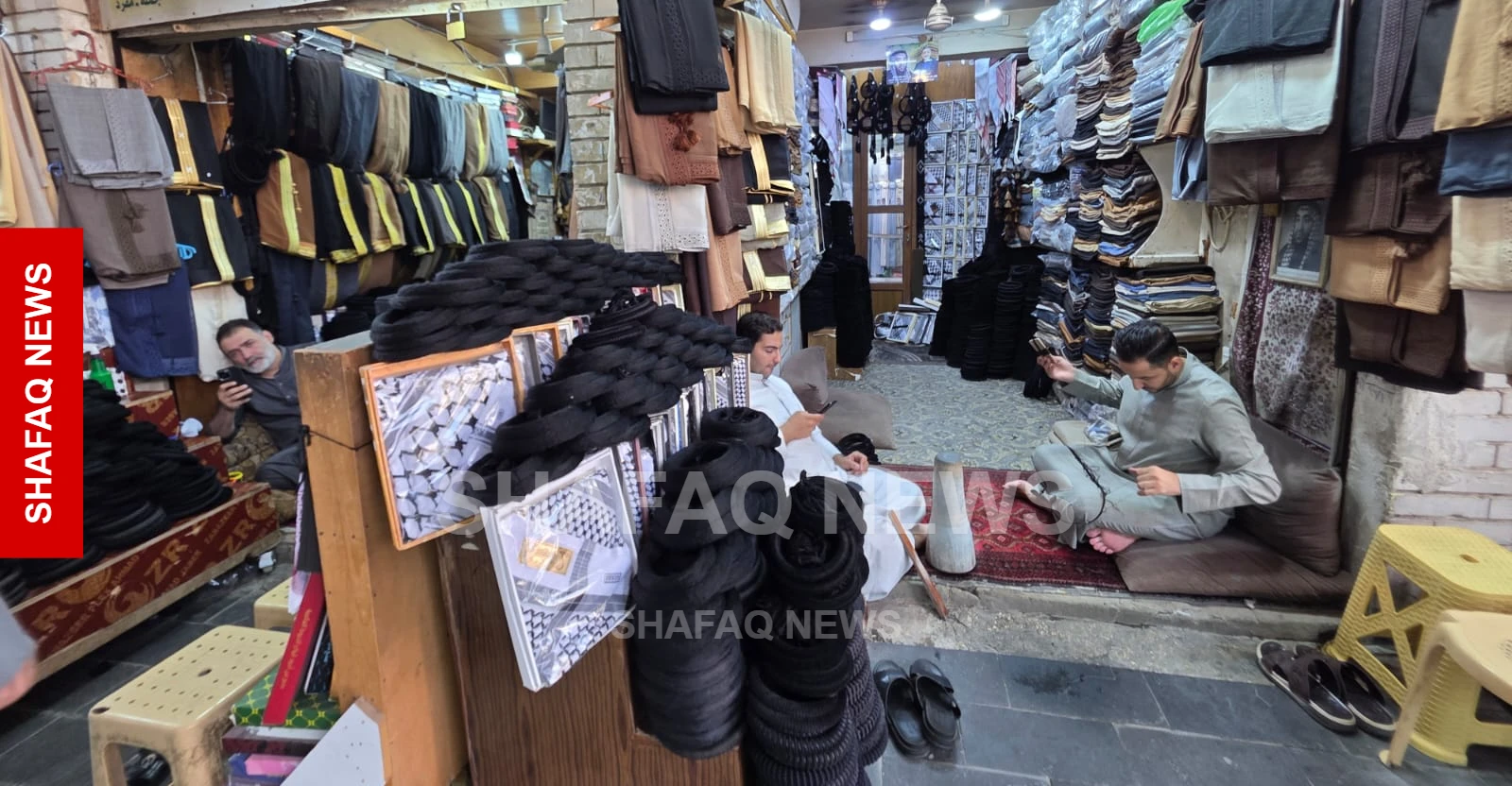
Woven Differences
Walk through Najaf’s Abayjiya Market, near the shrine of Imam Ali, and those differences become easier to see. Agals in different shapes and finishes sit alongside the keffiyehs they are meant to secure, reflecting tastes that extend beyond Iraq’s borders.
Abu Ali al-Najafi, who owns an agal shop in the market, noted how Arab styles have developed according to local cultures, customs and environments. Iraqi and Gulf varieties differ in their shape, materials, weight and construction.
An Iraqi agal is generally medium to wide in thickness, with a fuller, more rounded appearance when worn over the head. Some Gulf varieties are thinner and flatter, giving them a lower profile above the head covering.
The material can make the distinction just as clear. Traditional Iraqi agals commonly use goat wool, while silk is incorporated into some varieties. They are generally dark black with a matte appearance.
Some Gulf styles use wool, synthetic fibers and other
materials and can have a more noticeable sheen. Iraqi agals also tend to be
heavier and more rigid, allowing them to retain their circular form over a
keffiyeh or shemagh. Some Gulf versions are lighter and more flexible.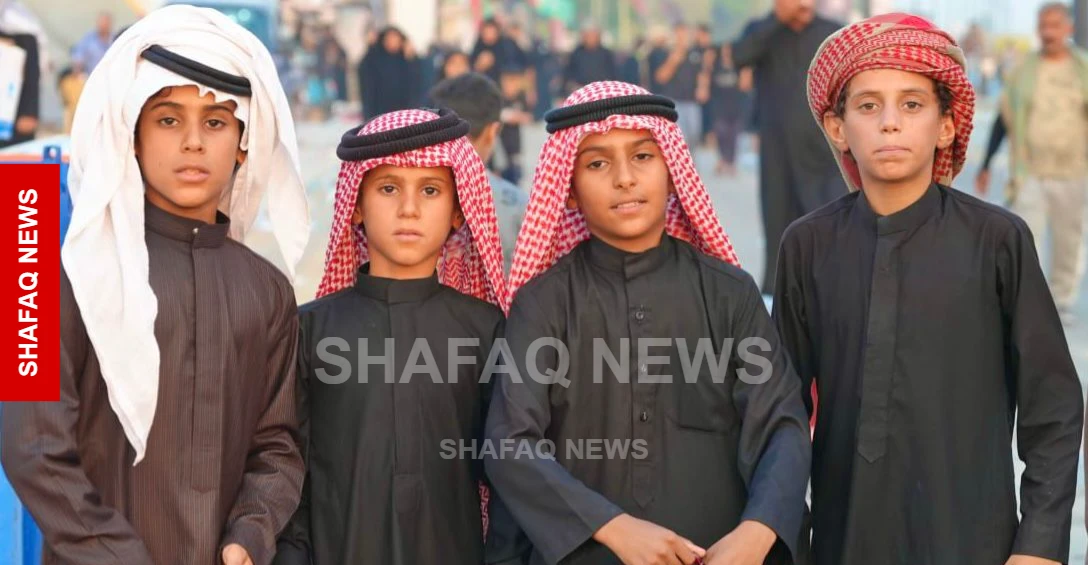
Even the back can carry a regional signature. Iraqi agals are generally plain, without hanging cords, while some Gulf varieties feature decorative additions known in certain countries as karkousha or hadab.
For al-Najafi, those differences illustrate the way traditional clothing changes with the people who wear it. The agal may be recognizable across much of the Arab world, but its shape, materials and construction have been shaped by local preferences.
Yet beneath those variations is a remarkable consistency. Across regions and generations, the agal has retained its basic purpose and recognizable form, adapting to changing tastes without losing its identity.
The agal’s durability lies partly in its simplicity. It does not need to change much to remain recognizable. It has moved from one generation to another, from desert communities to city markets, and from older methods of production to machines, while continuing to occupy a familiar place in Iraqi dress.
In Najaf, the story is still being made: on a craftsman’s worktable, in the hands of a customer choosing a particular style, and on the head of a child beginning to learn what the black band means.
Read more: Discover Iraq: Najaf, a city of dust and divinity