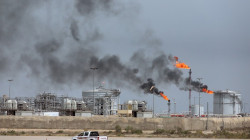
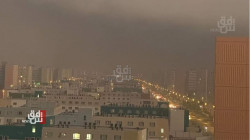
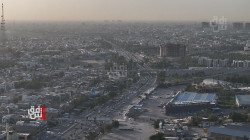
Factory smoke stokes health fears in Bismayah


Shafaq News- Baghdad
In Bismayah, residents say smoke from nearby factories begins spreading after dark and thickens by morning, just as families leave for work and school.
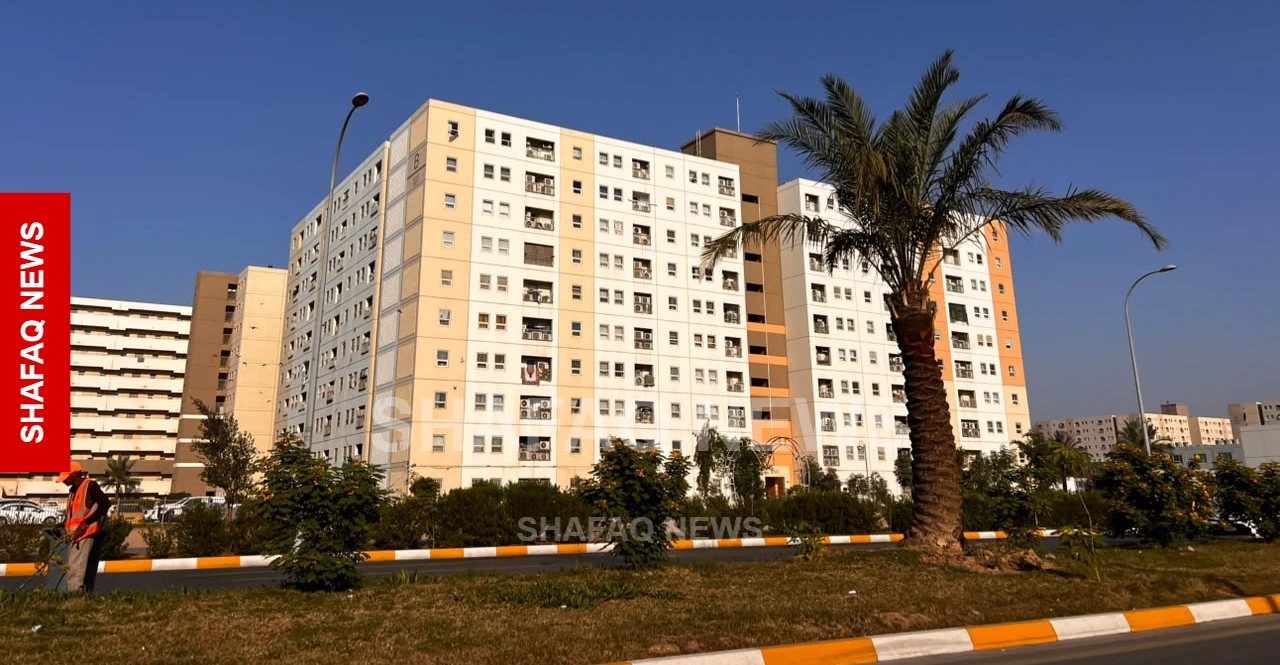
Their complaints have raised a question about one of Iraq’s largest housing projects after Environment Minister Sarwa Abdulwahid called it “unfit for habitation.”
The city, about 25 kilometers southeast of central Baghdad, was designed for up to 600,000 people in 100,000 homes. Iraq launched the project in 2012 with South Korea’s Hanwha, and the first homes were handed over in April 2016. Today, brick and asphalt plants operate around the development, and residents say some factories run around the clock.
Dispute Over Environmental Approval
In a November 15 television interview, Abdulwahid said her ministry had withheld environmental approval because of factories and other polluting activities nearby. She also said the planned Al-Ward housing complex in Al-Nahrawan would be denied a license for the same reason.
National Investment Commission spokesperson Salam Al-Rubaie gave a different account. He told Shafaq News that Bismayah received its investment license after securing clearance from all relevant agencies, including the Environment Ministry.
Abdulwahid later surveyed Bismayah, Al-Nahrawan and Al-Rashid Camp from the air with support from the Interior Ministry and Iraqi Army Aviation. Her office said the survey identified dozens of activities in breach of environmental rules and that she ordered legal action against violators.
Smoke After Dark
Residents say earlier inspections and warnings prompted some factories to cut their operating hours. They say enforcement has since eased and that smoke and strong odors are often worst around dawn.
Sabah Al-Kaabi, a Bismayah resident, called for a peaceful protest and urged the ministry to act, citing concerns for children and older people. Another resident, Farah Abdo, questioned how authorities approve housing near industrial sites and called for ministries to coordinate before construction begins.
Local activist Moataz Al Mahmoud said some residents reported feeling ill after breathing air that smelled of sulfur. He urged authorities to enforce “an earlier decision by Prime Minister Ali Al-Zaidi giving factories in the area a year to relocate.”
Who Is Responsible?
Journalist Salem Mashkour told Shafaq News that metal smelters and informal waste-burning sites add to the pollution from brick and asphalt factories, calling for a coordinated government response and closer monitoring of plants that operate at night.
Maj. Gen. Thaer Hamid Saleh, who heads the Environmental Protection Police, said inspectors patrol the area by day and night and have shut down several asphalt and brick plants in Al-Nahrawan. He also identified the local landfill as a concern, citing waste burning and gas emissions. Baghdad’s municipal authorities are responsible for waste management there, he said, while the Environment Ministry measures air quality.
In a November 22 report, the Green Iraq Observatory estimated that about 8,000 businesses and industrial facilities were operating in breach of environmental standards across Baghdad. It challenged official accounts of shutdowns and identified Bismayah as one of the areas most affected.