Al-Huwaish book market: Where faith and atheism share shelves


Shafaq News- Najaf
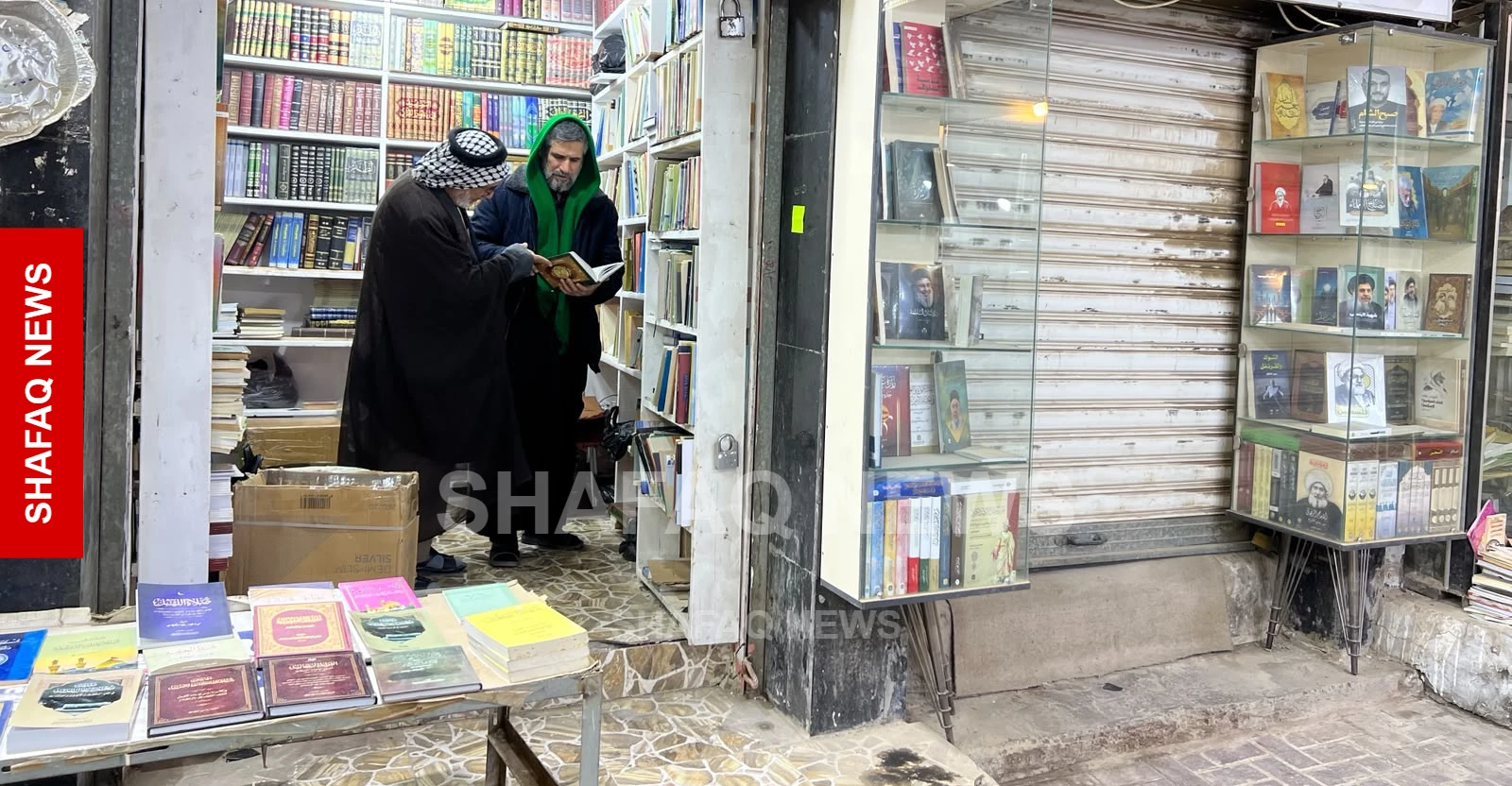
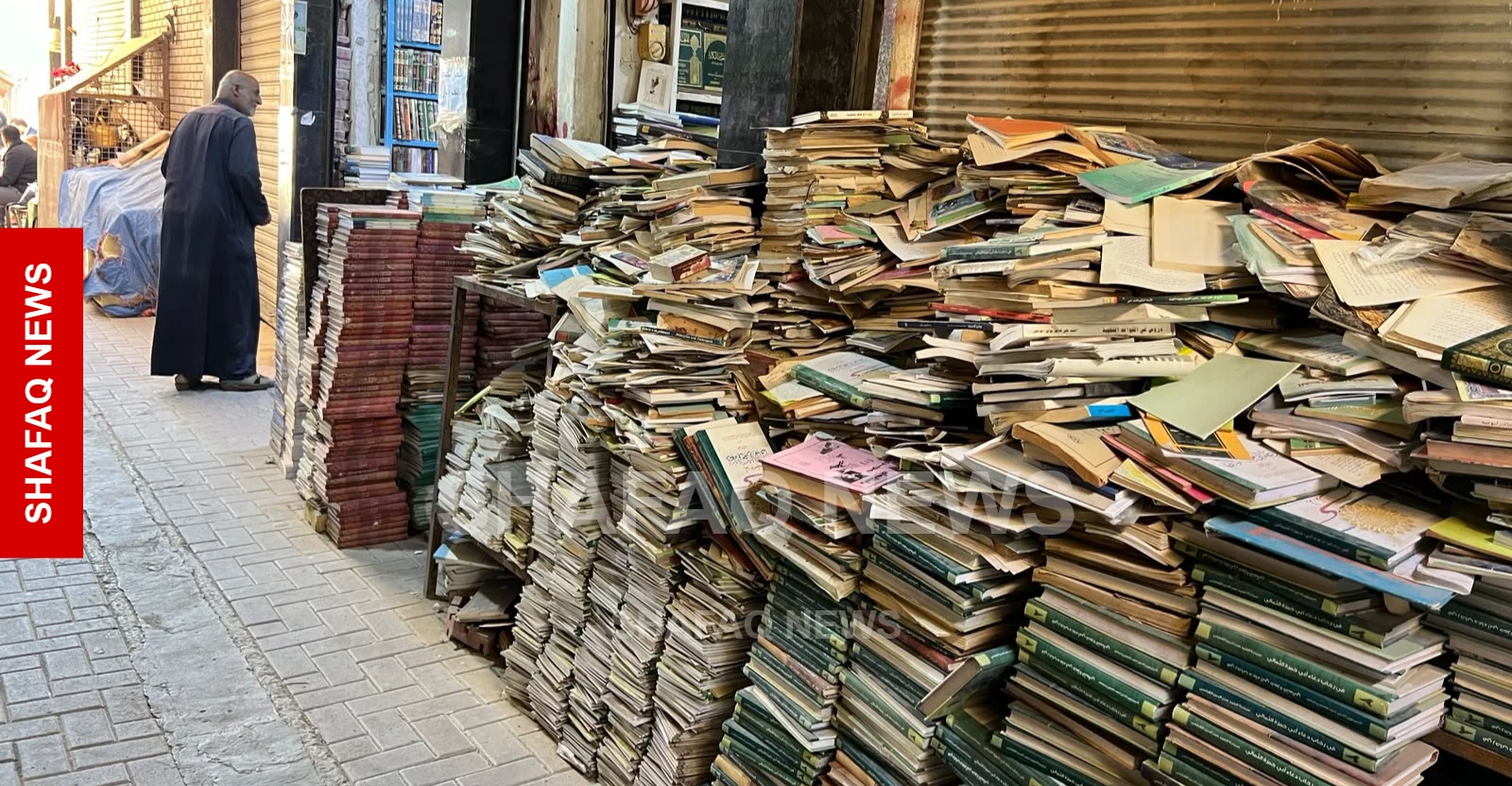
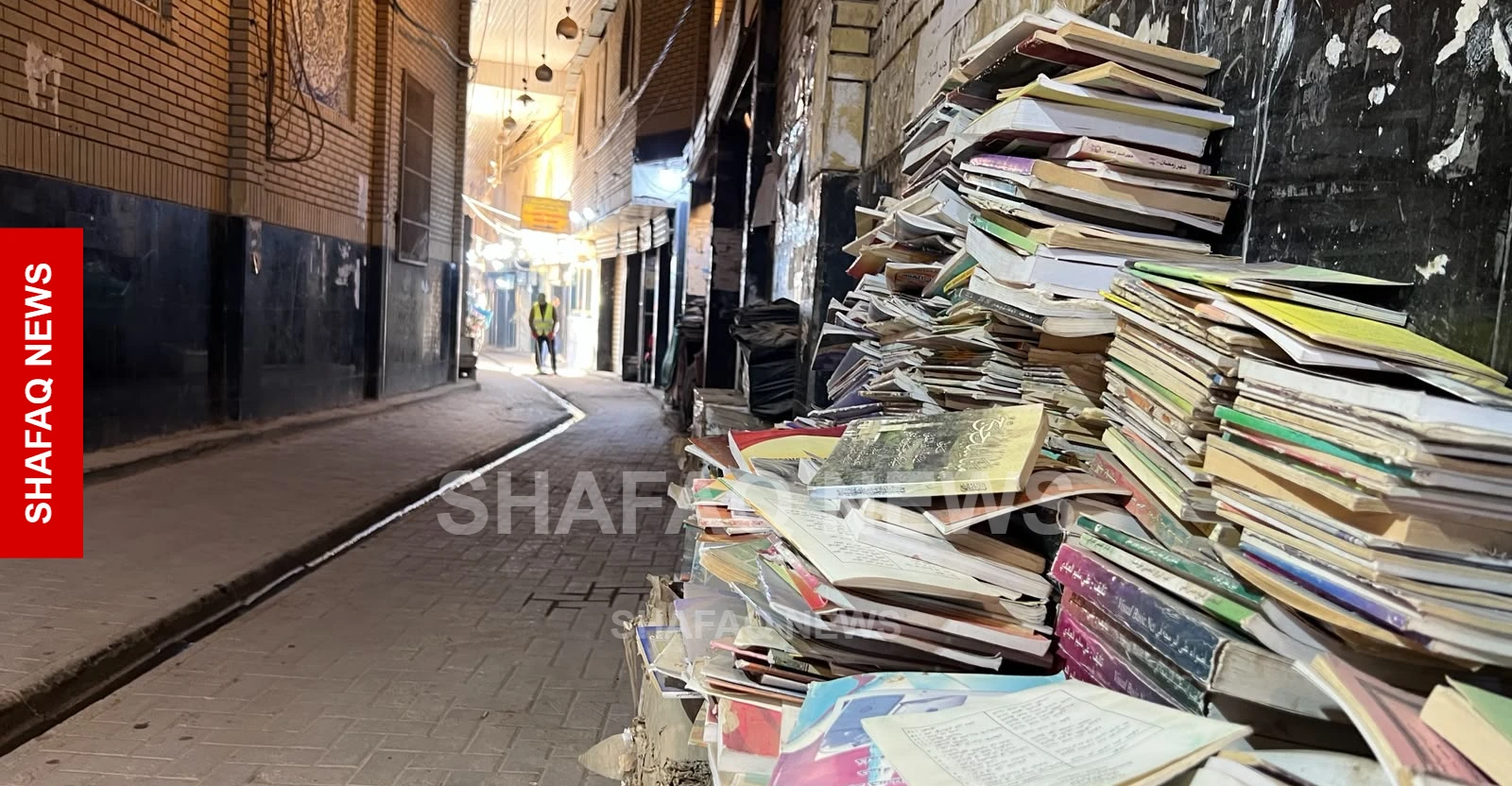
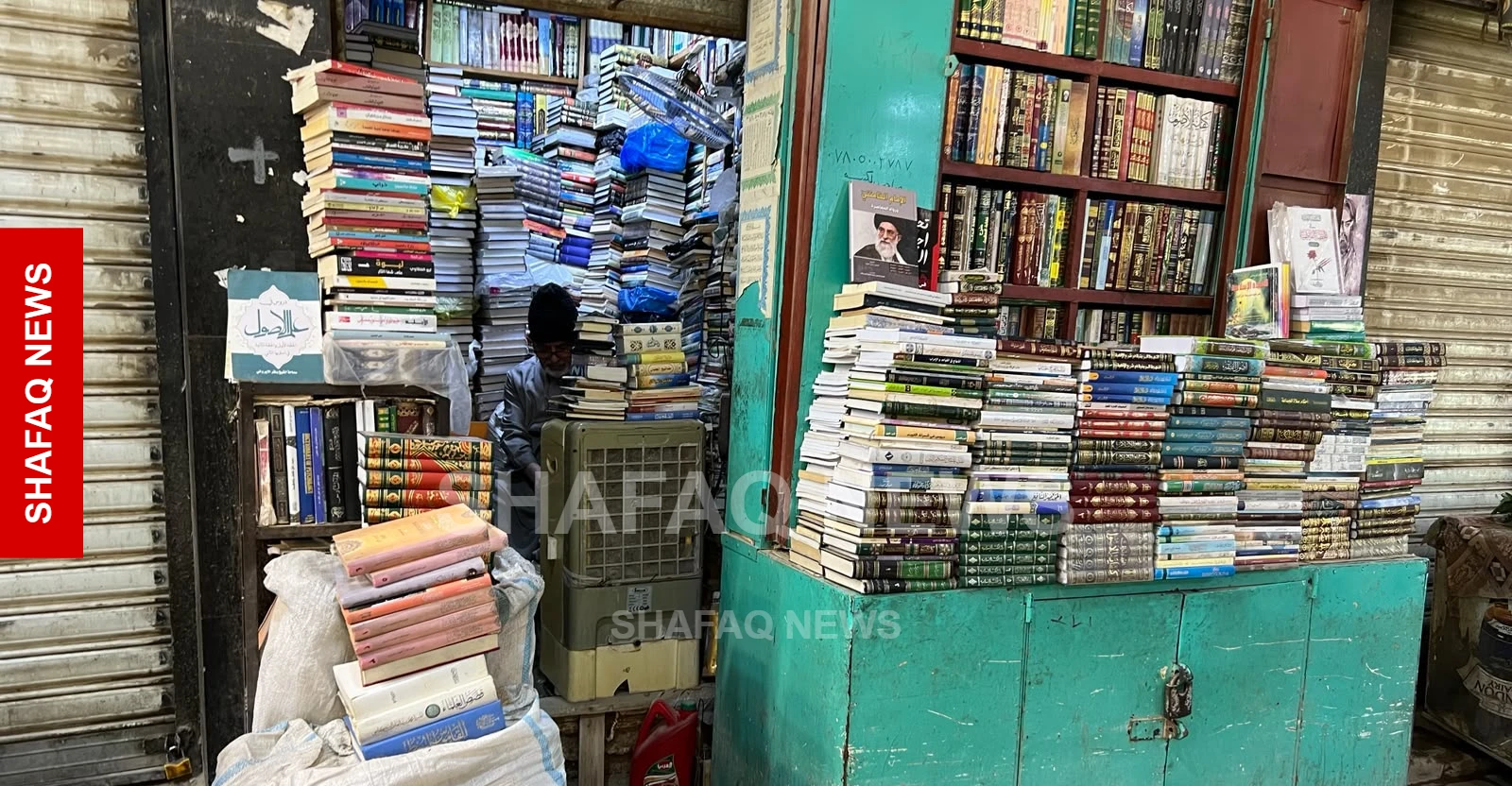
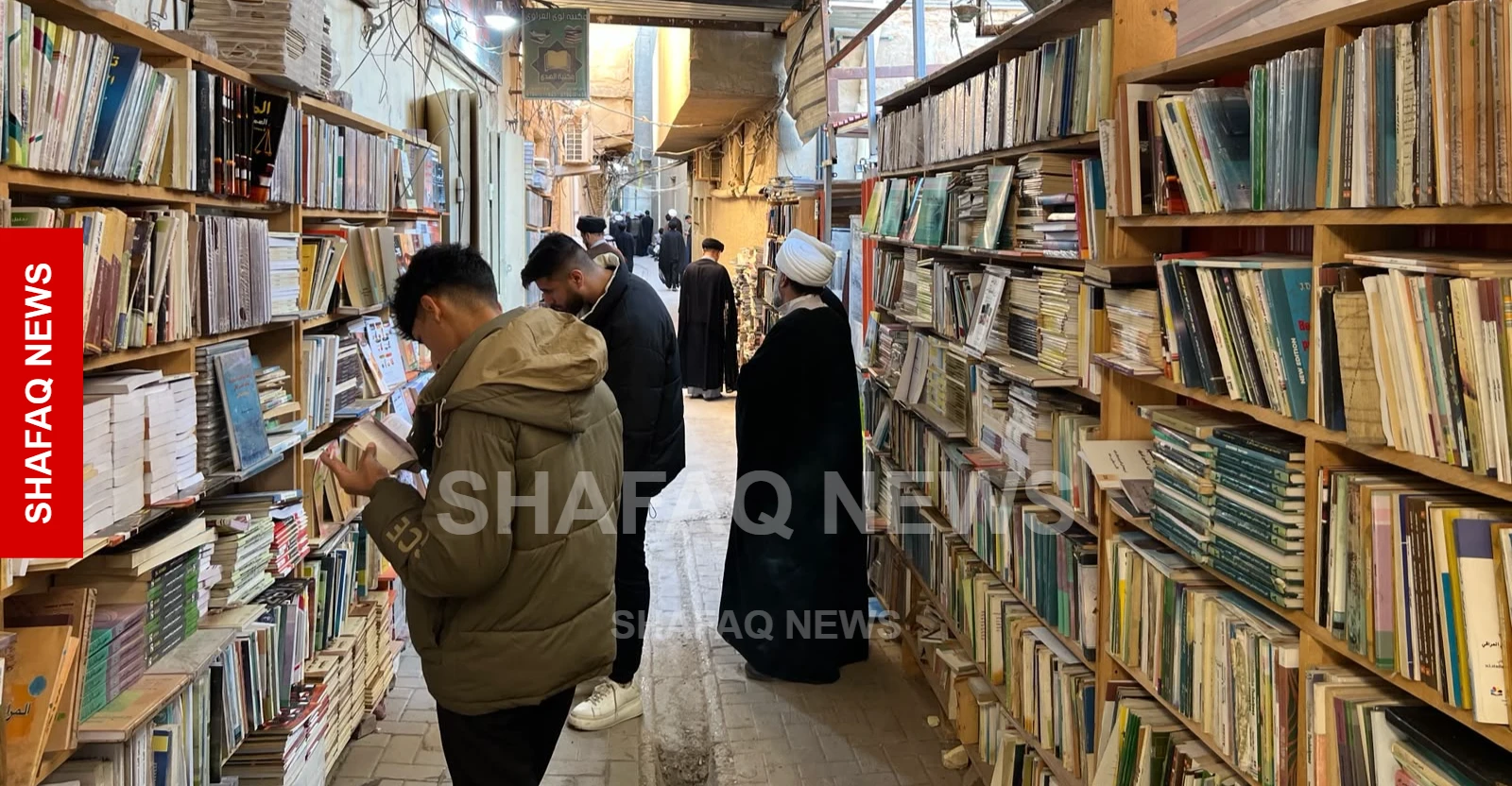
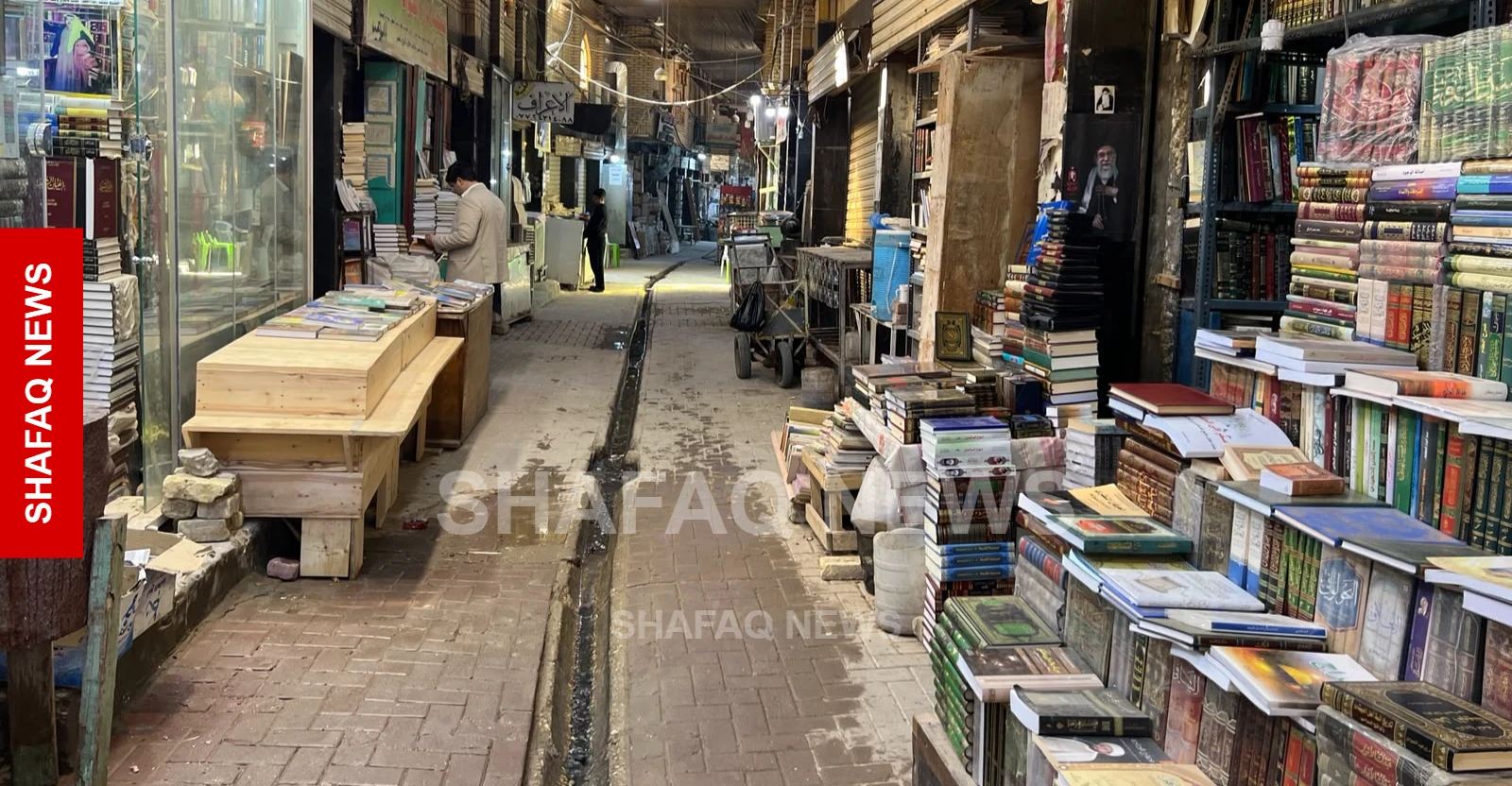
A few steps from the Imam Ali Shrine in Iraq's holy city of Najaf, a narrow street holds stories that have survived generations, political upheaval, and years of censorship. In Al-Huwaish, books are more than goods displayed for sale. They are part of the city's memory, carrying the voices of scholars, writers, and readers who once risked punishment to keep knowledge circulating.
At first glance,
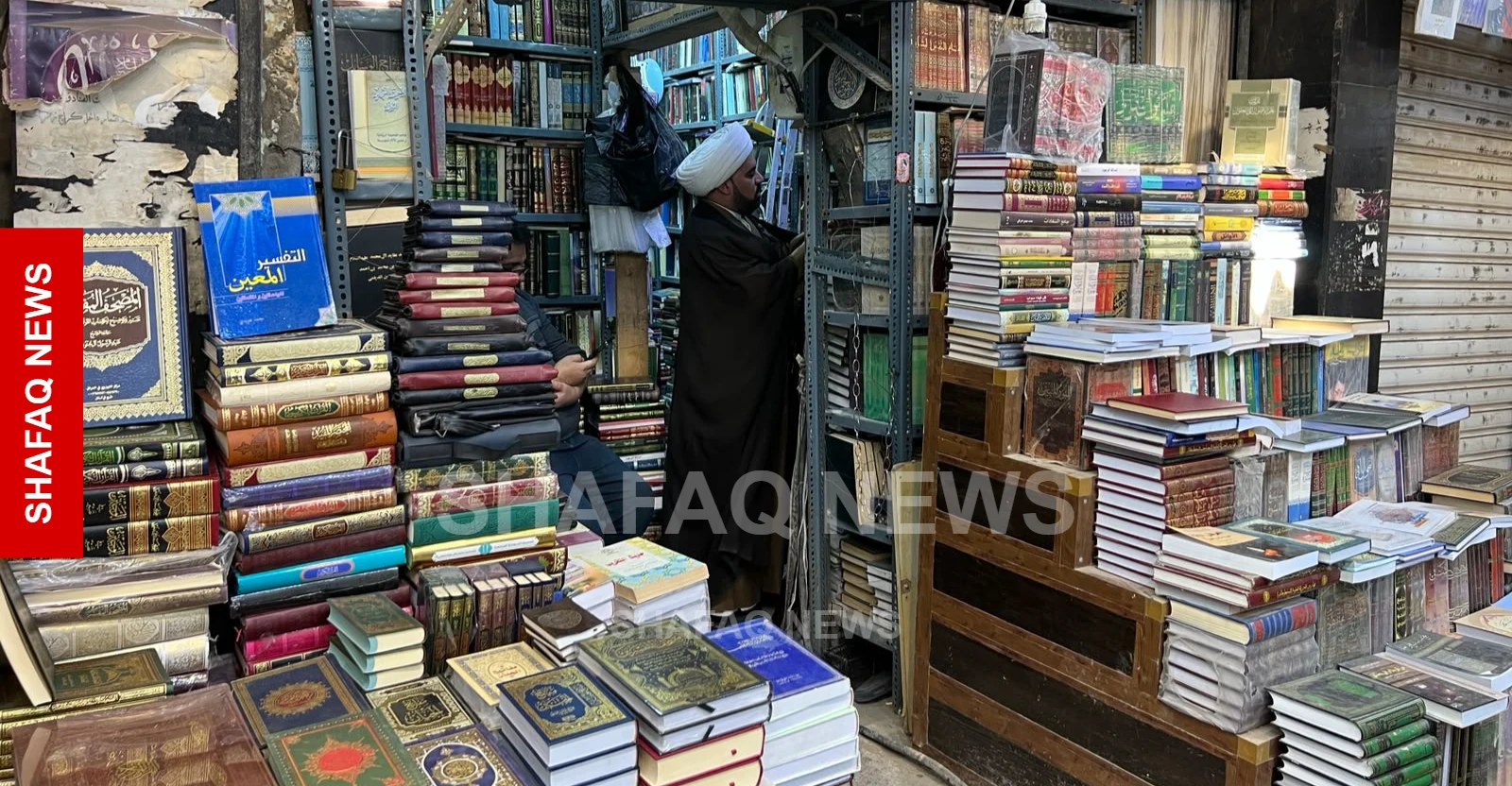
visitors might expect a market devoted entirely to Islamic scholarship.
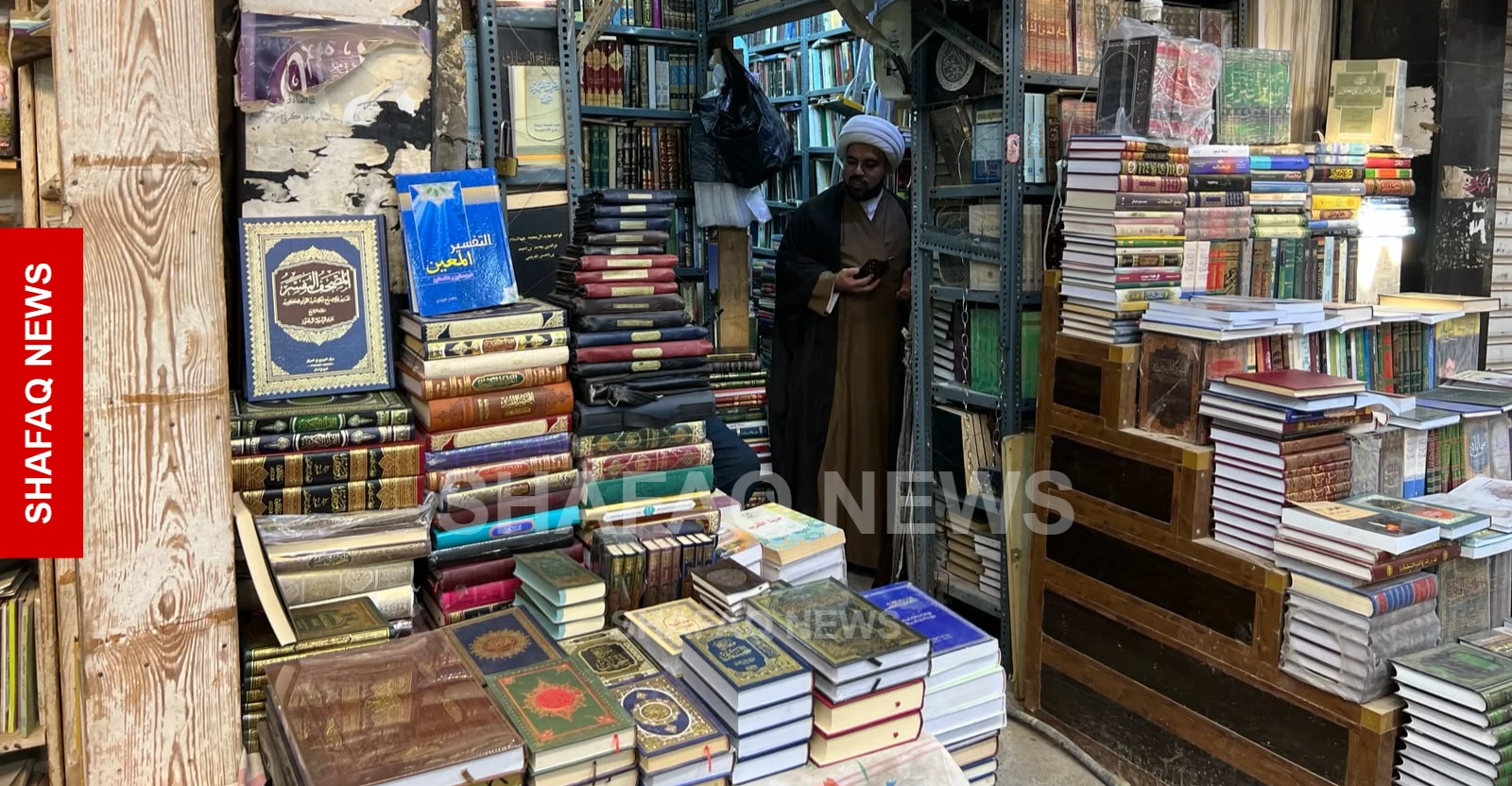
Surrounded by Najaf's renowned Shiite religious seminaries, Al-Huwaish appears
to belong to the world of clerics and religious students. Yet a short walk
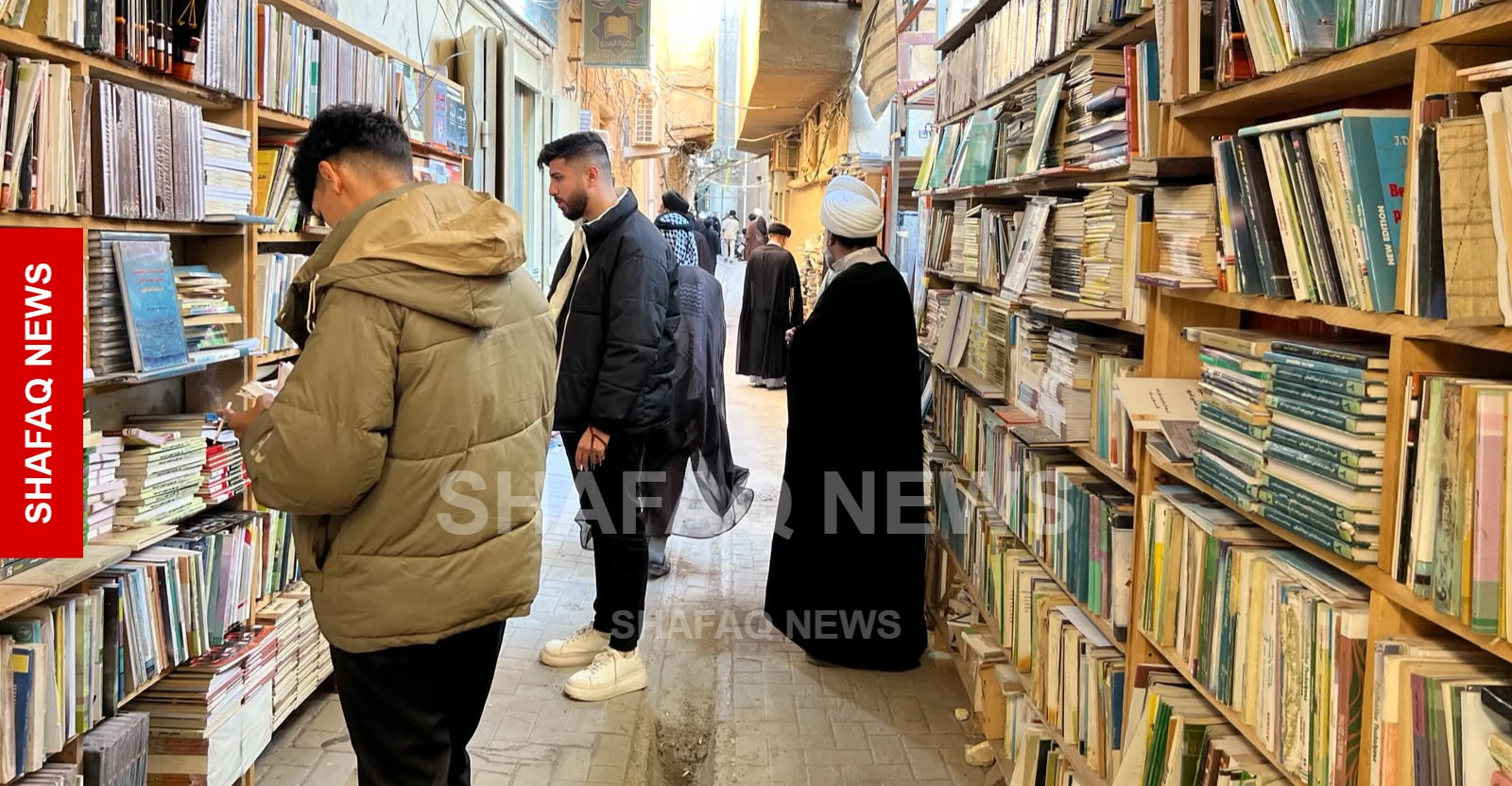
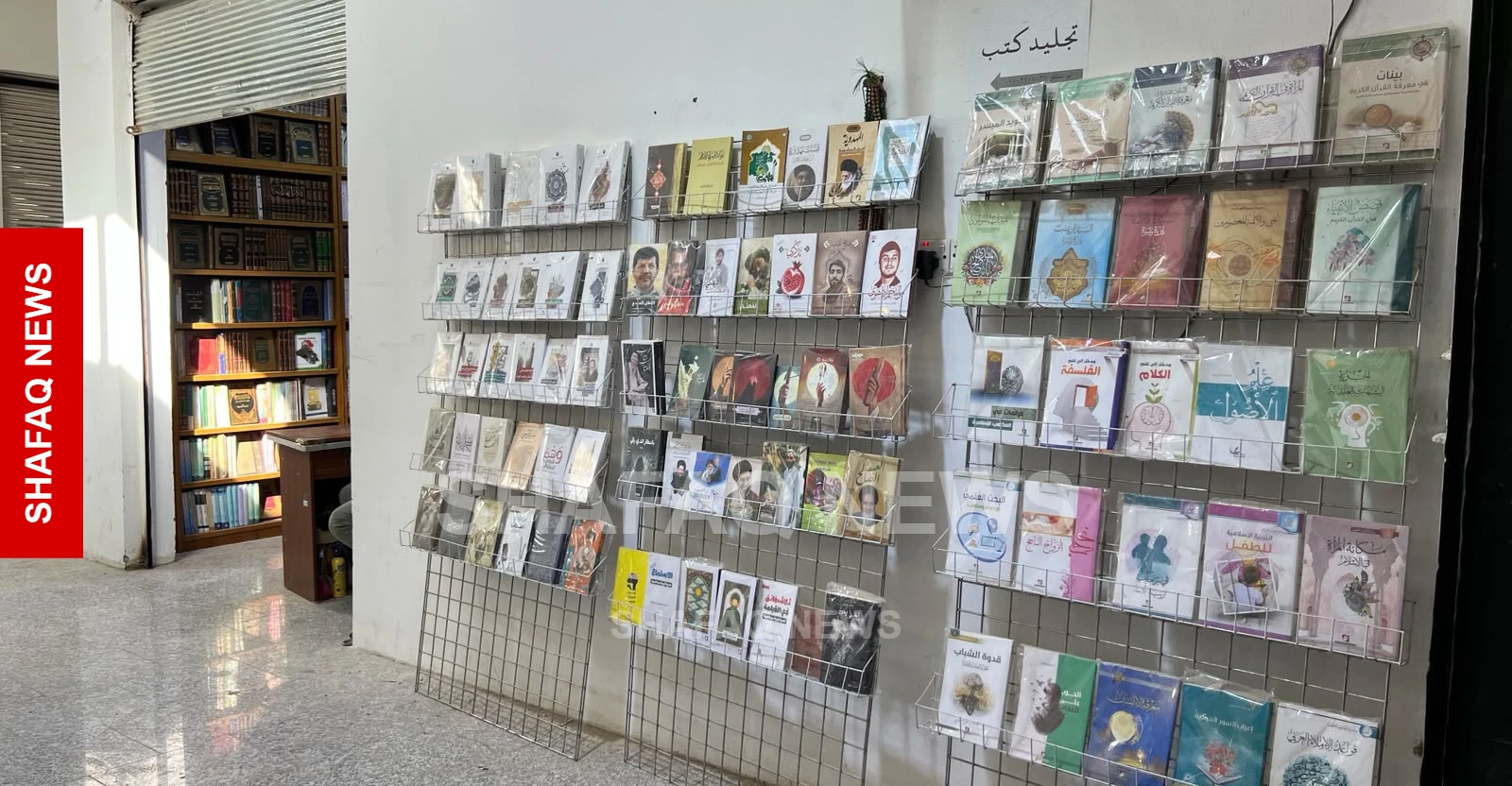
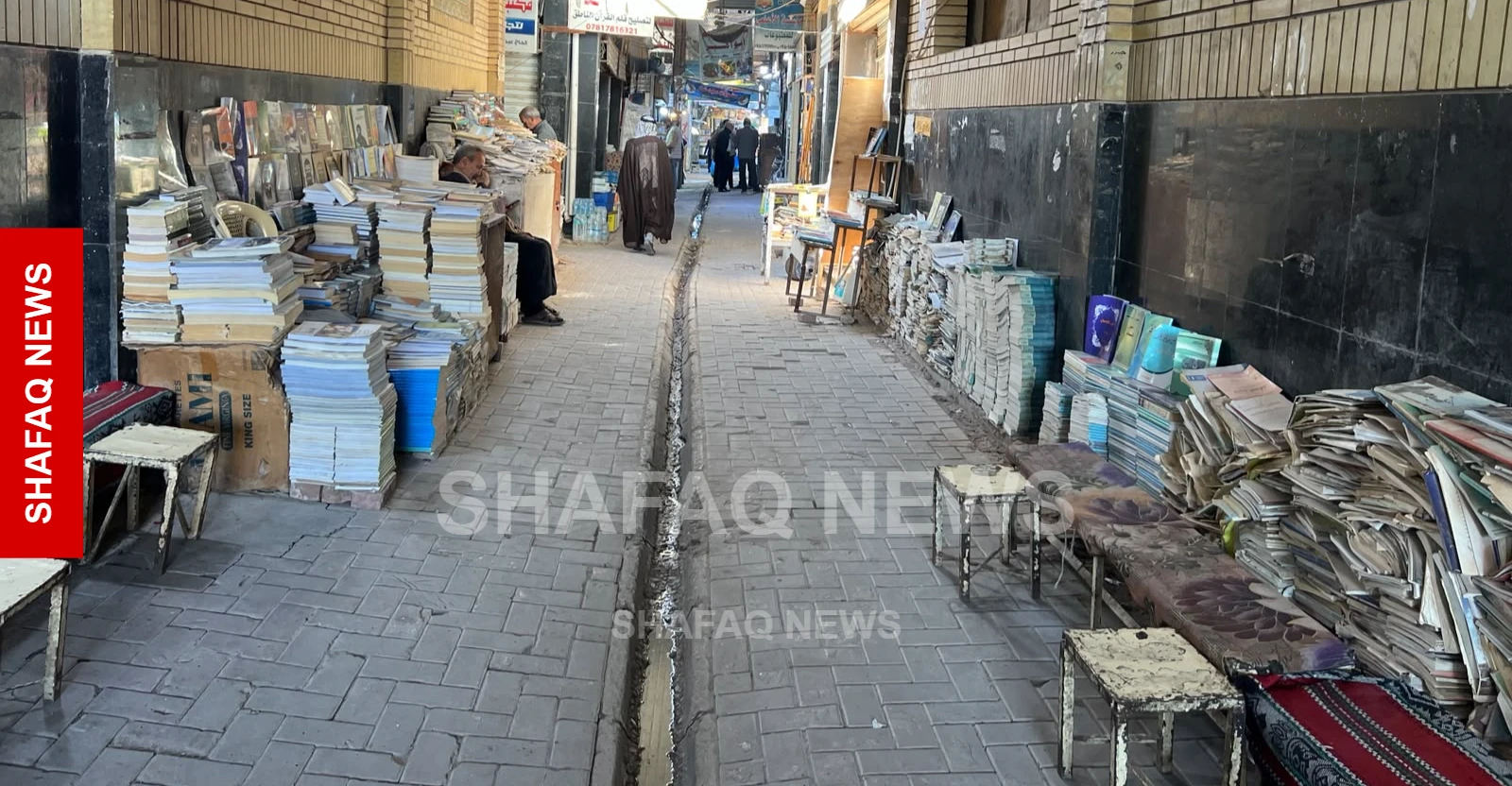
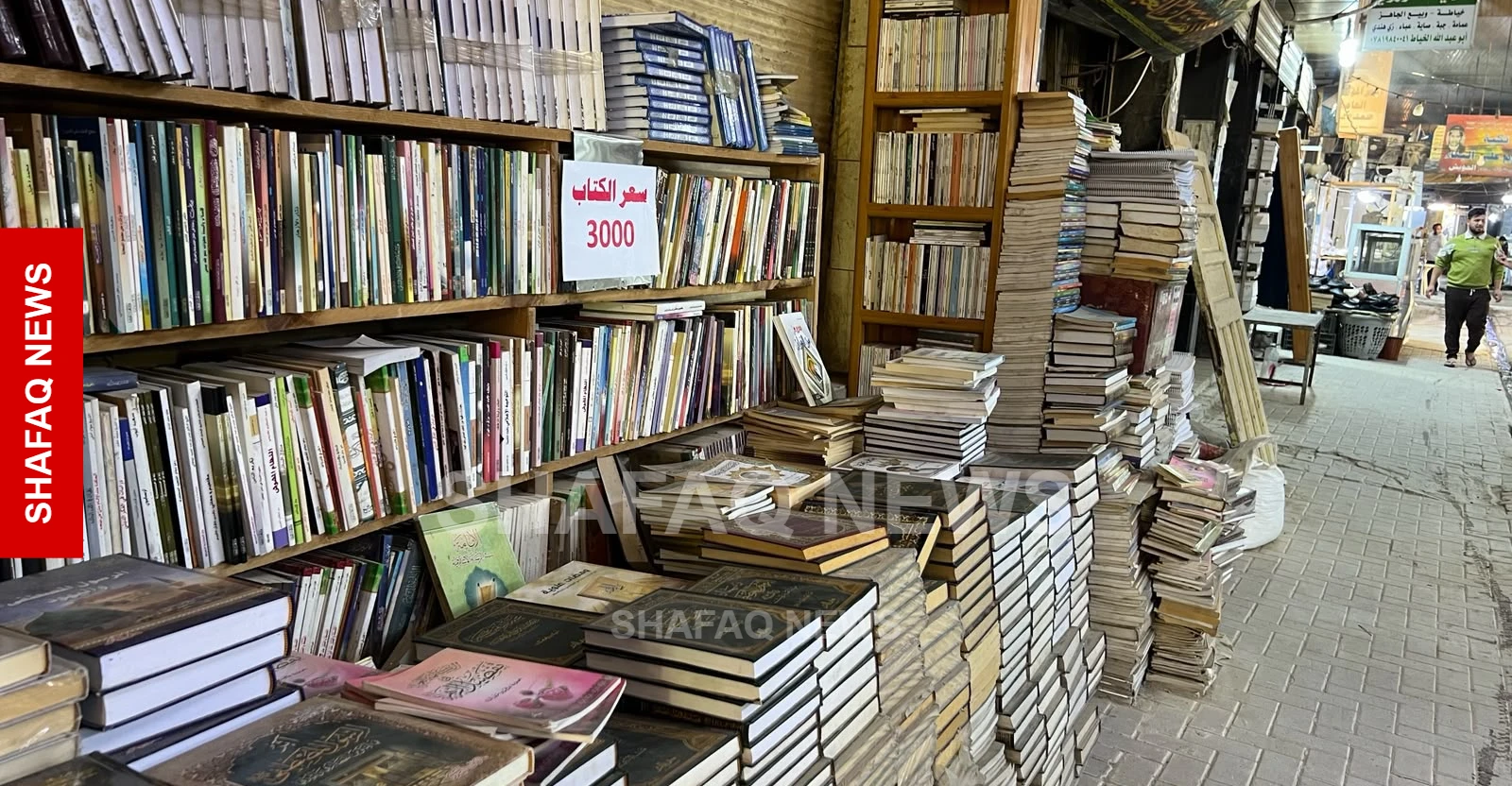
through its three-meter-wide passage reveals a far broader literary landscape,
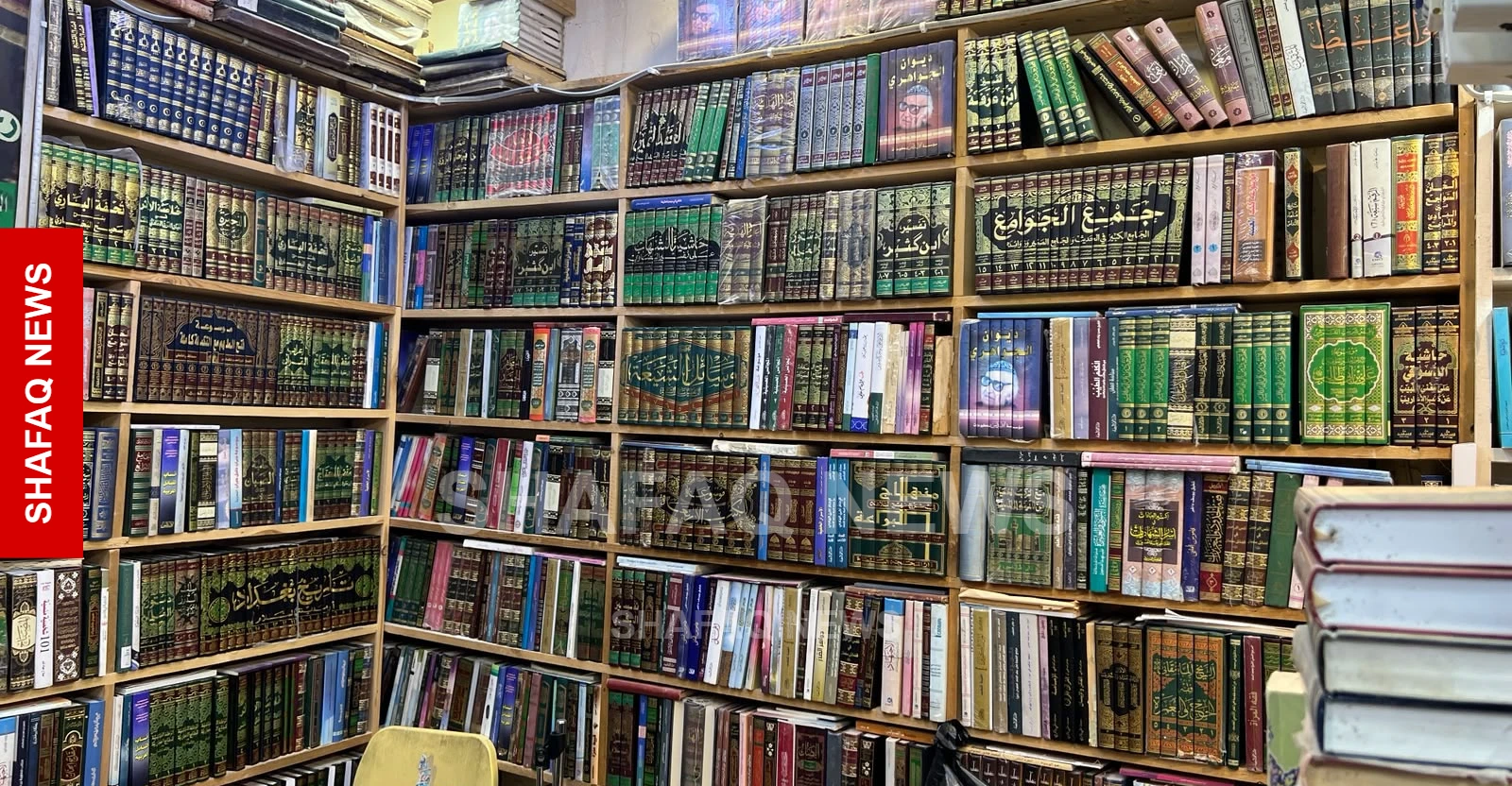
where Islamic texts share shelves with novels, scientific and intellectual
works, secular writings, and books exploring other religions.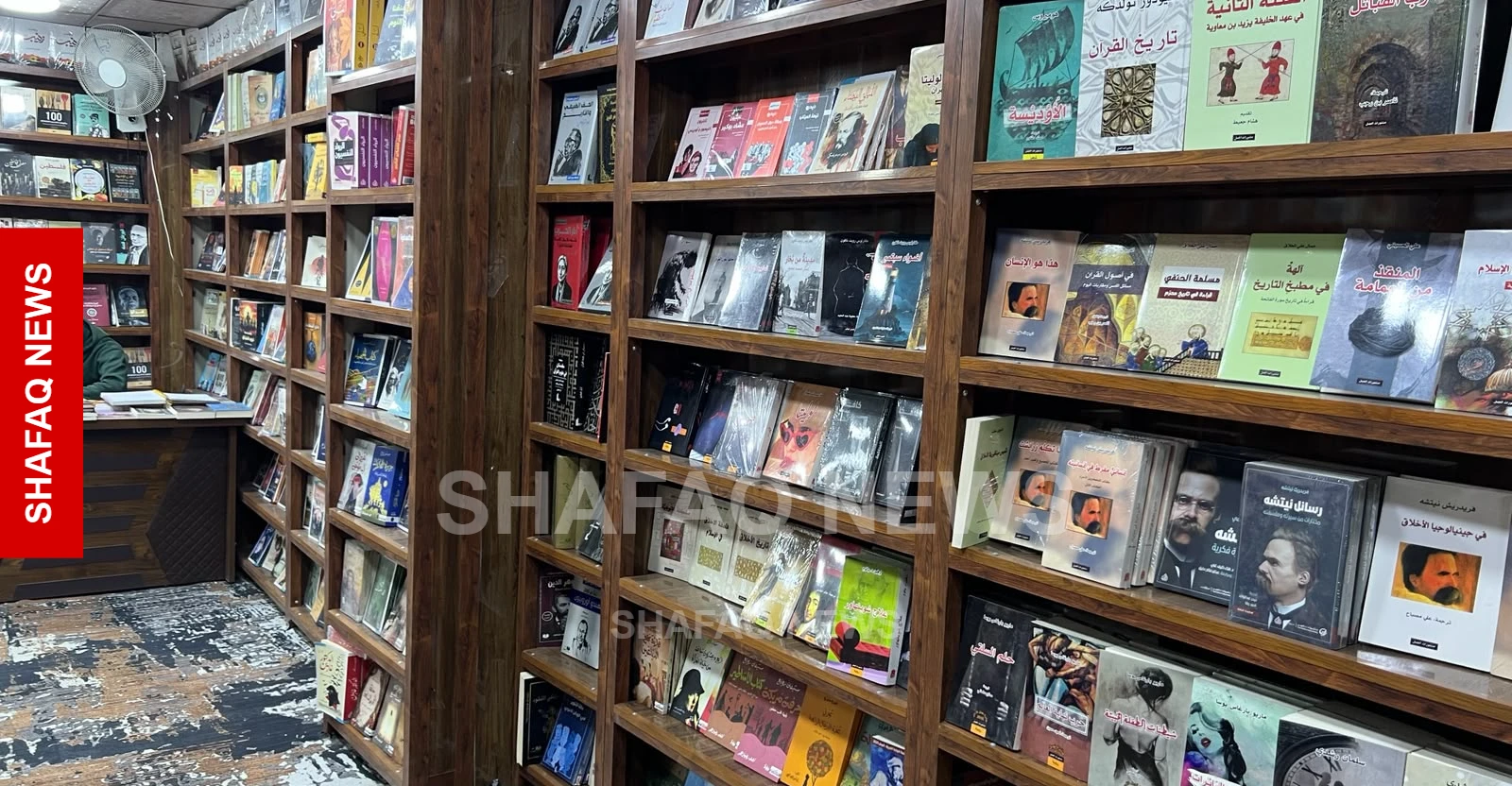
For decades, the market has welcomed religious authorities, seminary professors, students, and intellectuals from across Iraq and beyond. Some came in search of rare manuscripts, others for a particular book, while many found in its crowded shelves a place where different ideas could coexist.
Historical researcher Hassan Issa Al-Hakim told Shafaq News that Al-Huwaish is more than a book market. It belongs to one of the four principal neighborhoods of Najaf's old city, an area whose streets have long been woven into the city's social, religious, and intellectual life.
Over time, Al-Hakim
explained, it became a source of essential references for religious students
and an enduring part of Najaf's cultural heritage.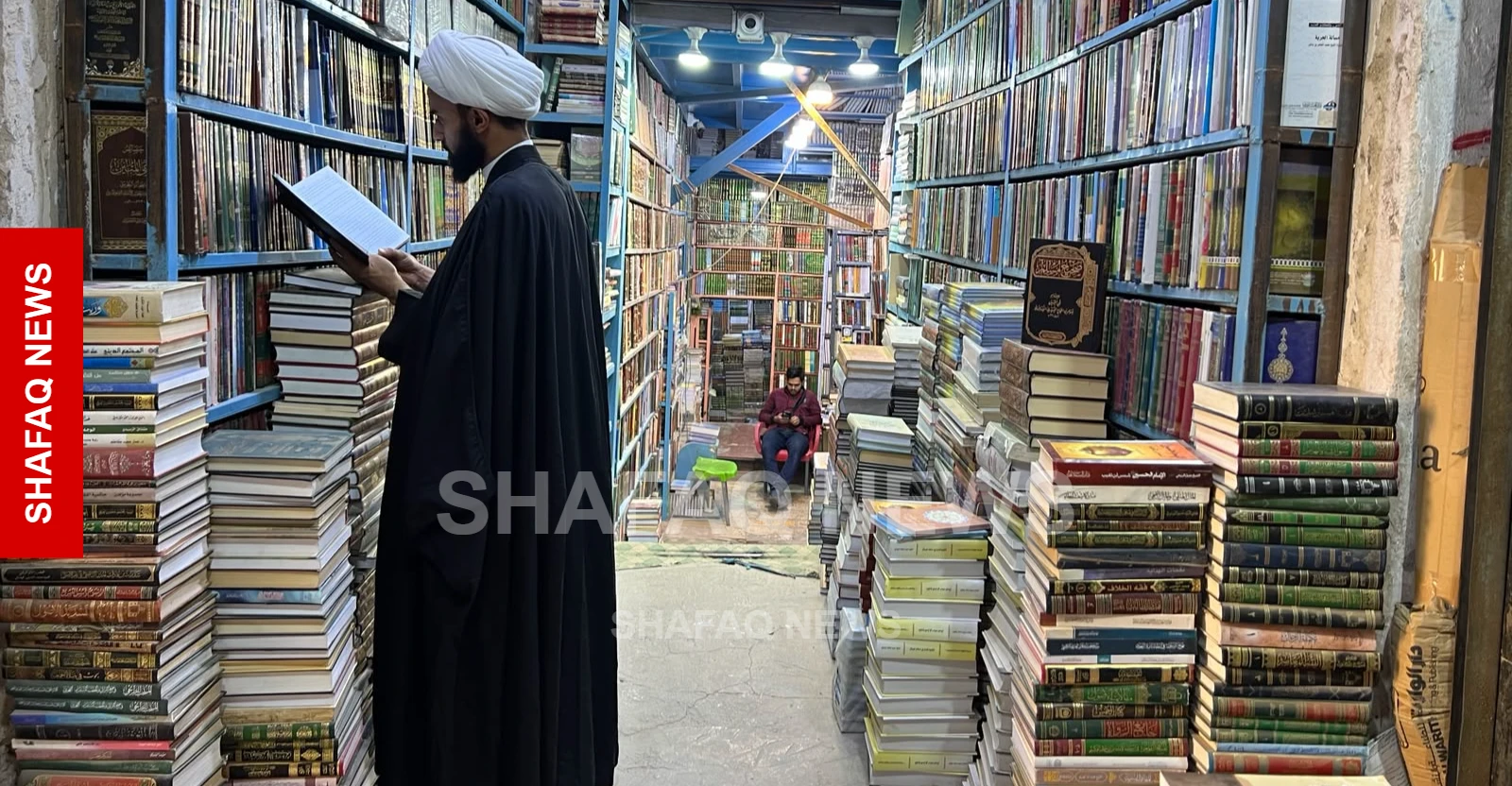
When Books Became Forbidden
But not every chapter of that history was peaceful.
Before 2003, under
Saddam Hussein's government, books could attract the attention of security
agencies, particularly when their authors opposed the authorities. Al-Hakim
recalled that religious scholars sometimes depended on trusted intermediaries
to obtain publications without exposing themselves to surveillance or possible
arrest.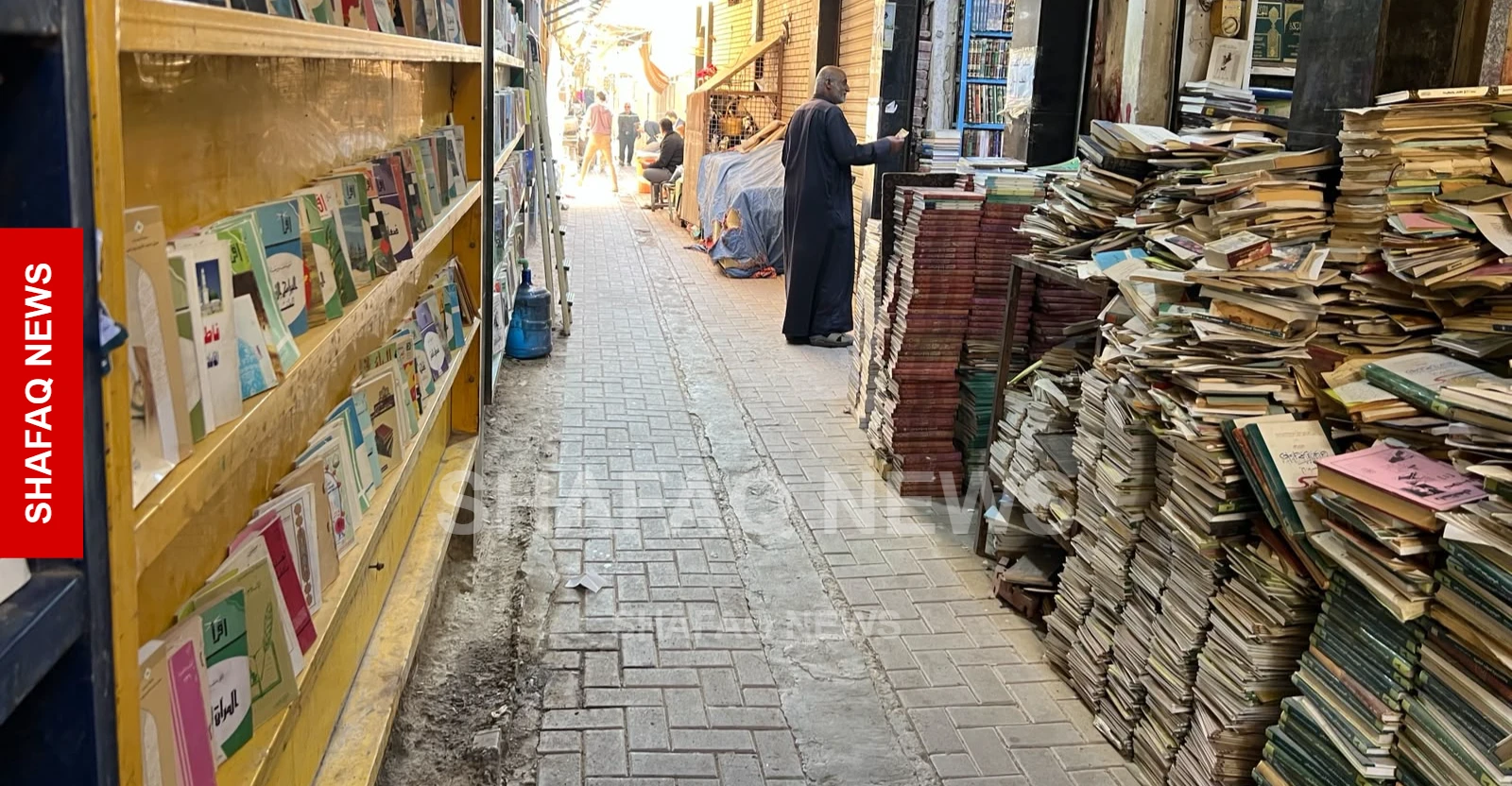
In those years, the quiet alleyways of the old city served another purpose. Books were secretly reproduced, and copies passed from hand to hand before dawn, when security personnel were less likely to be present. For those involved, the early hours offered a chance to bring restricted writings to students and readers beyond the reach of censorship.
Majid Abdullah, a traveling bookseller who remembers those years, described a market where certain authors' names were enough to place their works under restriction. Some booksellers responded by copying prohibited publications and selling them discreetly to people they trusted, keeping the books in circulation despite the risks.
A Market Beyond Religious Boundaries
The market's shelves today tell a different story, one of intellectual variety rather than a single religious or ideological tradition.
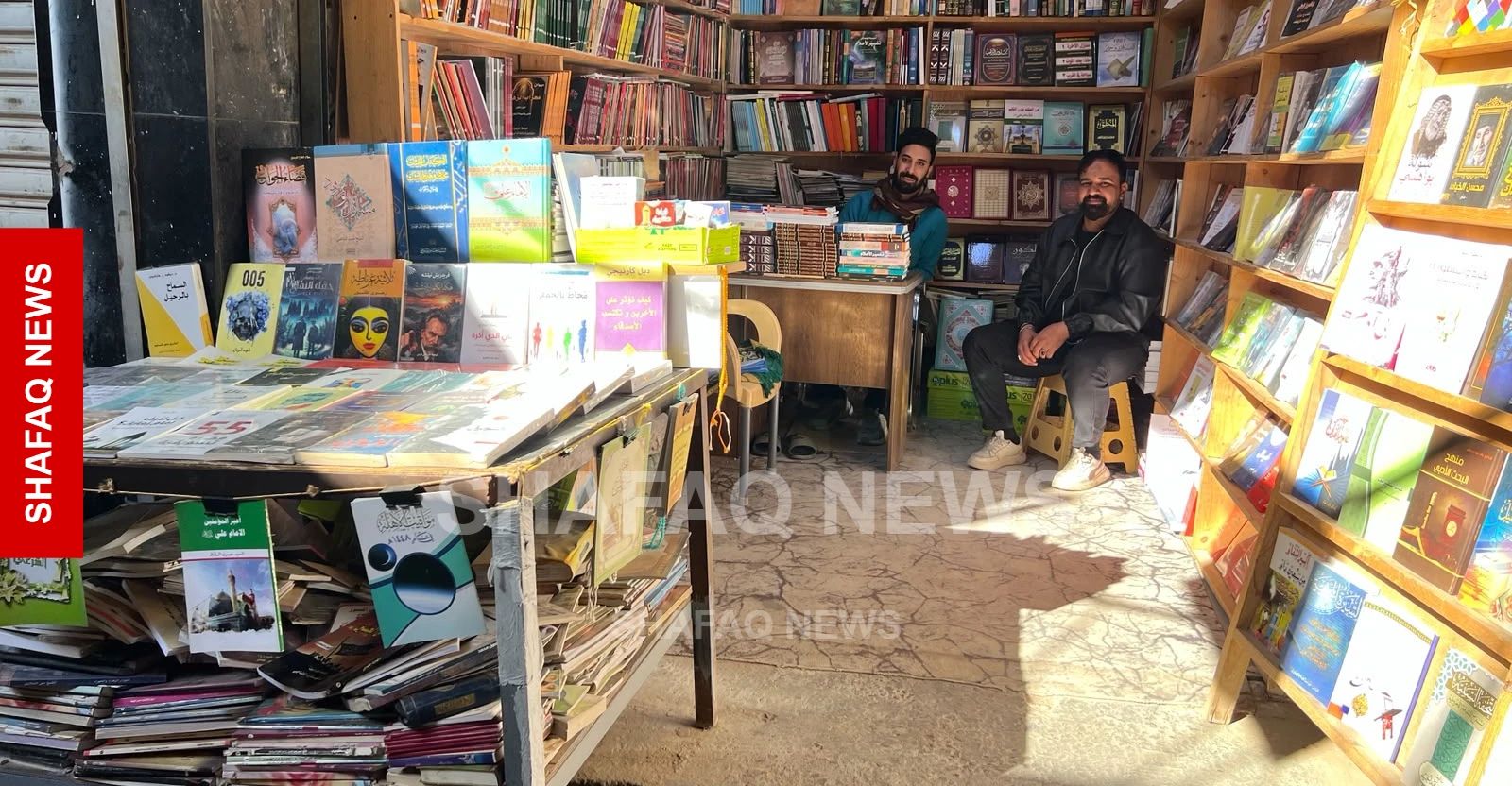
Hussein Abbas, a
bookseller who has spent decades in Al-Huwaish, told Shafaq News that visitors
can find Islamic and secular works alongside writings from other faiths and
books by atheist authors. When a requested title is missing, he added,
booksellers often search for it elsewhere rather than turn the reader away.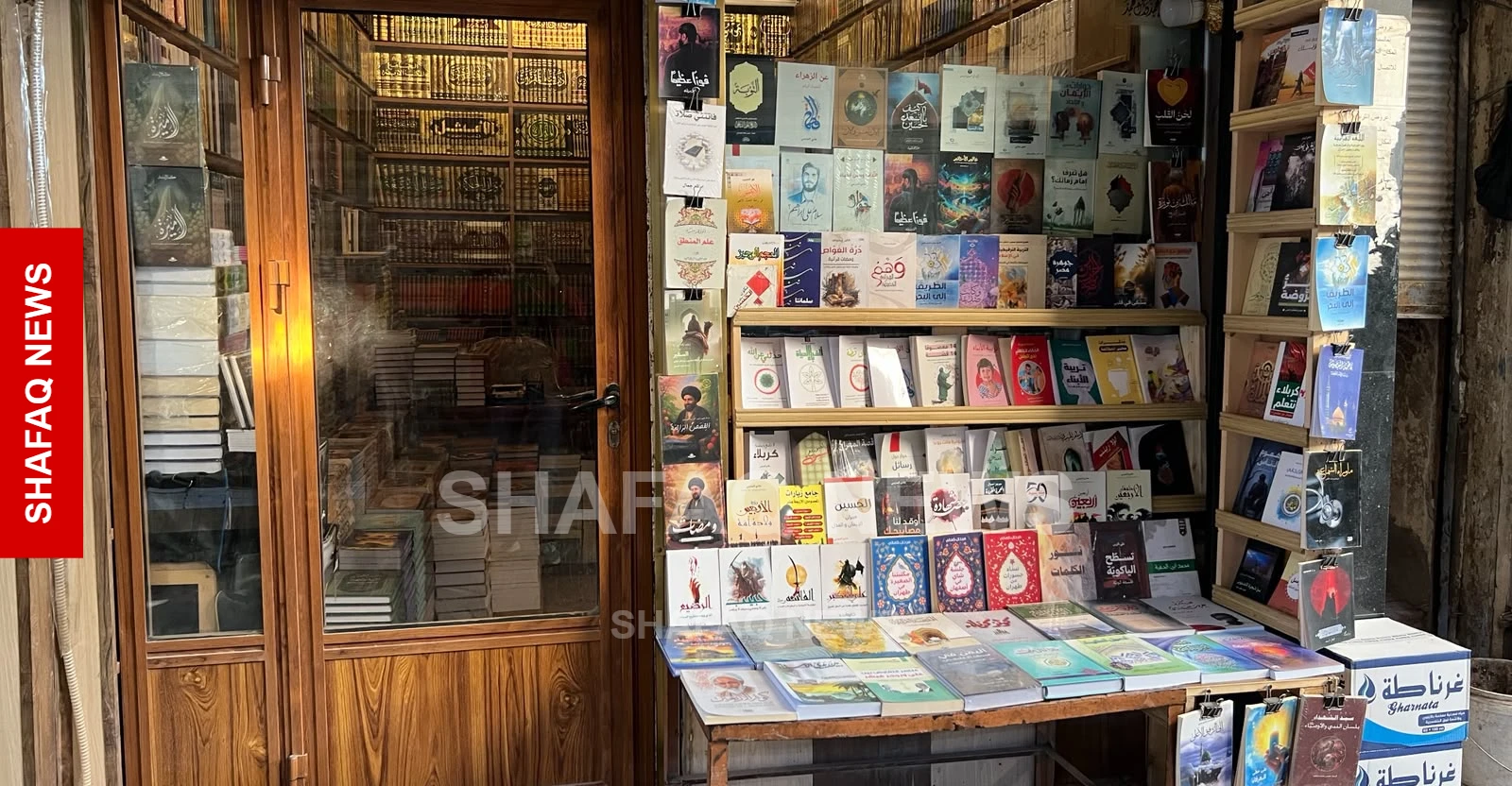
Nor do the market's religious visitors confine themselves to theological texts. According to Abbas, clerics regularly seek out literature, science, and works on other religions, broadening their understanding of different ideas and schools of thought.
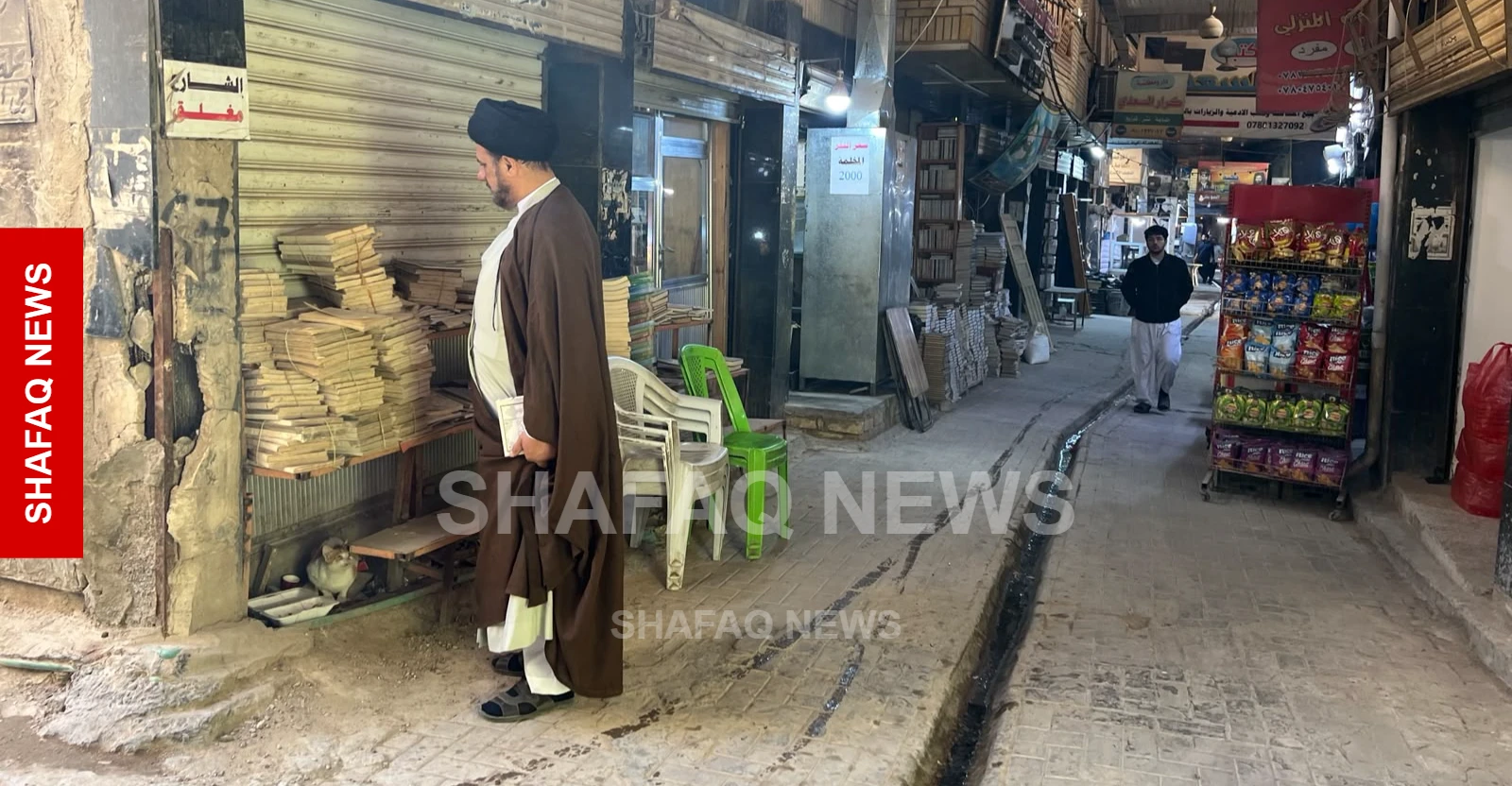
Beyond the books, Al-Huwaish has preserved its own unhurried rhythm. Booksellers sit absorbed in reading, lifting their eyes to answer customers in quiet voices. Traditional cafés and a bakery share the street with the bookshops, yet the atmosphere remains far removed from the bustle of ordinary commercial markets.
And the market does not end where its main street disappears. Narrow, winding alleyways branch into the surrounding neighborhood, their turns and exits most familiar to residents of the old houses. Wooden shanashil, the traditional projecting balconies of Iraqi architecture, still overlook these passages.
In Al-Huwaish, the
past is not confined to history books. It remains on the shelves, in the
memories of those who protected forbidden writings, and in the quiet exchange
between a bookseller and a reader searching for a title that may have passed
through generations of hands.