A Karbala woman's lifelong service to Imam Hussein


Shafaq News- Karbala
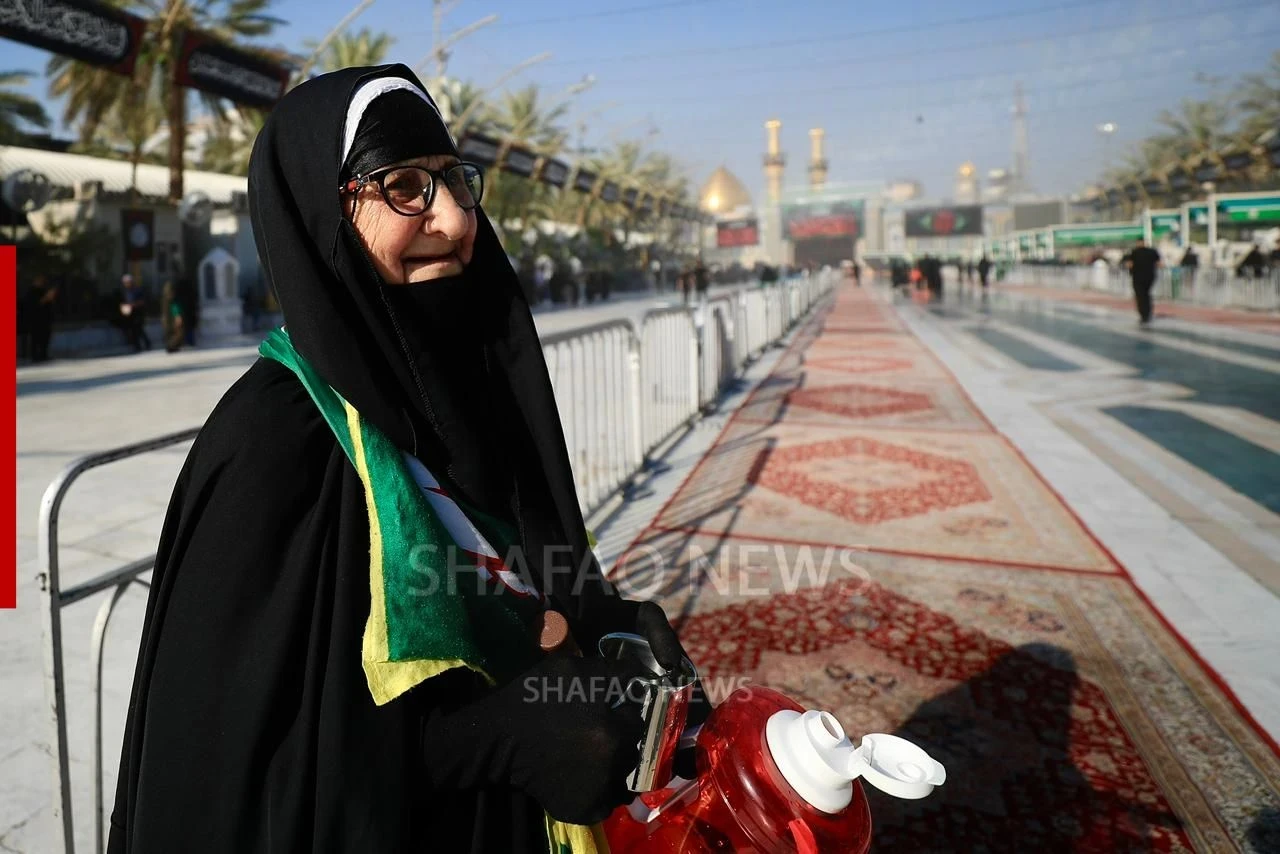
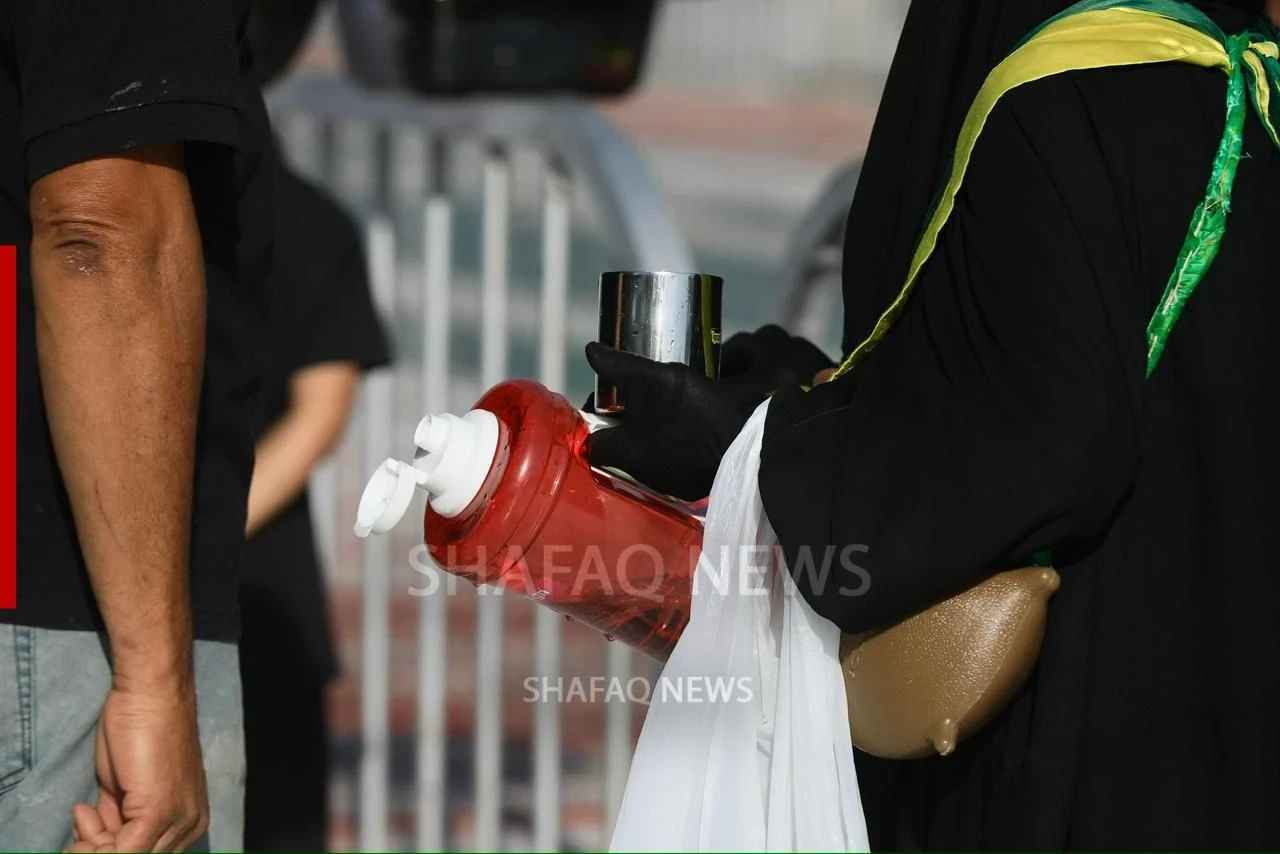
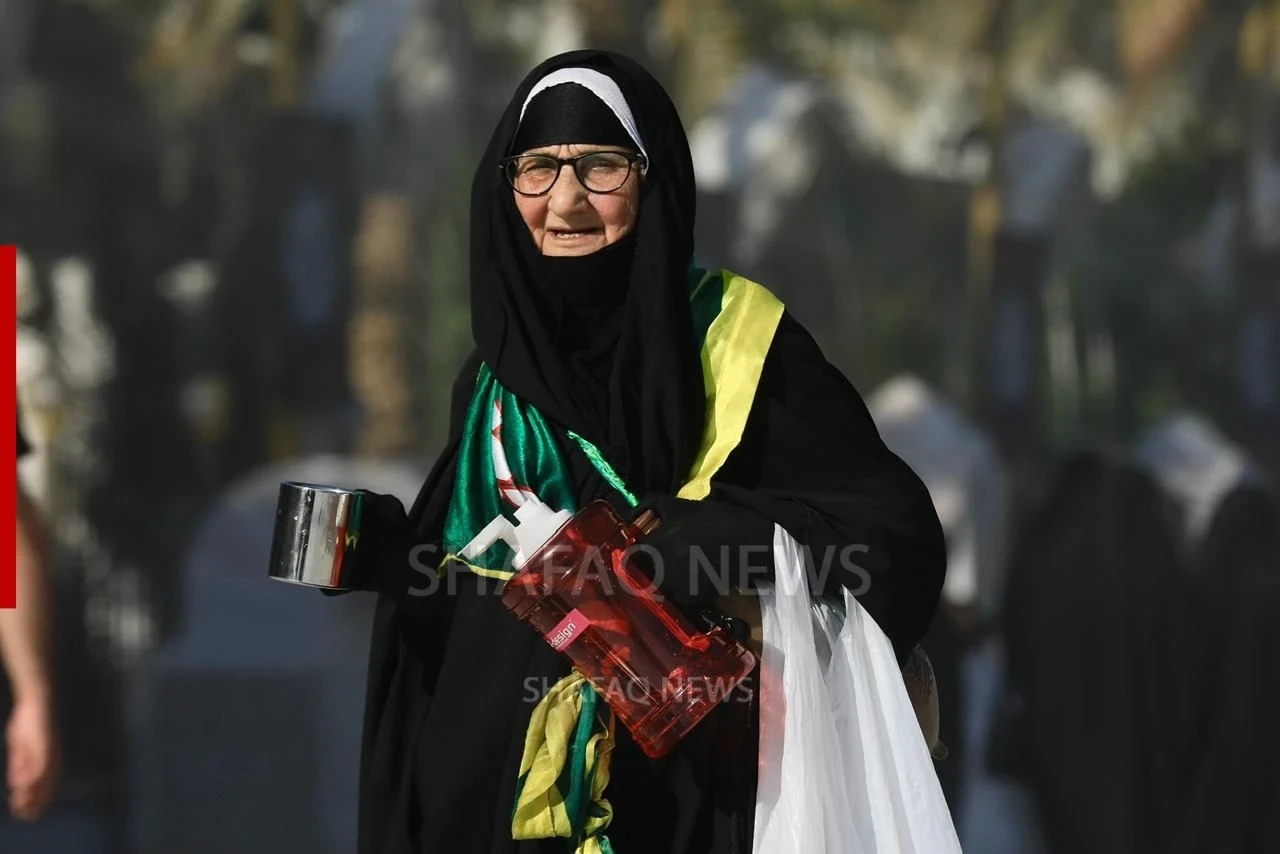
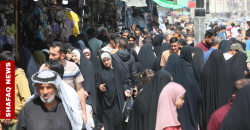
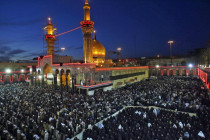
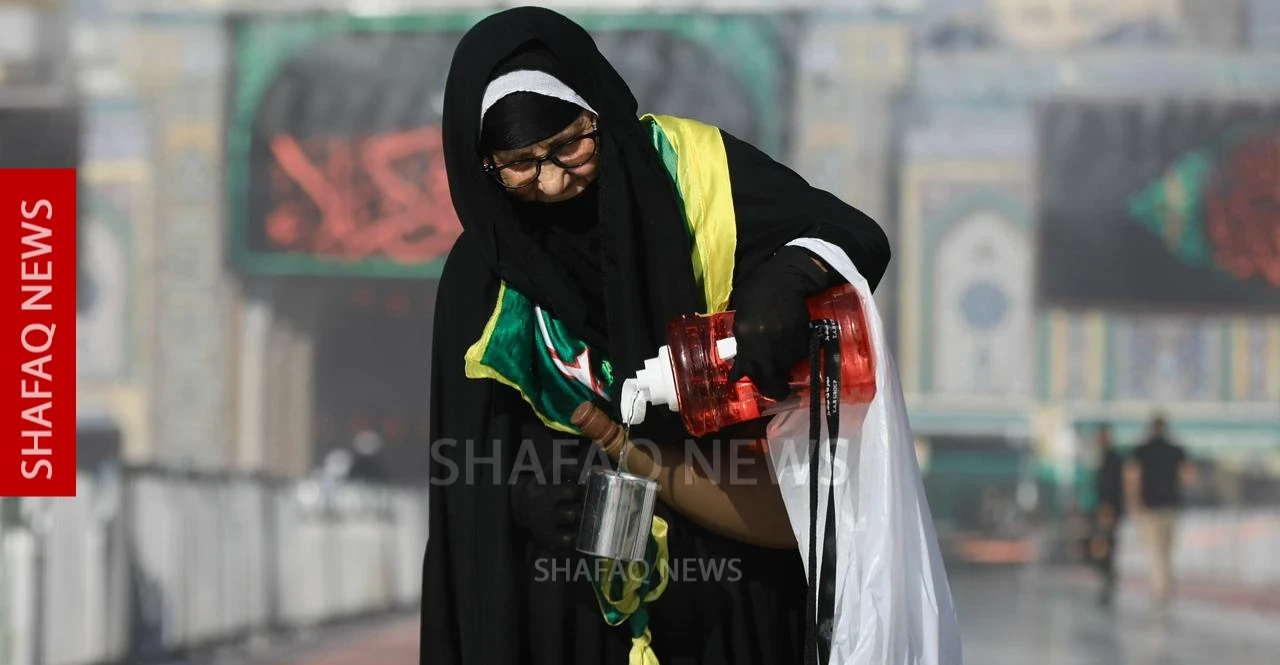
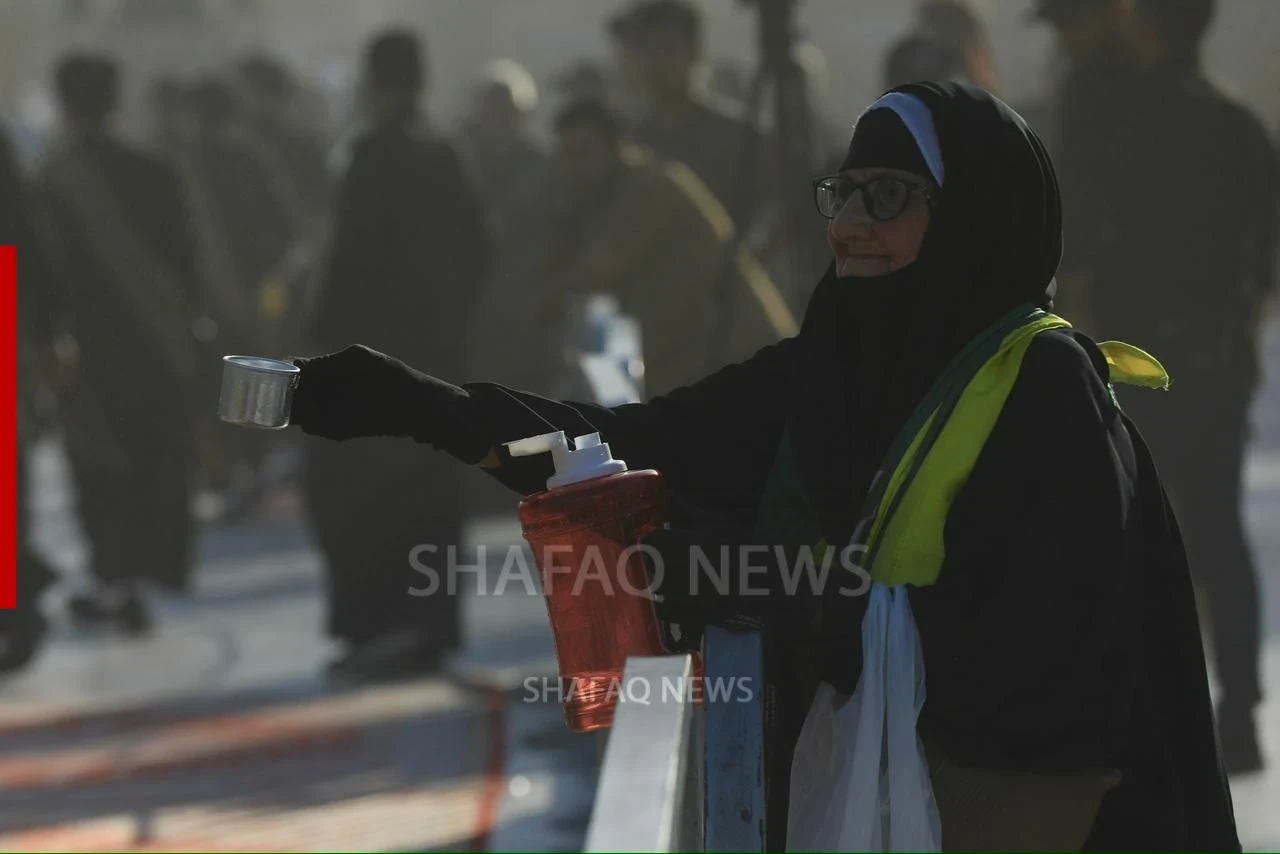
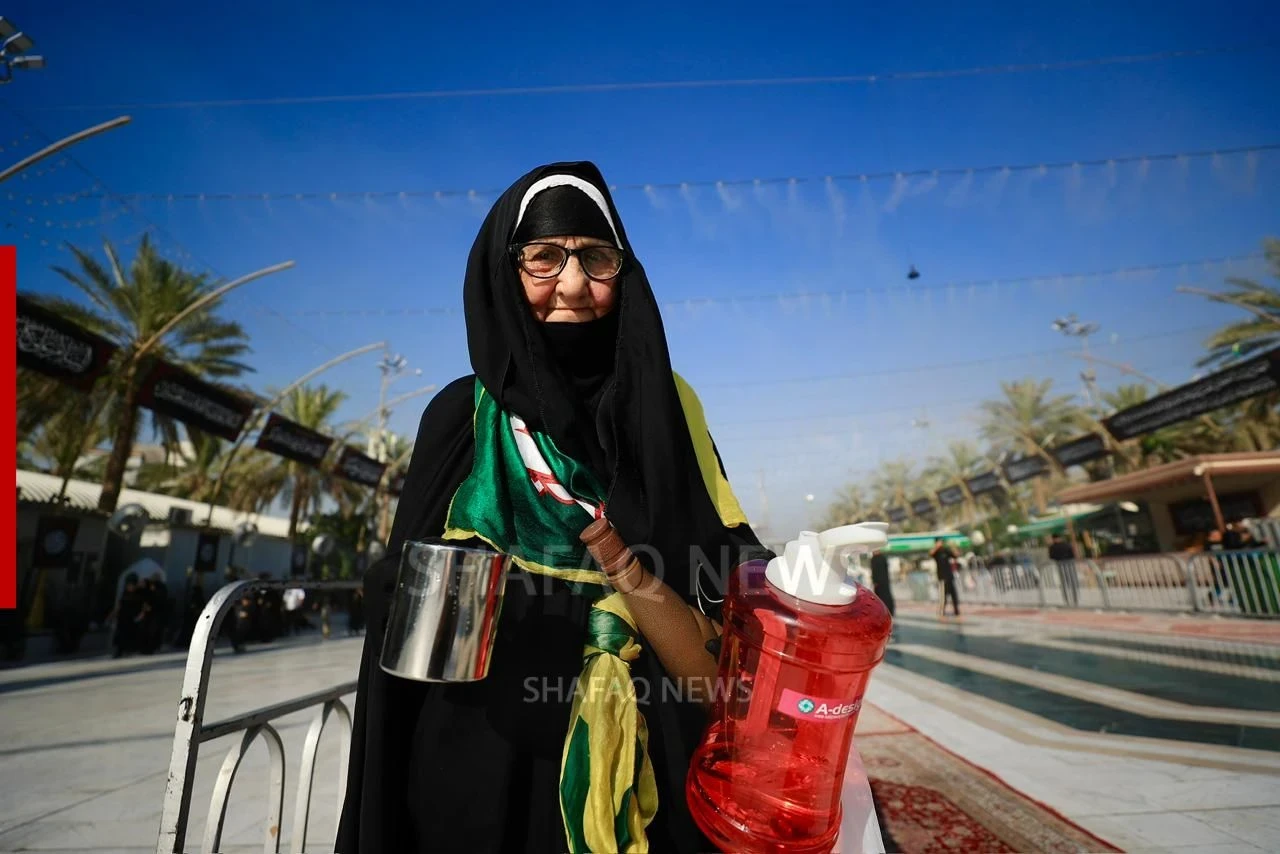
Between the shrines of the third Shia Imam, Hussein bin Ali, and his brother al-Abbas in the heart of Karbala, a city in southern Iraq held sacred by Shiite Muslims, an elderly woman moves through the crowds under a punishing sun, a large bottle of water in one hand and a single metal cup in the other. The pilgrims call her Hajja Umm Jasim. She is in her eighties, and for as long as many of them can remember, she has been here, pressing cups of water on the thirsty, paying little mind to her age or the heat.
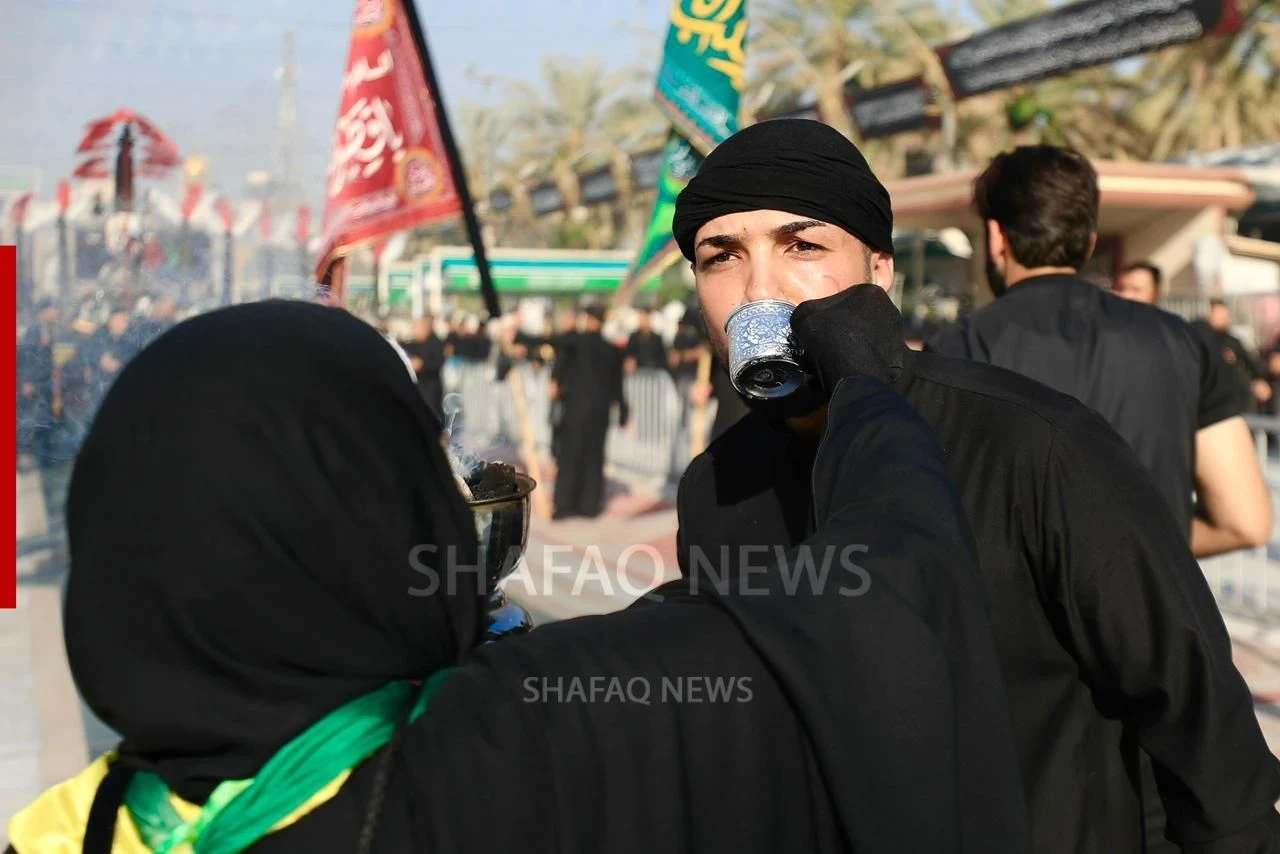
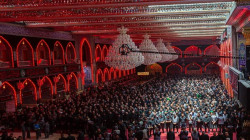
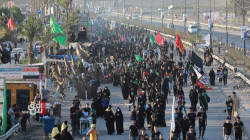
The visitors come for Imam Hussein, the grandson of the Prophet Muhammad, who was killed at Karbala in 680 CE (the 10th of Muharram in the year 61 AH of the Islamic calendar), and whose death Shiite Muslims commemorate each year. Serving those pilgrims, and the volunteer processions, known as mawakib, that look after them, is an act of devotion. For Umm Jasim, it was once also an act of risk.
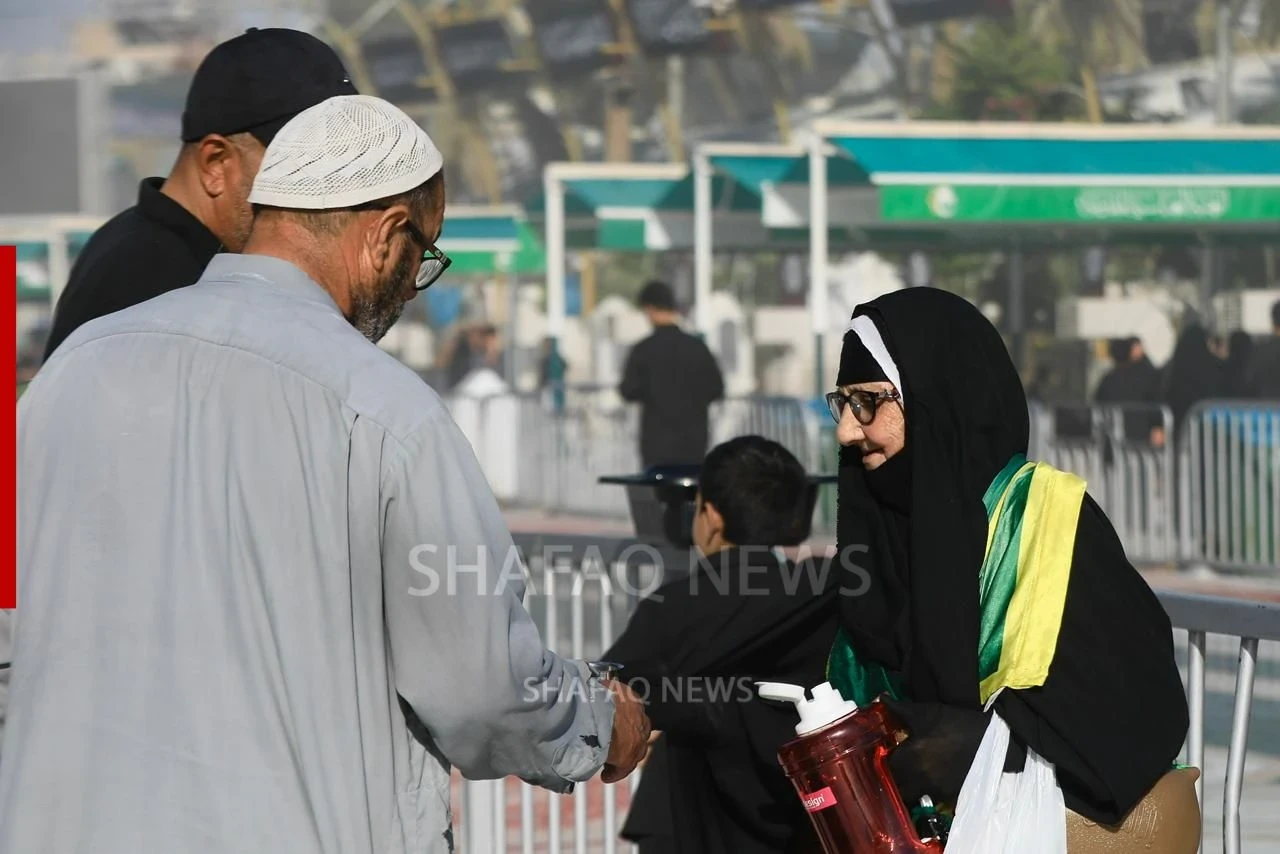
In the years before 2003, she said, the work was anything but free, describing hiding water beneath her abaya, the long black cloak worn by Iraqi women, and slipping it to pilgrims unseen, fearful of being pursued for taking part in the religious rituals that the government of Saddam Hussein, which suppressed open Shiite mourning, treated with suspicion. "Simply offering it could bring you questioning, harassment, even prison," she told Shafaq News.
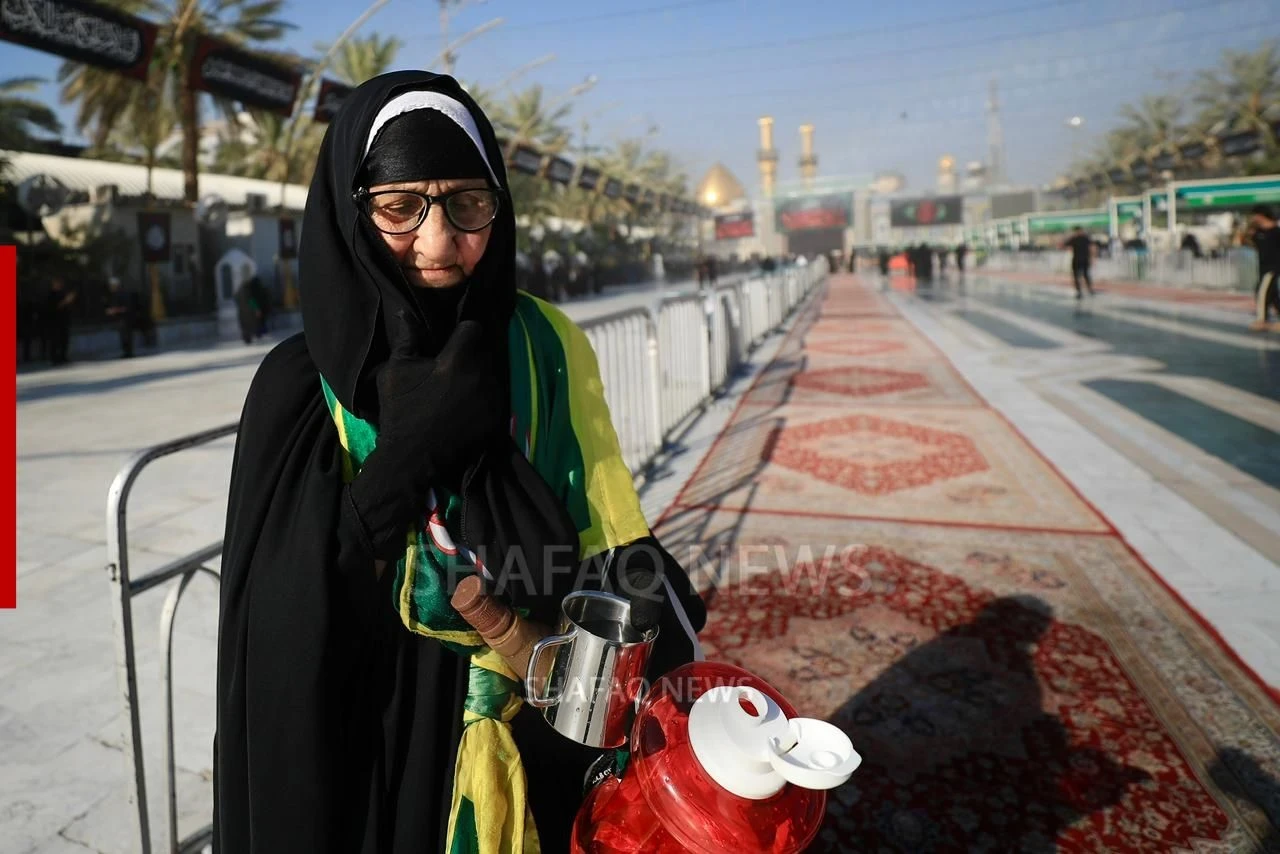
"Today I serve the visitors and the processions freely and with pride. It is a great blessing, and I thank God for it."
Read more: Muharram in Iraq: New year becomes a season of mourning
Umm Jasim prefers to keep moving, carrying her water to whoever needs it, and she says no one leaves without a share of her prayers. "With every cup I offer, I pray for the pilgrim's wellbeing, their health, and that their needs be met, and for the processions and the servers who give so much to care for people."
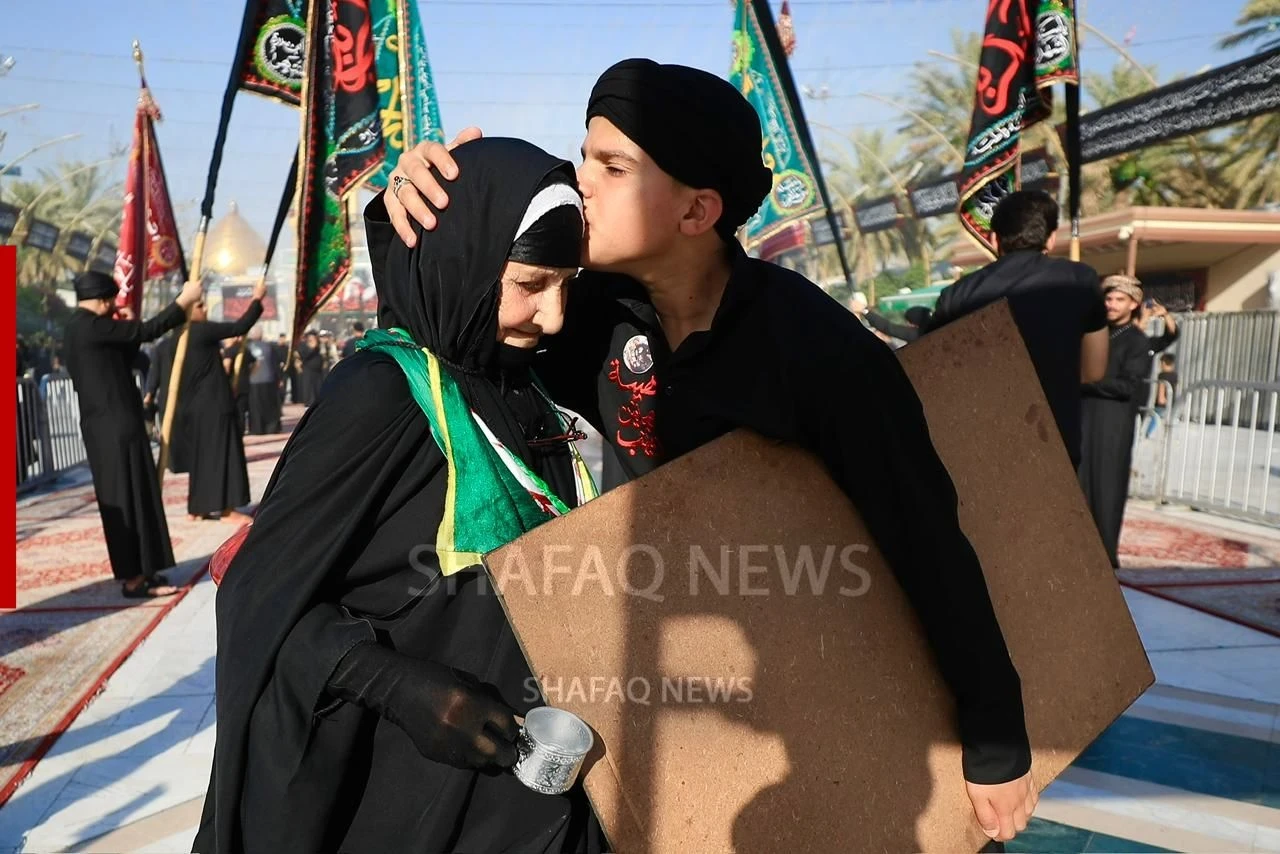
Her devotion has come at a cost that few of the strangers she serves would guess. A mother of seven, Umm Jasim, lost her eldest son, a surgeon, to execution under the former regime. The loss did not turn her from the work.
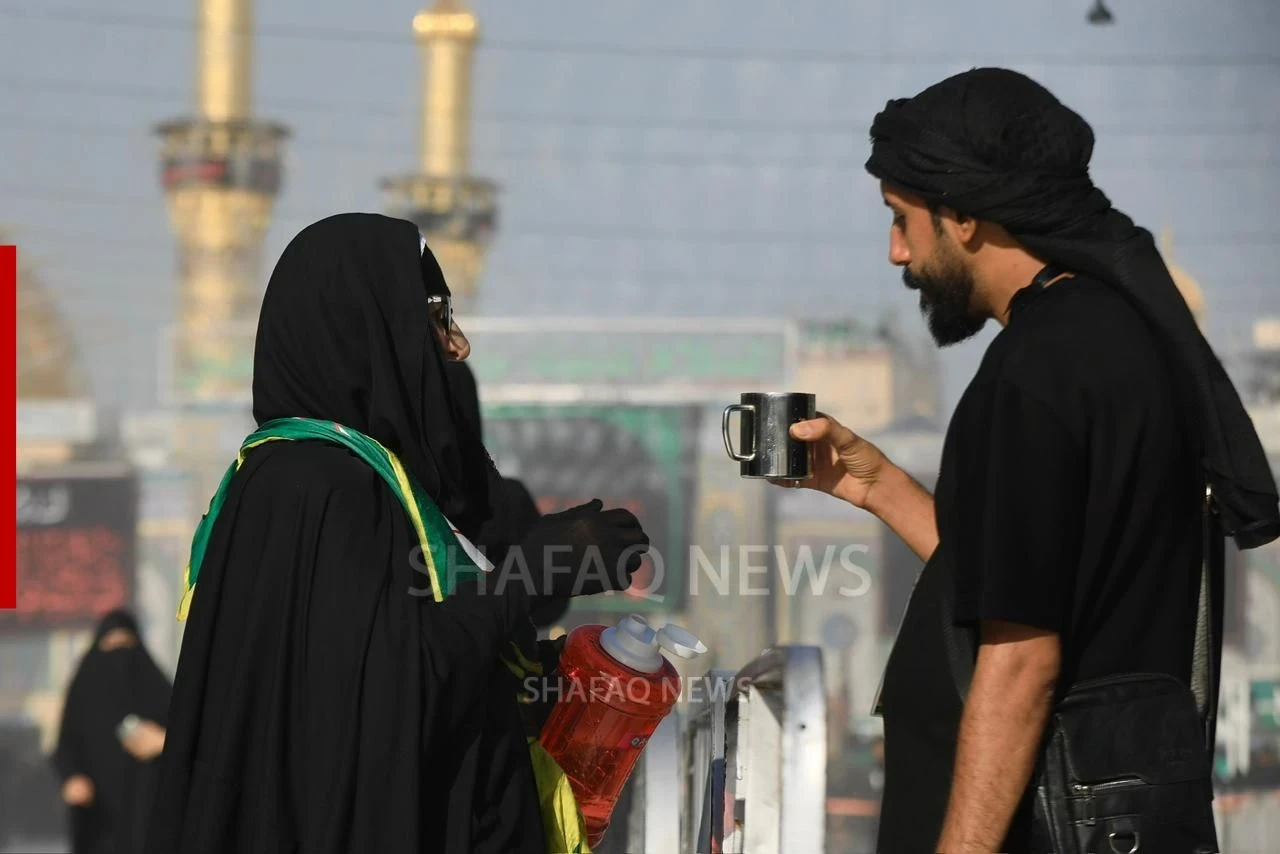
"[Imam] Hussein is my intercessor, and today I fear no one but God," she said. "What is left of my life, I want to spend in the service of Imam Hussein and his visitors. This service gives me the peace I find nowhere else."
Pilgrims and procession members say she has become a familiar face between the two shrines, returning each season with the same bottle, a metal cup, and a smile that arrives just before the water does.
Read more: Karbala, where memory breathes and future beckons