Trump slaps sweeping tariffs on 69 nations including Iraq


Shafaq News – Washington
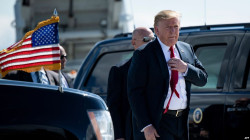
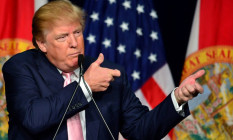
US President Donald Trump has enacted a sweeping set of tariffs on dozens of trading partners—including Iraq—just ahead of a self-imposed Friday deadline, as part of a broader trade agenda aimed at revising the rules of international commerce.
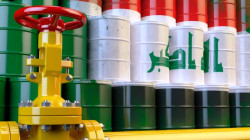
A presidential executive order issued late Thursday confirmed new import duties ranging from 10% to 41% on goods from 69 countries. Iraq faces a 35% tariff, among the highest imposed, alongside rates of 41% for Syria, 40% for Myanmar, and 39% for Switzerland.
Many other countries fall within the 15% to 25% range. Nations not listed in the annex — including Brazil and Canada — are subject to a default 10% tariff. For the European Union, duties are adjusted based on existing tariff levels, with a minimum total rate of 15% applied to goods currently taxed below that threshold.
Temporary exceptions apply to goods already in transit, with the new tariffs set to take effect seven days after issuance.
The order stated that the measure is intended to address trade imbalances, strengthen US manufacturing, and support national security goals. It added that some trading partners, “despite having engaged in negotiations, have offered terms that, in my judgment, do not sufficiently address imbalances in our trading relationship or have failed to align sufficiently with the United States on economic and national-security matters.”
While financial markets showed only a limited response — with stocks and equity futures in Asia dipping modestly on Friday — the administration’s tariff policy has delivered a different kind of impact. According to the US Treasury, tariff revenue reached $27 billion in June, more than triple the amount collected during the same period last year.
Since returning to office in January, Trump has made trade reform a central priority, aiming to boost domestic industry and reduce long-standing deficits. The White House argues that foreign exporters will bear the cost of the tariffs, which it says will encourage investment in US production. Trade analysts, however, point out that importers typically pay the duties and often pass those costs on to consumers through higher prices.