The Desperate and the Damned: Why thousands of Iraqis are fighting in Ukraine


Shafaq News
More than three years into the Russia–Ukraine war, thousands of young Iraqis have found themselves trapped on its frontlines, lured by promises of steady income and European passage. Since 2022, deceptive recruitment schemes have pulled over 5,000 Iraqis into combat roles in Russia and Ukraine, exposing them to coercion, dangerous smuggling routes, and contracts that bind them to a war far from home.
The Iraqi Embassy in Moscow has issued a rare warning, urging its citizens to resist “attempts to entrap them in participation,” and reiterating Baghdad’s official neutrality in the conflict. The statement highlights the government’s growing concern that Iraq’s social and economic fragility is being exploited by both sides in the war.
Pathways of Recruitment
Sources familiar with the networks told Shafaq News that many Iraqis are drawn in through misleading travel offers. Tourism companies in Baghdad and other provinces advertise budget trips to Russia and European countries, sometimes even on installment plans. Once the trips conclude, migrants are approached by brokers who promise lucrative jobs, particularly as private security guards, with salaries of $2,500 or more.
In reality, most are pressured into signing contracts with the Russian army. According to the same sources, “once the trip ends, smuggling networks lure them into joining as fighters with the Russian military, offering monthly wages of up to $3,000. From there, they are dispatched directly to frontlines in Ukraine.”
“Others are abandoned along trafficking routes. Groups attempting to reach Ukraine via Turkiye, Belarus, or the Balkans often find themselves stranded in forests under severe weather conditions, left to face hunger, exposure, and in some cases, death,” the sources said.
Iraqi Fighters on Both Fronts
Despite the risks, thousands have entered combat under both Russian and Ukrainian command structures.
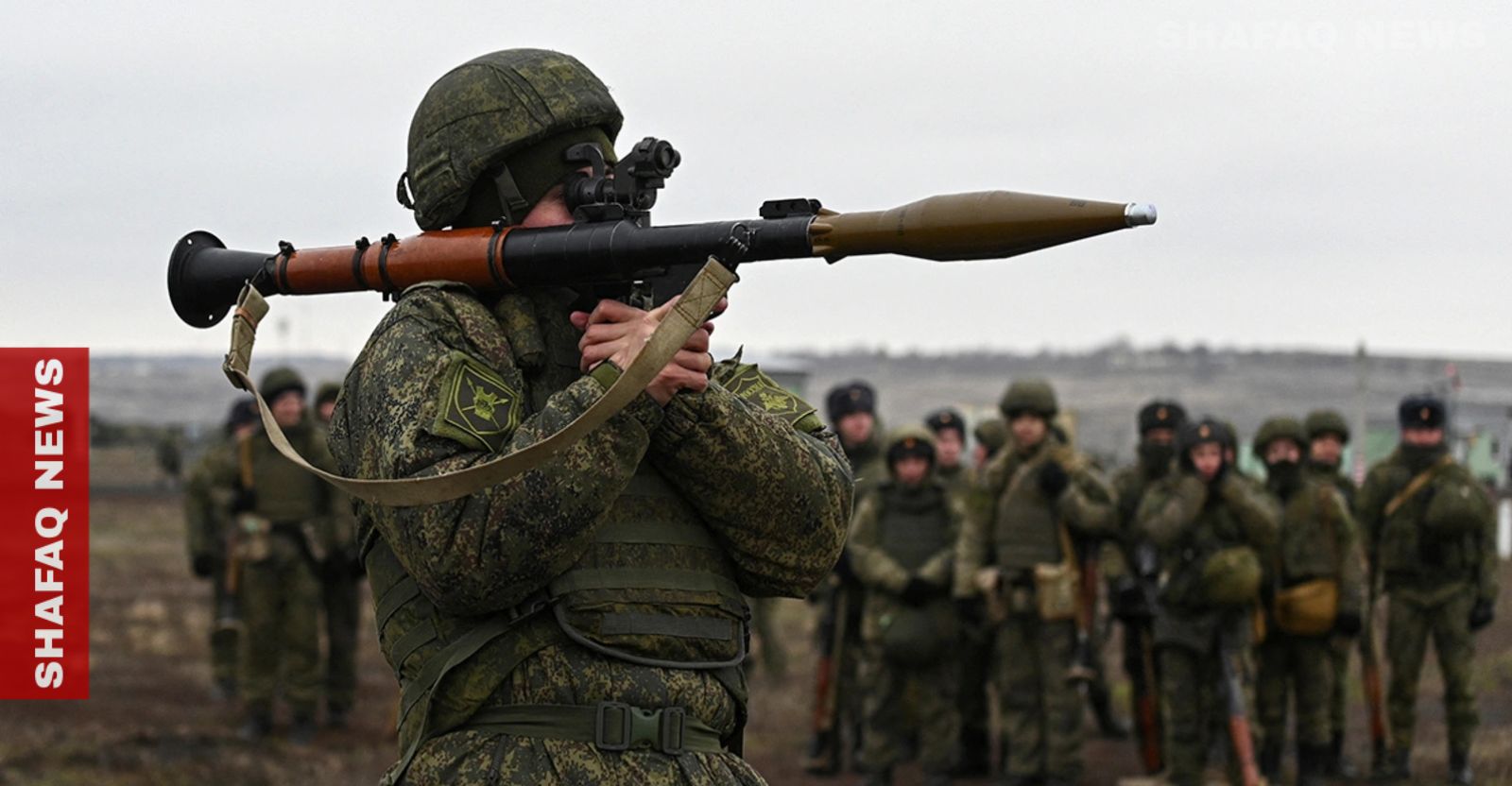
- Russia: Around 2,000 Iraqis are currently fighting under formal contracts with the Russian army, according to Haider al-Shammari, who describes himself as head of the Iraqi community in Russia. He confirmed that most earn $3,000 monthly under legal agreements recognized by Russian law, which allows foreign residents fluent in Russian to enlist.
- Ukraine: More than 3,000 Iraqis are believed to have joined Ukrainian forces as contractors, typically recruited by smugglers promising transit through Turkiye or Greece. Other sources told Shafaq News that the agreed wages range from $2,000–$2,500. But many never reach Ukraine; instead, they are left in border zones or forests, facing arrest or death from exposure.
Families often remain unaware of their sons’ whereabouts. Some victims vanish entirely, while others are compelled to continue as mercenaries to survive.
Many of those who joined Russian ranks have since appealed to be repatriated to Iraq, saying they were misled into the war and now want to return home, the sources said. “But their calls have gone unanswered, leaving them stranded in a conflict that has consumed them since early 2022.”
The Embassy’s Intervention
On Friday, Iraq’s embassy in Moscow publicly addressed the issue. In a statement received by Shafaq News, it warned of “attempts to entrap young Iraqis into participation in the Russia–Ukraine war,” stressing that no recognized Iraqi community leadership exists in Russia.
The embassy clarified that it does not issue any entry visas related to these deceptive claims, and that the only legitimate entry permits are handled by Russian diplomatic offices in Baghdad, Erbil, and Basra.
It reiterated Iraq’s “firm position of neutrality regarding the Russia–Ukraine crisis and its constant call for peaceful solutions through dialogue.” The embassy urged Iraqi citizens to exercise caution and vowed to pursue “diplomatic and legal measures” to protect Iraqis from exploitation.
Divergent Government Responses
In Baghdad, the case has drawn mixed reactions.Parliamentary Security and Defense Committee member Alawi Hanzal al-Nadawi told Shafaq News that his committee is monitoring reports of Iraqis serving as mercenaries, “If confirmed, we will raise the issue in committee sessions and coordinate with relevant authorities to address it. The Iraqi constitution prohibits making the country a source of aggression against neighbors. It is unacceptable for Iraqis to fight as mercenaries for Russia, Ukraine, or any foreign state.”
Yet the Ministry of Migration downplayed the issue. Spokesman Ali Abbas Jahangir noted that travel under legal visas is normal, but emphasized, “If lawful travel becomes a means of engaging in mercenary activity, that is prohibited. The ministry does not have confirmed information on Iraqis joining the Russian army or otherwise.”
War Context: Russia’s Advance, Ukraine’s Strain
These developments coincide with a new phase of the war itself. Between September 2024 and August 2025, Russia seized over 6,000 square kilometers of Ukrainian territory—three times its gains in the previous year, marking its largest advance since 2022.
At the same time, President Vladimir Putin warned on Thursday that Moscow could “resort to military options” if ongoing negotiations with Kyiv collapse, asserting that Ukrainian reserves are nearly exhausted. The comments came after the fading of diplomatic momentum from the Alaska summit and subsequent talks in Washington.
Analysts believe this renewed escalation is creating fresh demand for foreign recruits to replace Russia’s mounting battlefield losses and Ukraine’s depleted manpower.
Why Iraqis Are Vulnerable
Iraqi analysts point to structural domestic factors driving this phenomenon. Unemployment remains high, particularly among university graduates who lack prospects in a sluggish economy. For many, migration—whether legal or illicit—appears to be the only path to secure income or European residency.
Smuggling and recruitment networks exploit these aspirations. By advertising “safe passage” or jobs abroad, they entice desperate young men into contracts that tether them to the frontlines of a war they had no intention of joining.
As one source noted, “Iraq’s youth are not leaving to fight; they are leaving to escape unemployment. But once abroad, they are trapped into fighting as the only survival option.”
Written and edited by Shafaq News staff.