Self-acceptance vs. idealized images: Beauty in modern Iraq
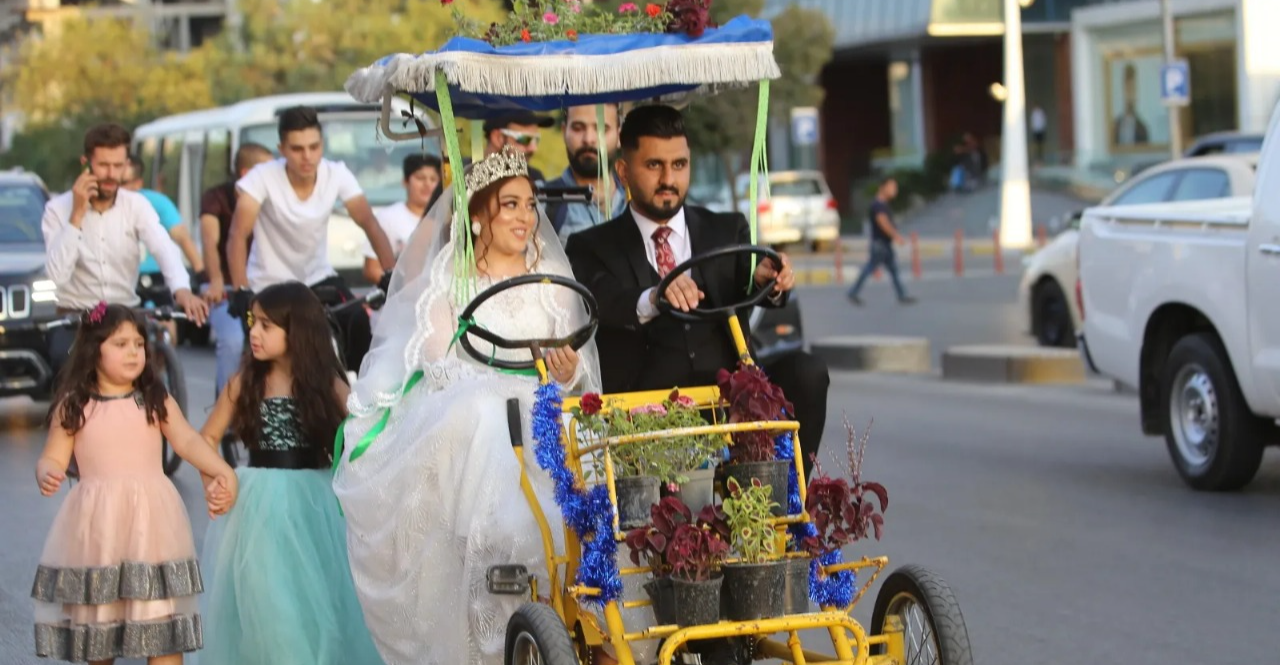


Shafaq News/ Beauty standards have long shaped societal norms and individual self-perception. In Iraq, these ideals have evolved over centuries, influenced by cultural traditions, religious beliefs, and, more recently, digital media.
While traditional beauty emphasized natural features, modesty, and social virtues, modern influences have shifted the focus toward cosmetic enhancements and social media-driven aesthetics. This transformation has affected how Iraqi women view themselves and how they are perceived in marriage and social status.
Historical Beauty Ideals in Iraq
Iraq, home to some of the world’s oldest civilizations, has seen its beauty ideals change over time. In ancient Mesopotamia, beauty was associated with symmetry, well-groomed hair, and the use of kohl to enhance the eyes. Both men and women used natural oils and perfumes, symbolizing wealth and refinement.
With Islamic and Ottoman influences, beauty became closely linked to modesty. Well-maintained hair, clear skin, and inner virtues were emphasized over overt physical display. Traditional Iraqi attire, such as the abaya and hijab, reinforced a balance between elegance and modesty.
During the 20th century and early 2000s, natural beauty remained the dominant standard. Iraqi women were expected to be well-groomed, with reputation, familial background, and cultural values often taking precedence over physical alterations. Makeup was used to enhance features, but cosmetic procedures were rare. Beauty was seen as complementary to personal character and social standing rather than an independent measure of worth.
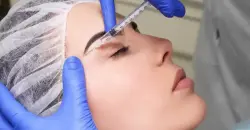
Over the past two decades, Iraq’s beauty standards have undergone a dramatic transformation due to globalization and digital influences. The rise of cosmetic enhancements, body sculpting, and social media filters have reshaped perceptions of attractiveness. Young women, especially in urban areas, increasingly turn to plastic surgery to conform to idealized images promoted online.
Western and Gulf beauty trends have significantly influenced Iraqi beauty standards. Fuller lips, sculpted cheekbones, and slim waistlines—often achieved through surgery or Photoshop—have replaced the once-preferred natural aesthetics. This shift has placed increased pressure on women to maintain an idealized, often unrealistic, appearance.
Marriage
Social media has played a pivotal role in reshaping beauty standards in Iraq. Platforms like Instagram, TikTok, and Snapchat define attractiveness, with influencers and celebrities—both local and international—setting beauty expectations through highly edited and filtered images.
This curated digital beauty has psychological consequences. Many young women experience self-esteem issues as they compare themselves to unattainable standards. Women’s rights activist Ruqayya Salman argued that social media has reshaped marriage expectations, pushing young men and women toward increasingly complex criteria.
"Some women now reject suitors without luxury cars, while some men seek brides who resemble influencers and celebrities enhanced by cosmetic surgery," Salman told Shafaq News. Even in traditional matchmaking, she noted, mothers compare prospective brides to social media personalities, sometimes dismissing them outright if they fail to meet these new beauty standards.
When Aliya, a 28-year-old woman from Hillah, received multiple marriage proposals, she did not expect them to become a source of distress. Many suitors, she said, prioritized physical appearance influenced by social media beauty trends over personality and character.
Speaking to Shafaq News Agency, Aliya questioned whether her decision to forgo cosmetic enhancements had hindered her chances of marriage and affected her self-confidence. But after much reflection, she chose to stop chasing society’s beauty ideals and instead seek a partner who valued her as she was.
"Self-confidence and self-acceptance are key to happiness and finding a genuine partner," she said. "Cosmetic procedures may enhance appearance, but they do not solve issues of self-worth."
University of Baghdad professor Israa Najim noted that evolving beauty standards have altered how Iraqis choose spouses but are not the sole factor. "In the past, beauty in marriage was based on natural features, family reputation, and moral character," Najim told Shafaq News. "Today, modern aesthetics, influenced by social media and cosmetic enhancements, have changed some preferences. But traditional values still play a role."
While cosmetic surgery has shaped perceptions, she said, many Iraqis still prioritize education, ethics, and family stability over appearance. However, debates continue over the long-term impact of cosmetic alterations on marriage decisions.
Najim pointed to social media’s role in complicating marriage prospects, elevating expectations, and fostering unrealistic comparisons. "Social media presents idealized relationships, making young people dissatisfied with real-life options," she said. "Filtered images and cosmetic trends have set unattainable beauty benchmarks, making matchmaking more superficial."
Additionally, she noted that easy access to online dating has delayed marriage decisions, with many believing a better option is always available. Economic pressures, the fear of divorce, and reduced face-to-face social interaction further contribute to marriage delays.
"The illusion of endless choices, combined with rising standards and financial concerns, has led some to postpone or avoid marriage altogether," Najim said.
Still, she added, growing awareness of digital influence is prompting discussions about resetting expectations and fostering authentic relationships.