Quiet streets, divided sentiment: Iraq’s voters weigh choices ahead of Election Day


Shafaq News
Iraq’s special voting ended at 6:00 pm Sunday, Baghdad’s streets stood unusually still — a brief calm before the political contest resumes. The day reflected a country suspended between renewed civic energy and deep skepticism over whether elections still bring change.
Across TV broadcasts and social media feeds, Iraqis watched security forces file into polling centers. For some, the sight revived confidence in the process; for others, it symbolized a familiar cycle of hope and disappointment.
“Seeing the security forces vote encouraged me,” said Afaf al-Saadi, 45, a civil servant in Baghdad. “People kept saying there’s no point, but participation means choosing those we believe are honest and capable. Watching others vote reminded me that change only happens if we persist.”
Read more: Iraq’s 2025 Elections: Voters demand performance over promises
Others saw little reason to try. Safaa al-Jaf, 34, drove his family north to enjoy the mild autumn weather instead of voting. “My voice won’t change anything,” he told Shafaq News. “The same faces will return. Lawmakers follow their blocs, not the people.”
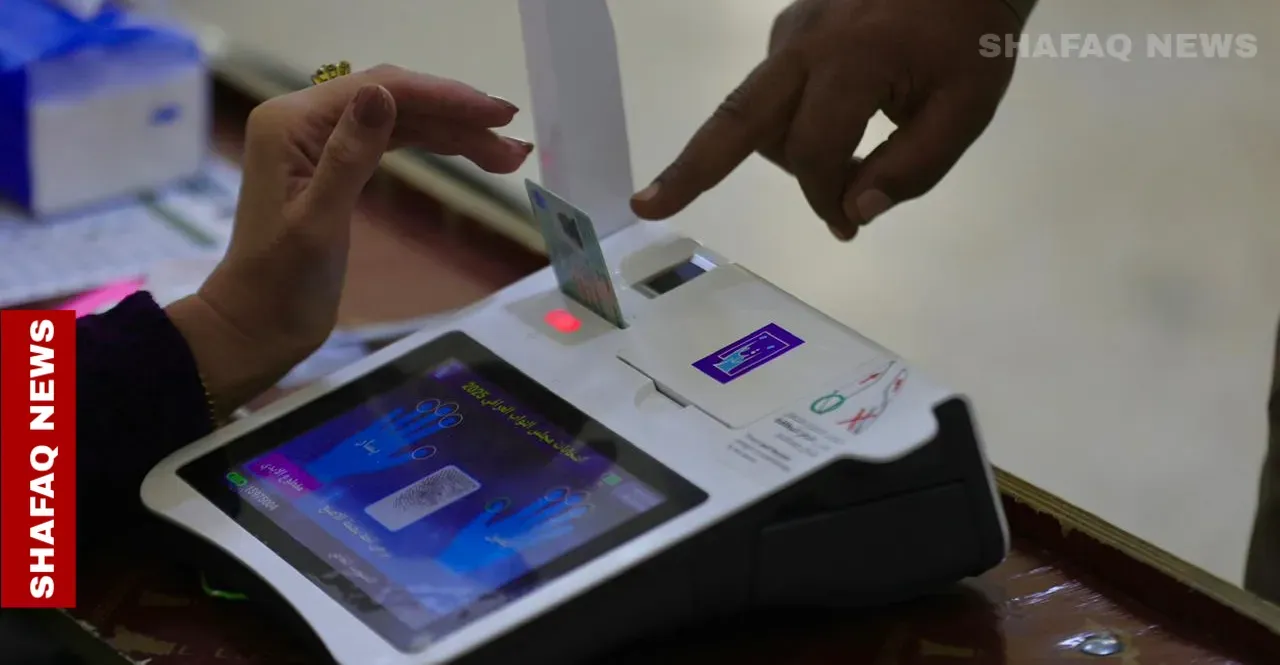
According to the Independent High Electoral Commission (IHEC), turnout in Sunday’s special vote reached 82.4%, including 1.31 million security personnel and 26,986 displaced voters casting ballots across 4,501 stations, among them 97 for internally displaced persons. The Kurdistan Region recorded the highest participation, exceeding 97%, while turnout across central and southern provinces ranged between 50% and 90%.
Read more: Behind Iraq’s special vote: High turnout, higher tension
In Baghdad’s cafés, political debates blended with talk of football matches. Some patrons urged friends to vote for “new faces,” while others dismissed the discussion altogether. Ali Saadoun, 26, said he plans to vote early on election day before spending time with his family. “Voting should be part of our routine,” he said. “It’s a responsibility — but life goes on after we do our part.”
Read more: Iraq’s Gen Z faces choice: Vote or boycott in 2025 elections
For Tahseen al-Bahadli, 27, a construction worker in the capital, the ballot remains a duty, not a choice. He took leave from his company to travel south to Basra. “Voting is a national obligation. We have to decide who represents us — not leave it to others.”
The mood ahead of the November 11 parliamentary elections captures Iraq’s paradox: quiet conviction among some, quiet resignation among others. While many see the vote as a chance to push for reform, others view it as a ritual that changes little beyond names and slogans.
Read more: Iraq’s 2025 poll: +21M voters, new law, fading monitors, and fierce bloc rivalries