Opinion: US prioritizes Iranian concessions above regime change


Shafaq News- Washington
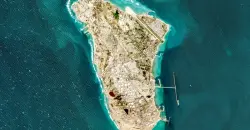
Speculations about an imminent ground landing on Iran’s Kharg Island should be treated with restraint, a US lawmaker stated on Saturday, indicating that Washington’s current approach remains focused on extracting concessions from Tehran rather than pursuing the overthrow of its system.
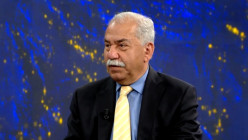
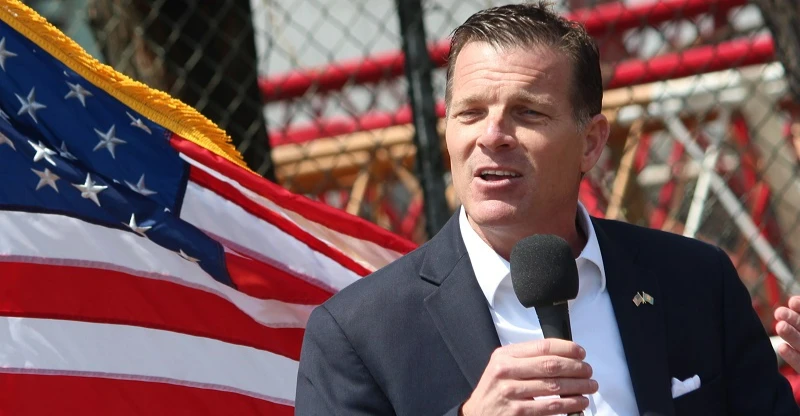
Speaking to Shafaq News, Rob Arlett, a former official in US President Donald Trump’s election campaign, described Kharg Island as an economic pressure point viewed in Washington as a means to weaken Iran’s military posture and negotiating leverage.
He pointed out that the US strategy does not revolve around using energy assets as a direct tool to pressure China, adding that any impact on Chinese energy security would likely be an unintended consequence rather than a primary objective.
‘’The broader regional dimension reflects a calibrated approach,’’ he noted, rejecting the view that Israel is pursuing a policy aimed at exhausting Gulf States alongside Iran. Instead, available indications suggest that the focus remains on disrupting the network of Iranian influence across the region, rather than targeting Gulf countries as parallel objectives.
Arlett further observed that Gulf States are bearing the impact of the escalation, citing their public condemnations of Iranian attacks on regional infrastructure as evidence of their vulnerability within the current environment.
Assessing Iran’s likely response, he warned that any strike on Kharg Island could trigger a wide asymmetric reaction, including intensified missile and drone activity across multiple fronts, attempts to disrupt maritime traffic in the Strait of Hormuz, and increased pressure through allied groups in the Red Sea, alongside potential targeting of energy and desalination infrastructure in Gulf countries.
Despite these risks, Arlett maintained that the US approach remains centered on “coercive behavior change,” aiming to curb Iran’s nuclear and missile programs and limit regional threats, rather than openly pursuing regime collapse.
Moreover, he acknowledged that sustained pressure on Iran’s leadership and oil infrastructure could generate internal strain, potentially contributing to gradual instability and structural weakening over time.
For Shafaq News, Mostafa Hashem, Washington, D.C.
Read more: Iraq's energy vulnerability: When a petro-state has no buffer