Nearly four weeks of attacks on the Kurdistan Region of Iraq


Shafaq News
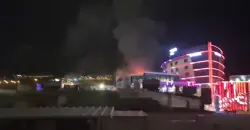
Drones, missiles and shelling struck Iranian Kurdish opposition bases and Peshmerga positions across Iraq's Kurdistan Region between July 17 and August 12, killing at least nine people and wounding at least eight.
Iran claimed responsibility for part of the campaign, while other strikes were launched from inside Iraq or remain unattributed, according to Kurdistan Region Prime Minister Masrour Barzani and statements from the targeted parties.
The bases struck belong mainly to Iranian Kurdish opposition parties —Kurdistan Toilers' Party (Komala), the Kurdistan Democratic Party of Iran (KDPI), the Kurdistan Freedom Party (PAK), and the Khabat Organization of Iranian Kurdistan— armed groups opposed to Tehran that hold positions in Erbil and Al-Sulaymaniyah provinces. Erbil also hosts United States sites, including a US consulate, while the Peshmerga, the official armed forces of the Kurdistan Region, maintain positions in the areas targeted.
The Human Toll
All nine confirmed deaths occurred in a single strike. On July 17, missile fire hit a Komala position at Zargwez, near Al-Sulaymaniyah, killing nine opposition fighters, according to the group. Five days later, an attack on a PAK headquarters wounded six of its members.
Between July 27 and August 12, Shafaq News documented two people wounded, both Komala members hurt in a missile strike on August 11.
Read more: Two weeks of attacks on Iraqi Kurdistan, Iran claims US damage
Two Phases Of Strikes
Between July 17 and 25, Shafaq News recorded close to 20 strikes divided along two target lines: bases of Iranian Kurdish opposition parties in Al-Sulaymaniyah and western Erbil, and US-linked sites around Erbil. Air defenses associated with the US consulate intercepted drones over Erbil on several occasions, with damage limited to falling debris and small vegetation fires, according to the US-led Global Coalition against ISIS and Kurdistan security sources.
Erbil International Airport stayed open throughout. PAK accused Iran of using white phosphorus munitions in a drone strike on one of its bases west of Erbil and called for an international investigation.
Between July 27 and August 12, Shafaq News documented at least 10 distinct attack episodes. Seven of them targeted Iranian Kurdish opposition organizations, two struck Peshmerga positions at Tekeran on July 28 and Tasluja on August 2, and one strike near Jasana Cave in Al-Sulaymaniyah province on August 1 hit an unidentified target.
Weapons And Locations
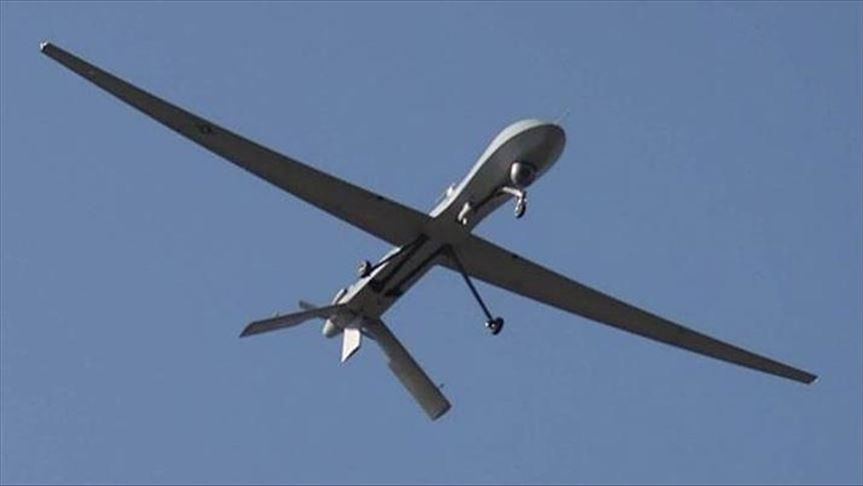
Drones were the dominant weapon. Shafaq News counted at least 21 across the period: four on July 27, three on July 28, one on July 29, five in two July 31 attacks, two on August 1, two on August 2, and four on August 12. Iran used an unspecified number of additional drones on August 8. Three missiles were confirmed in the August 11 strike, a possible fourth struck Mount Haibat Sultan on July 27, and the weapon used against the Peshmerga at Tekeran was not specified.
Several strikes hit evacuated or lightly occupied sites, and material damage was reported repeatedly at party headquarters, camps, and nearby buildings. On July 31, a suicide drone struck the Khabat Organization headquarters at Topzawa, along the Erbil–Makhmour road, and guards failed to bring down one aircraft with light weapons.
Iran's Claims And Attribution
Iran was explicitly identified as responsible for the August 8 drone strikes on Komala positions near Al-Sulaymaniyah and the August 11 missile strike on Komala headquarters in Alana Valley, north of Erbil. Most earlier attacks were not attributed to a specific perpetrator.
On July 25, Iranian army spokesperson Mohammad Akraminia said Iranian forces had destroyed US infrastructure in the region. "Especially in Erbil, Iraq, almost all of America's infrastructure has been destroyed, and the counter-revolutionary forces are unable to operate," he said in remarks reported by Iranian media, using Tehran's term for the Iranian Kurdish opposition.
Tasnim, a news agency close to the Islamic Revolutionary Guard Corps (IRGC), attributed a fire in Al-Sulaymaniyah to projectiles fired from Iran. The KRG and the main Kurdish parties blamed Tehran directly and called on it to halt the attacks.
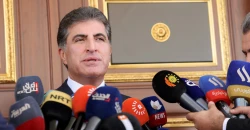
PM Barzani said in a TV interview that some attacks had originated inside Iraq, including drones launched from the direction of Mosul, and later stated that the wider campaign had come either directly from Iran or from armed groups operating on Iraqi territory.
Iranian Brigadier General Mojtaba Jafari claimed on August 3 that the Iranian army's 23rd Airborne Special Forces Brigade had carried out 14 ground operations in Erbil and Al-Sulaymaniyah, killing and capturing opponents. Iran gave no dates, locations, or casualty figures, and Iraqi and Kurdistan Region authorities did not confirm the claim, which cannot be reconciled with the documented attack record.
Iraqi Factions Deny Involvement
Two Iran-aligned Iraqi armed factions rejected any role in the strikes. On July 17, Kataib Sayyid al-Shuhada denied that any attack had been launched from Iraqi territory. "There were no operations launched from Iraq toward Erbil, and no resistance faction carried out any action of this kind," spokesperson Kazem al-Fartousi told Shafaq News.
On July 25, Saraya Awliya al-Dam rejected reports linking it to the Erbil attacks as false and intended to sow confusion, according to its military spokesperson, Abu Mahdi al-Jaafari.
Former senior Peshmerga official Jabbar Yawar has named Kataib Hezbollah, Kataib Sayyid al-Shuhada, the Imam Ali Brigades and Harakat al-Nujaba among Iraqi groups involved in the wider campaign, citing the Nineveh Plains, areas around Kirkuk and Saladin as launch zones. These groups did not comment on the allegations.
The Wider Campaign
The July and August strikes form part of a longer conflict. Barzani told Al Jazeera that the Kurdistan Region had endured more than 1,000 missile and drone attacks over the course of the wider war, launched either directly from Iran or by armed groups inside Iraq, and said the Kurdistan Region would not be drawn into the conflict, adding that it had raised its lack of air defenses with international partners, including the United States.
The KDPI has said more than 145 missiles and drones struck its facilities since February 28, and Komala has reported more than 102 since the same date. Those cumulative figures cover the broader campaign and are not part of the count for July 17 to August 12.
Read more: Who is striking Iraqi Kurdistan? New drones deepen an unanswered question
Written and edited by Shafaq News staff.