Two weeks of attacks on Iraqi Kurdistan, Iran claims US damage


Shafaq News- Erbil/ Al-Sulaymaniyah (Updated at 12:35)
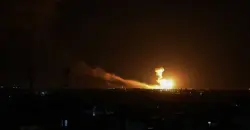
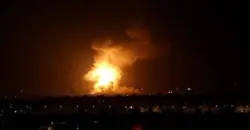
Two weeks into a wider campaign of drone and missile attacks on the Kurdistan Region of Iraq, Iran's army claimed responsibility for striking United States infrastructure and Iranian-Kurdish opposition bases, and two Iraqi armed factions have denied any offensive role against Erbil or Al-Sulaymaniyah. The almost 20 attacks have killed at least nine people and wounded six others, all of them members of Iranian-Kurdish opposition parties.
The Kurdistan Region is a semi-autonomous, Kurdish-governed area of northern Iraq administered by the Kurdistan Regional Government (KRG). Al-Sulaymaniyah and western Erbil host bases of Iranian-Kurdish opposition parties, while Erbil is also home to United States sites, including a US consulate and Harir Base.
On July 25, Iranian army spokesperson Mohammad Akraminia, in remarks reported by Iranian media, said Iranian forces had destroyed US infrastructure in the region. "Especially in Erbil, Iraq, almost all of America's infrastructure has been destroyed, and the counter-revolutionary forces are unable to operate," he said, using Tehran's term for the Iranian-Kurdish opposition groups based in the region.
Read more: IRGC claims heavy US losses across the region
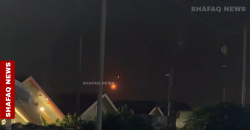
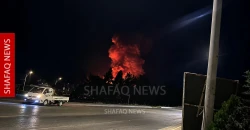
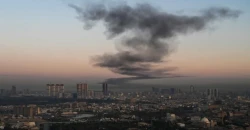
The KRG and main Kurdish parties blamed Tehran directly and called on it to halt the attacks. Tasnim news agency, which is close to the IRGC, attributed a blaze in Al-Sulaymaniyah to projectiles fired from Iran.
The confirmed toll falls entirely on Iranian-Kurdish opposition groups. On July 17, missile strikes hit the Komala party at Zargwez near Al-Sulaymaniyah, killing nine opposition fighters. On July 22, an attack on a Kurdistan Freedom Party (PAK) headquarters wounded six of its members.
PAK alleged that Iran used white phosphorus munitions in a drone strike on one of its bases west of Erbil, calling for an international investigation.
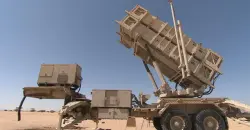
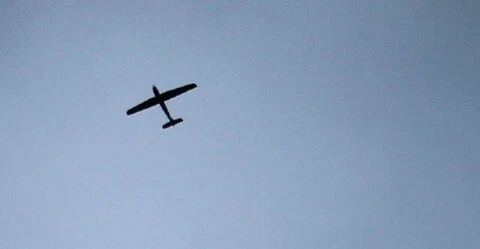
The strikes were divided along two target lines over the two weeks: bases of Iranian-Kurdish opposition parties in Al-Sulaymaniyah and western Erbil, and US-linked sites around Erbil. Air defenses associated with the US consulate intercepted drones over Erbil on multiple occasions between July 17 and 25, according to Global Coalition and Kurdistan security sources, with effects there limited to falling debris and small vegetation fires. Erbil International Airport stayed open throughout
Kataib Sayyid al-Shuhada, an Iran-aligned Iraqi armed group, denied on July 17 that any attack had originated on Iraqi territory. Spokesperson Kazem al-Fartousi told Shafaq News: "There were no operations launched from Iraq toward Erbil, and no resistance faction carried out any action of this kind."
Saraya Awliya al-Dam, a second faction, rejected on July 25 reports linking it to the Erbil attacks, calling them false and meant to sow confusion, according to military spokesperson Abu Mahdi al-Jaafari.
The attacks had continued for two weeks as of the latest reported strike on July 25.
Read more: Who is striking Iraqi Kurdistan? New drones deepen an unanswered question