Inside Abeidha: The southern haven for Iraq’s most wanted


Shafaq News
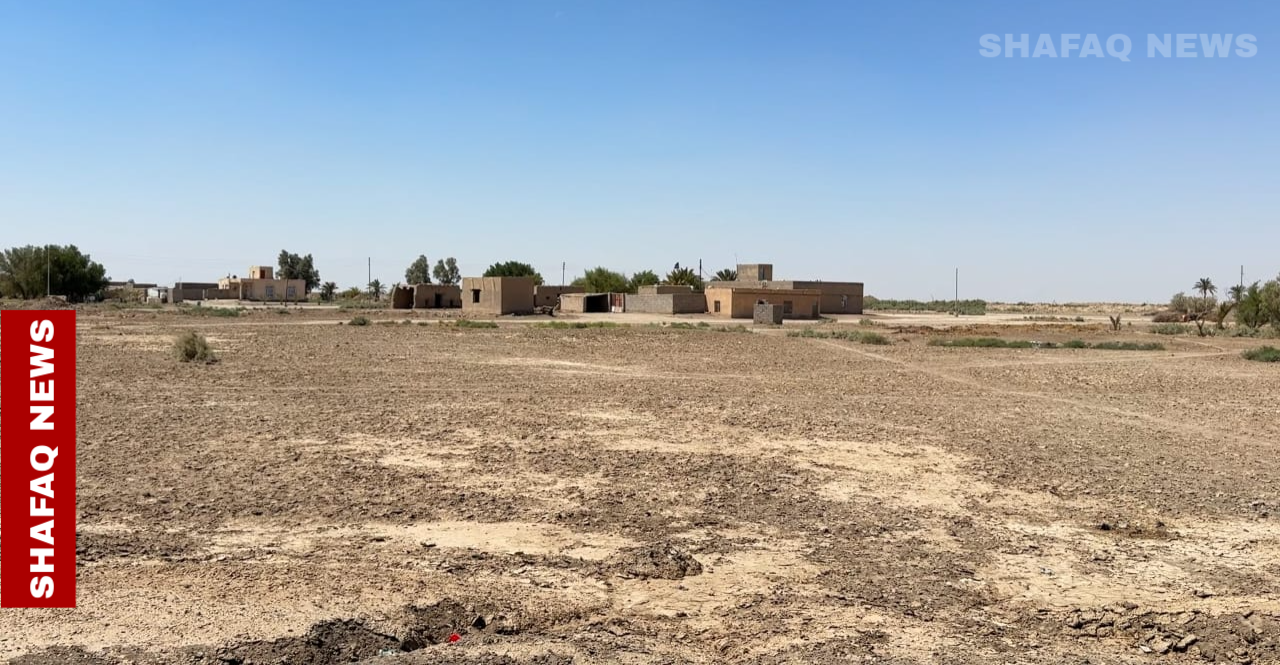
Its name is “Abeidha,” meaning “white,” yet for decades it has stood as one of Iraq’s darkest havens for gang leaders, fugitives, and organized crime networks.
Located in the Sayyed Dakhil district east of Dhi Qar, the area long defied state control. Geography, tribal dominance, and marshland terrain combined to create a natural fortress where security forces rarely ventured.
After years on the margins, Abeidha has returned to the security spotlight in recent months. Sweeping military operations in neighboring Maysan targeting fugitives exposed the scale of criminal activity radiating from the area. Officials now say Abeidha is again at the center of Iraq’s law enforcement challenges.
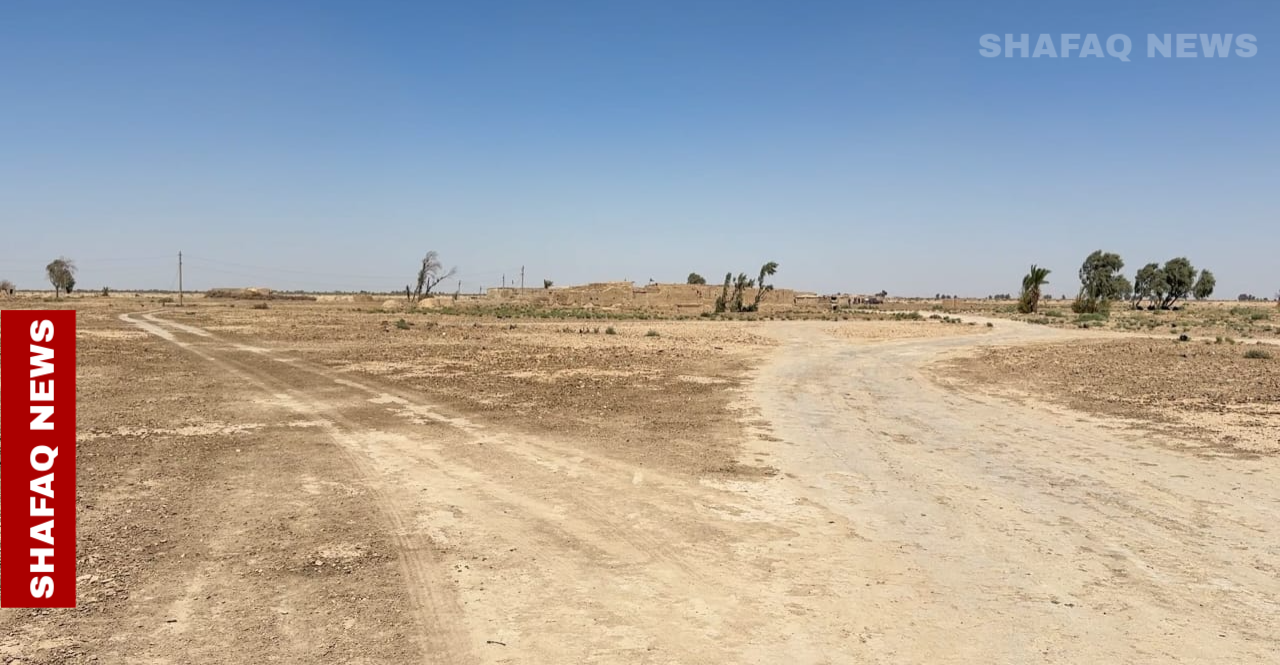
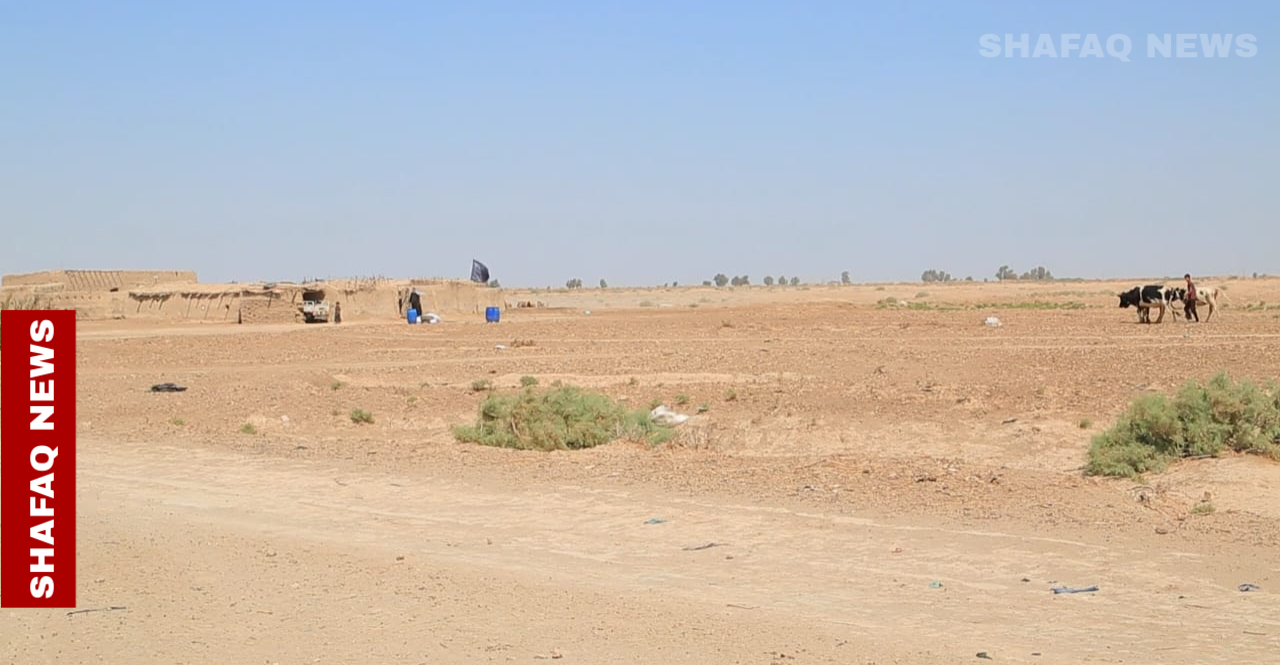
Stretching for tens of kilometers, the settlement is home to one of the region’s major tribes and borders Iraq’s shrinking marshes, now scarred by drought.
Residents recall its history of defiance. “The former regime bombed Abeidha with warplanes after its security forces failed to storm it, discovering resistance hideouts inside,” Abu Ali, a local man, told Shafaq News. “In later years, it became a shelter for dozens of Iraq’s most wanted fugitives.”
What once served as a stronghold for insurgents morphed into a sanctuary for carjackers and highway bandits in the late Saddam-era. Figures like “Sab‘ al-Layl,” “Sab‘ al-Nahr,” “Ibn Shuwaia,” and “al-Aswad” became notorious for hijacking vehicles and concealing them deep in Abeidha.
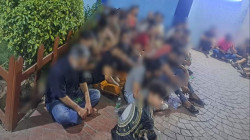
The fall of Saddam’s regime only deepened its lawless reputation. When Baghdad launched Operation Law Enforcement in Maysan years later, dozens of fugitives sought safety in Abeidha. Security officials estimate that as many as 200 wanted men from Dhi Qar, Basra, and Maysan ultimately took refuge there.
Recent attempts to reassert state control have faltered. “The forces were met with three hours of armed resistance,” a security source told Shafaq News, describing the most recent failed raid.
The operation was linked to the kidnapping of a police officer in Souq al-Shuyoukh. He was transferred to Abeidha to be hidden, the source explained. Negotiations later secured his release, but only after authorities agreed to halt their advance — an “unavoidable compromise,” as one officer described it.
Investigations by Shafaq News reveal that many fugitives in Abeidha enjoy the protection of political figures with senior government posts and armed wings. These networks reportedly deploy them when needed — to eliminate rivals, sow instability, or stage crimes for political leverage.
Convicts sentenced in absentia also live openly in Abeidha, shielded from arrest. Its strategic connection to the marshes along the Iranian border has turned the area into a key corridor for smuggling, particularly narcotics.
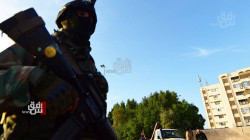
The latest security operation in Maysan, involving multiple branches of Iraq’s armed forces, was launched after a sharp rise in violence, said provincial council member Hussein al-Maryani.
“The operation has significantly reduced crime inside Maysan,” al-Maryani told Shafaq News, praising the forces’ efforts. Still, intelligence sources confirm that several fugitives escaped, with specialized units now pursuing them.
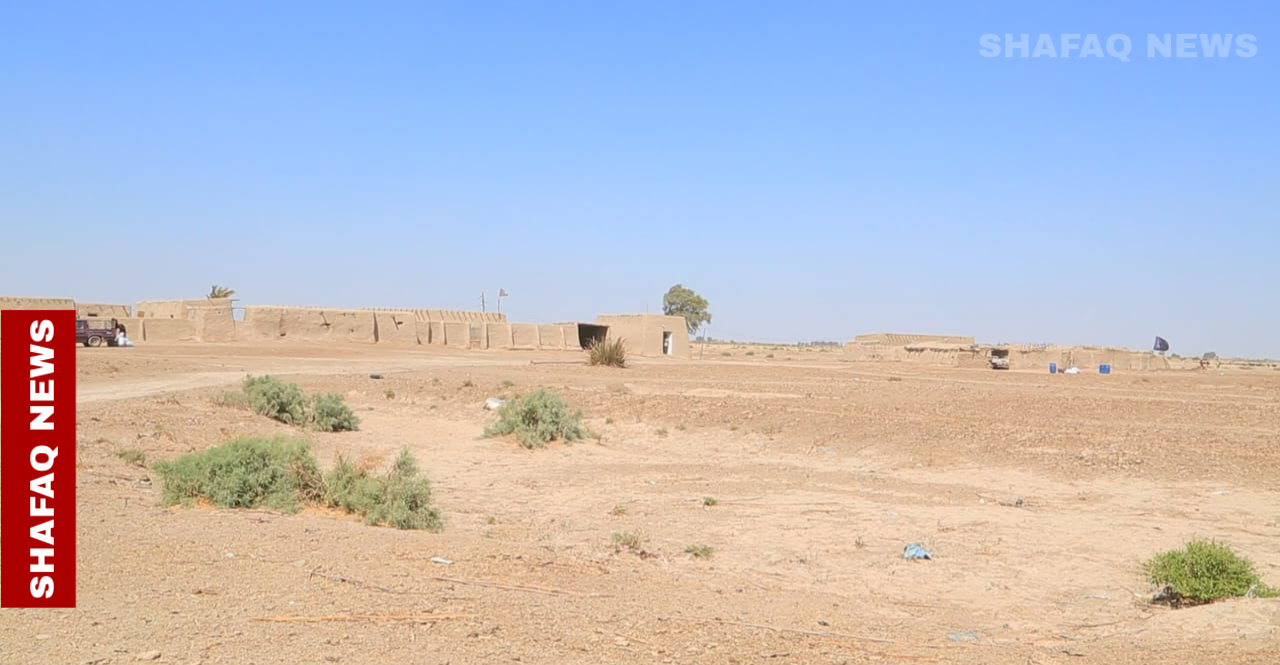
For decades, Abeidha has symbolized Iraq’s struggle to impose order in its southern provinces: first an insurgent refuge, later a gangster sanctuary, and now a smuggling gateway shielded by political protection. Despite repeated raids, it remains — in the words of one officer — “a capital of crime” the state has yet to reclaim.
Written and edited by Shafaq News staff.