From cell to center: Iraq tests a new answer to addiction


Shafaq News
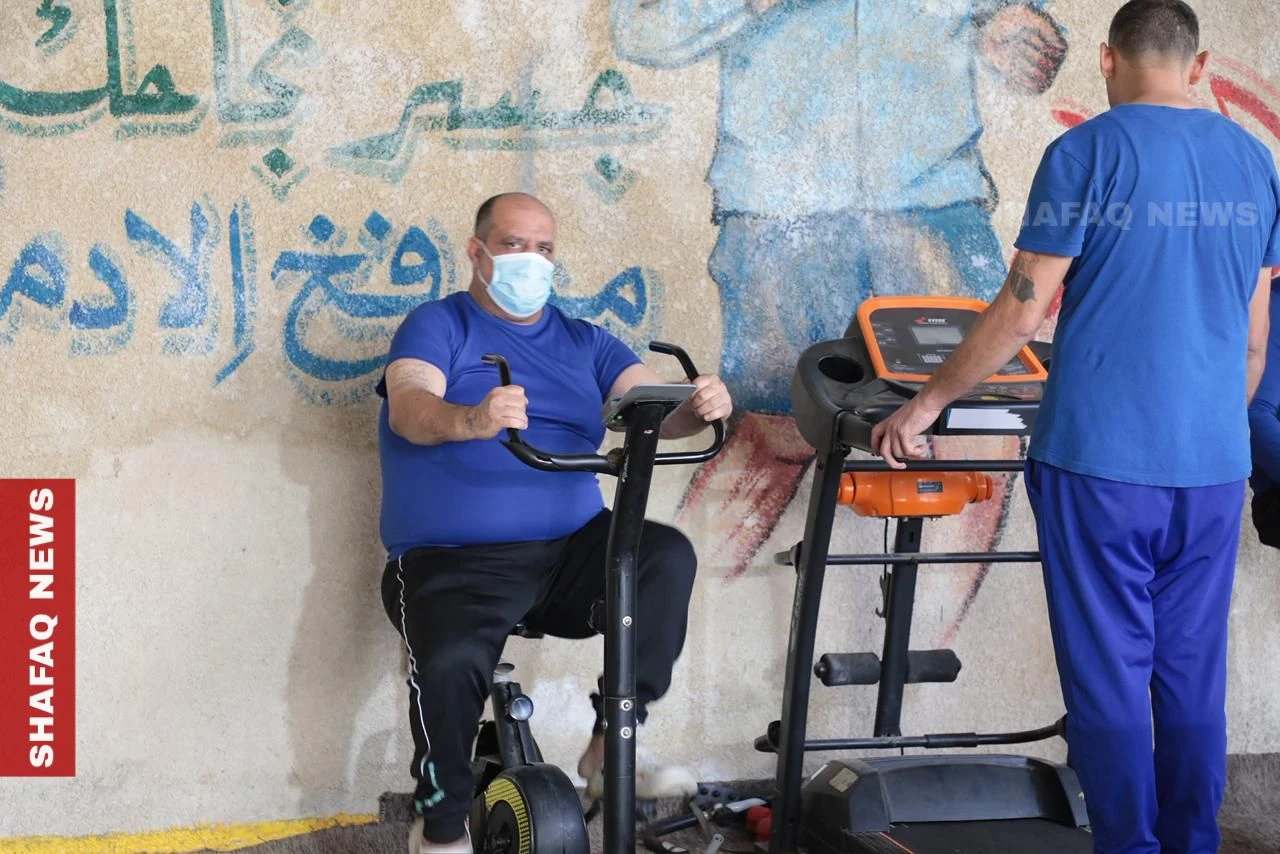
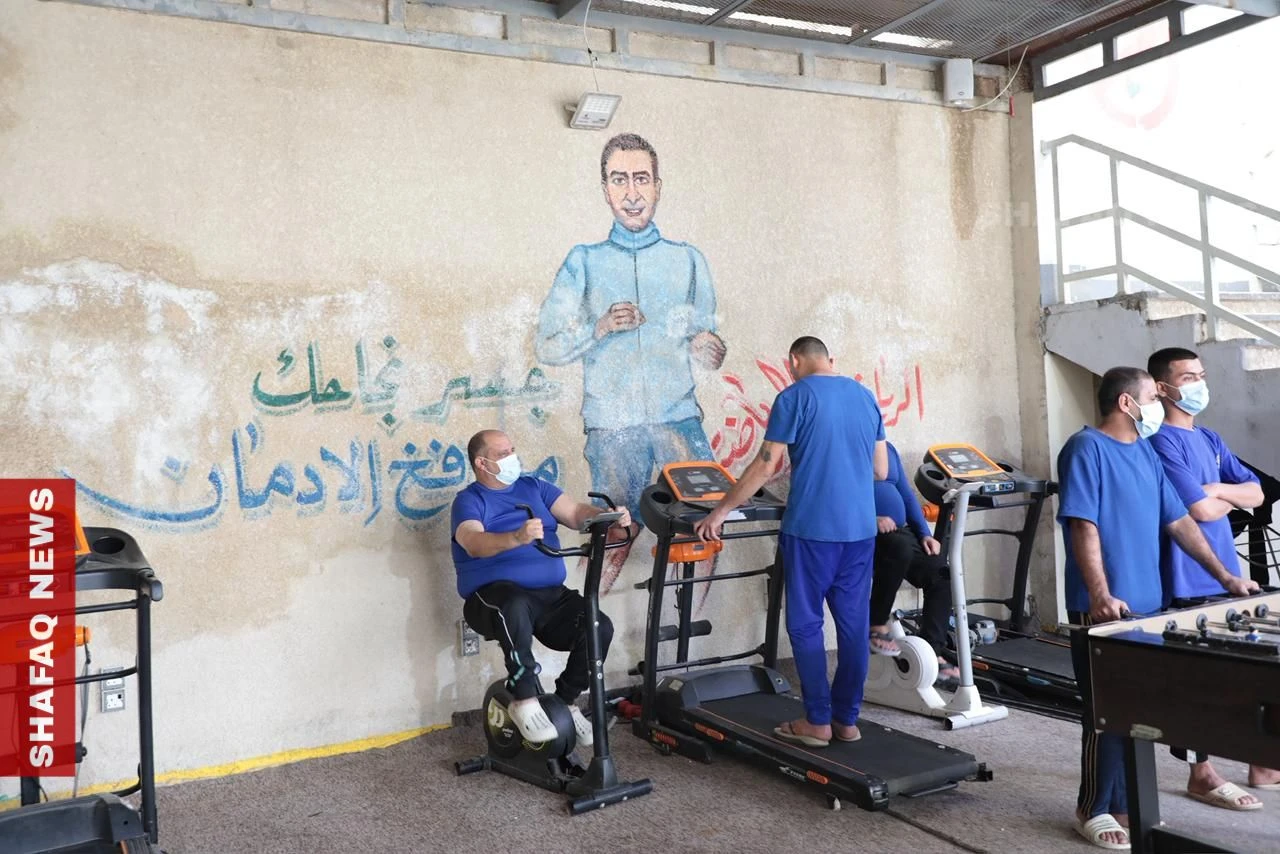
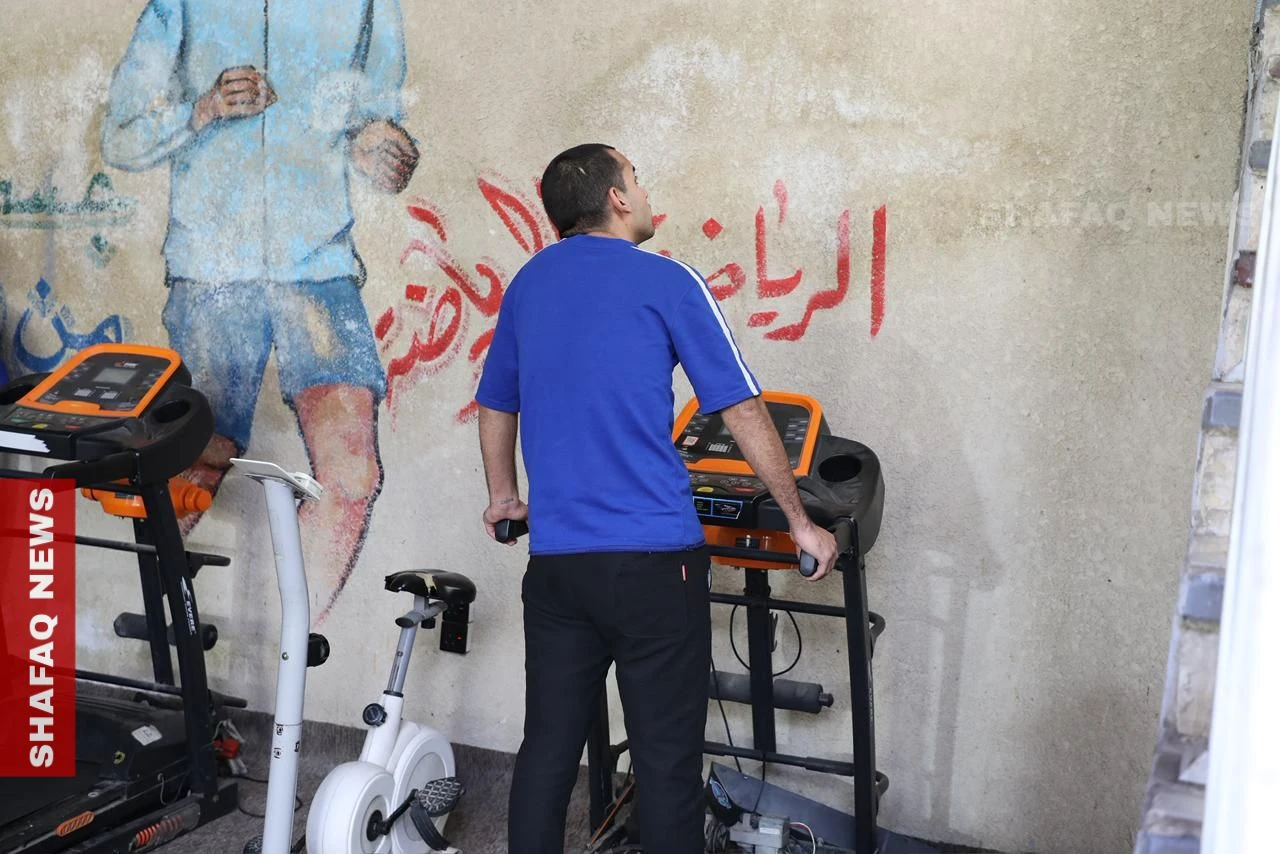
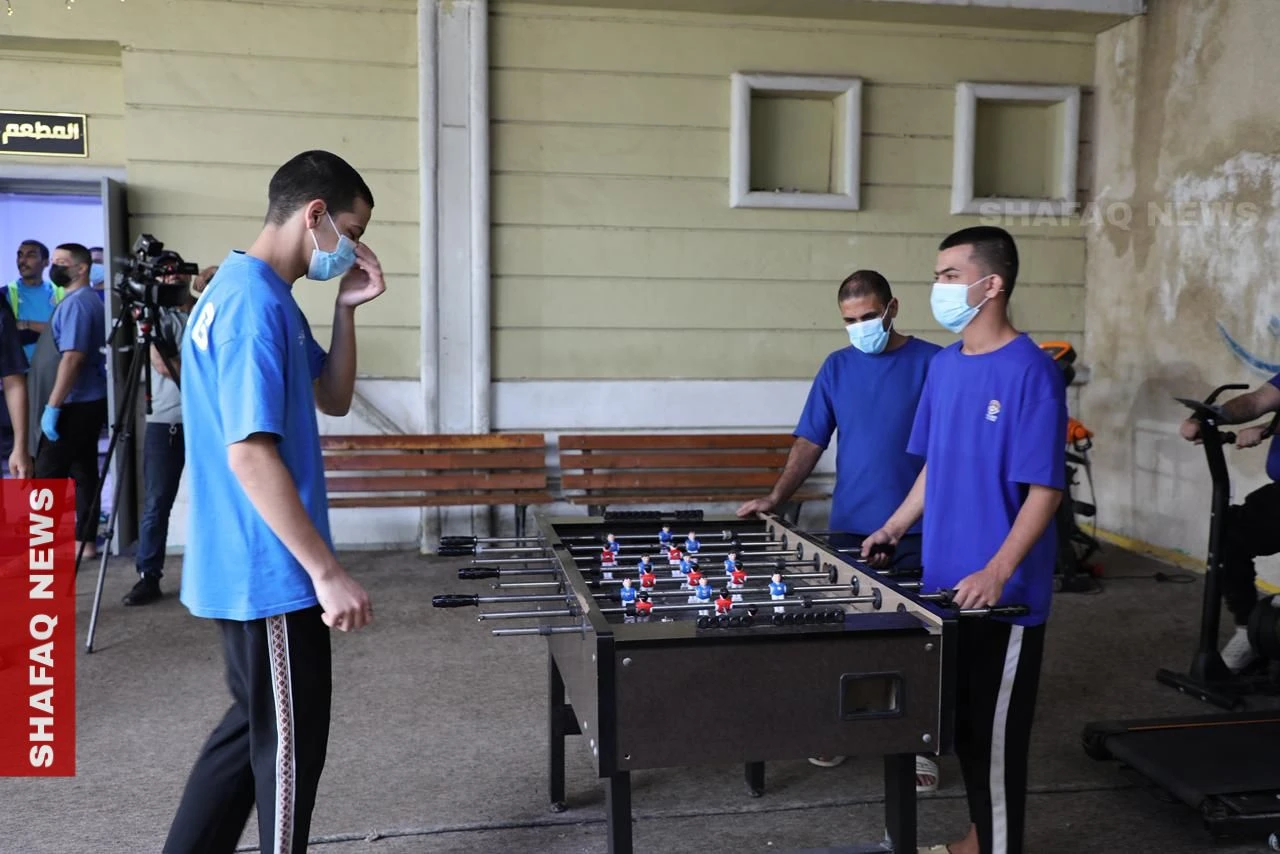
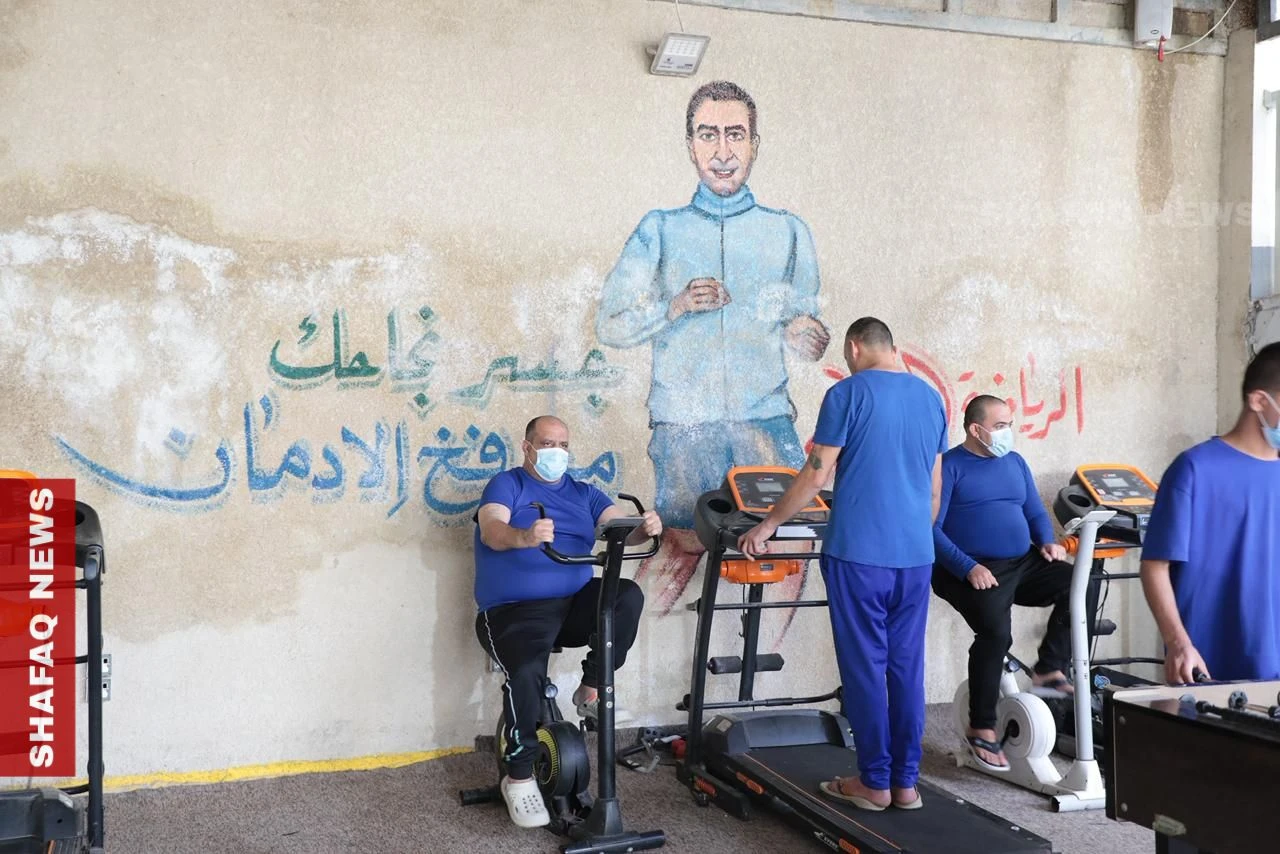
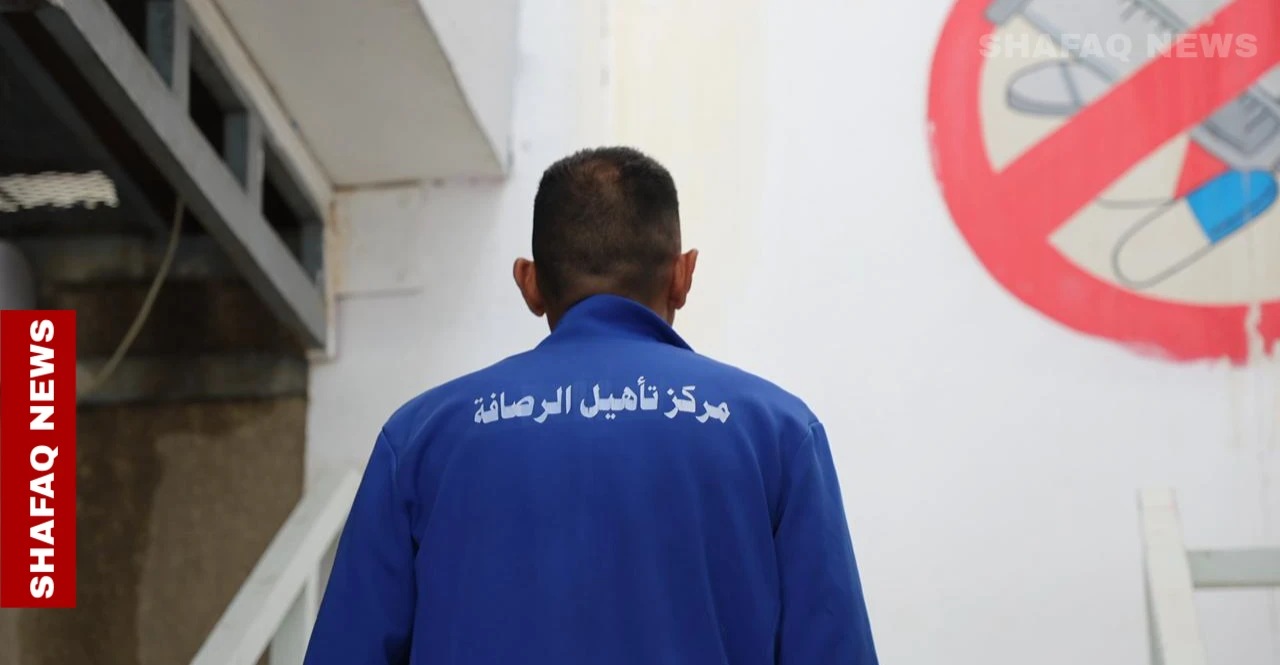
The man in the ward does not look like someone under sentence. His day begins with exercise, then classes and vocational training, before he returns at night to a room with no bars on the door, in a building where no one is watching to make sure he does not leave.
Not long ago, someone in his position would have ended up in an overcrowded cell, sharing space with dealers and leaving with more contacts than when he entered. A senior officer in Basra, separate from the officials cited later in this report, described the dynamic bluntly when he told Shafaq News that prison turned users into dealers.
Iraq has begun shifting its approach to drug addiction by
directing users into rehabilitation centers instead of prison, expanding a
system that has already handled about 8,000 cases nationwide. At the Al-Rusafa
Rehabilitation Center in Baghdad, that shift is visible on the ground, even if
its outcome remains uncertain.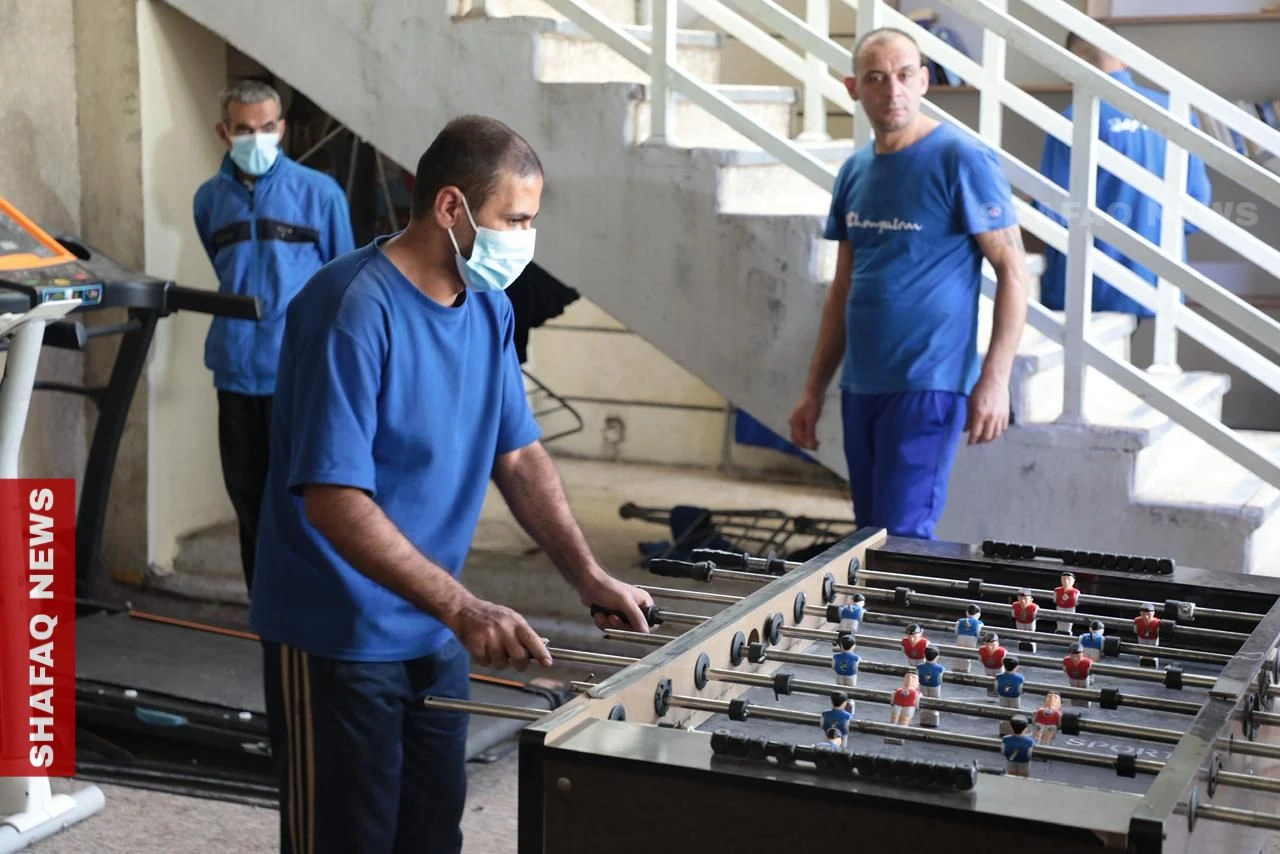
Law and Rollout
The change is rooted in Article 32 of Iraq's Drug and Psychotropic Substances Law No. 50 of 2017, which allows courts to replace prison sentences with placement in rehabilitation centers. For years, the provision existed largely on paper, as the country lacked the capacity to enforce it. That gap has narrowed. The Interior Ministry's General Directorate for Narcotics and Psychotropic Substances has established 16 rehabilitation centers across Iraq —three in Baghdad and the rest distributed across the provinces.
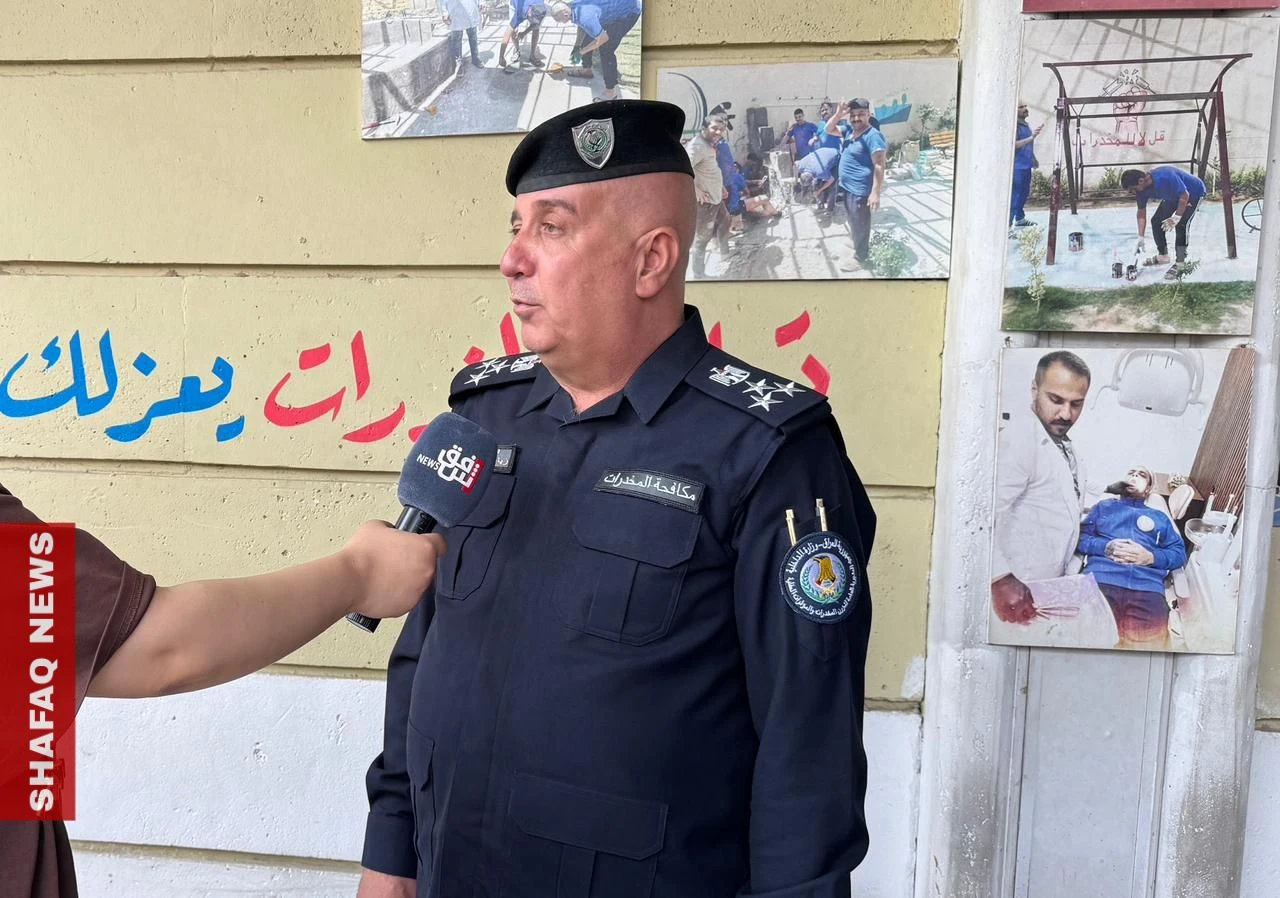
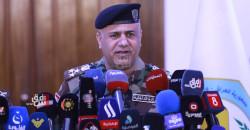
Brigadier General Ziyad Al-Qaisi, a senior official at the
directorate, told Shafaq News the shift reflects lessons learned from years of
enforcement. Treating users and traffickers as a single category, he said,
often produced repeat offenders and in some cases fed the same networks
authorities were trying to dismantle. “The alternative is to treat users as
patients, particularly those drawn into addiction through social pressure and
unstable economic conditions.”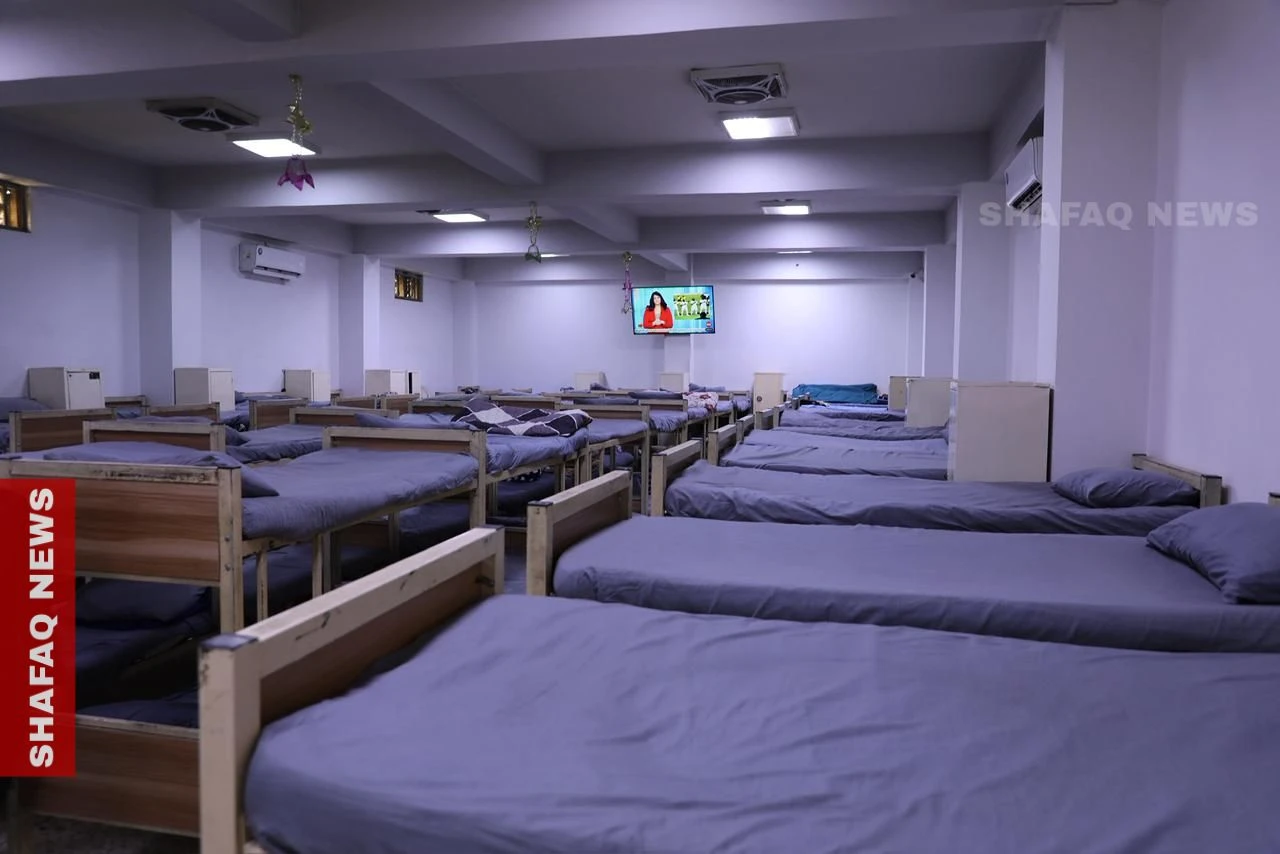
More than 6,800 people have completed treatment and returned to their communities, while roughly 1,200 remain in care, according to Al-Qaisi.
At Al-Rusafa, treatment follows a structured model developed jointly by the ministries of Interior and Health, known internally as the "four-plus-one" program. Dr. Mohammed Abdul Karim, the center's physician, described a progression from detoxification through psychological support, physical rehabilitation, and vocational training. The fifth stage continues after discharge, with trades such as carpentry, tailoring, and metalwork offered to address a gap that medical care alone cannot fill.
The man who lost his government job is in the final weeks of that program. He speaks about returning to work, rebuilding his routine, and avoiding the same circles that led him into addiction, aware that those circles have not disappeared, but that what has changed is his distance from them.
After leaving the center, former residents remain in contact with community police units under a framework described as "halfway houses," a model in which former residents remain under light supervision while reintegrating into their communities, aimed at reducing relapse. The system remains limited in reach but marks a clear break from earlier approaches, where intervention ended at the prison gate.
Read more: Iraq fights back against synthetic drug flood engulfing the Middle East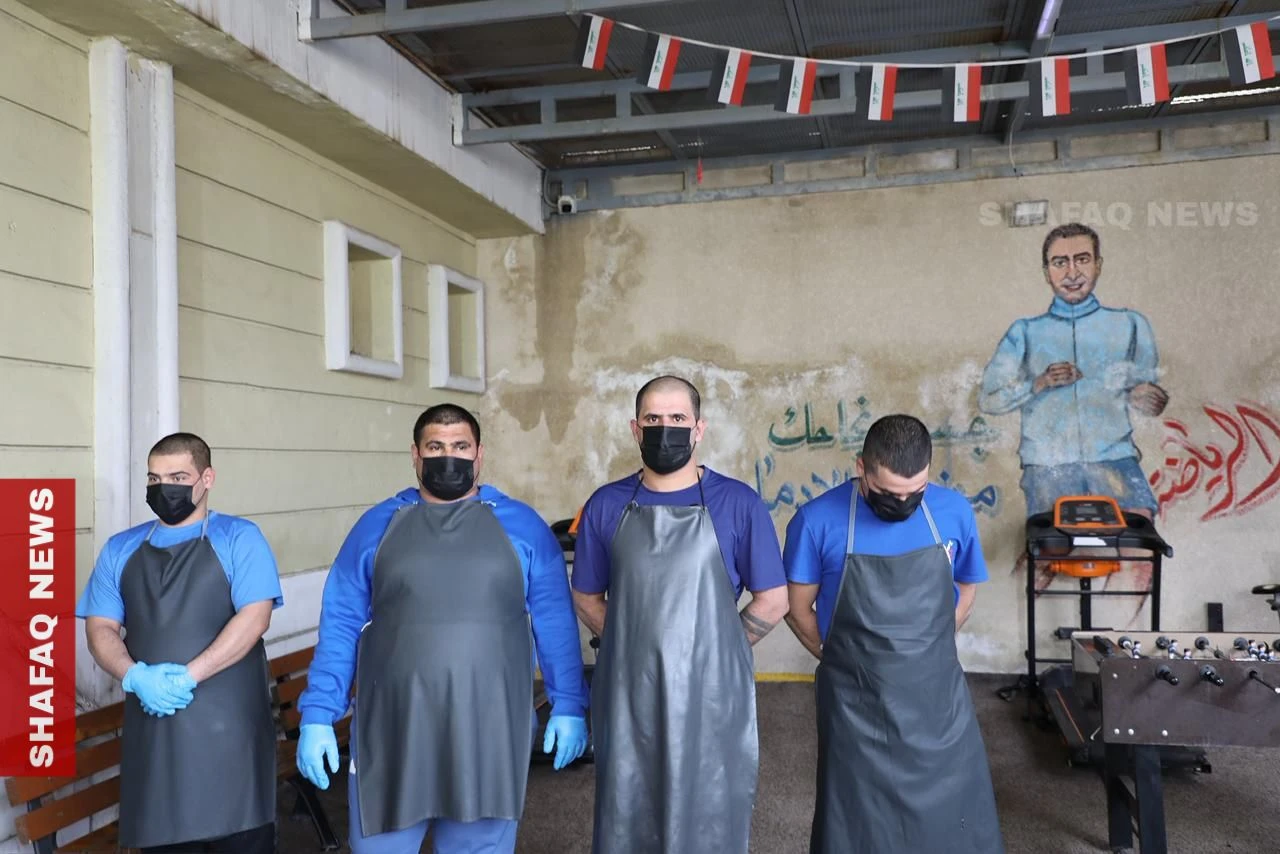
Supply and Circumstance
A second resident, who arrived by court order six months earlier, described his path more simply: unemployment, environment, and the pull of friends. He speaks about recovery with caution and without defining what comes next.
Youth unemployment in Iraq is about 32 percent, according to World Bank data from 2025, limiting options for those leaving structured programs. In Basra, appellate court figures show that around 90 percent of arrested drug offenders were unemployed at the time of their arrest.
Psychotherapist Ahmed Mohammed Shaker links the problem to
deeper disruptions in Iraq's social fabric after 2003, weakened family
structures, and prolonged instability that left many without consistent support
systems. Addiction, in his framing, emerges less as an isolated choice and more
as a condition shaped by environment.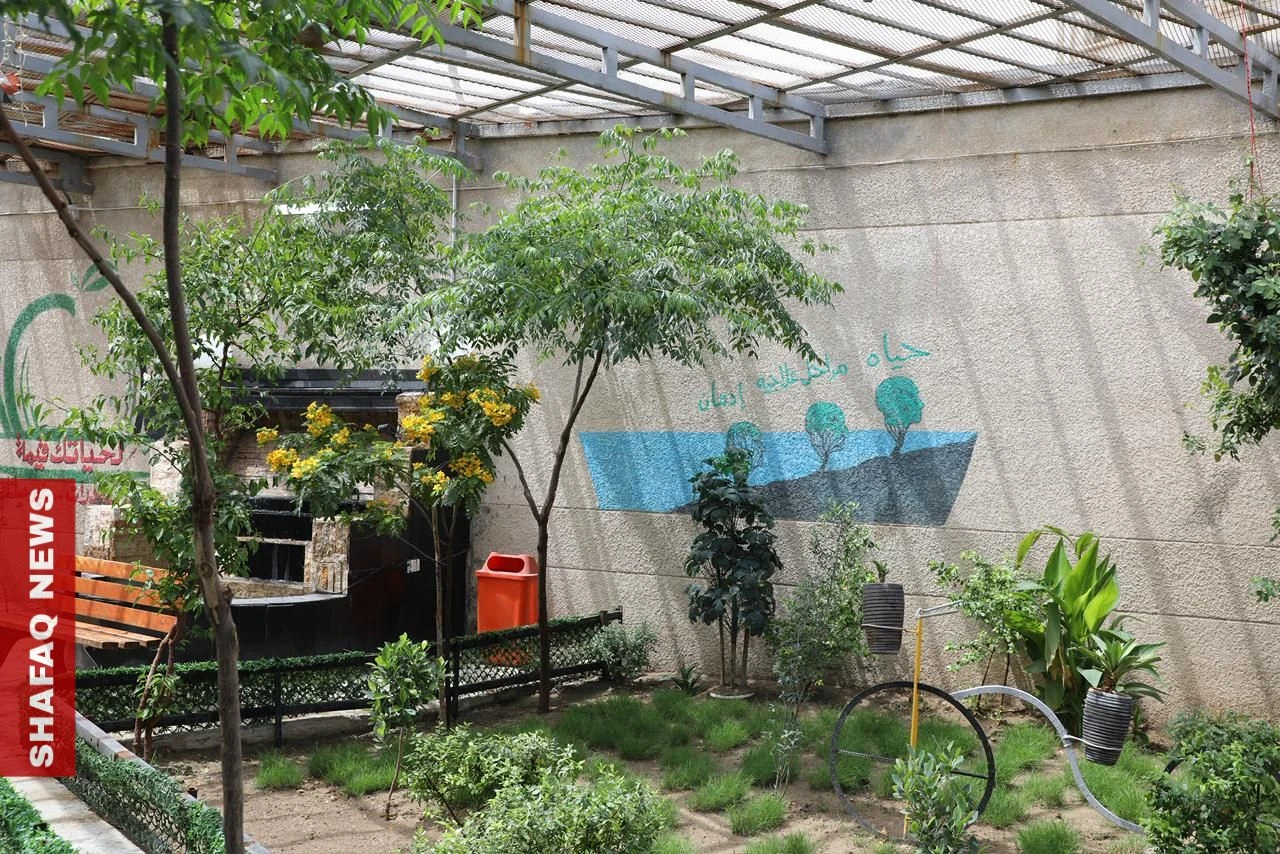
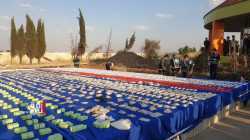
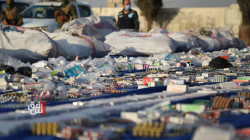
Supply meanwhile remains active. The United Nations Office on Drugs and Crime (UNODC) describes Iraq as both a growing consumption market and an emerging production point. Authorities seized more than 4.1 tons of Captagon —a synthetic amphetamine widely trafficked across the Middle East— in 2023 alone, while investigations uncovered a production laboratory in Al-Muthanna province and suspected sites near several northern cities.
Trafficking routes run through three main corridors: the
north through the Kurdistan Region, the west through Al-Anbar and the Syrian
border, and the south through Basra. Those routes are sustained, according to
the UNODC, by weak border control and, in some alleged cases, by armed groups
with commercial interests in the trade.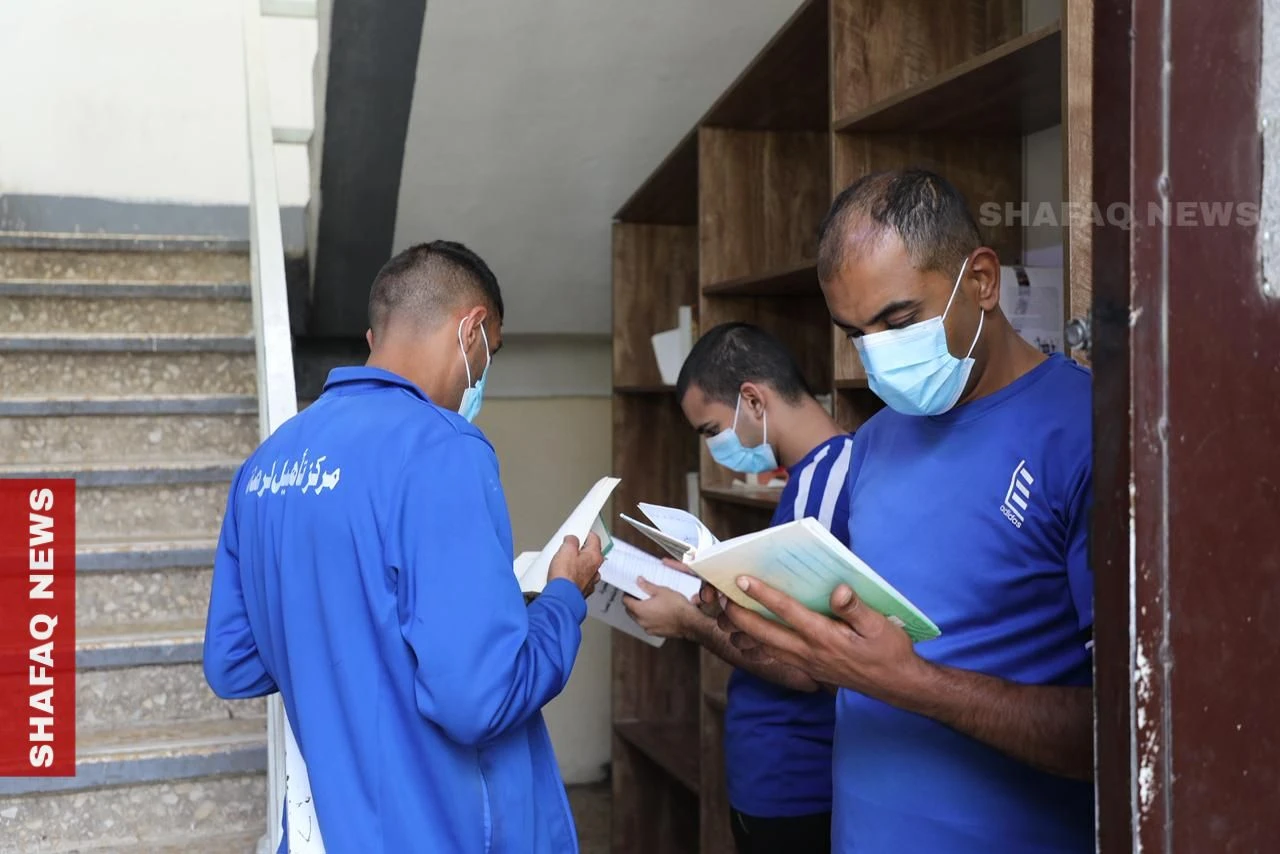
The Open Question
Rehabilitation centers address individuals who enter the
system, but they do not dismantle supply networks or eliminate the economic
pressures that make addiction more likely. Inas Karim, head of the civil
society organization A Drug Free Iraq, has warned that stigma and fear of legal
consequences still prevent many families from seeking help, leaving a
significant share of cases outside formal treatment entirely. Data shows the
number of Iraqis receiving treatment for drug use disorders more than doubled between
2017 and 2021 —a figure that exposes rising demand as much as it reflects
expanding capacity.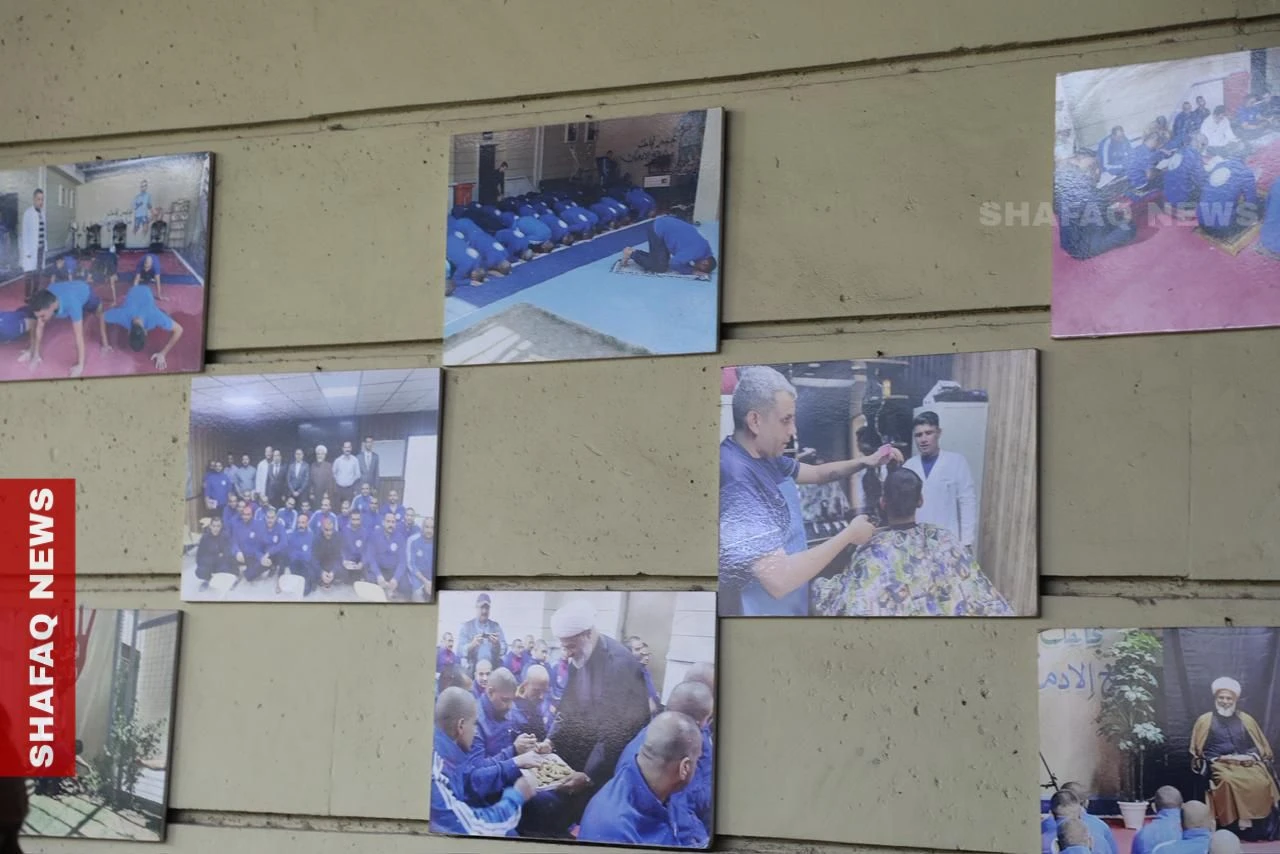
Iraq's rehabilitation system marks a clear shift, replacing incarceration with treatment and offering a path that did not previously exist. Centers function, and people return to their communities. What those communities offer in return remains the open question.
Written and edited by Shafaq News staff.