Feyli Kurdish city Malekshahi turns protest flashpoint in Iran’s Ilam


Shafaq News– Ilam
Malekshahi, a predominantly Feyli Kurdish town in Iran’s western Ilam province, has emerged as one of the most violent hotspots in the ongoing nationwide protests, with conflicting accounts over the nature of the incidents and the number of casualties.
Iranian semi-official media reported on January 3 that rioters shot dead a police officer during a clash in Malekshahi county, about 80 kilometers southeast of Ilam city.
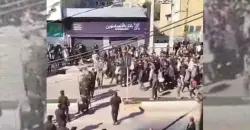
Meanwhile, the Kurdish human rights group Hengaw reported that security forces opened fire on a peaceful protest outside a government compound in Malekshahi, killing at least five people and wounding more than 40 others, after demonstrations erupted over economic hardship and unemployment.
A weak economy and limited job opportunities have driven many young residents to seek employment in the military and security services, sharpening the social impact of the violence as clashes unfold in communities where nearly every household includes someone in uniform, blurring the line between public confrontation and private life.
In Iran, protests erupted in late December 2025 following a record fall in the value of the Iranian rial below 144,00 for one dollar, and quickly escalated into clashes with police, accompanied by slogans opposing the current political system. According to Iranian media, Iranian security forces have carried out mass arrests, detaining at least 100 people in Lorestan province alone.
Read more: Iran’s protests between economic crisis and political contestation
Iranian census data show that Malekshahi’s population
declined from 22,587 in 2011 to 21,138 in 2016, a trend that points to internal
migration, shifts in rural livelihoods. Local economy is largely based on
agriculture and livestock breeding, alongside reliance on the forests of the
Zagros Mountains, in an area affected by oak forest degradation, impacting
grazing, farming, water availability, and soil quality.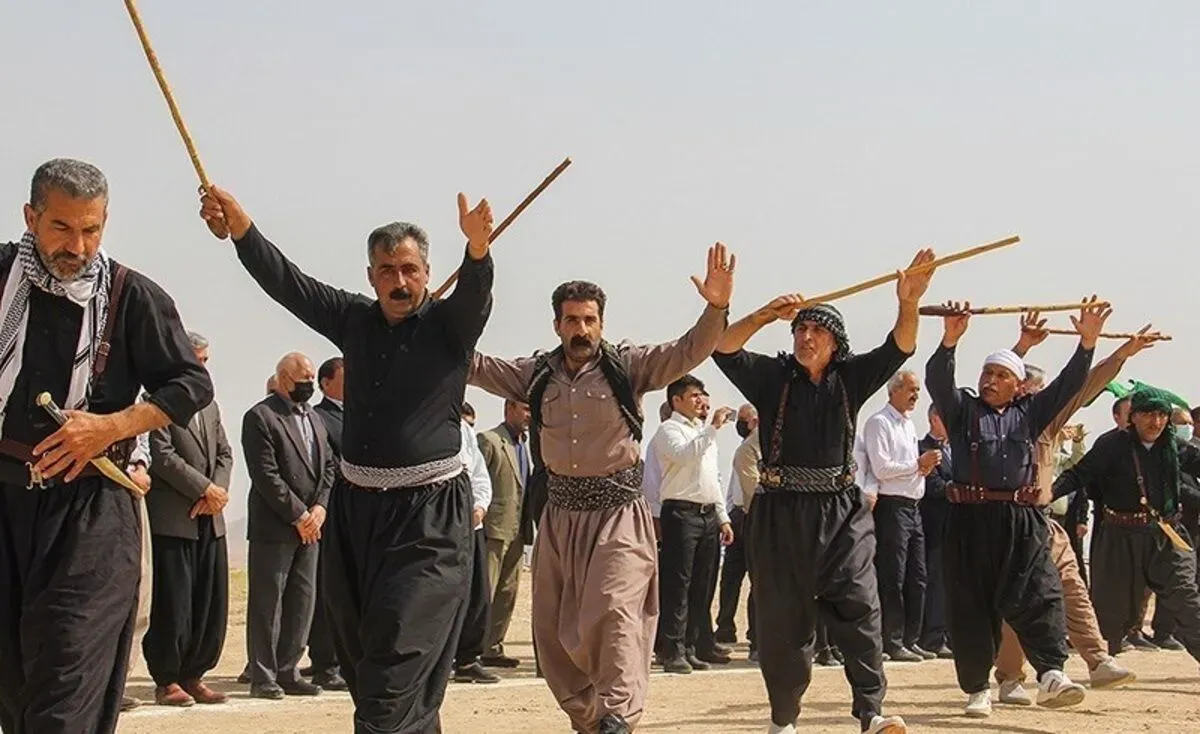
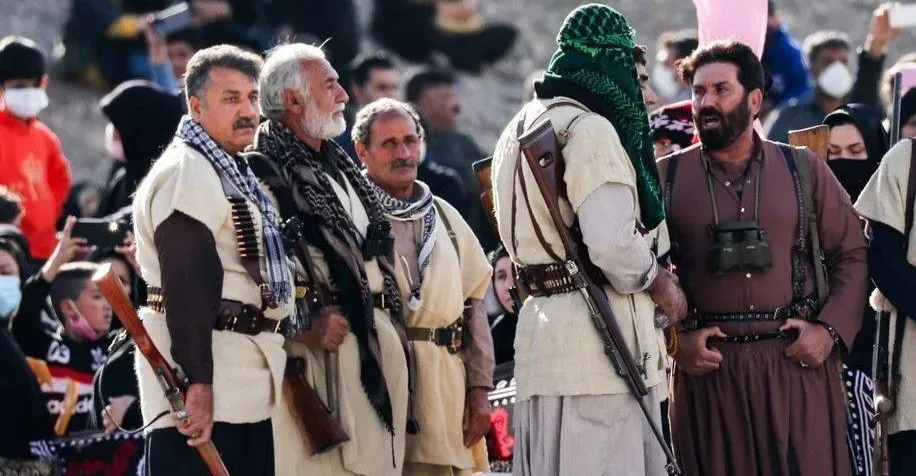
The area recalls the 1929 uprising in Poshtkuh, led by Shah Mohammad Yari Malekshahi against the rule of Reza Shah, often cited as an early episode of tension between Iran’s central authority and tribal structures in the west of the country.
The region’s name also refers to the Malekshahi tribe, lending added sensitivity to developments in the town, where tribal affiliation, kinship ties, and local leadership dynamics remain influential.