Between love and superstition: The enduring mystique of gemstones in Iraq


Shafaq News – Kirkuk
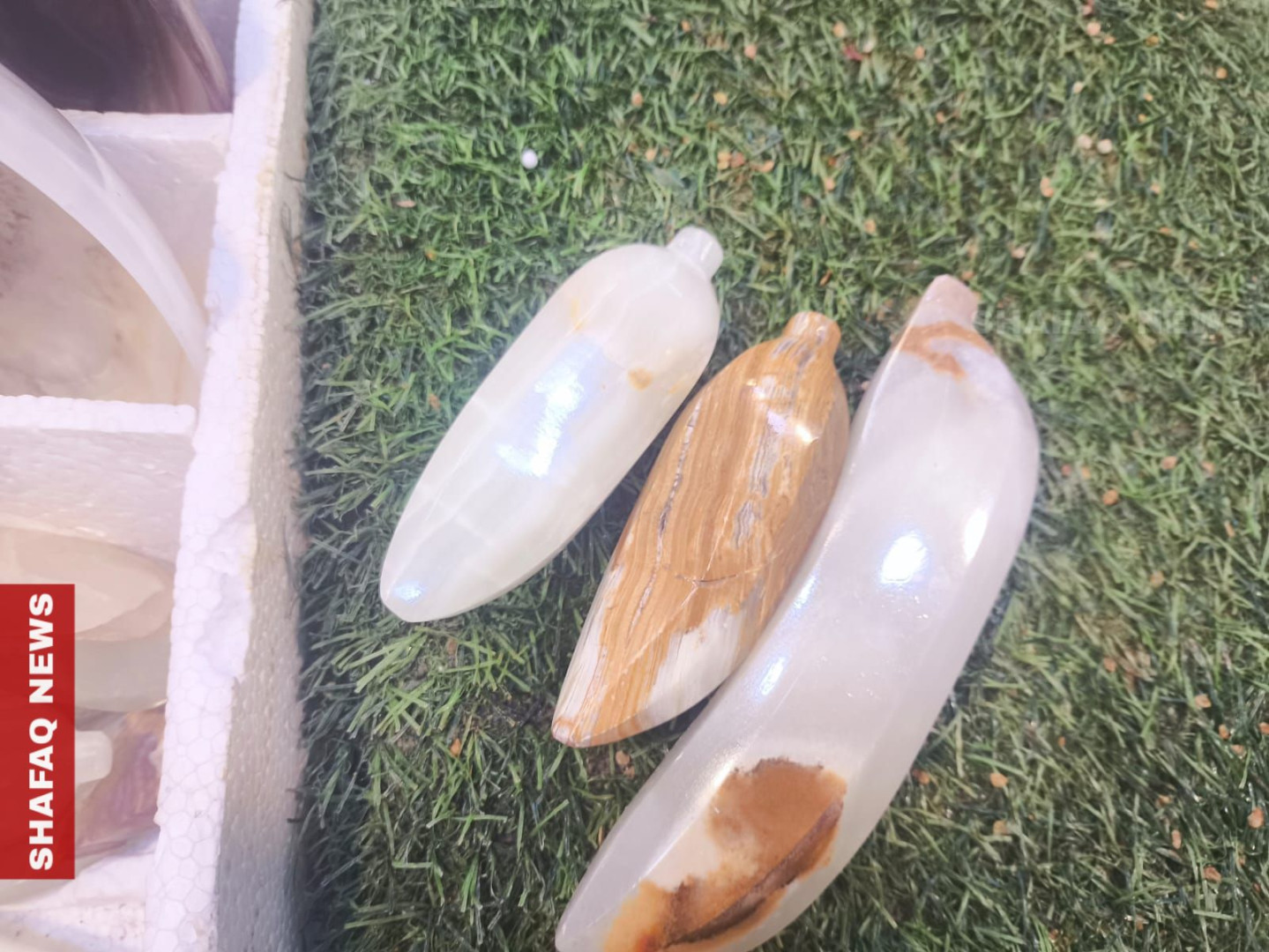
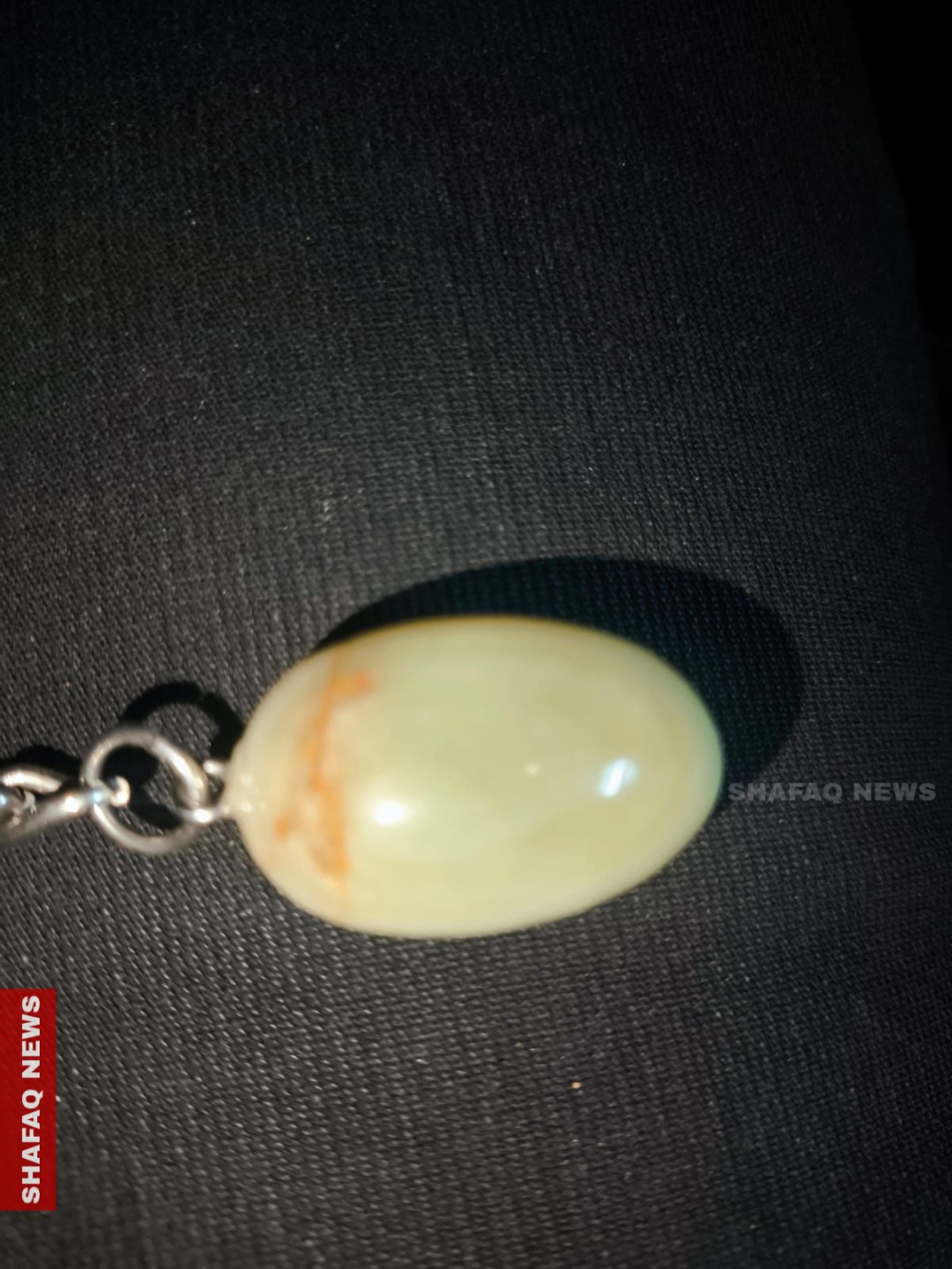
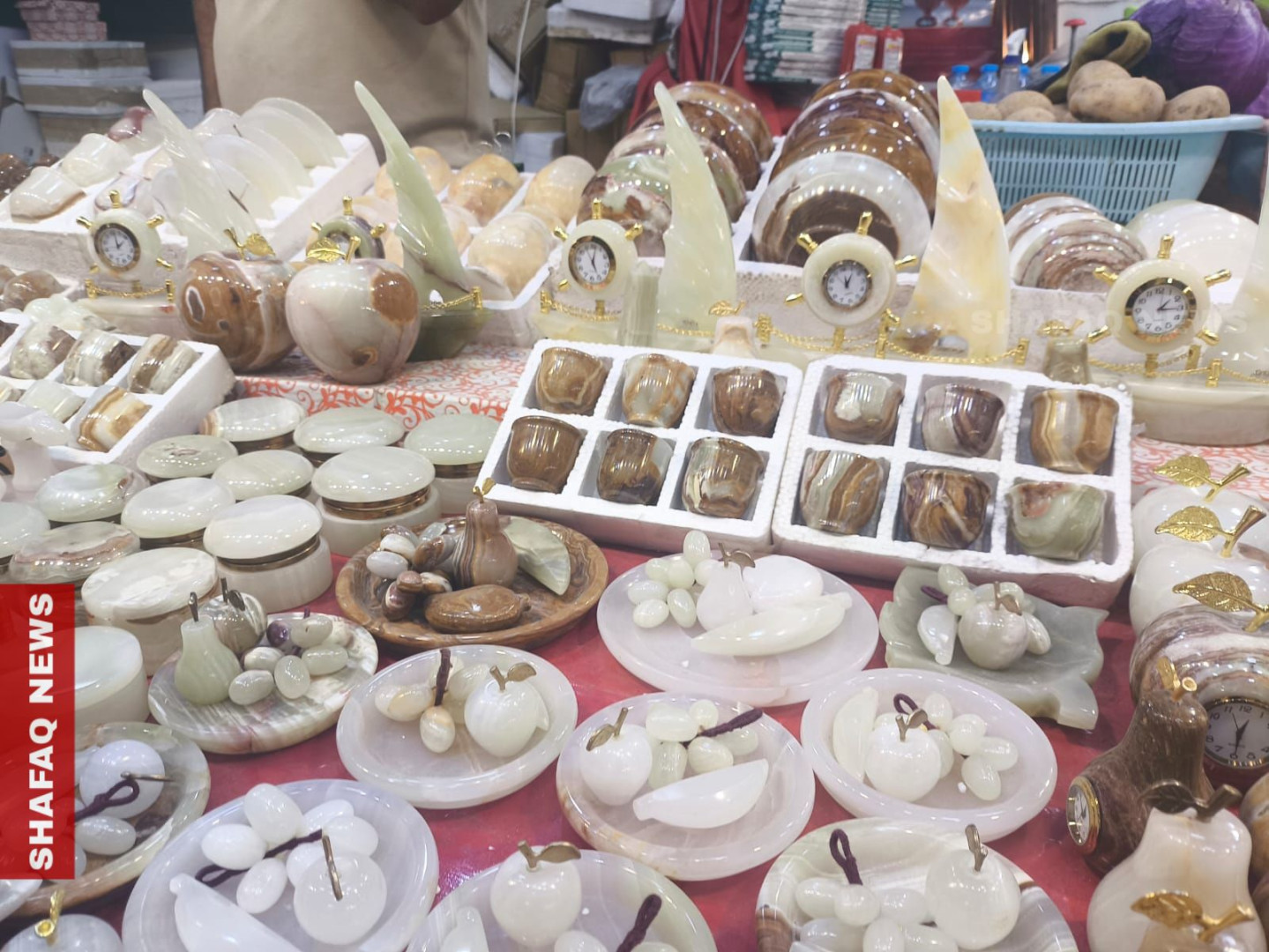
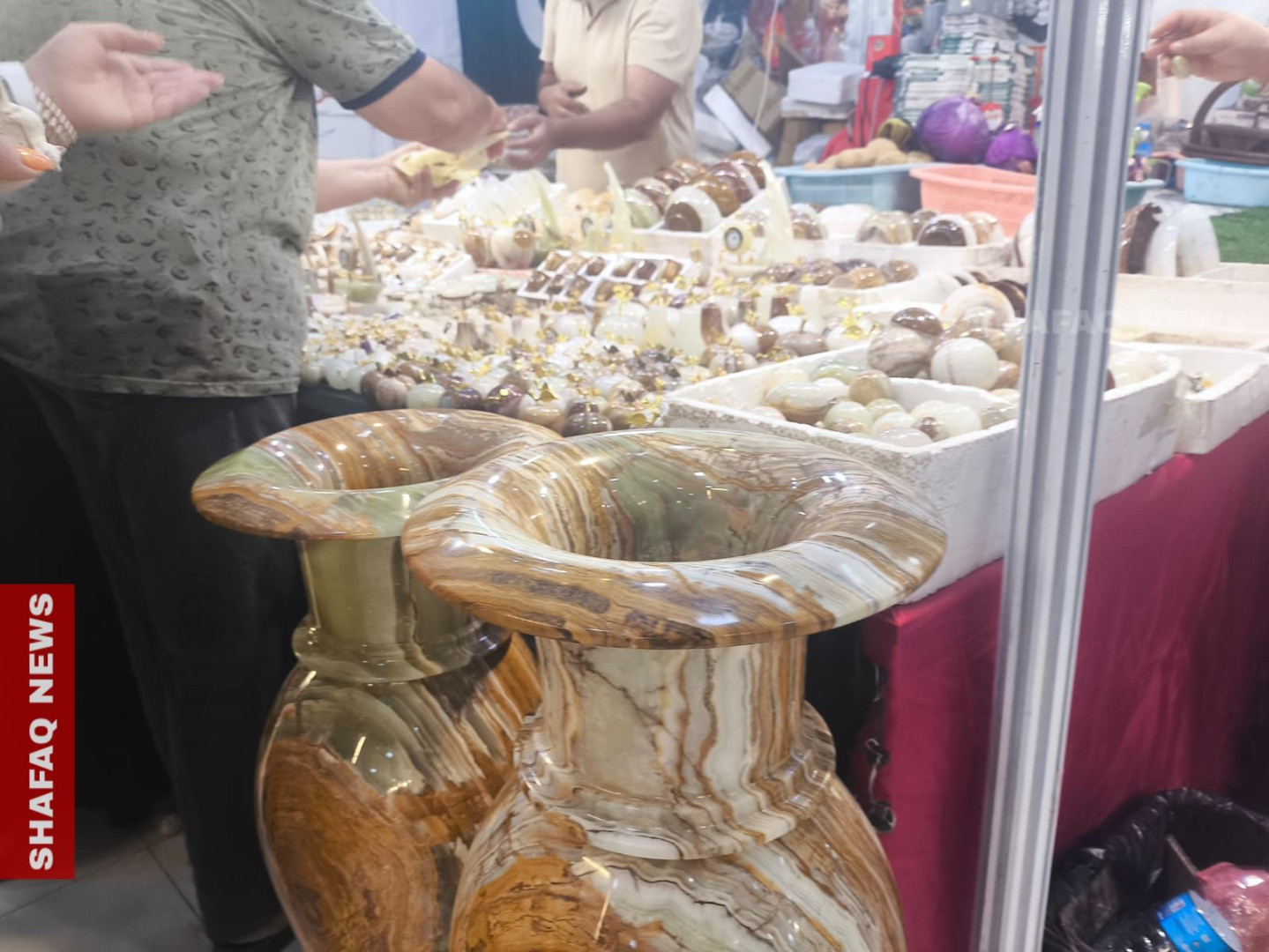
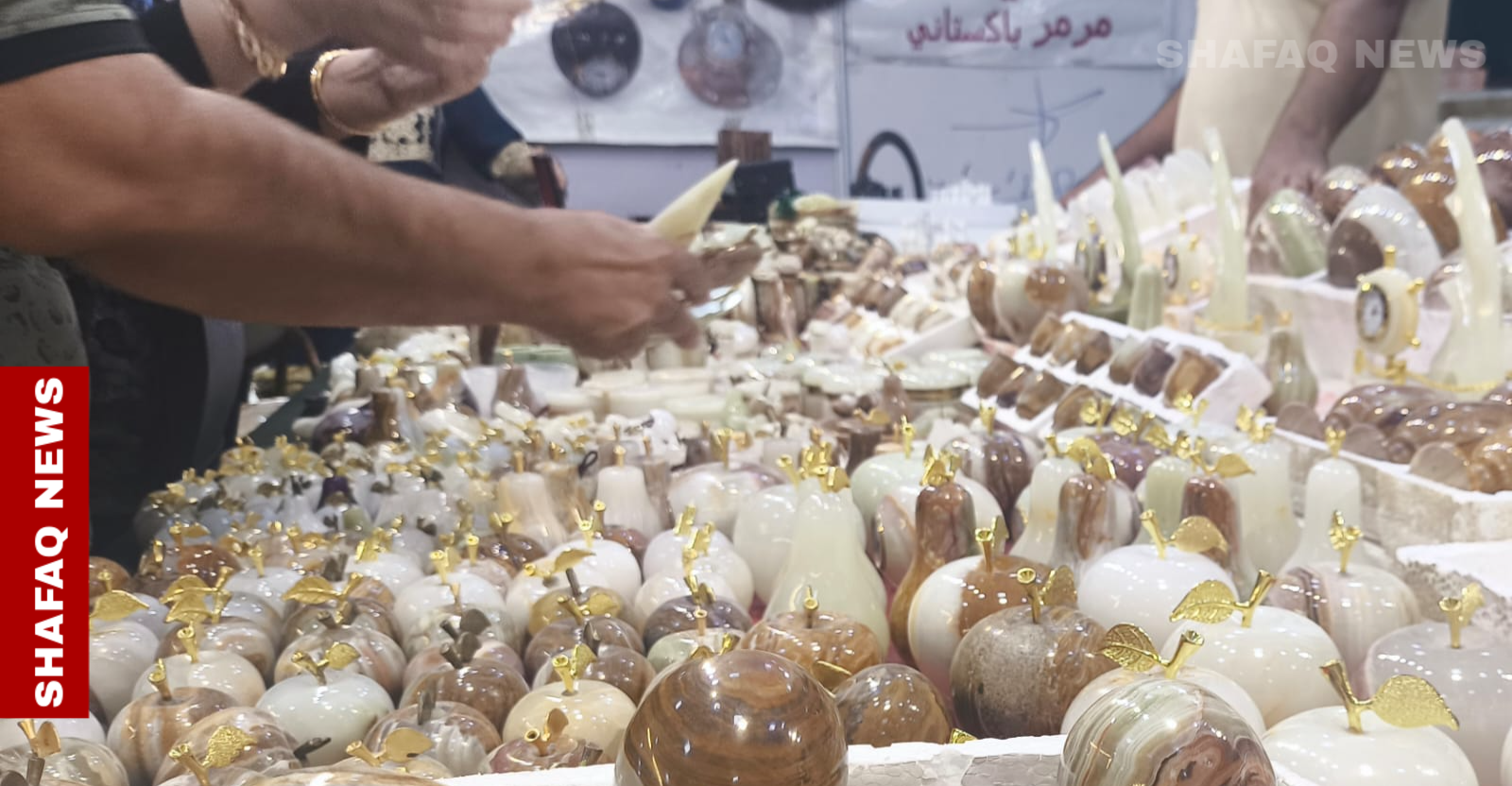
In Kirkuk's main bazaar, where Iraqi vendors' voices mingle with the scent of spices and bustling crowds, Muhammad Khalid sits on the roadside before a small cloth spread with agate, turquoise, quartz, and stones from Najaf and Baghdad traders.
The 65-year-old lacks a fancy storefront but has become a landmark known to market regulars who call him “Sheikh” (Cleric). Turning stones carefully in his hands, he tells customers, "These aren't just ornaments. Each has a story — someone gifts them to a beloved, another keeps them as memories, and some believe they bring luck."
Since antiquity, precious stones have captivated civilizations from Pharaohs to Babylonians, associated with protection from evil and peace of mind. Ruby symbolized strength and passion, turquoise represented peace, while agate gained fame as a luck-granting stone.
These beliefs reached Iraq, where Yemeni agate became part of religious and social heritage. Agate rings sold in holy Najaf are not purchased merely for decoration, but for inherited spiritual symbolism that connects stones with emotion — rose quartz as the "love stone," red agate allegedly enhancing harmony between couples.
However, such beliefs opened doors to charlatanism, with fortune-tellers marketing stones as tools to bring back lovers or ward off evil, exploiting people's need for hope.
"I sell stones as stones — I don't deceive anyone," Muhammad told Shafaq News. "If someone wants to believe it brings back their beloved, that's their problem, but I know love comes only from the heart."
A Million-Dollar Market
Iraq's gemstone market generates millions of dollars annually, according to trader Abu Jankiz al-Bayati, one of Kirkuk's oldest dealers. The country imports large quantities from Iran, Afghanistan and Pakistan while exporting engraved agate to Gulf states due to Najaf's high-quality craftsmanship.
Prices vary dramatically—common Yemeni agate starts at $3 for simple rings, reaching $150 for rare pieces. Iranian turquoise ranges from $50-300, while clear Afghan lapis lazuli can reach $500. Diamonds, limited to luxury shops, can exceed $2,000 per carat.
Sales peak during Ashura, when millions of visitors enter Iraq to commemorate the third Shia Imam, Hussein Bin Ali’s martyrdom, demand for agate rings increases, and romantic occasions see doubled volume. Najaf alone produces thousands of rings monthly.
"Stones here aren't just trade, but an inherited legacy," al-Bayati explains. "Iraqis buy agate not because it's cheaper, but because it connects to their spirit and history."
Between Faith and Illusion
Still, real experiences vary widely. Suad Ahmad, a 34-year-old Kirkuk employee, paid heavily for a stone after being convinced it would bring back her former fiancé. "I got nothing but disappointment. I later realized I was buying an illusion," she tells Shafaq News.
Conversely, Muhammad finds meaning beyond commerce. "I am a simple man, but I feel I sell people something that leaves an impact. A stone might be a memory, gift, or symbol of love."
Social psychology researcher Abdul Sattar Abbas attributes people's attachment to stones to "the desire to cling to hope that gives them a sense of control over their destiny, even if illusory."
Meanwhile, Sheikh Ali al-Jubouri warned against linking stones with superstition. "Adorning oneself with them is permissible, but believing they bring fortune or ward off evil enters the realm of delusion and perhaps religious prohibition."