Al-Anbar: An unfinished chapter in Iraq’s water story


Shafaq News
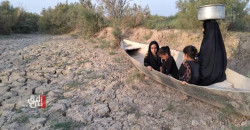
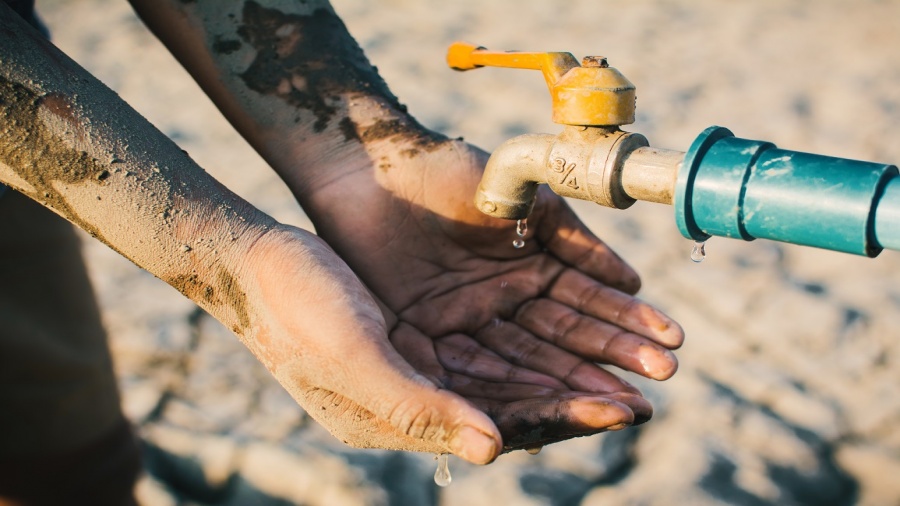
Thirst has become a daily reality in Iraq’s western province of al-Anbar. From al-Ankur and al-Majar to al-Rahaliyah and al-Rutba, communities are caught in a worsening water crisis shaped by climate extremes, upstream water controls, and local governance gaps.
The province’s reliance on Lake Habbaniya—once a reliable reserve—has turned into a liability, exposing residents already battered by decades of conflict to new vulnerabilities.
Lake Habbaniya and the Pipeline from the Euphrates
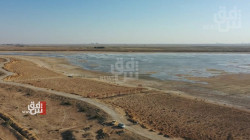
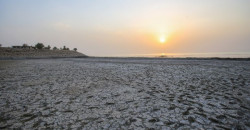
Lake Habbaniya, which feeds key treatment plants across central al-Anbar, has dropped to historic lows. Despite its proximity to the Euphrates, much of the province depends on this lake for municipal supply. Reduced inflows—driven by drought, rising temperatures, and cutbacks from upstream countries, particularly Turkiye—forced provincial engineers to tap its strategic reserve until it fell below the al-Dhaban regulator, leaving pumping stations in al-Ankur 1, al-Ankur 2, and al-Majar dry.
“This left us with no choice,” Director of Water Resources in al-Anbar, Jamal Aboud, told Shafaq News. “Climate volatility and reduced inflows from upstream forced us to use the lake’s reserve until it dropped below operational levels.”
The challenges here are emblematic of those unfolding nationwide. Official data show Iraq’s strategic water reserves have dropped by more than half in the past year. UN assessments warn the Tigris-Euphrates basin faces “high water stress” that threatens Iraq’s stability, while UNICEF reports Euphrates flows have, at times, been reduced by over 70% compared to historical averages.
To reduce reliance on the lake, Abboud revealed that the Water Resources Ministry—working with the al-Anbar Provincial Administration and under direct orders from the governor—launched a major project to draw water directly from the Euphrates at the al-Fallujah Barrage.
Locally funded, the plan includes high-grade pipelines, pumping stations, and expanded treatment capacity to secure a steady flow of clean water. Six months after breaking ground, officials say the project is 50–60% complete. Other remote districts—Trebil, al-Nakhib, al-Waleed, and al-Rutba—continue to rely on the Western Desert Water Authority, which pumps 2.5 cubic meters per second and is adding new units to boost capacity.
Delays, Opacity, and Political Dimensions
Progress, however, has been clouded by delays. Provincial officials have declined to explain to Shafaq News the reasons, fuelling public anger and speculation. Field checks indicate that while the main trunk line is advancing, key ancillary works—electrical hookups, chlorination units, and backup power systems—are behind schedule, potentially delaying full operation even if the core pipeline is finished.
In addition, tender documents for critical electromechanical components and high-pressure mains have not been made public, preventing independent verification of quality or delivery timelines.
For environmental expert Mohammed Hafez, the crisis reflects “the wider regional challenge where upstream policies—especially from Turkiye—directly erode the Euphrates and Lake Habbaniya.” He cautioned that while the pipeline is “an essential solution,” its sustainability depends on constant technical oversight, stronger treatment systems, and public awareness campaigns to curb waste.
“Any delay is unacceptable and must be resolved without hesitation,” he told our agency.
Civil activist Basim al-Fahdawi emphasized to Shafaq News that the issue is “not only environmental or climatic but also political and administrative,” pointing to stalled pumping projects, weak public communication, and lack of accountability. “We need strong community monitoring and transparency for every delay—because water is not just a right; it is a matter of survival.”
Local Frustration and Structural Vulnerabilities
In Ramadi, resident Ayman Abd said years of shortages linked to Habbaniya’s decline had already forced families to buy water or use unsafe sources. “We believed the pipeline would end our suffering, but the delays made it worse,” he complained.
The frustration is widespread, with communities saying the government must act now to restore trust and meet basic needs — a demand made more urgent by the fragility of the very systems that are meant to supply them.
The Western Desert system—serving al-Rutba and border towns—remains vulnerable, relying on aging wells and dependent on an unreliable power supply. Across Iraq, distribution networks suffer from chronic leakage and poor maintenance, as identified in multiple sector assessments. Nationally, desertification threatens nearly 60% of Iraq’s territory. Rising dust storms, salinity intrusion, and declining groundwater recharge are adding operational and financial strain to water utilities.
A Warning for Iraq’s Water Future
Al-Anbar’s water crisis stands at the intersection of forces it cannot fully control and shortcomings rooted in local management. Climate pressures, upstream politics, and technical delays have converged to strain a system already weakened by years of underinvestment. The situation has become a defining case of how environmental and administrative challenges combine to shape Iraq’s broader struggle with water scarcity — a struggle that continues to deepen across the country.
Written and edited by Shafaq News Staff.