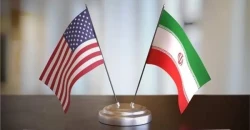
US-Iran tensions and Hormuz security shape regional outlook


Shafaq News- Washington
Iran’s opening of the Strait of Hormuz can be a tactical step aimed at later imposing transit fees on vessels, as the final contours of such a policy remain unclear, a US academic told Shafaq News on Friday.
Thomas Warrick, a senior fellow at the Atlantic Council, said Iran’s announcement to reopen Hormuz to commercial shipping for the remaining duration of the ceasefire signals a “genuine” willingness to de-escalate.
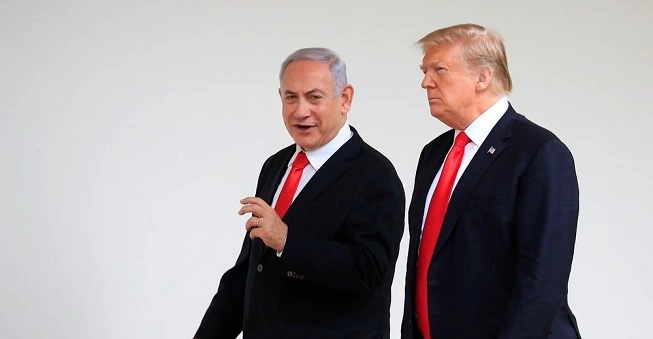
US President Donald Trump appears to be maintaining a strategy of caution and pressure, keeping US naval forces in the Gulf of Oman to monitor developments and ensure the initiative does not turn into a form of financial leverage. Warrick pointed to “real hope” that the strait will remain open to global shipping, which could help stabilize energy markets.
On the prospects of a broader agreement, he said several complex and unresolved issues still require fundamental solutions before any final deal can be reached.
He also addressed Israel’s position, noting that Tel Aviv is currently following the diplomatic track with cautious restraint. However, he said this stance remains conditional on a key factor: the Lebanese government’s ability to effectively disarm Hezbollah.
Earlier today, Trump said that the Strait of Hormuz will remain under blockade despite Iran’s announcement that it has fully reopened the waterway to commercial shipping.
A renewable 10-day ceasefire between Israel and Lebanon took effect on April 17 at 21:00 GMT (midnight Beirut time), under a US-brokered framework that ties its extension to progress in negotiations and Lebanon’s ability to assert control over armed groups, particularly Hezbollah. While Israel agreed to halt offensive operations, it retained the right to respond to threats, and Lebanon pledged to prevent attacks from its territory.
Iran, however, framed the ceasefire as part of broader understandings reached with Washington through Pakistani mediation, with Foreign Ministry spokesperson Esmaeil Baqaei stating that Tehran had consistently pushed for such arrangements during regional and international talks. Earlier, Iran and the United States had agreed on a two-week ceasefire on April 8, followed by negotiations in Islamabad that ended without tangible results. Despite the absence of a formal return to hostilities, tensions remain elevated, particularly after the United States imposed a naval blockade on Iranian ports.
Read more: US-Irantalks collapse; Analysts warn of high escalation risk
For Shafaq News, Mostafa Hashem, Washington, D.C.