Regional backing grows for US–Iran talks in Muscat


Shafaq News- Muscat
Countries across the Middle East and beyond on Friday voiced support for talks between the United States and Iran held in the Omani capital Muscat, framing the negotiations as a necessary step toward de-escalation and renewed dialogue at a time of heightened regional tension.
In a statement, the Iraqi Ministry of Foreign Affairs said the negotiations represent a “positive step” toward easing tensions and strengthening security and stability in the region. The ministry affirmed Baghdad’s full support for efforts aimed at reducing escalation, stressing its long-standing belief in dialogue and diplomacy as the preferred means of resolving disputes. It also praised Oman for its “constructive role” in hosting the talks and facilitating an atmosphere of understanding, describing this role as consistent with Muscat’s approach to regional stability.
Saudi Arabia followed with a clear endorsement of the Muscat talks. Saudi Foreign Minister Prince Faisal bin Farhan said Riyadh supports negotiations between Washington and Tehran and hopes they will lead to a resolution that contributes to long-term peace and stability. Speaking at a press conference, he said dialogue between the two sides is essential to preventing further escalation.
Oman, which is hosting the negotiations, has reaffirmed its commitment to mediation and to keeping channels of communication open between the United States and Iran. Muscat has positioned the talks as part of its broader diplomatic role aimed at containing regional crises through dialogue.
Egypt also welcomed the negotiations, urging both parties to engage with seriousness, realism, and responsibility, while expressing hope that the talks would help lower tensions and prevent further instability.
Qatar and Turkiye voiced support for diplomatic efforts surrounding the Muscat talks, emphasizing the importance of dialogue in reducing regional risks and avoiding military escalation.
Beyond the region, China expressed support for the negotiations, calling for disputes to be resolved through dialogue rather than pressure, underscoring the wider international interest in preventing a further deterioration in US–Iran relations.
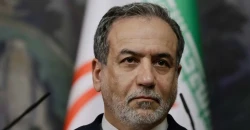
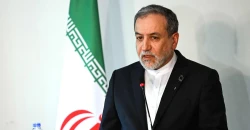
Indirect nuclear talks between Tehran and Washington concluded earlier on Friday in Muscat. Iranian Foreign Minister Abbas Araghchi described the atmosphere as positive, while noting that the timing and format of subsequent rounds remain under consultation.
The Muscat meeting marked the first round of negotiations since US strikes in June on sites linked to Iran’s nuclear program during the 12-day conflict between Israel and Iran.
Read more: US, Israel, and Iran step up military readiness as regional tensions grow