Israel escalates operations in southern Lebanon


Shafaq News- Beirut
Israeli forces intensified operations across southern Lebanon on Friday, carrying out strikes and demolitions in villages across the region.
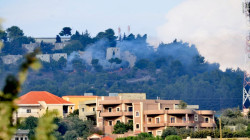
Lebanon’s state-run National News Agency reported intermittent Israeli strikes and explosions in Al-Mansouri, Tyre district, throughout the morning, targeting residential areas and infrastructure. The blasts were heard as far as the city of Tyre and surrounding villages.
Much of the town’s public school was also demolished. No immediate casualties were reported from Friday’s attacks.
بحر صور والمنصوريمن شاطئ مدينة صور.. مشاهد توثّق تفجيرًا جديدًا نفّذه الجيش الإسرائيلي في بلدة المنصوري، قضاء صور.#الجديد #أخبار_الجديد #لبنان #صور pic.twitter.com/53siitpgkt
— Al Jadeed News (@ALJADEEDNEWS) September 11, 2026
The operations came hours after Israel carried out a major demolition at the Ali Al-Taher ridge near Nabatieh. Israel said it destroyed more than two kilometers of underground Hezbollah infrastructure there, describing the network as a command hub containing weapons, living quarters and operational facilities. The explosions were strong enough for the US Geological Survey to register seismic activity in southern Lebanon.
Read more: Israel reshapes southern Lebanon
On Friday, Israeli Army Radio said troops had withdrawn from the ridge itself and repositioned in rear lines around the Shaqif area. It said forces would retain “fire control” over Ali Al-Taher and strike any attempt by Hezbollah to re-establish a presence there.
صورة أخرى من مرتفعات "علي الطاهر" بعد التفجير pic.twitter.com/cl3EBeKf0q
— Al Jadeed News (@ALJADEEDNEWS) September 11, 2026
Lebanon’s NNA reported that the Khardali road was completely blocked after rocks and debris fell onto the route following the Ali Al-Taher explosions. The road had already been closed to civilian traffic, with only a Lebanese Army bus permitted to use it, forcing the military to reroute through the Beqaa Valley.
Israeli Defense Minister Israel Katz said Israel was prepared to expand its campaign against Hezbollah to additional locations.
“We are prepared and ready to continue the campaign and continue striking Hezbollah in additional locations,” he said.
Katz described the Israeli-held zone in southern Lebanon as an unprecedented security belt, saying it would protect northern Israeli communities while allowing Israel to maintain military pressure on Hezbollah deeper inside Lebanon.
Lebanese Parliament Speaker Nabih Berri said on Friday that the situation had become “dangerous” and declared that, in his view, the US-brokered framework agreement had effectively collapsed.
“The framework agreement is gone,” Berri told Al-Joumhouria, adding that he was not optimistic about a political solution amid continuing killings, demolitions and Israeli military activity.
Israeli public broadcaster Kan reported that an eighth round of US-sponsored Lebanon-Israel negotiations would take place in Rome on Sept. 15-16 and could address a proposed mechanism to verify that designated areas were free of Hezbollah personnel. It also reported that Washington wanted to expand areas from which Israeli forces would withdraw before Lebanese Army deployment.
Lebanese media, citing official sources, however, said Beirut had not received formal notification of a date and preferred that the next round take place after Sept. 17, when President Joseph Aoun is due in Paris for a preparatory meeting on international support for the Lebanese Army and Internal Security Forces.
The US-brokered framework agreed in June envisages phased Israeli withdrawals, Lebanese Army deployment and steps addressing Hezbollah’s weapons and military presence. Previous rounds in Rome have yet to resolve the central disputes over withdrawal, security arrangements and implementation mechanisms.
Read more: Southern Lebanese return home without feeling safe
Lebanese President Joseph Aoun on Friday met State Security Director-General Maj. Gen. Edgar Lawandos to discuss security conditions and strengthening the agency’s presence in southern Lebanon, particularly Nabatieh. He also met Civil Defense chief Brig. Gen. Imad Khreish to review emergency operations in towns repeatedly hit by Israeli attacks.
Read more: South Lebanon framework
On Wednesday, the Lebanese Army accused Israeli forces of failing to comply with the framework agreement, saying it had recorded about 7,700 violations since the agreement was signed on June 26, 2026.
More than 300,000 people remain displaced despite the June ceasefire, with residents of towns including Al-Mansouri still unable to return as Israeli forces continue demolitions and strikes, according to an Associated Press report published Friday.
Lebanon’s Health Ministry put the toll from Israeli attacks since the latest war began on March 2 at 4,383 killed and 12,406 wounded as of Sept. 10.