Salafi-Sufi rivalry over mosques stirs tensions in Iraq's Fallujah


Shafaq News- Al-Anbar
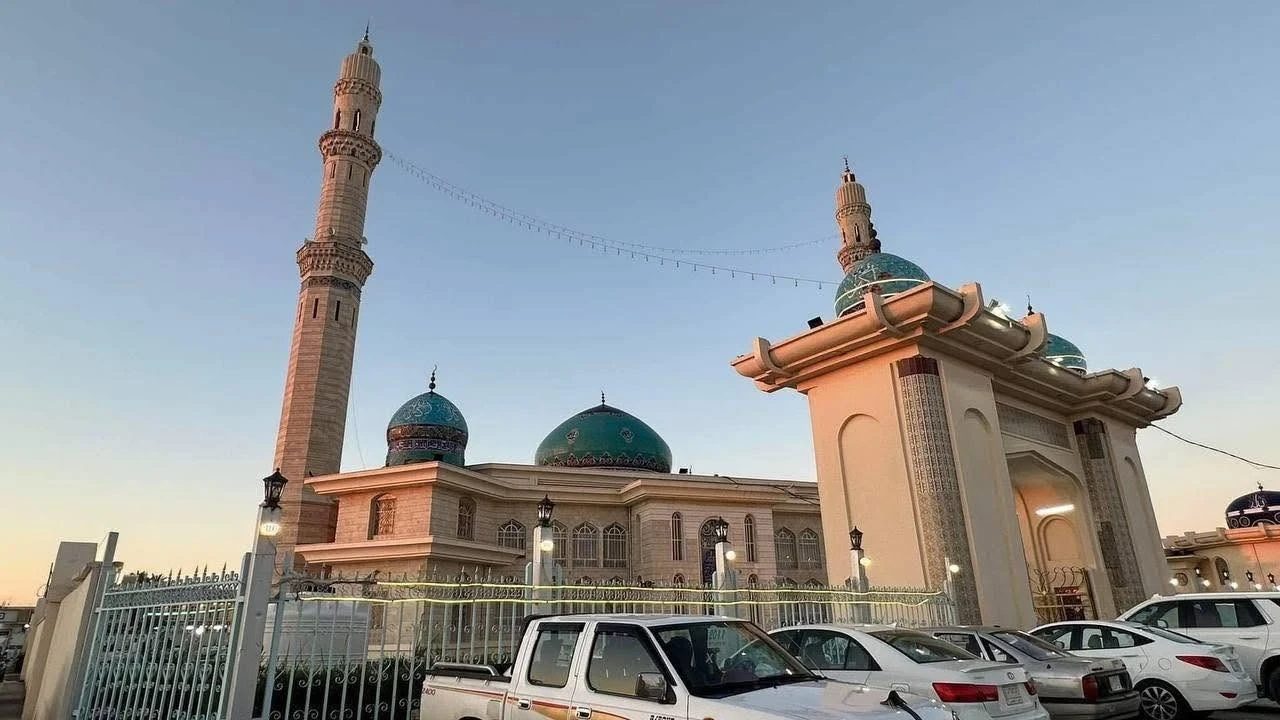
A rivalry between two Sunni religious movements over mosque administration and religious influence in Fallujah, the largest city in Iraq's western Al-Anbar province, has prompted tribal leaders to urge local, security, and religious authorities to intervene before tensions threaten civil peace.
On one side is a Salafi movement known as the Madkhali, named after the Saudi cleric Rabee al-Madkhali and known for preaching obedience to rulers and rejecting political activism. On the other is the Rabat al-Muhammadi, a Sufi-leaning religious body. The dispute centers on control of mosques and pulpits, the appointment of imams and preachers, and the religious message delivered in a city that was among the first in Iraq to fall to ISIS in 2014.
Tribal Appeal
The appeal, issued by tribes that say they lost “hundreds of martyrs and wounded” fighting al-Qaeda and ISIS, urged Al-Anbar's governor and provincial council chairman to act. It warned against extremist ideas returning under new names and against using intellectual differences to divide the community.
The tribes called on the head of the Sunni Endowment, the state body that manages Sunni mosques, not to allow mosques promoting “extremism and takfir,” the practice of declaring other Muslims apostates, and to protect pulpits from rhetoric they said is directed from abroad. They also urged the prime minister, the Supreme Judicial Council and parliament to take legal action against those spreading such ideas.
A Dispute Dating To 2016
The tension began when displaced families returned to Fallujah in 2016, after the city was retaken from ISIS, according to Harith al-Hamdani, a researcher on Islamic groups. Its roots lie in doctrinal, legal, and intellectual differences between the Salafi and Sufi schools, which clash over many beliefs and rituals, he told Shafaq News.
Followers of the Salafi current reject the label “Madkhali” and prefer to call themselves Salafis, al-Hamdani said. Some residents, he added, have been drawn to Salafism after comparing religious practice in Mecca and Medina, which they see on pilgrimage, with practice in Fallujah.
The dispute took on an institutional dimension, according to al-Hamdani, as figures linked to the Rabat al-Muhammadi sought influence over mosques attended by Salafis, “drawing on their influence within the Sunni Endowment and its religious boards, which vet candidates for imam and preacher posts.”
Mosques And Influence
Salafi mosques began to spread north and south of Fallujah in 2018 and 2019, with backing at the time from former Sunni Endowment head Saad Kambash and former lawmaker Talal al-Zobaie, al-Hamdani said. Some new mosques built with private donations for the Salafi movement were later taken over by people linked to the Rabat, he said, because the Salafi ideas were “foreign.” He alleged that the Rabat was controlling major mosques, including the Grand Mosque and the Saad bin Abi Waqqas Mosque, and “imams who did not share its views had been removed or transferred.”
Al-Hamdani added that family ties to a security official in Fallujah had been used to put pressure on imams and preachers who do not follow the Rabat, though he offered no independent evidence. Some mosques had been raided and religious books removed, he said.
The Rabat al-Muhammadi and the Sunni Endowment did not respond to Shafaq News' requests for comment.
According to al-Hamdani, the Rabat has ties to figures in the Popular Mobilization Forces (PMF), citing past visits by PMF head Falih al-Fayyadh and the late PMF deputy commander Abu Mahdi al-Muhandis. The Salafis, for their part, have contacts in Baghdad, including National Security Adviser Qasim al-Araji, “who met representatives of the movement to discuss its approach before its adherents were later allowed to carry out preaching activities in Sunni areas.”
The Rabat emerged in the western al-Anbar town of Haditha in 2014, when ISIS besieged it, and the body's scholars called for mobilization against the group, according to al-Hamdani.
According to al-Hamdani, Salafi followers reject declaring other Muslims apostates and preach obedience to rulers. He said they stayed away from the 2012 protest camps in Al-Anbar and later helped fight ISIS around Habbaniyah. He does not expect the dispute to threaten civil peace, saying the local community is aware enough to contain it, provided it remains a debate over ideas rather than a confrontation or a matter for the security services.
A Dormant Project
Civil activist Iyad al-Rawi described the Madkhali current as “a dormant project for something to come” that could lead to calls for secession or, at minimum, federalism. He blamed the Rabat al-Muhammadi for failing to confront it firmly.
The movement’s spread was backed in the past by former lawmaker Talal al-Zobaie, al-Rawi alleged, “as many of its sheikhs belong to the Zobaa tribe and form a useful voting bloc.”
“That support helped lift a ban on the movement with the help of Sunni politician Khamis al-Khanjar, linked to efforts to build an electoral alliance in 2024,” he said, adding that the Taqaddum party, led by former parliament speaker Mohamed Al-Halbousi, “also gave the movement room to hold gatherings and seminars at one stage, to counter the Muslim Brotherhood and the Rabat,” though al-Rawi believes that support has since ended.
Risk Of Hate Speech
Amna al-Dhahabi, head of hate speech monitoring at the Masarat Foundation, warned that religious disputes turn into hate speech when they move from debating beliefs to inciting against others or smearing entire groups. Labels such as “Madkhali” and “Wahhabi” can become tools of defamation when used to generalize accusations, she said, and social media can deepen polarization by circulating clips out of context.
“The danger grows when mosques are used to mobilize worshippers against another group, or when official institutions are used to shape the careers of imams and preachers, a practice that, if proven, could erode trust in the state. “
She called for training for religious, media, and security staff, and for clear laws against incitement that do not restrict free expression, citing the unified Friday sermon introduced in Mosul after its liberation from ISIS as an experience worth studying.
Read more: Salafi’s Madkhali Movement in Iraq: Stability or division?
Note: Shafaq News sought comment from several religious figures, officials, and residents in Fallujah, but those approached declined to speak on the record, citing the sensitivity of the issue.