A wooden craft refuses to die in Damascus's oldest market


Shafaq News- Damascus
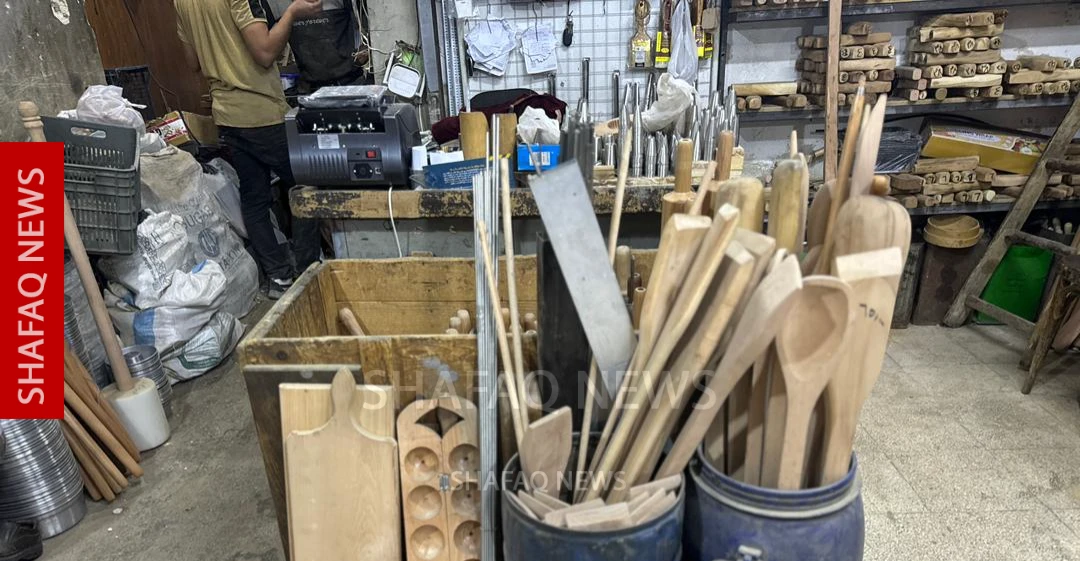
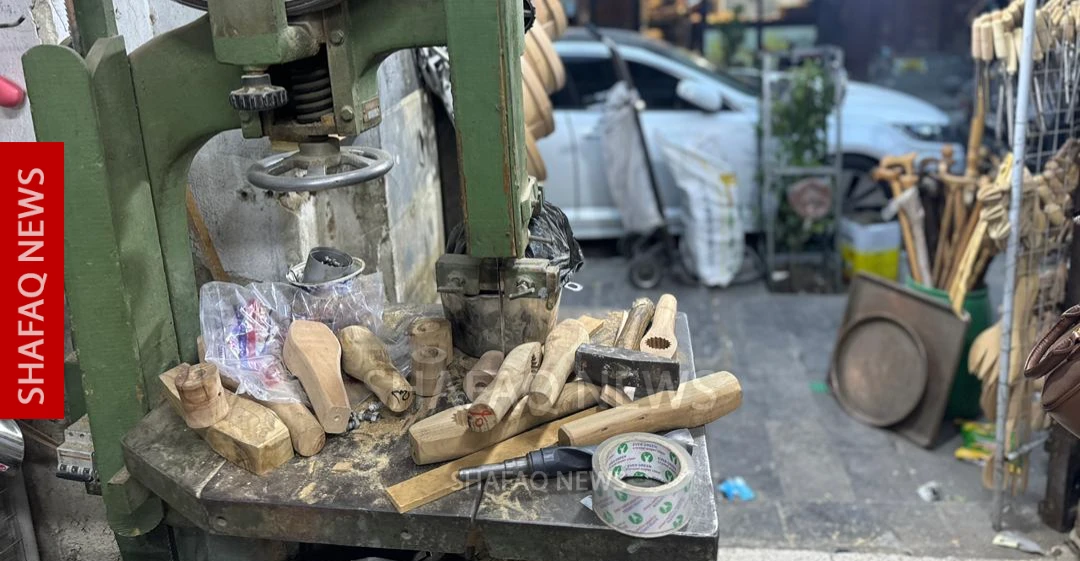
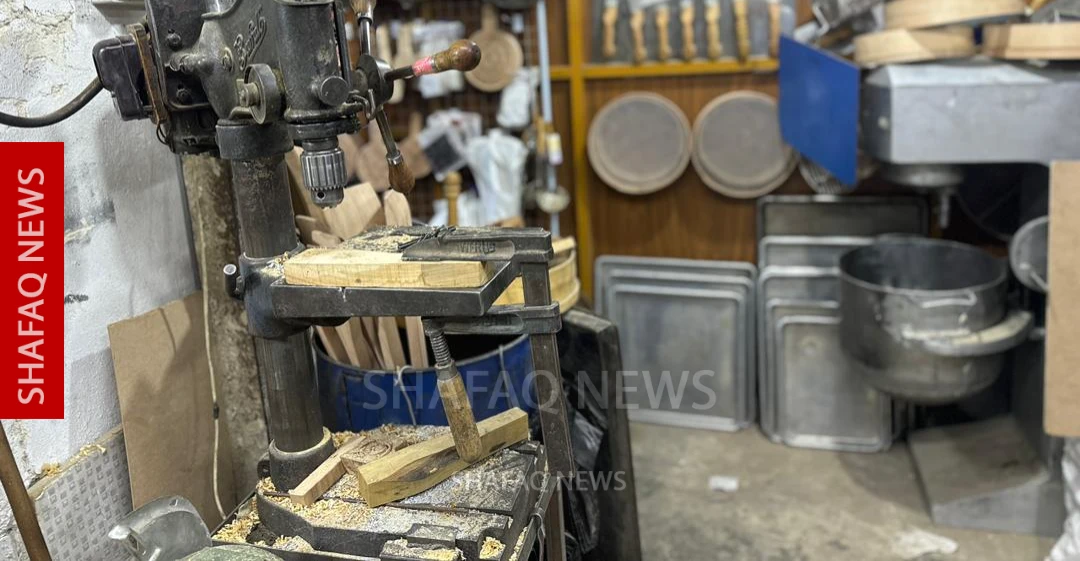
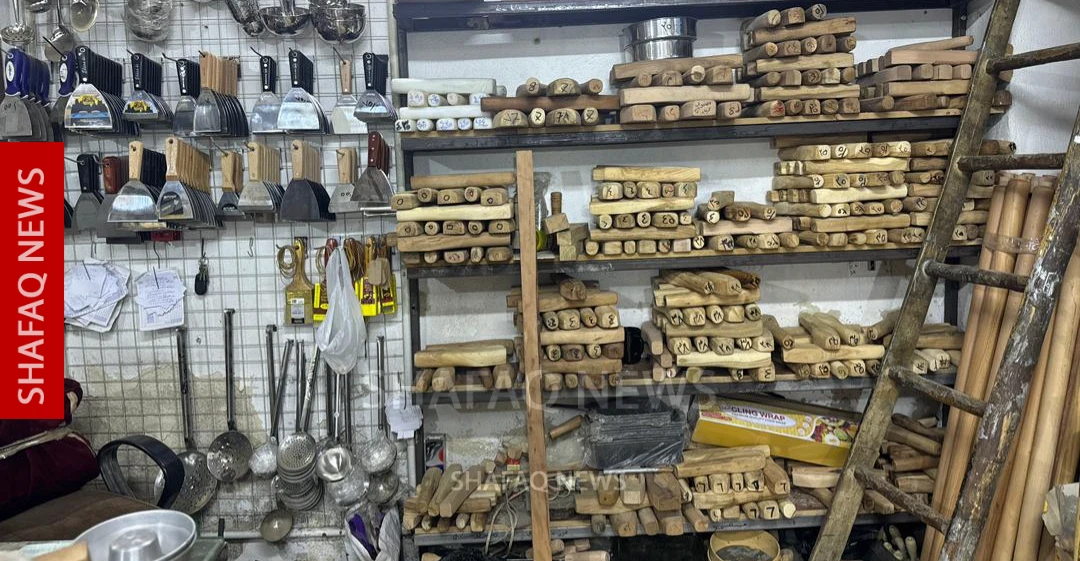
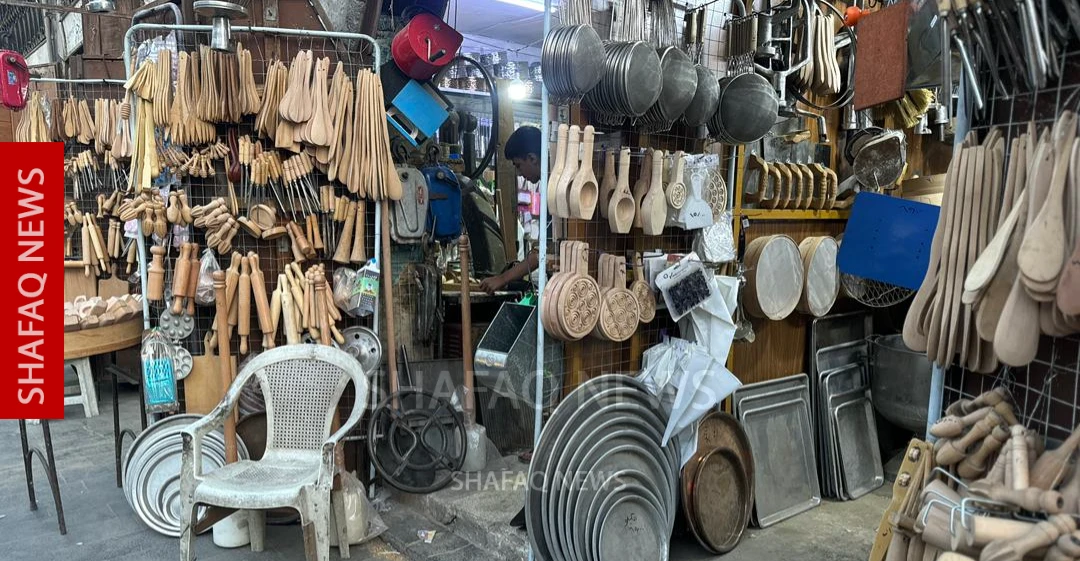
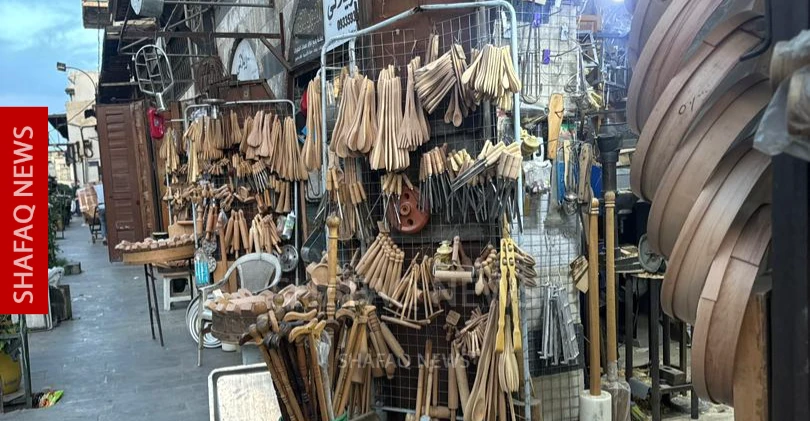
The narrow lanes of Damascus's old city have long carried the memory of its artisans, and deep inside the Midhat Pasha market, a covered Ottoman-era bazaar at the heart of the old city, workshops producing handmade wooden molds and tools continue to resist a tide of cheap imports and factory-made substitutes, holding fast to a craft that plastic and metal alternatives have yet to displace.
The tradition traces its roots to an era when Damascus stood as a leading commercial and artisan hub of the East, and it has survived through direct transmission —skill passed from grandparent to parent to child, with no formal instruction and no written manual.
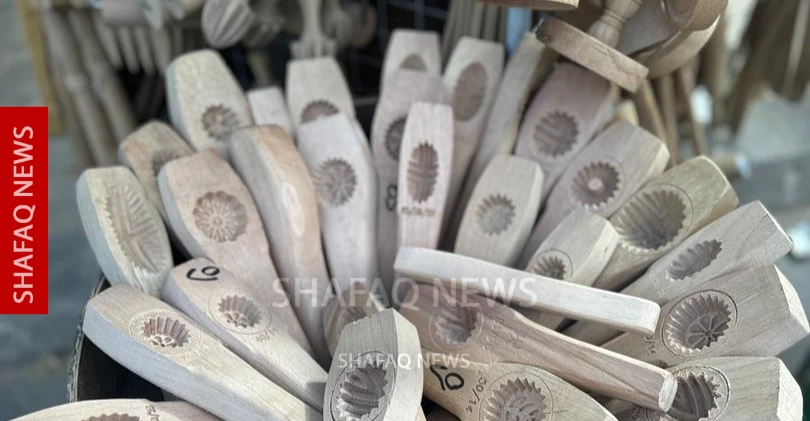
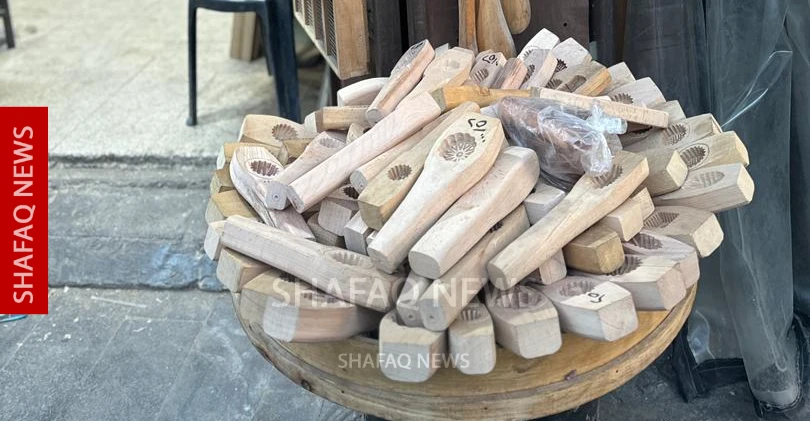
The process begins with the wood itself. Damascus craftsmen favor walnut, beech, and apricot for their density, moisture resistance, and workability under the chisel. These properties, artisans say, allow ma'amoul molds —ma'amoul being a shortbread pastry filled with dates or nuts that is central to Eid celebrations across the Arab world— and traditional spoons to hold their ornamental detail for decades without cracking.
The craft today faces pressures that threaten its continuity. Raw material costs, for both locally sourced and imported timber, have risen sharply, while the number of young men willing to apprentice in the trade has fallen as technology-sector employment draws away the next generation.
"We have worked in this profession for many years; it is one of the traditional crafts Damascus is known for, passed down from our fathers and grandfathers," Abu Samer, owner of one of the market's long-established workshops, told Shafaq News. "We make wooden molds and tools by hand. The work demands precision, patience, and deep experience in selecting and shaping the wood."
Rising input costs and competition from mass-produced goods are now the central pressures on the trade, Abu Samer added, but he said the workshop would continue operating. "This craft is part of our heritage and our Damascene identity," a claim that carries weight in one of the oldest continuously inhabited cities in the world, where artisan quarters have been central to Damascus's sense of itself for centuries.
The workshops find their busiest period around Eid al-Fitr and Eid al-Adha, when demand for wooden ma'amoul molds rises sharply. Syrian families, according to craftsmen in the market, seek out hand-carved pieces for qualities they say industrial production cannot replicate: the irregularity of the cut, the texture of the grain, and the sense of continuity with a domestic ritual passed down alongside the recipes themselves.
On a recent afternoon in the market, Abu Samer's workshop held the smell of fresh-cut walnut and the sound of a chisel working slowly into grain, the same combination, he said, that has filled this corner of Damascus for as long as anyone in his family can remember.