Kurdish blocs present roadmap for Baghdad–Erbil dispute


Shafaq News- Baghdad
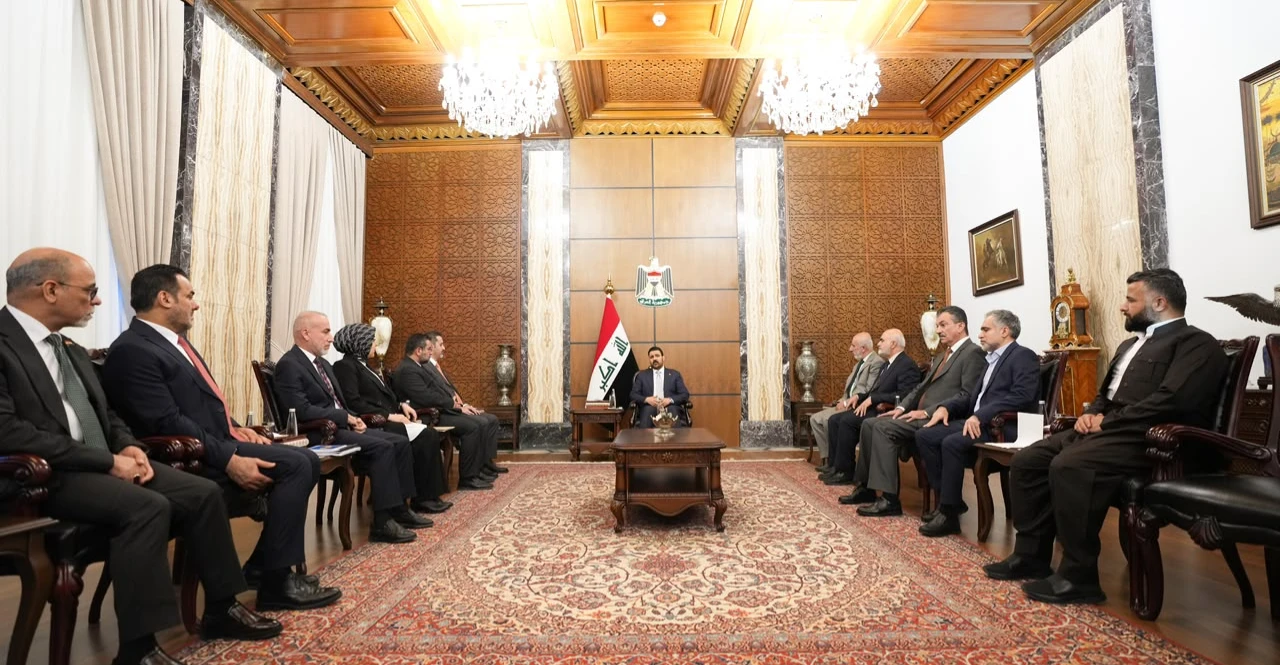
Three Kurdish parliamentary blocs presented Iraqi Prime Minister Ali Al-Zaidi with a roadmap to resolve the dispute between Baghdad and the Kurdistan Regional Government (KRG) at a meeting on Thursday, National Stance Movement (Harakat Al-Mawkif Al-Watani) rapporteur Ali Hama Saleh said.
The delegation represented the National Stance Movement, the Kurdistan Islamic Union and the Kurdistan Justice Group. Hama Saleh said the blocs discussed the proposal directly with Al-Zaidi and would submit it to other officials for further talks.
According to a statement from Al-Zaidi’s office, the meeting covered political cooperation to strengthen stability and support the government’s development and public service programs.
Al-Zaidi accused unnamed groups of trying to draw the Kurdish people into the oil-smuggling dispute to protect their influence and finances from legal scrutiny. He alleged that the Kurdistan Region’s revenues went to specific groups and were withheld from the wider Iraqi public. He said the army would deploy along the borders and stay out of cities, and that his government recognized Kurdistan’s distinct status. He pledged to press ahead with efforts to bring weapons under state control, combat corruption and smuggling, and protect national resources.
Separately, Kurdistan Region Prime Minister Masrour Barzani welcomed Supreme Judicial Council President Faiq Zaidan’s proposal for national talks. “We will take part wherever there is an opportunity for dialogue,” Barzani told reporters. “We will defend our rights per constitutional principles.” He said the Kurdistan Democratic Party (KDP) and the Patriotic Union of Kurdistan (PUK) were ready to participate. Asked about the Federal Supreme Court’s ruling, he declined to comment on its substance and said a legal team was preparing a response.
Iraq’s president, prime minister, parliament speaker and Supreme Judicial Council president backed Zaidan’s proposal for December 1 talks, seeking a constitutional solution to outstanding disputes between Baghdad and Erbil.
Tensions rose after Al-Zaidi ordered federal authorities to take control of the Kurdistan Region’s border crossings and required federal Oil Ministry approval for exports of crude oil and petroleum products. He also directed the ministry to manage its fields under Kurdistan Region security control in Kirkuk, Nineveh, Saladin and Diyala.