Displaced from Sinjar pin hopes on election candidates


Shafaq News – Duhok
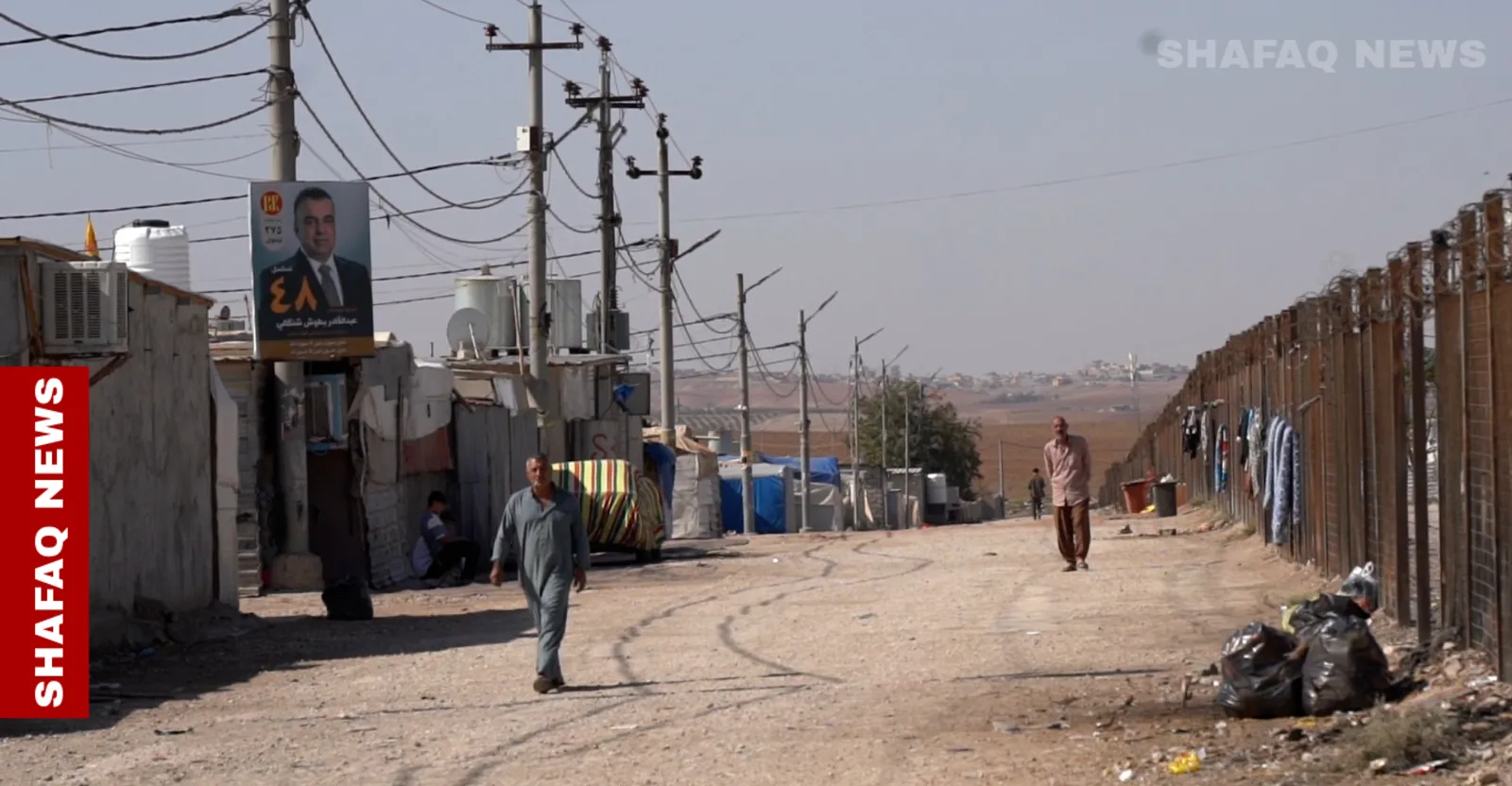
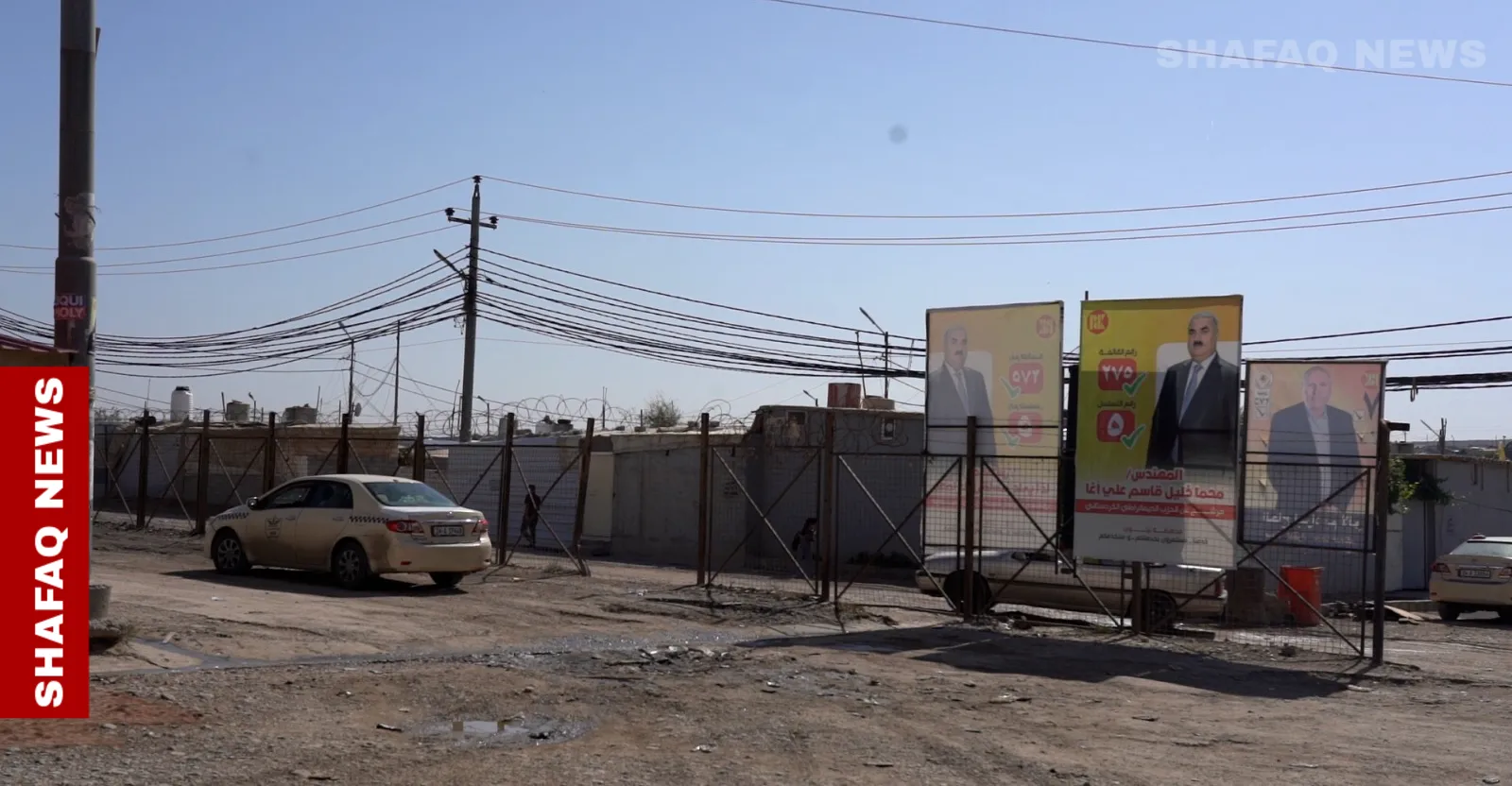
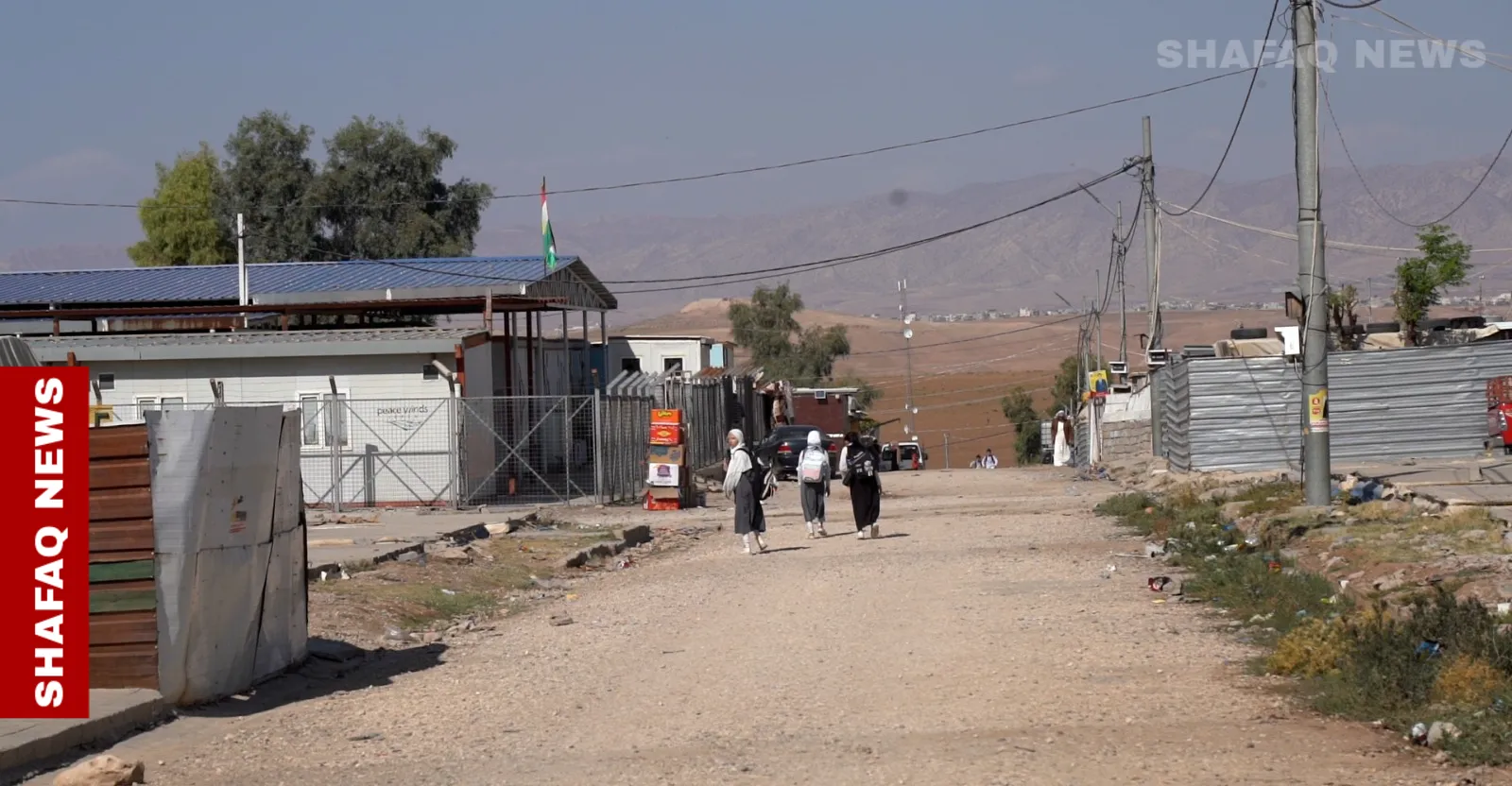
Displaced families in Duhok province, Kurdistan Region, urged candidates in the upcoming Iraqi parliamentary elections to prioritize their return to their hometowns and to secure compensation for the losses they suffered over the past decade.
Shamo Hussein, a displaced man from Sinjar district, told Shafaq News that “we have been here for more than 11 years and still live in camps with no change in our situation.”
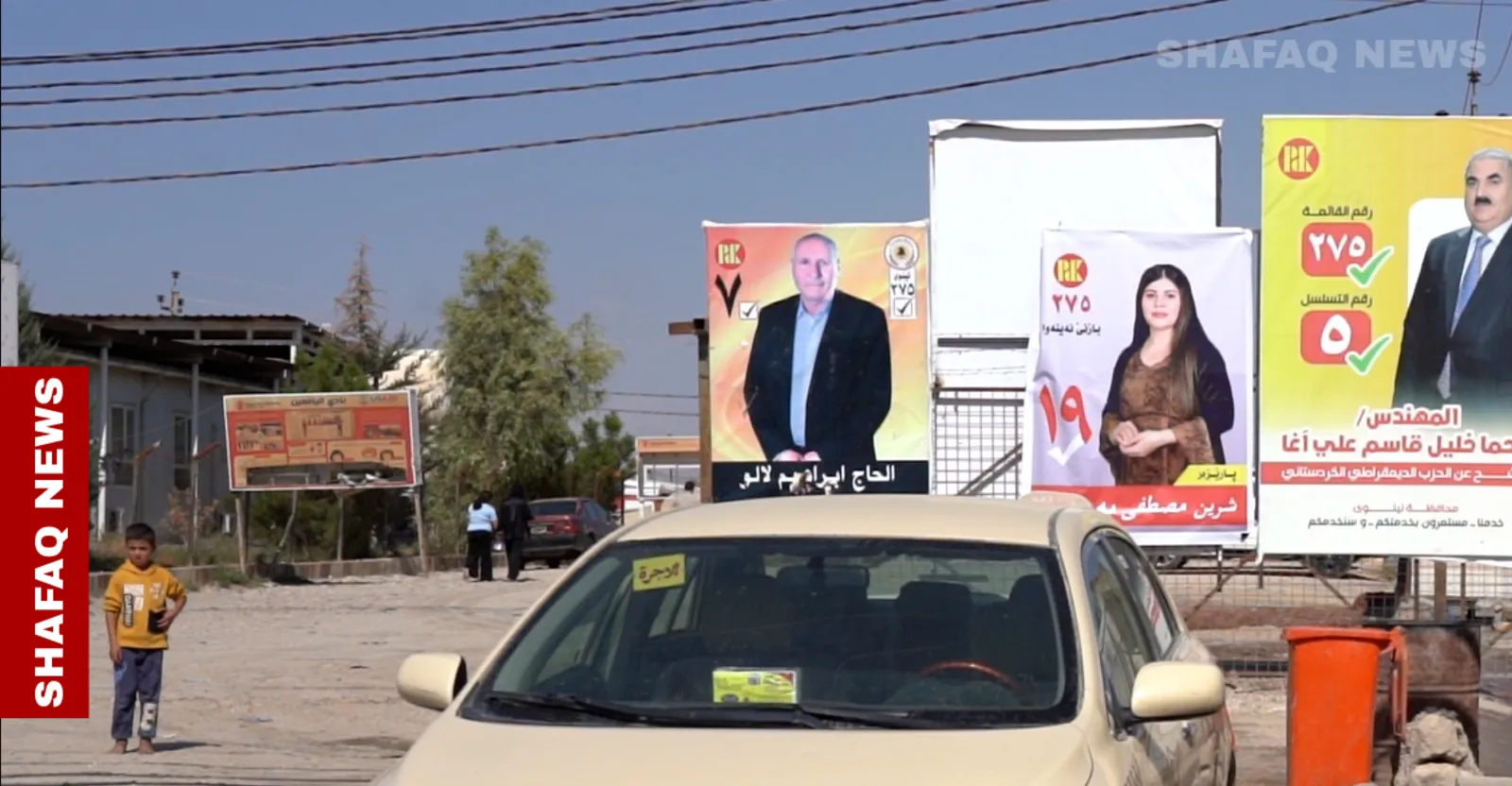
“The candidates visit us these days and meet with us, but they offer nothing tangible. Aid organizations have stopped helping, and the federal government provides no support at all. The only side that stands with us is the Kurdistan Regional Government,” he added.
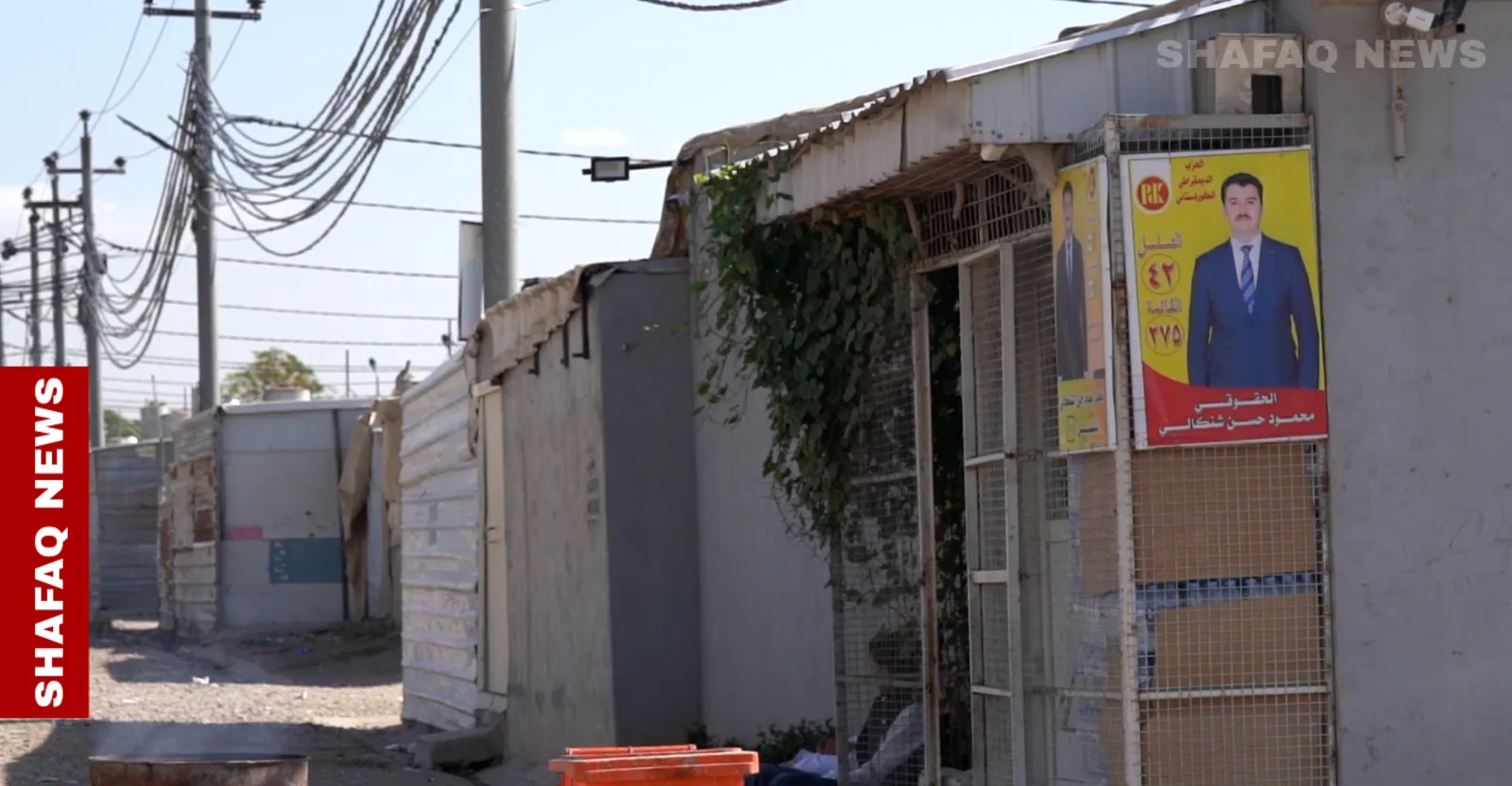
Another displaced resident, Jassem Saeed, expressed frustration with political promises. “We no longer trust any of the candidates. This is the third election we have participated in while still living in tents after 11 years,” he said.
“Despite our disappointment, we will vote again in the hope that this time things might change. We have received no compensation so far, and we call on whoever wins a seat to press the next government to accelerate our return and compensate us for what we lost,” Saeed added.
ISIS overran Sinjar in 2014, committing massacres against its residents before Kurdish Peshmerga forces recaptured the district the following year. In 2017, the Iraqi army and the Popular Mobilization Forces (PMF), a state-affiliated coalition of mostly Shiite armed groups, took control of the area amid tensions between Baghdad and Erbil following the Kurdistan independence referendum.
The Kurdistan Workers’ Party (PKK), which opposes Turkiye, also established an affiliated faction in the district known as the Sinjar Protection Units, which receives salaries from the Iraqi government as part of the PMF structure.
Baghdad and Erbil signed an agreement on October 9, 2020, to normalize the situation in Sinjar, including administrative, security, and service arrangements under joint management. However, the deal has yet to be fully implemented due to political disputes, according to officials in the Kurdistan Region.
Qasim Barakat, another displaced resident in Duhok, said that “displaced people are free to choose their representatives, and no political party pressures them.”
He confirmed that “the displaced will take part in the elections and support whoever commits to serving them,” adding that “we want winning candidates to launch projects in Sinjar, improve roads, and contribute to rebuilding our destroyed areas.”
Duhok’s electoral office announced earlier this month that preparations for the parliamentary elections, scheduled for November 11, are complete. Around 780,000 voters, including 25,000 displaced persons, are expected to participate.
The province has 11 parliamentary seats — eight for men and three for women — including one seat reserved for the Christian quota.
Read more: No way home: Yazidis mark 11 years of displacement