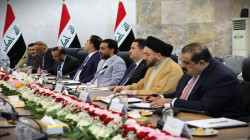
State Administration Coalition meeting derailed due to Kurdish, Sunni boycott
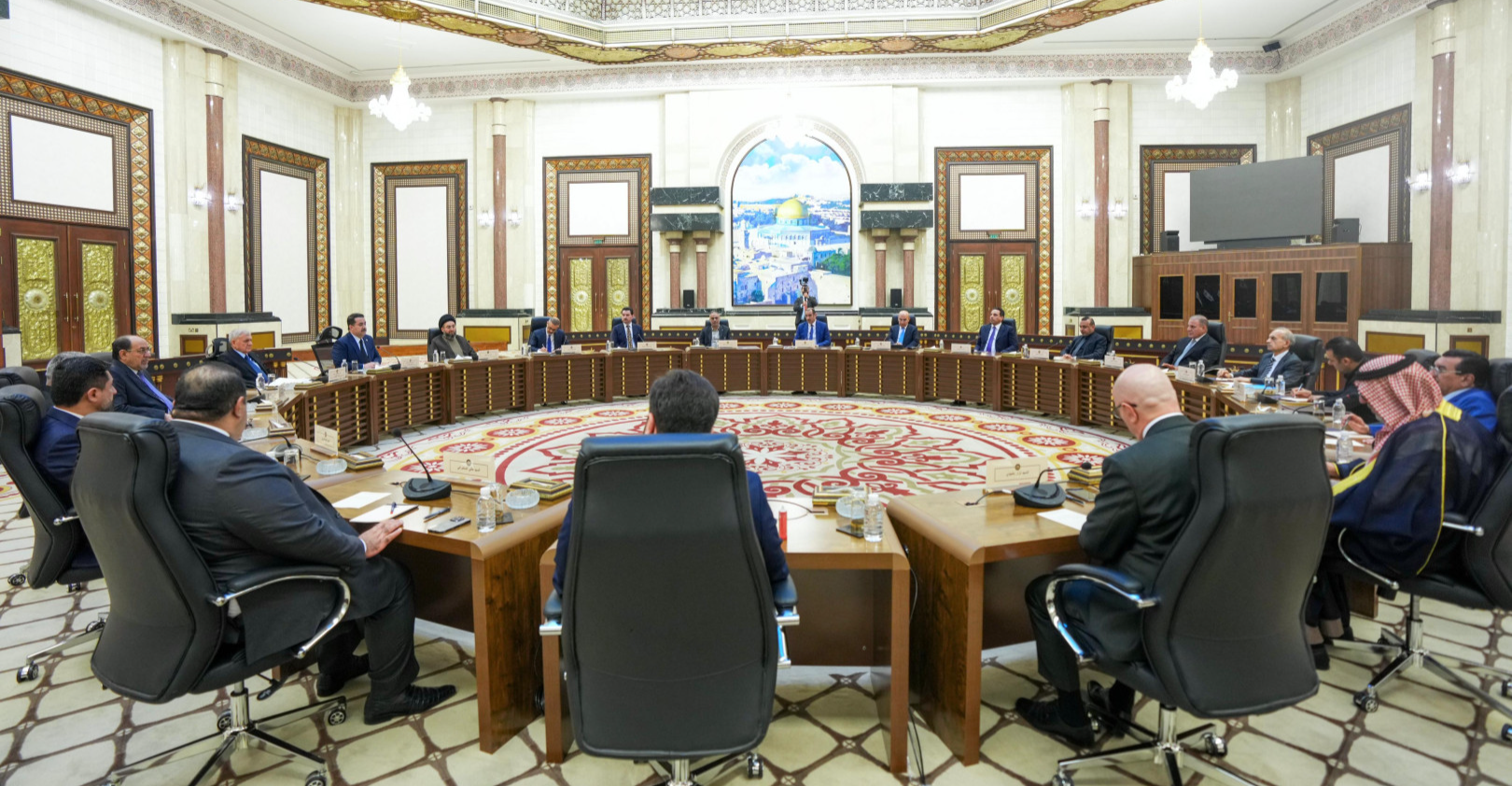


Shafaq News/ The State Administration Coalition postponed its emergency meeting for the second time after Kurdish and Sunni blocs boycotted both the originally scheduled Saturday session and its rescheduled Sunday meeting.
The State Administration Coalition, which includes Shiite parties from the Coordination Framework, Sunni blocs such as Taqadum and Sovereignty, and Kurdish factions including the Kurdistan Democratic Party (KDP) and the Patriotic Union of Kurdistan (PUK), was formed to “maintain political stability” and “implement agreements” among Iraq’s major politicalforces.
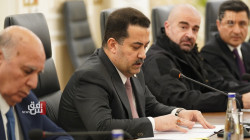
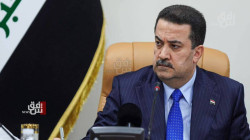
A political source confirmed that most coalition members arrived at the government palace for the meeting, which was called by Prime Minister Mohammed Shia Al-Sudani. However, the Kurdish and Sunni blocs, who did not notify organizers of their absence in advance, later conditioned their participation on the Federal Supreme Court’s ruling on the recently passed controversial laws.
The meeting was attended by leaders of the Shiite Coordination Framework (CF), who discussed key political issues and emphasized the need for a “unified stance and coordinated movement,” warning that “undermining the agreement could destabilize the political process.” Attendees also included State of Law Coalition leader Nouri Al-Maliki, Wisdom Movement leader Ammar Al-Hakim, First Deputy Speaker of Parliament Mohsen Al-Mandalawi, National Approach Bloc leader Abdul Sada Al-Fariji, and CF Secretary Abbas Al-Ameri, along with other senior figures.
On Sunday, the Federal Supreme Court set Tuesday, February 11 as the date for considering the appeals submitted against the vote on the three laws. Legal expert Ali Al-Tamimi noted that this session could “result in multiple outcomes,” including “postponing the case, ordering a revote on some laws, or dismissing the appeal for lack of jurisdiction,” warning, “Interfering in court matters is a criminal offense under Article 235 of the Penal Code.”
Notably, the political crisis escalated following Parliament’s approval of the three controversial laws; General Amnesty, Personal Status Amendment, and Property Restitution, which were passed collectively in a single vote, leading dozens of lawmakers to boycott the session and challenge the vote’s legitimacy before the Federal Supreme Court.
The court later issued an injunction suspending the laws, but the Supreme Judicial Council ruled that “legislation cannot be halted before publication in the official gazette,” intensifying tensions with the Kurdish and Sunni blocs.