Reviving Iraq's Waterways: The Anticipated Launch of River Taxi Service
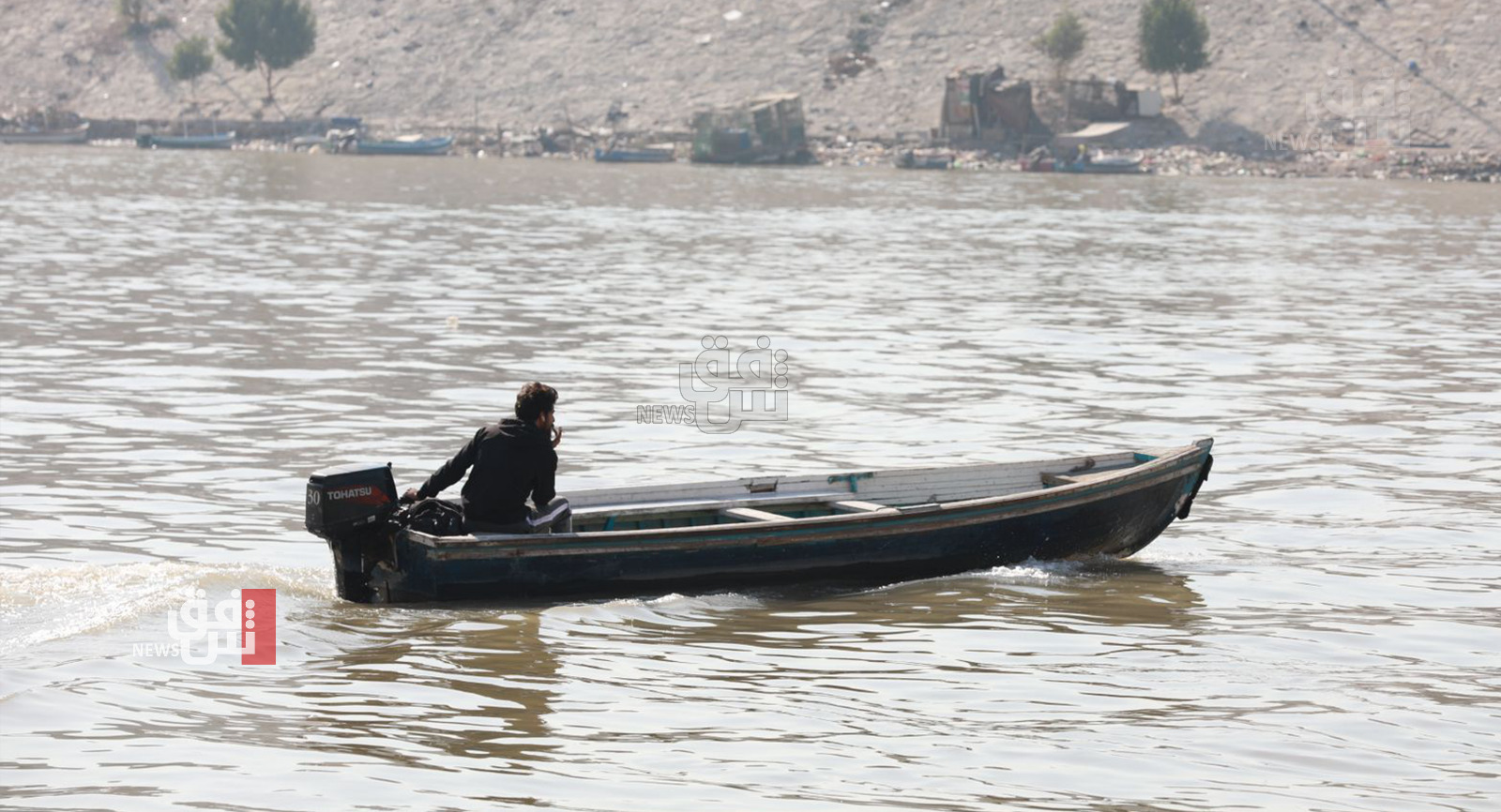


Shafaq News/ The Iraqi Ministry of Transport is poised to launch an ambitious river taxi project in Baghdad and other provinces, a move that, according to the ministry, promises to bring substantial economic benefits and alleviate chronic traffic congestion plaguing the country's urban centers.
"The rivers of Iraq, flowing from its northern to its southern borders, hold untapped potential for an alternative transportation system. The so-called 'river taxi' could revolutionize the way we travel, especially in Baghdad where the Tigris River serves as a natural highway," Zahra Al-Bajari, the Chair of the Parliamentary Transport and Communications Committee, told Shafaq News Agency.
This innovative plan, however, faces numerous challenges on its course to implementation, requiring significant efforts to overcome various logistical and environmental obstacles.
The most conspicuous of these obstacles lies in acquiring security clearances, as Shatha Radi, the spokesperson for the Ministry of Transport, pointed out, "We are continuously working to navigate through all the barriers, including obtaining necessary security approvals."
Radi enumerated the prospective water taxi routes spanning the nation's geography. In the capital city, Baghdad, operations are expected to start at the Jadriya, Kadhimiya, Atifiya, and Khader Elias ports. Provincially, in Wasit, a route encompassing ports north and south of a dam has been planned, while in Babel, the ministry is looking forward to activating eight additional ports.
"We have the Kufa port in Najaf, the Ashar Wharf, and the Government Palaces ports in Basra. For Karbala's ports, we are waiting for government approvals," she informed.
In Dhi Qar, the Souq al-Shoyoukh and al-Jabayish ports are set to join this network. Ports in Ramadi and Nineveh, however, are still pending government permissions to become operational.
Al-Bajari expressed optimism about the project's potential benefits. "Not only could the river taxi serve as a new, efficient mode of transport, reducing heavy traffic jams on the roads, but it could also shrink travel distances, offering a more direct route via waterways. Plus, it adds a unique flavor to our tourism sector," she said.
Despite the project's prospective advantages, its realization is far from certain, according to economic expert Ahmed Abd Rabuh who highlighted the lack of serious commitment towards implementing the project despite its clear economic benefits. "The river taxi project holds the potential to create employment opportunities and to introduce a new means of transport that could alleviate traffic congestion. The challenge lies in making it a reality," Abd Rabuh pointed out.
"One of the major hurdles for this project in Baghdad is its route through the International Zone (the Green Zone). Not to mention, the two great rivers of Iraq - the Tigris and Euphrates - are under environmental stress due to pollution and harmful weeds, including the Nile flower."
"Before we can fully embark on this project, we must prioritize the health of our rivers. Cleaning the Tigris and Euphrates should be the first step in realizing the dream of an Iraqi river taxi service," he concluded.

