Iraqi ruling bloc seeks Najaf Marja’ia guidance, gets no response


Shafaq News– Baghdad
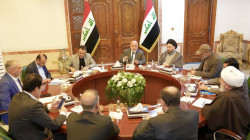
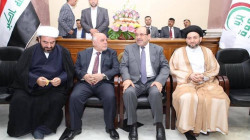
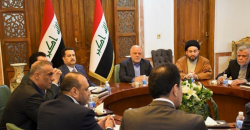
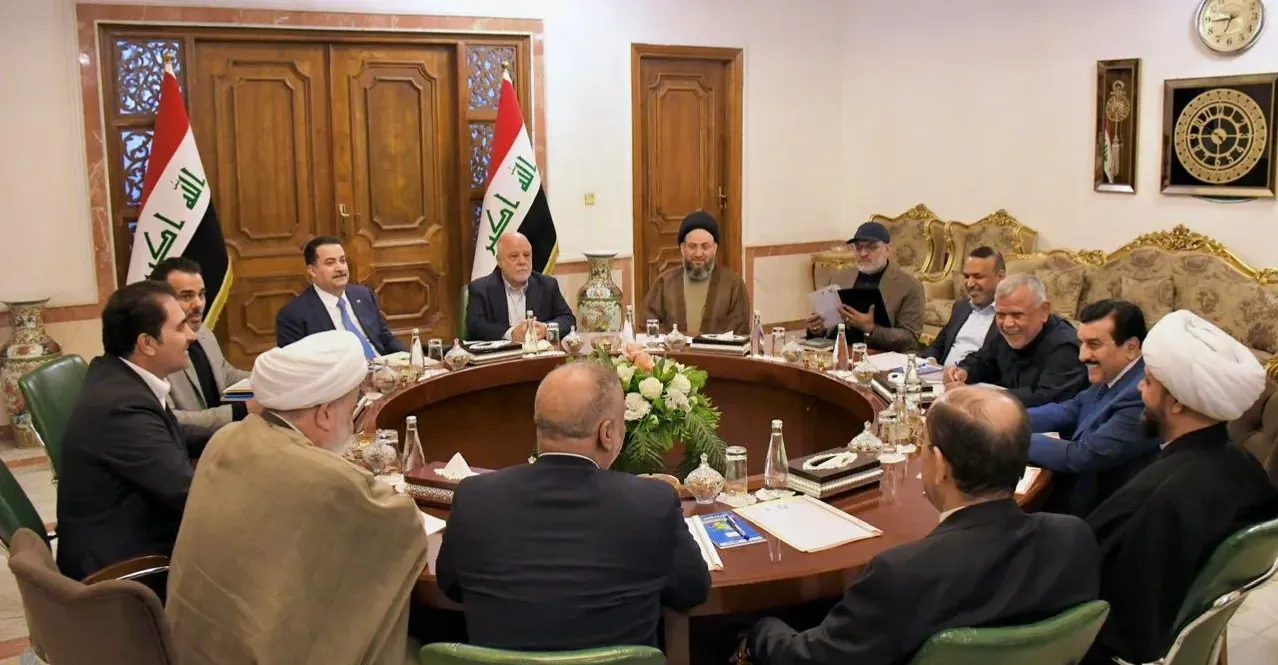
Senior figures in Iraq’s Shiite Coordination Framework (CF) sought guidance last month from the country’s top Shiite religious authority in Najaf (Marja’ia) on government formation and possible prime ministerial nominees, an informed source revealed on Thursday.
Speaking to Shafaq News, the source said that no response has been received and is unlikely, citing the long-standing position of the Marja’ia, under Grand Ayatollah Ali Al-Sistani, to avoid direct political involvement and decline meetings with political actors.
The outreach coincides with a new phase of government formation following the completion of parliamentary leadership elections in late December 2025. Under the constitution, parliament must elect a president within 30 days of its first session. The president then has 15 days to designate a prime minister, who is required to form a cabinet within the following 30 days.
Under Iraq’s post-2003 power-sharing arrangement, the presidency is reserved for a Kurd, the premiership for a Shiite, and the speakership for a Sunni Arab.
Read more: Iraq Parliament finalizes speakership, heads toward presidential vote
As the largest parliamentary bloc, the Coordination Framework has launched its nomination process, with Framework official Imran al-Karkoshi previously confirming the submission of a formal document to parliament identifying the largest blocs, a constitutional step toward naming a prime minister. CF officials said the list has been narrowed to nine candidates, including Bassem al-Badri, head of parliament’s Accountability and Justice Commission, and Hamid al-Shatri, director of the Iraqi National Intelligence Service.
Najaf’s religious authority has steadily withdrawn from political engagement since 2015, a stance widely seen as a response to repeated governance “failures,” corruption, and declining public services. After mass protests that year, the clerical establishment pressed for reforms and accountability, then sharply limited contact to avoid any perception of political endorsement. Since then, engagement has remained minimal and largely confined to international channels, including with the United Nations.