Iraqi delegation in Ankara prepares groundwork for PM Al-Sudani’s visit
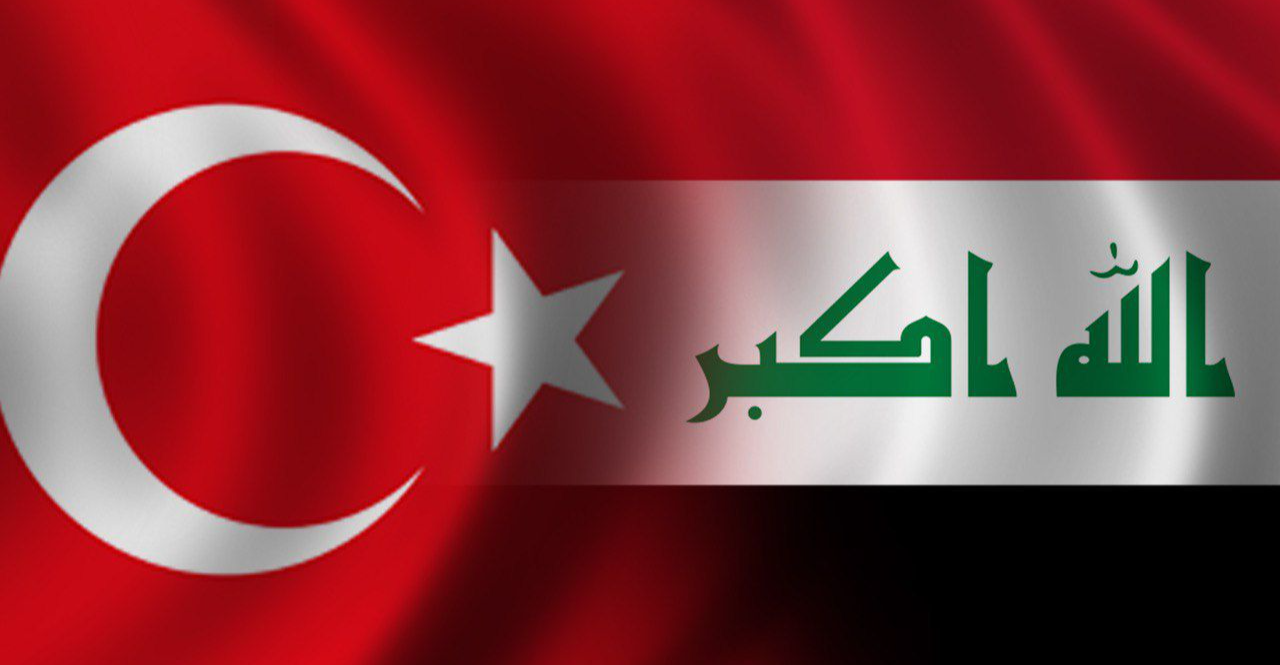


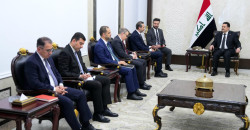
Shafaq News/ An official Iraqi delegation arrived in Ankara on Monday to finalize preparations for a series of bilateral agreements ahead of Prime Minister Mohammed Shia al-Sudani's expected visit later this week, Iraq’s embassy in Turkiye confirmed.
High-Level Preparations Underway
The delegation is headed by Mohammed Redha Al-Husseini, director of the Department of Neighboring Countries at Iraq’s Ministry of Foreign Affairs. It includes representatives from multiple ministries and state bodies.
“This visit is part of ongoing arrangements for the upcoming visit of Prime Minister Mohammed Shia al-Sudani to Turkiye,” the Iraqi Embassy said in a statement. It added that technical talks are underway to finalize several memoranda of understanding.
وفد عراقيّ رسميّ يصلُ إلى أنقرة تمهيدًا لتوقيع مذكّرات تفاهمٍ ثُنائيةٍرابط الخبر : https://t.co/kF106emVVH pic.twitter.com/UWJOuzgcaw
— سفارة جمهورية العراق - أنقرة | Iraq in Ankara (@IraqinAnkara) May 5, 2025
Strategic Sectors in Focus
The draft agreements cover critical areas such as security, transportation, planning, education, communications, and industry, according to the embassy.
Iraq’s ambassador to Turkiye, Majid Al-Lajmawi, noted that the visit would address strategic issues including energy cooperation, the Development Road initiative, and bilateral trade. “This is a pivotal moment for both countries to deepen ties across multiple sectors,” he said.
Turkish Minister of Transport Abdulkadir Uraloğlu also confirmed that Prime Minister Al-Sudani is expected to arrive “in the coming days,” while President Recep Tayyip Erdogan is scheduled to visit Iraq within the first half of the year.
Shared Interests, Lingering Tensions
Iraq and Turkiye share a 367-kilometer border, serving as both a key trade corridor—bilateral commerce now exceeds $20 billion annually—and a flashpoint for unresolved security concerns.
Despite growing economic ties, tensions remain over several issues, including the presence of Turkish military forces in northern Iraq, the activities of the Kurdistan Workers’ Party (PKK), and disputes over cross-border water resources. Both governments are working to improve coordination in these areas.