Iraq’s CF reviews security ministries, examines Gulf drone allegations


Shafaq News- Baghdad
Iraq’s ruling Coordination Framework (CF) discussed efforts to fill unresolved security ministries while examining Saudi and Emirati allegations that drones launched from Iraqi territory targeted the two Gulf states, a CF source told Shafaq News on Thursday.
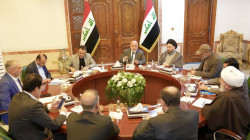
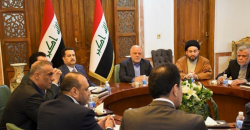
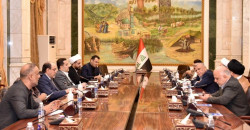
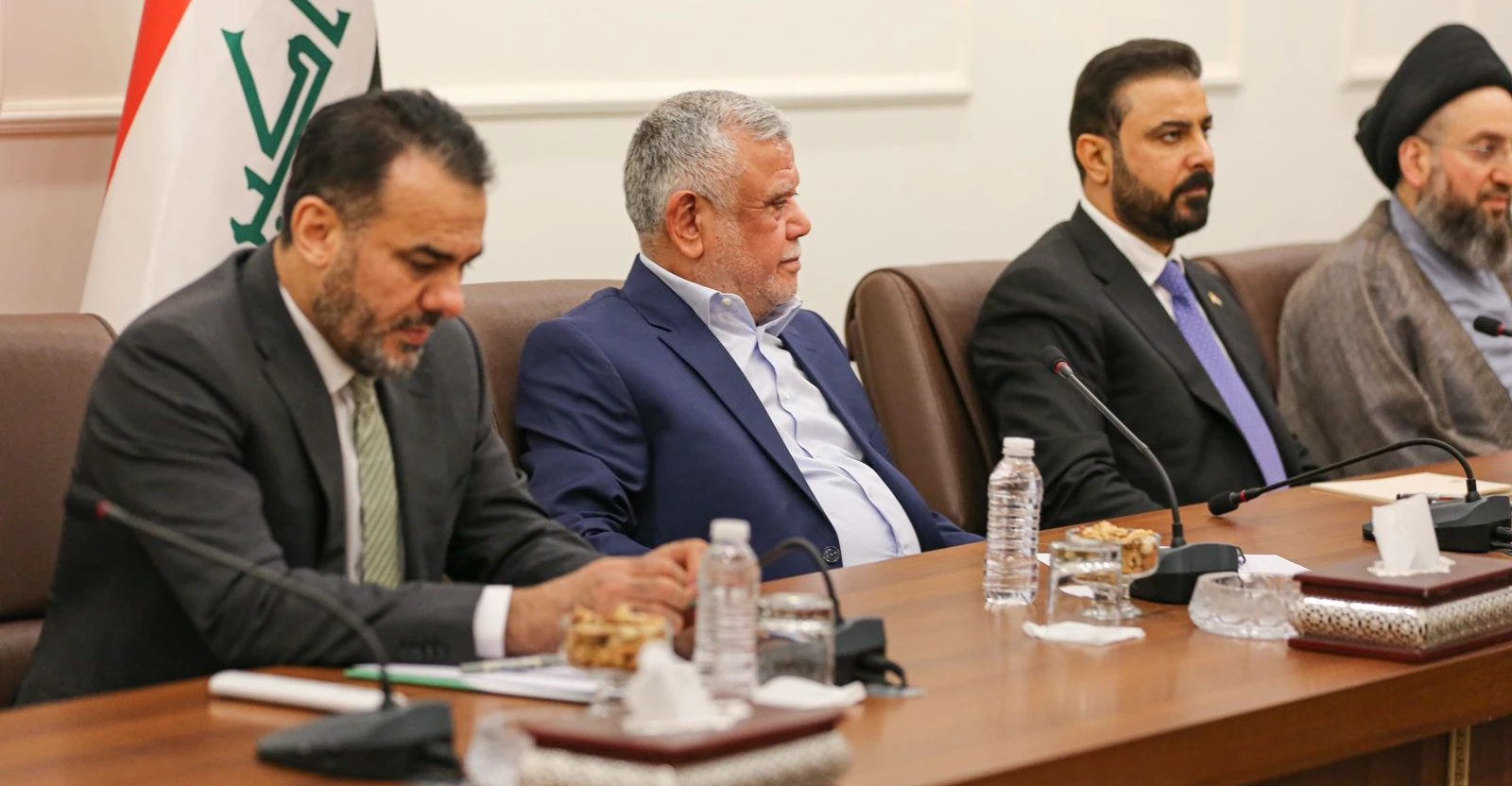
The discussions took place during a meeting held on Wednesday night attended by Prime Minister Ali Al-Zaidi, with discussions focusing on the Interior and Defense ministries alongside regional security accusations involving Saudi Arabia and the United Arab Emirates.
Read more: What does Iraq's new government promise? A guide to Ali Al-Zaidi's ministerial program
On the regional security file, the meeting discussed allegations by Saudi Arabia and the UAE that drones launched from Iraq had targeted the two countries. Leaders agreed to form a committee including security specialists and representatives from the Interior, Defense, National Security, and Foreign Ministries. One team will visit Saudi Arabia and the UAE to review evidence related to the alleged drone flights, particularly radar and early-warning data, in an effort to determine launch points and flight paths and identify the responsible party, while a second team will conduct investigations inside Iraq and gather information related to allegations that drones targeting Saudi Arabia and the UAE originated from Iraqi territory.
“The committee’s work will focus on obtaining evidence before adopting any final position,” the source said, adding that conclusions would depend on technical and security findings presented by the relevant authorities.
Saudi Arabia and the UAE earlier alleged that drones entered their airspace from Iraq, including an attack Abu Dhabi said targeted the Barakah nuclear power plant, while Riyadh announced intercepting drones approaching from the Iraqi direction. Iraq later condemned the attacks and announced technical and security coordination with Saudi Arabia and the UAE to review available evidence.
Iraq's parliament granted confidence to Al-Zaidi's government on May 14, approving 14 ministers out of 23 while delaying nine portfolios amid continuing disputes over cabinet allocations. Among the deferred posts are Interior and Defense —the two ministries that sit at the center of Iraq's security architecture and bear direct responsibility for counterterrorism, border control, and the management of armed factions operating under state authority. Coordination Framework leaders agreed to authorize Al-Zaidi to select candidates for both portfolios from lists of 10 nominees submitted by supporting political groups, provided they possess proven military and security experience.