Iraq limits livestock movement, tackling Foot-and-Mouth disease
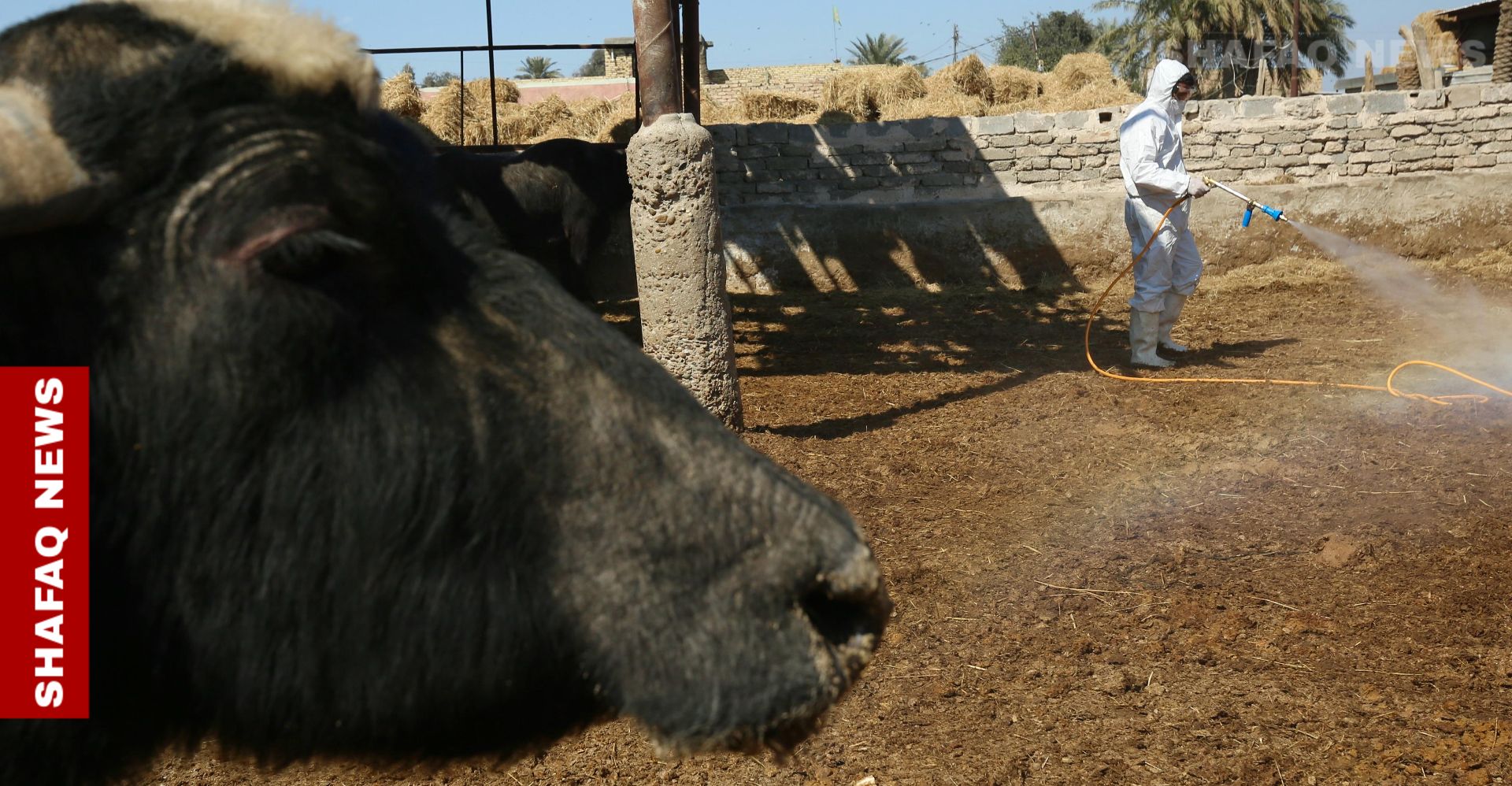


Shafaq News/On Monday, Iraq's Ministry of Agriculture announced restrictions on livestock movement between five provinces and the closure of livestock gathering areas, known as "Joubat," until further notice, in an effort to curb the spread of foot-and-mouth disease.
A series of precautionary measures have been implemented to contain and reduce the spread of the disease, leading to a decrease in the number of infections.
The ministry clarified that it has prohibited the movement of live animals, including sheep, goats, cattle, and buffalo, from identified outbreak areas, which include Baghdad, Babil, Diyala, Najaf, and Wasit. It also announced the closure of all animal gathering areas ("Joubat") until further notice.
However, livestock movement will still be allowed between provinces and areas free of infection, as well as from the Kurdistan region, provided the animals are tested and accompanied by a veterinary health certificate issued by the veterinary authority.
Iraq is experiencing a widespread outbreak of foot-and-mouth disease, which has resulted in the deaths of more than 1.5 million livestock over the past three years, according to veterinarian Iyad Abu Al-Jir.
Experts attribute the rise in cases to the decline in vaccination programs during successive governments. The administration of former Prime Minister Mustafa Al-Kadhimi had halted vaccinations for three years, which contributed to the worsening crisis.
Despite efforts by the current government to control the disease, the vaccines being used are outdated and not up to date.
The Ministry of Agriculture has reported infections in several provinces, prompting local authorities to impose livestock movement restrictions, strengthen preventive measures, and conduct disinfection campaigns. Officials have reiterated that the disease does not transfer to humans.
The Parliamentary Agriculture and Marshlands Committee has confirmed the deaths of 700 buffalo over five days due to foot-and-mouth disease, describing the situation as a conspiracy against Iraq’s livestock sector.
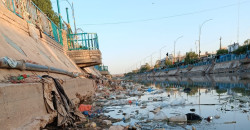
As the virus continues to spread, livestock farmers are facing difficulties disposing of dead animals. Some have resorted to abandoning carcasses on public roads, further increasing the risk of infection. Municipal and veterinary teams have been working to collect and dispose of the bodies, but delays in these processes threaten to spread additional diseases in the affected areas.