Gulf's First: Iraq taps waste for 100-MW power in 2026


Shafaq News – Baghdad
Iraq will begin generating electricity from discarded materials early next year through its first national waste-to-energy project, designed to process part of the country’s 12 million tons of yearly refuse, a senior official said on Thursday.
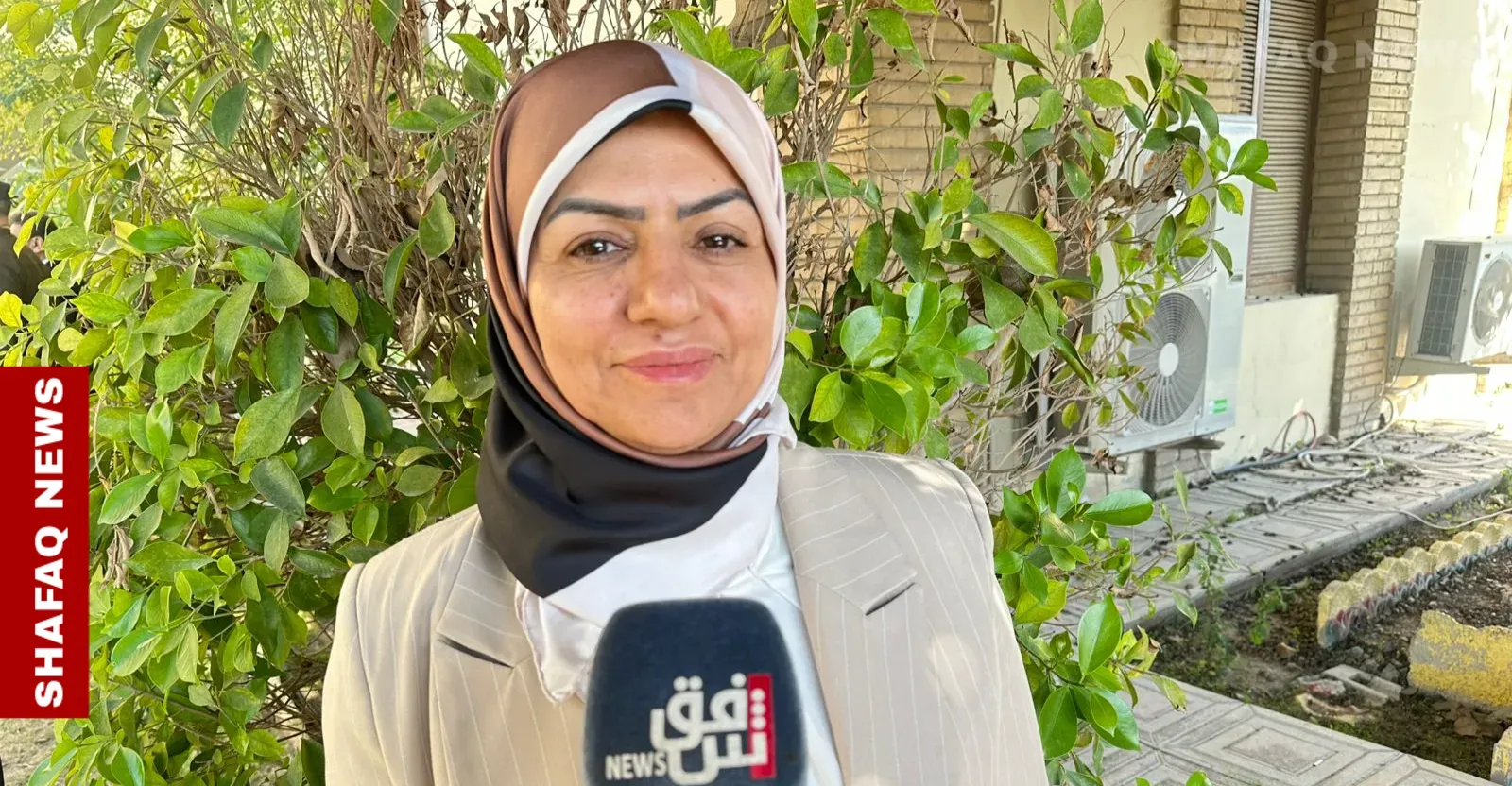
Muna Sabah Al-Jabri, the National Investment Commission’s adviser for energy and environment, told Shafaq News that Baghdad alone produces about 10,000 tons of waste daily. “The initiative is the first in Iraq and the first in the Gulf region to use fourth-generation waste-to-energy technology,” she noted.
Construction will begin in early 2025 on the Rusafa side of the capital, with the plant designed to convert 3,000 tons of waste per day into 100 megawatts of electricity. Additional facilities are planned in Abu Ghraib, Najaf, Karbala, Nineveh, and Basra, while the Ministry of Electricity is designing a similar 100-megawatt station in Nahrawan.
The government awarded the initial project to a Chinese company chosen from 17 international bidders, following a technical and environmental review conducted by specialists in the Netherlands.
Iraq’s electricity system continues to struggle with decades-old infrastructure, underinvestment, and rapid population growth. Although the country is one of the world’s leading oil producers, its power generation meets only about half of peak demand, leaving many households dependent on private diesel generators.
Persistent gas shortages further pressure the grid, as most power plants require fuel that domestic production cannot yet supply. As a result, Iraq relies heavily on imported Iranian gas and electricity, exposing the sector to political constraints and delays linked to regional tensions and sanctions.
Read more: Replace or reshape: Can solar power alter Iraq’s reliance on oil?