Shafaq News
Nations immortalize their great minds through monuments and street names. In Iraq—especially in Baghdad—such tributes now take shape through the restoration of homes of poets, scholars, and thinkers, reborn as cultural landmarks.
A Bold Initiative
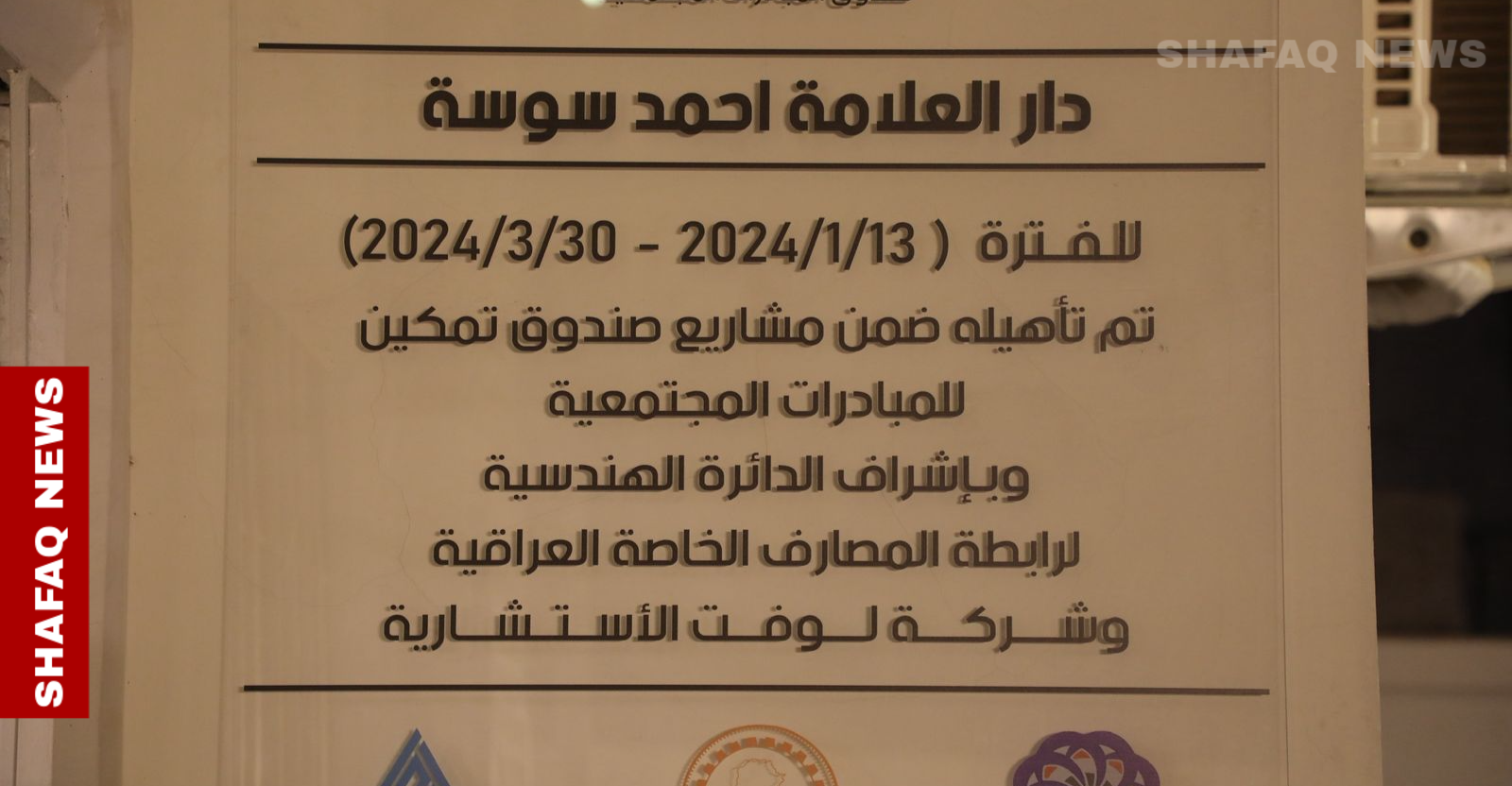
The Baghdad Municipality has launched an ambitious initiative to acquire, restore, and reopen the houses of leading intellectuals and heritage figures, transforming them into vibrant cultural forums. According to spokesperson Uday Al-Jandil, a new Cultural Affairs Department has been established to oversee these projects.
“Our role is to rehabilitate the homes of thinkers, writers, and scholars, turning them into cultural centers, museums, and exhibition spaces that attract local and international visitors,” Al-Jandil told Shafaq News. “The aim is to revive Baghdad’s intellectual identity while boosting tourism and public awareness.”
Read more: Discover Iraq: Baghdad, a city shaped by conflict and enduring hope
The House of Al-Jawahiri: From Memory to Movement
One flagship project is the House of Al-Jawahiri, acquired from the family in 2011 and inaugurated in 2022 after restoration. Today, it houses the poet’s manuscripts, personal belongings, photographs, and academic theses written about his work.
More than a museum, the house has become a living cultural hub, hosting seminars, poetry readings, and intellectual gatherings. Its doors are open to Iraqi and foreign visitors alike.
The Legacy of Al-Waili and Beyond
Another restored site is the House of Sheikh Ahmed Al-Waili in Kadhimiya, purchased in 2014 and reopened in 2024. It now functions as a cultural forum, showcasing the cleric’s works and possessions while hosting lectures, discussions, and media productions on Baghdad’s heritage.
Future projects include the rehabilitation of the White Palace (built in 1934), two heritage houses on Haifa Street, and potential acquisitions of the homes of architect Zaha Hadid, former Prime Minister Mohammed Fadel Al-Jamali, literary scholar Hussein Ali Mahfouz, and sociologist Ali Al-Wardi.
“Pulse of Baghdad” Initiative
These efforts align with the government program “Pulse of Baghdad,” launched by Prime Minister Mohammed Shia Al-Sudani, in cooperation with the Ministry of Culture and the Association of Private Banks. The program has already restored 150 heritage buildings, shops, and houses across three phases, including landmarks on Al-Rasheed Street and Al-Mutanabbi Street.
According to Iyad Kazem, Director of Heritage at Iraq’s Antiquities Authority, restoration also encompasses ten historic mosques, some of which are already completed, while others—such as the shrine of the Second Safir in Al-Saray—are still undergoing renovation.
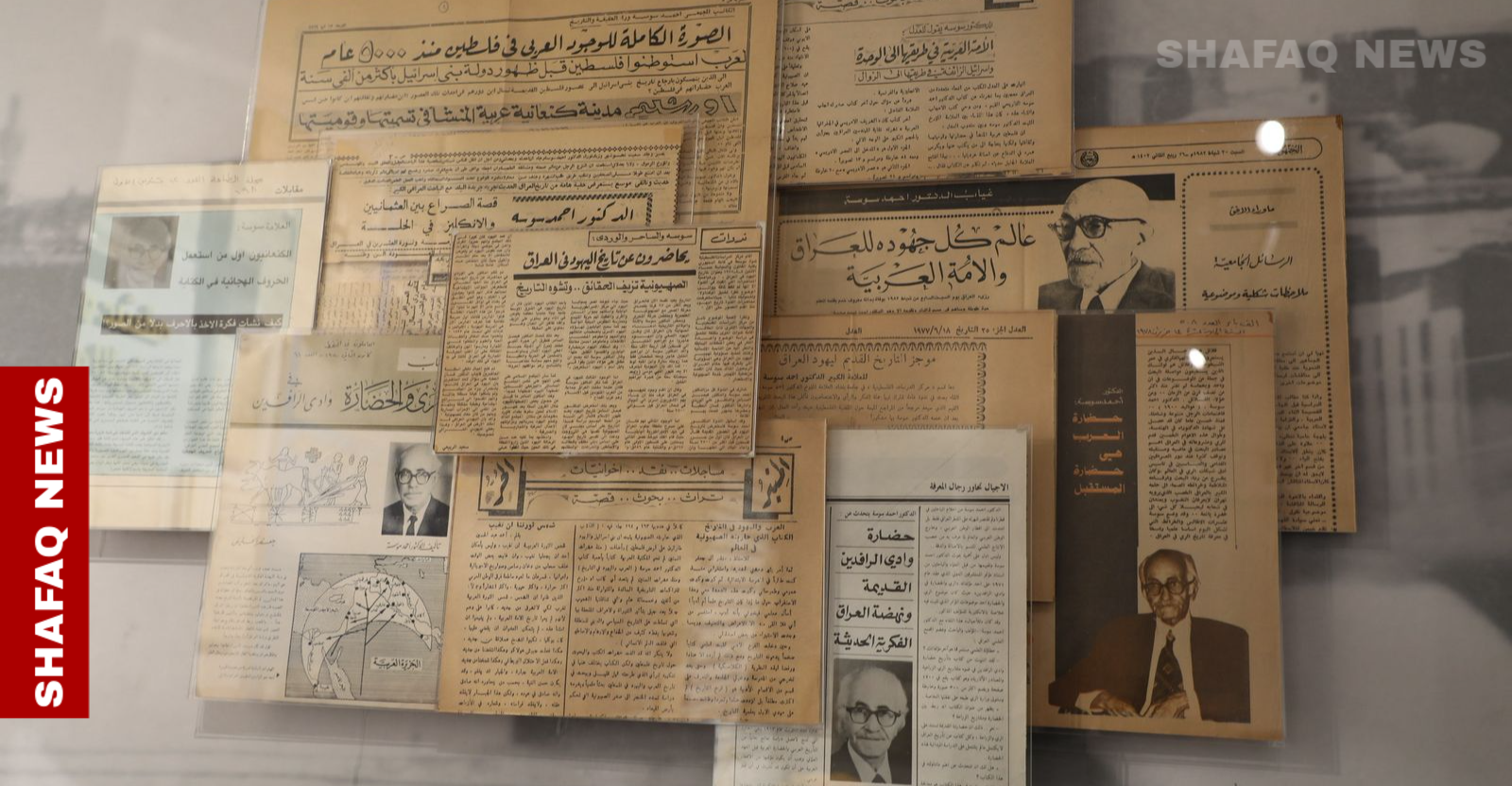
Citizens Welcome the Revival
For many Iraqis, these initiatives carry profound meaning. Writer Ali Ward described the projects as “a renaissance that revives the brilliance of Iraqi culture and recalls its legacy of creativity, coexistence, and knowledge.”
Rasha Al-Obaidi, a Baghdad resident, stressed the importance of public ownership of such houses: “Otherwise, they risk being turned into restaurants or cafés.”
Architect Lama Mohsen praised the blend of authenticity and modernity, noting that Iraqi engineers have preserved original structures while adding contemporary touches that appeal to younger generations.
Written and edited by Shafaq News staff.