Winter staple, hard-earned living: Babil graduates turn lablabi into survival business


Shafaq News– Babil
As winter settles over central Iraq and night temperatures dip, the streets and markets of Babil tell a familiar story: people slowing their pace, searching for warmth that comes not from heaters but from food. In that seasonal ritual, lablabi — a simple chickpea dish — reasserts itself as a quiet constant, offering heat, sustenance, and a sense of continuity.
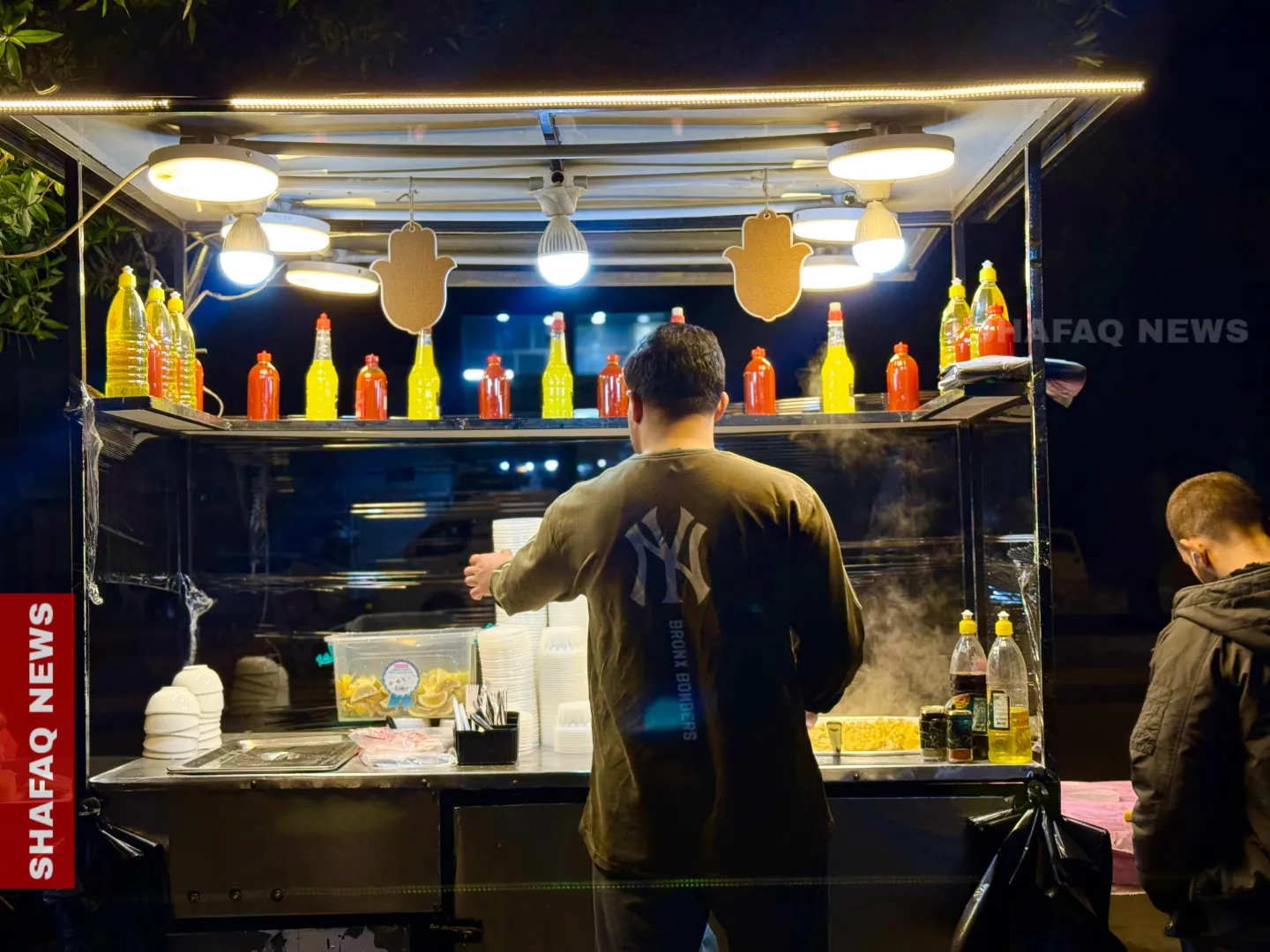
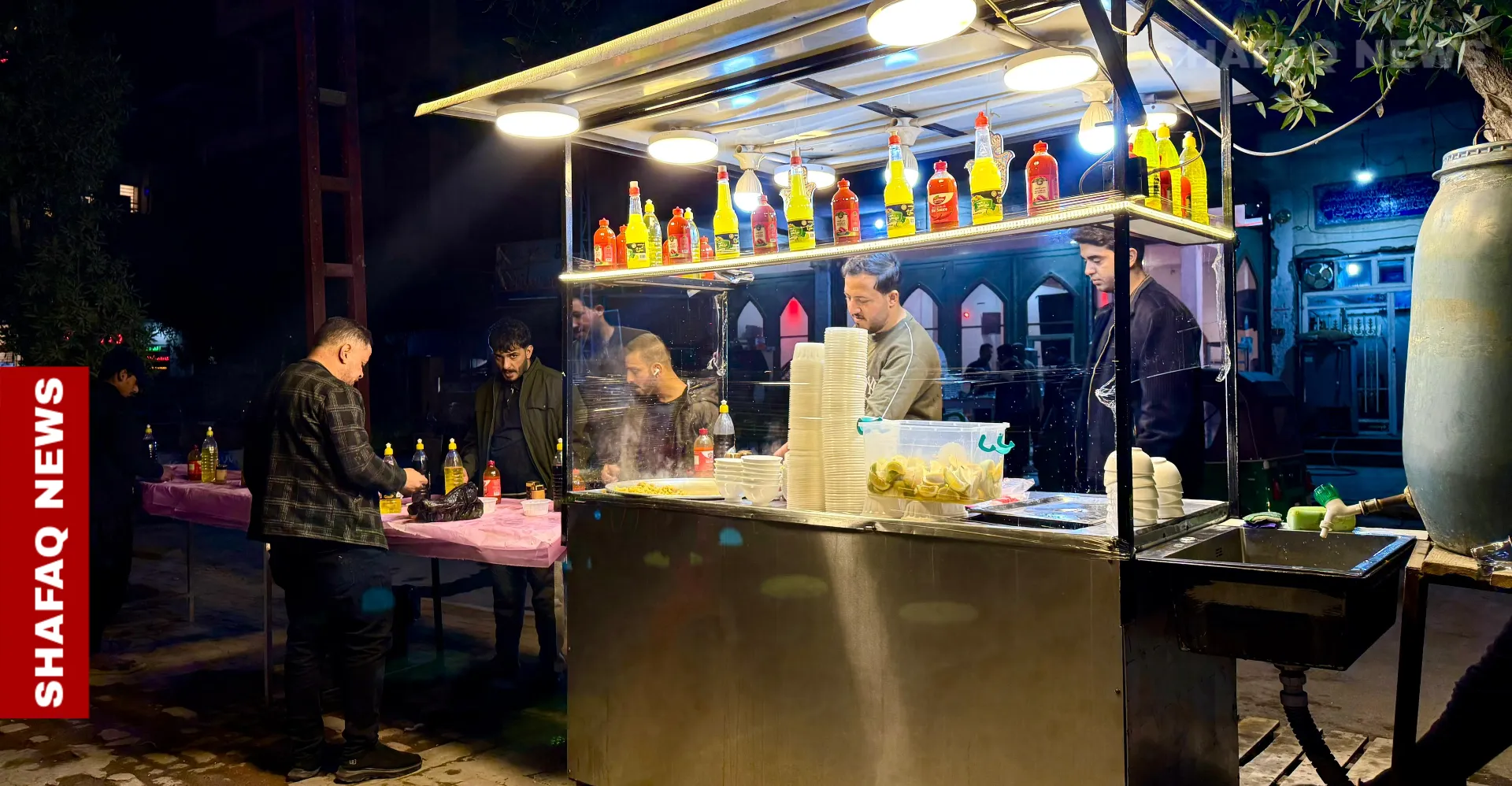
On Hamza Al-Gharbi Street in southern Babil, five young men
have turned that tradition into a livelihood. All are university graduates —
some holding bachelors and master’s degrees in law, administration, and
economics — who found the doors of public-sector employment closed. Rather than
wait, they built a small winter business around a dish Iraqis already trust.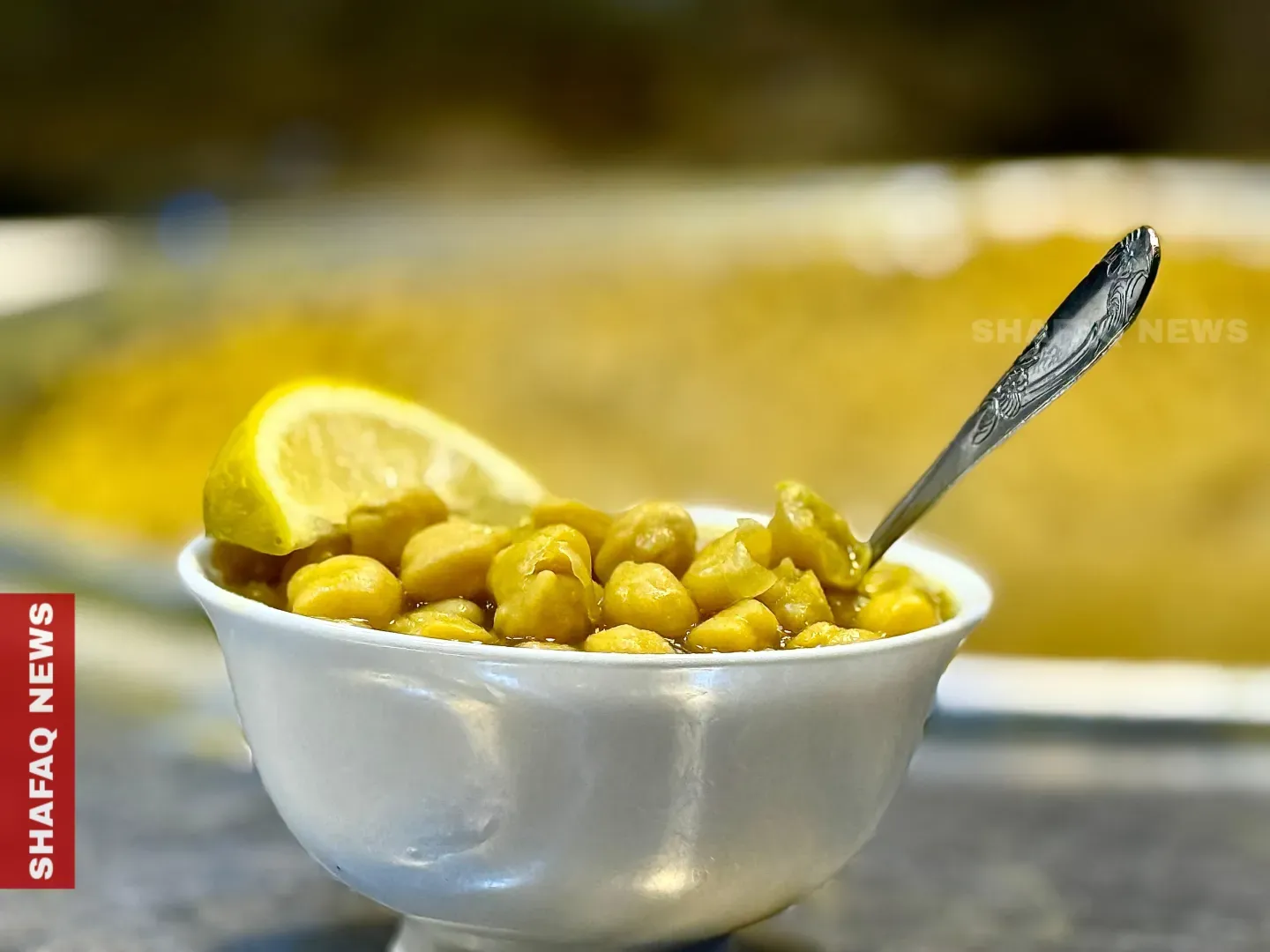
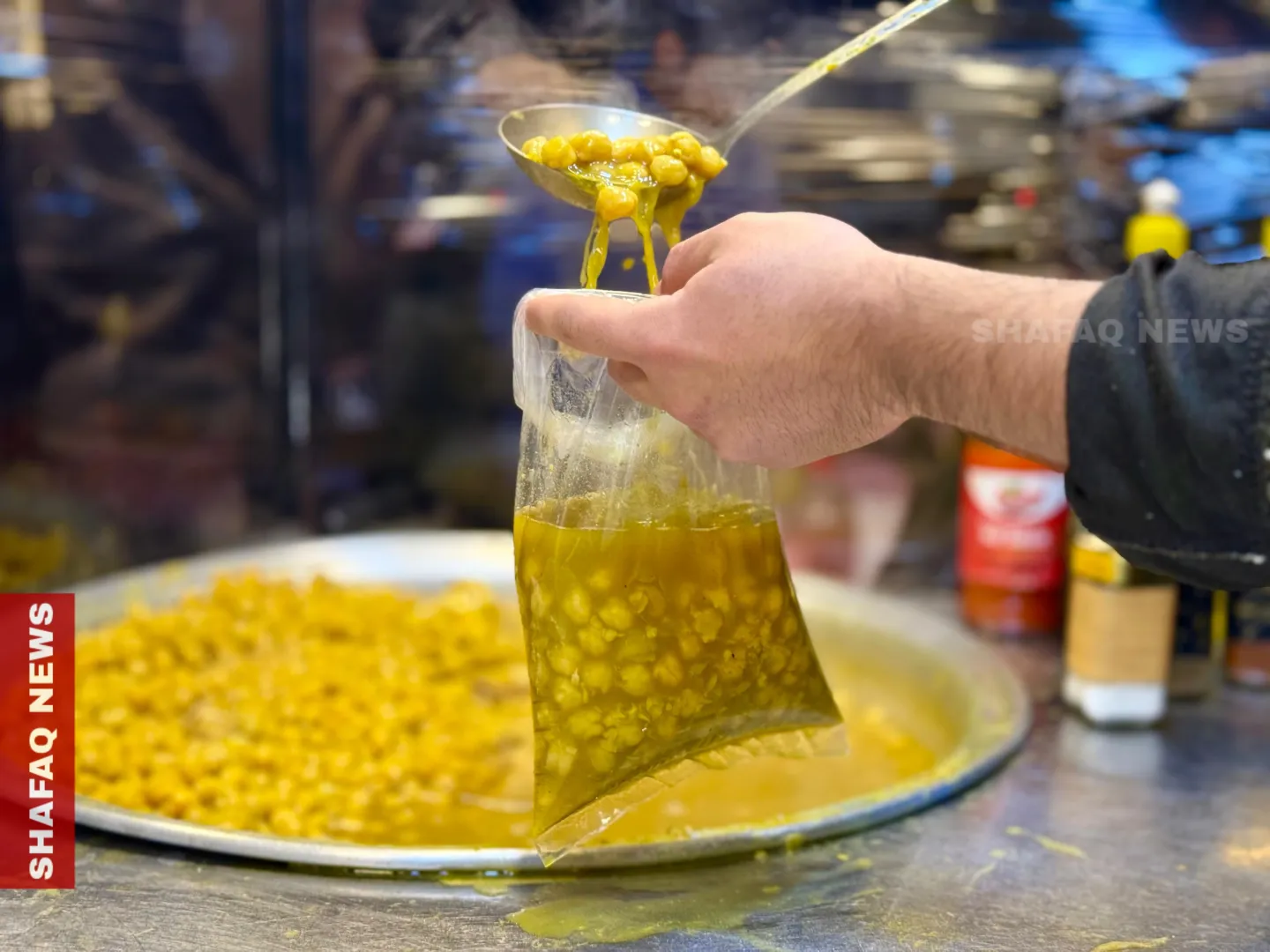
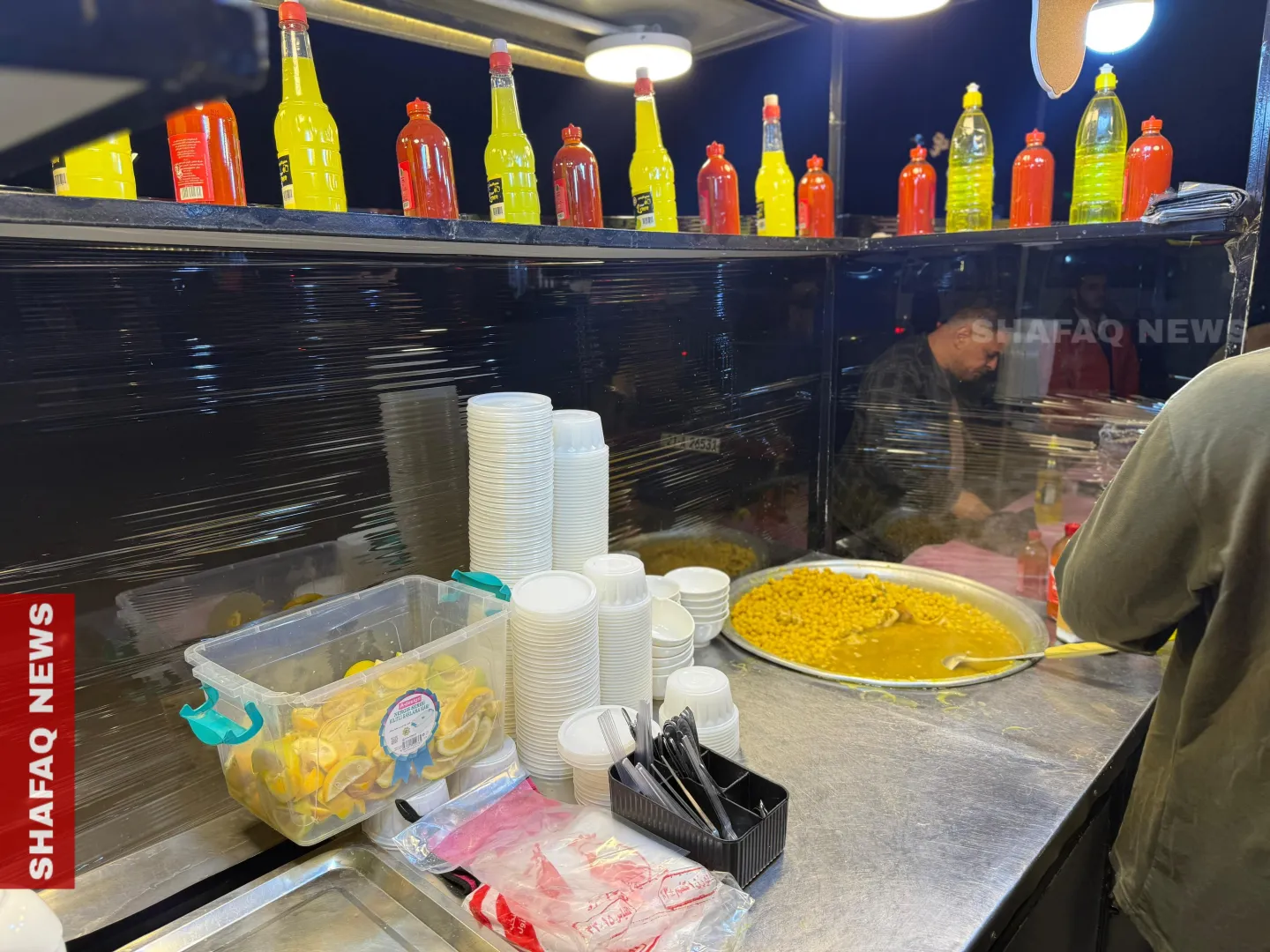
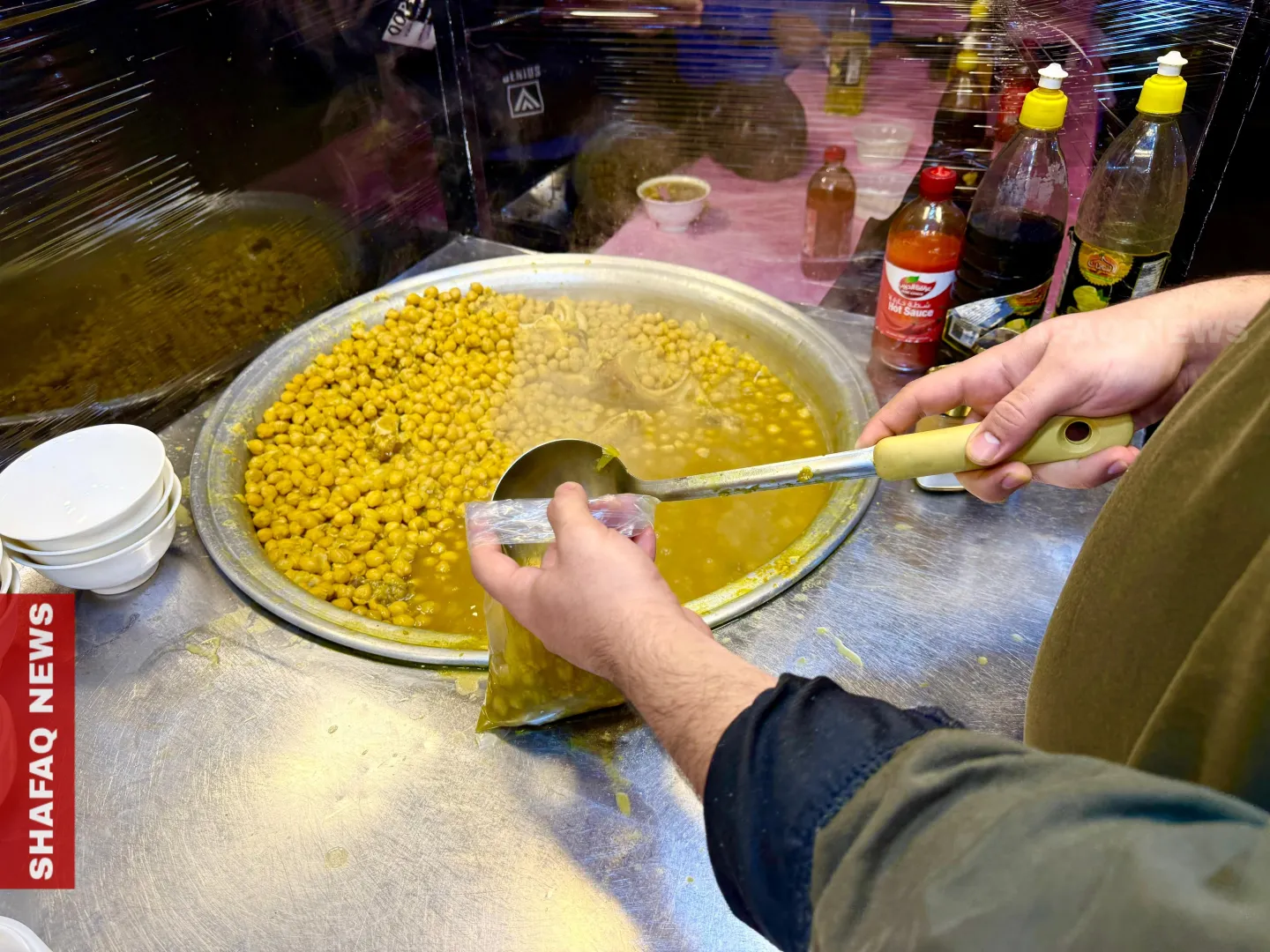
The project began five to six years ago and has since settled into a punishing but steady rhythm. From noon until midnight, every day, their cart operates without pause. Orders are served on the spot, prepared for takeaway, or delivered to nearby homes. Lablabi is offered in bowls, porcelain dishes, paper bags, or plastic containers, whatever suits the customer’s walk, car, or family table.
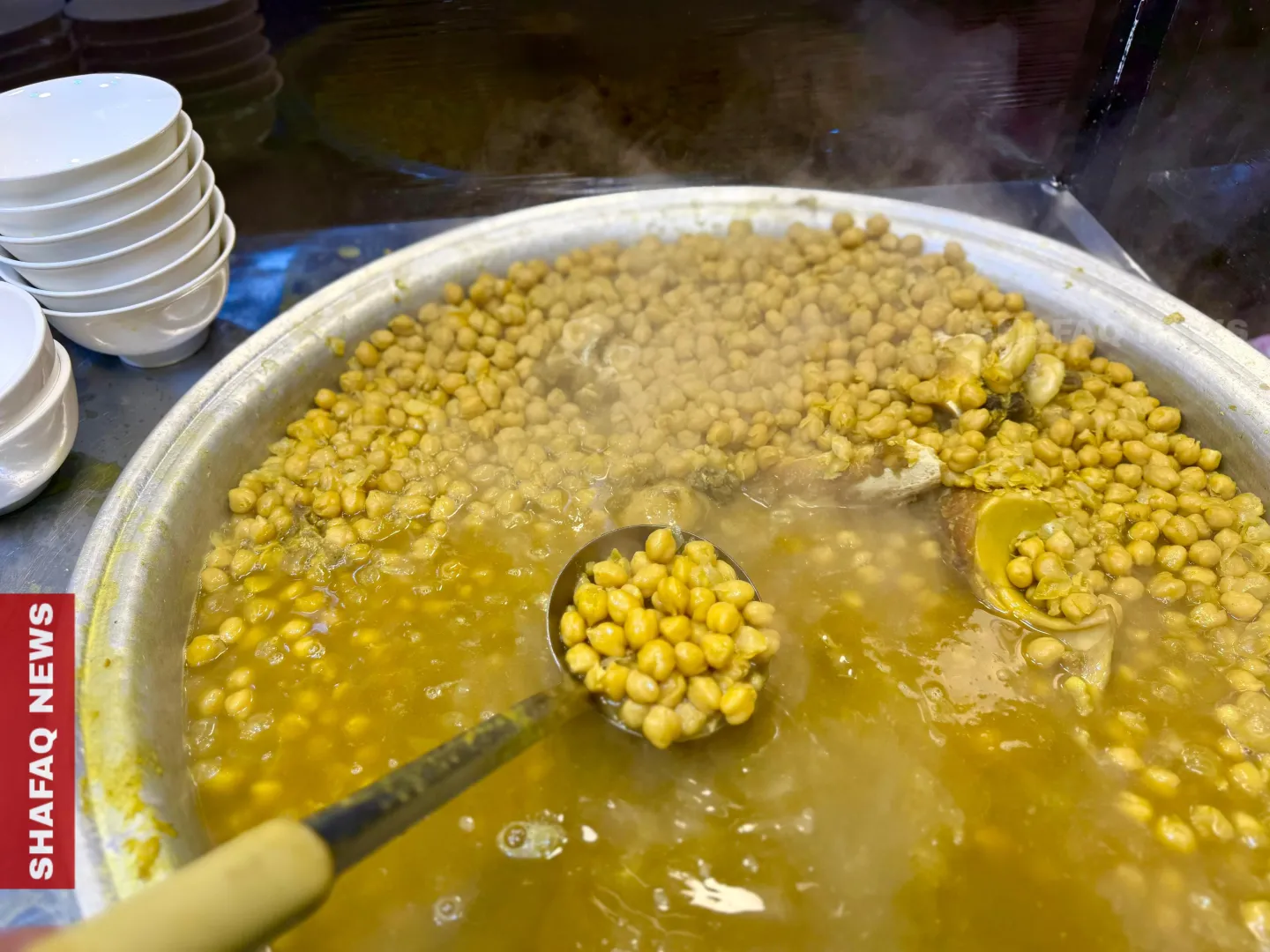
The preparation is meticulous. Chickpeas are simmered slowly, seasoned with salt, vinegar, lemon, chili, and spices. Beef or lamb bones are added to deepen the broth, a detail that regular customers say makes the difference. Portions are adjusted on request, whether for a single passerby or a family gathering, turning a modest street cart into a reliable neighborhood fixture.
“For many of us, employment was simply not an option,” said Asaad Al-Husseini, one of the founders and a graduate in administration and economics. “So we chose to work with what people love in winter, food that warms the body and carries memory. We wanted something honest, traditional, but done well.”
That approach has paid off. Customers interviewed by Shafaq
News described the lablabi as distinct — richer, hotter, and more satisfying
than elsewhere — crediting the seasoning and the added bones for both flavor
and warmth. More than that, they see the stall as a small success story:
educated youth navigating unemployment without abandoning dignity or local
culture.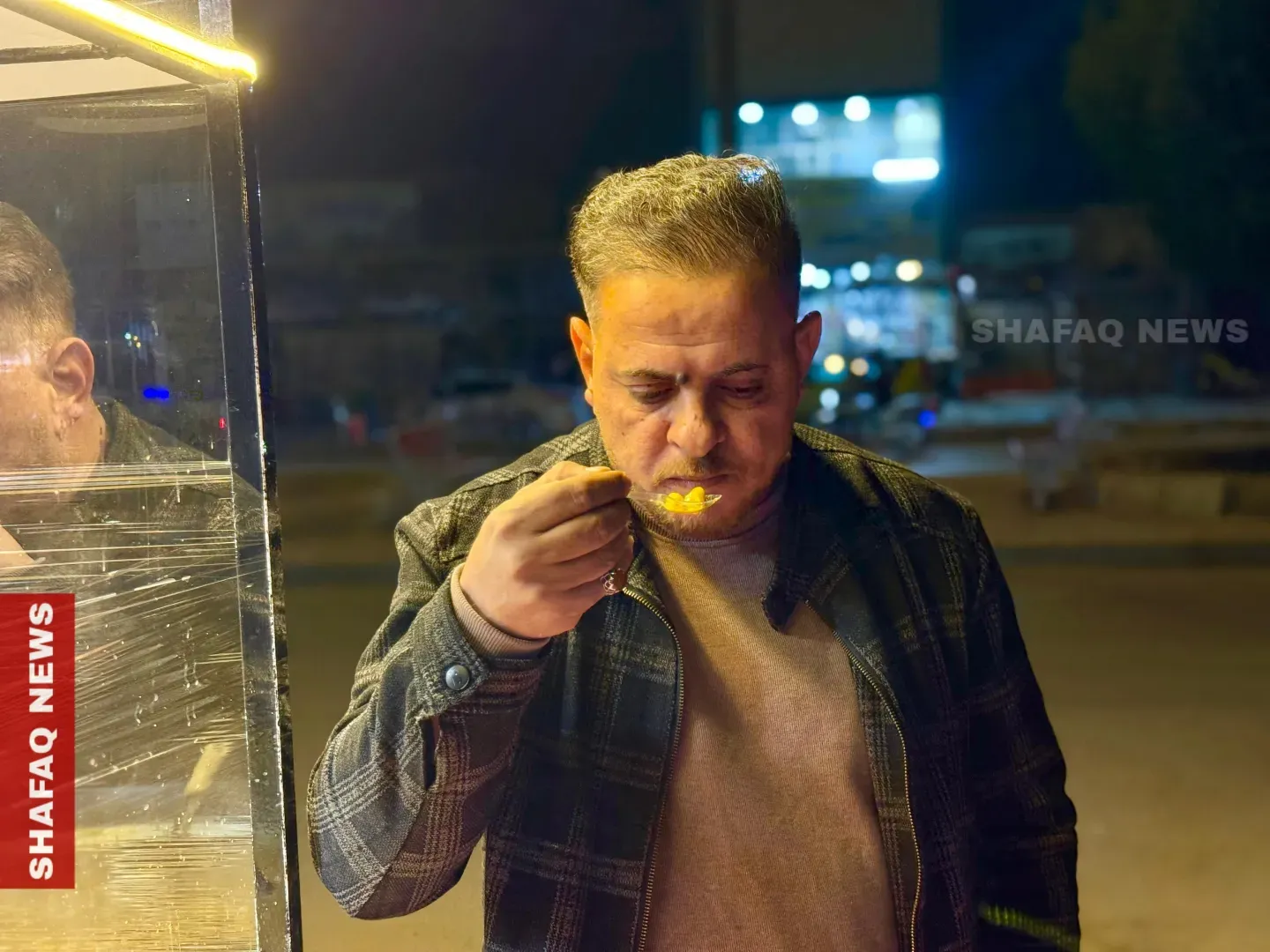
In a country where job scarcity often defines the futures of graduates, this corner of Babil offers a quieter narrative. It is not a tale of grand entrepreneurship or rapid growth, but of resilience — of young Iraqis carving out space in the cold months, serving warmth by the bowl, and proving that survival, like lablabi, can be built patiently from simple ingredients.
Read more: Youth in despair, no jobs to share: Iraq’s workforce hanging in the air